Source Hair Conditioner for Curly, Fine, and Color Treated Hair
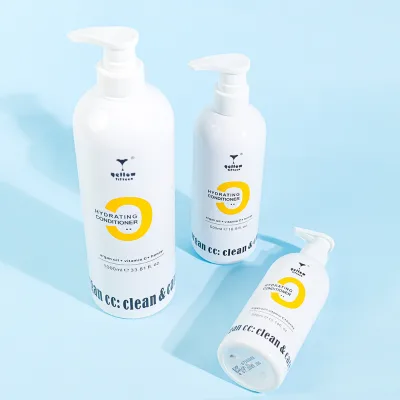
Explore 30 verified listings for Hair Conditioner suitable for daily care and professional treatments. Buyers can compare OEM options, herbal ingredients, and volume sizes ranging from 250ml to 500mL from Guangdong suppliers; compare the available evidence and request quotations based on your requirements.
Key considerations
Products List









Comprehensive Sourcing Guide
Hair Conditioner Sourcing Guide
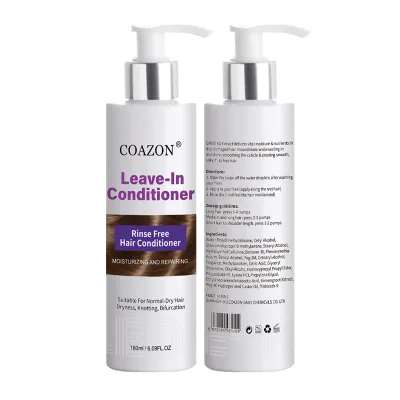
Buyers must first distinguish between rinse-off and leave-on formulations when evaluating the current market, as the observed listings include both types with distinct application protocols. The data indicates a strong presence of rinse-off conditioners designed for daily care, alongside leave-in variants that offer smoothing and straightening benefits for specific hair textures. Understanding this functional split is critical before engaging suppliers, as the manufacturing requirements for a rinse-off product differ significantly from those of a leave-in treatment regarding residue management and ingredient stability.
Procurement teams should also verify the intended hair type compatibility, as the observed inventory targets curly, fine, and color-treated hair alongside general all-hair types. This segmentation influences the selection of active ingredients, with many listings highlighting organic extracts, keratin, and hyaluronic acid to address specific concerns like breakage or frizz. Buyers need to align their target demographic with the supplier's specific formulation capabilities to ensure the final product delivers the promised moisturizing, nourishing, or volumizing effects without causing adverse reactions on sensitive scalps.
Product Scope and Observed Listing Signals
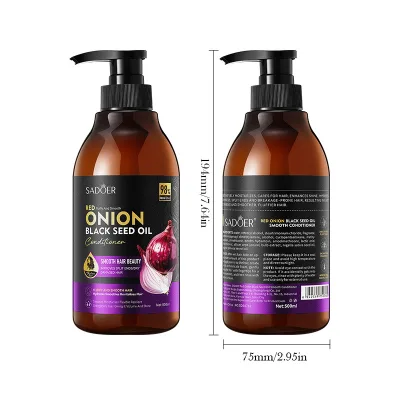
The observed product range demonstrates a clear divergence in volume and physical specifications, with listings showing capacities ranging from 250ml to 500ml and varying gross weights. Some entries specify a single package size of 3x3x10 cm, while others indicate a heavier gross weight of 1.500 kg, suggesting different packaging formats or bulk configurations. Buyers must carefully cross-reference these physical attributes with their logistics requirements, as the discrepancy in weight and dimensions can significantly impact shipping costs and warehouse storage planning.
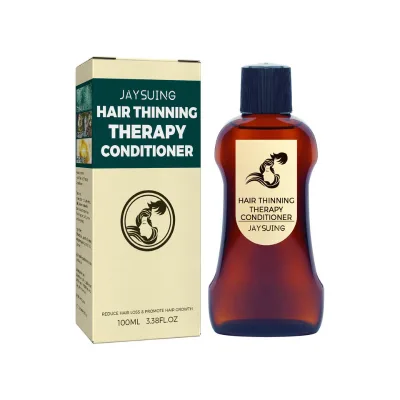
Marketing signals in the listings emphasize a broad spectrum of functional benefits, including color protection, anti-frizz properties, and hair loss prevention, often combined with natural ingredient claims. The presence of "OEM/ODM" and "Private Label" branding indicates that most suppliers are positioned to customize formulations and packaging for specific brand identities rather than selling generic off-the-shelf goods. Procurement strategies should focus on verifying which specific feature sets are actually available in the base formula versus those that require additional customization fees or longer development cycles.
Technical Specifications to Verify
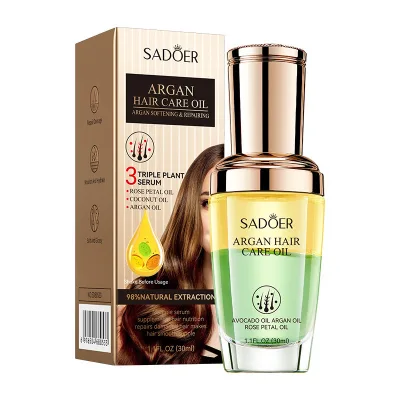
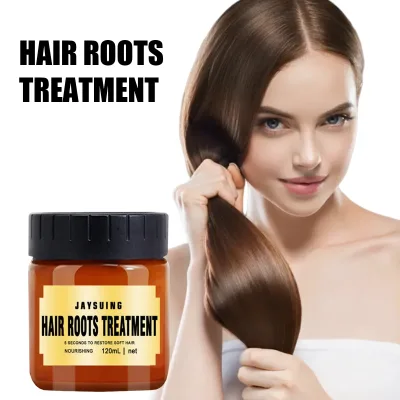
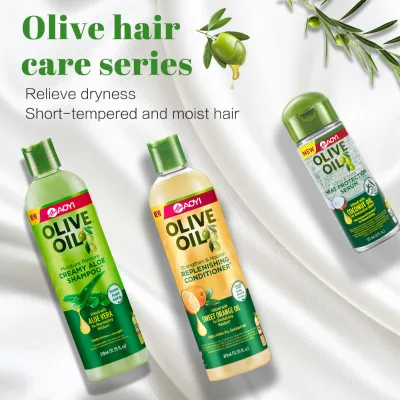
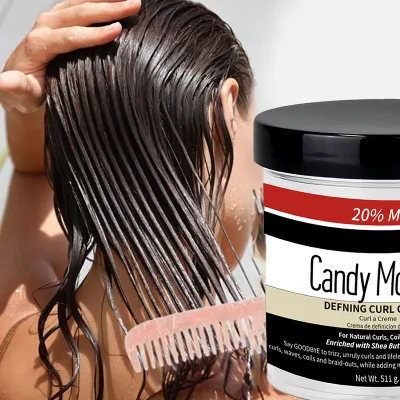
Verification of the product form and texture is essential, as the market data reveals listings for both cream and oil-based conditioners with distinct application methods. Buyers must confirm whether the supplier can consistently produce the desired consistency, such as the brown-colored cream or the specific oil formulation, as these physical states affect user experience and dispensing mechanisms. Ensuring the formula matches the intended usage, whether it is a rinse-off treatment or a leave-in styling aid, prevents mismatches between the ordered specification and the final consumer product.
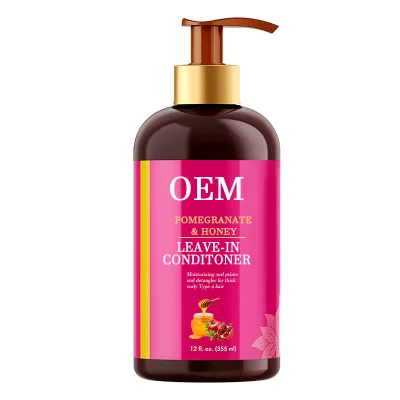
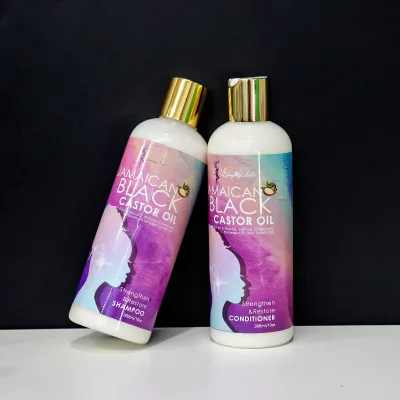
Ingredient composition requires rigorous scrutiny, particularly given the claims of organic, herbal, and chemical components like keratin and hyaluronic acid found in the listings. Buyers should request detailed ingredient lists to validate the presence of specific actives such as honey, pomegranate, or natural oils, and to confirm the absence of prohibited substances in their target markets. The distinction between "100% Herbal Extracts" and blends containing chemical agents must be clarified, as this determines the product's positioning in the premium versus standard market segments.
Compliance and Safety Documentation
Regulatory compliance is a primary concern when sourcing hair care products, especially given the diverse ingredient profiles ranging from organic extracts to synthetic chemicals. Buyers must ensure that suppliers can provide safety data sheets and ingredient declarations that align with the regulations of the destination market, such as the EU or US FDA requirements. The presence of specific claims like "hair loss prevention" or "straightening" may trigger additional regulatory scrutiny, requiring substantiation of efficacy and safety before the product can be legally marketed.
Documentation regarding the manufacturing origin and grade of materials is equally critical for maintaining brand integrity and consumer trust. The observed listings mention origins in Guangdong, China, and grades ranging from industry standard to premium, which necessitates verification of the actual production environment and quality control protocols. Buyers should demand evidence of Good Manufacturing Practices (GMP) certification and batch-specific testing reports to confirm that the product meets the stated premium grade and safety standards before committing to large orders.
Cost Drivers and Commercial Terms
Pricing structures in this category are influenced by the complexity of the formulation and the extent of customization required for private labeling. The observed price range of 0.45 to 80 USD suggests a wide disparity based on ingredient quality, volume, and branding services, with premium herbal or keratin-infused formulas likely commanding higher unit costs. Buyers must analyze the cost breakdown to understand how much of the price is attributed to raw materials versus the OEM/ODM service fees, ensuring that the final landed cost remains competitive within their target retail segment.
Minimum Order Quantities (MOQ) present a significant variable, with observed ranges spanning from 1 unit to 100,000 units, reflecting the flexibility of different suppliers. Small buyers may find suppliers willing to accept low MOQs for trial runs, while larger volume commitments often unlock better pricing tiers and more favorable payment terms. It is vital to negotiate MOQs that align with the buyer's inventory turnover rates and cash flow, balancing the need for variety against the economies of scale offered by bulk purchasing agreements.
Supplier Qualification and Quality Control
Supplier qualification should prioritize those with demonstrated experience in the hair care sector, as evidenced by the "15 Years Experience" claim found in some listings. Buyers must verify this tenure through business registration documents and request references from previous clients to confirm the supplier's ability to deliver consistent quality over time. A supplier with a long track record is more likely to have established relationships with raw material providers and robust internal processes for managing production fluctuations and supply chain disruptions.
Quality control protocols must be explicitly defined in the contract, covering everything from raw material inspection to final product testing. Buyers should require a clear definition of the acceptance criteria for parameters such as viscosity, pH balance, and microbial limits, ensuring that the finished product matches the sample provided. Regular third-party audits or on-site inspections may be necessary to validate that the supplier maintains the claimed premium grade and adheres to the specified safety and efficacy standards throughout the production lifecycle.
Long-Term Procurement Checks
Sustaining a successful partnership requires ongoing monitoring of product consistency and the supplier's ability to adapt to changing market demands. Buyers should establish a schedule for periodic quality reviews and formula updates to ensure the product remains competitive against new innovations in the hair care industry. This proactive approach helps mitigate the risk of product obsolescence and ensures that the brand can respond quickly to consumer trends regarding natural ingredients or specific hair care benefits.
Supply chain resilience is another critical factor for long-term procurement success, particularly given the reliance on specific ingredients like organic extracts and herbal components. Buyers must assess the supplier's contingency plans for raw material shortages and their capacity to scale production up or down based on seasonal demand fluctuations. Developing a diversified supplier base or securing long-term supply agreements for key ingredients can provide the stability needed to maintain consistent product availability and protect the brand's reputation in the marketplace.
FAQs
Can I get private label Hair Conditioner with OEM services?
Yes, private label Hair Conditioner is available with OEM and ODM services. Suppliers in Guangdong offer customization for brands. You can select from various formulas including rinse-off and leave-on types. The products support herbal and organic ingredients. This allows you to create a unique brand identity while leveraging professional hair care manufacturing capabilities.
What hair types are suitable for this conditioner?
The conditioner is suitable for curly hair, fine hair, and color-treated hair. It also supports all hair types for specific treatments. The formula includes repairing and moisturizing benefits. It helps with smoothing and anti-frizz needs. This versatility ensures effective daily hair care for diverse customer demographics and specific styling requirements.
What are the main ingredients in the herbal conditioner?
The main ingredients include 100% herbal extracts, keratin, and hyaluronic acid. Organic components and natural oils are also used. Some formulas feature honey and pomegranate extracts. These materials provide nourishing and repairing effects. The premium grade ensures high-quality performance for professional and daily hair care applications.
What volume options are available for bulk orders?
Volume options include 250ml, 355ml, and 500ml sizes. The products are available in regular size packaging. Single gross weights vary from 0.500 kg to 1.500 kg depending on the volume. These standard sizes facilitate easy distribution and retail display for various market segments.
How does the conditioner help with hair repair?
The conditioner provides hair repair through keratin and herbal extracts. It offers smoothing, moisturizing, and nourishing effects. The formula targets anti-breakage and split ends. It also prevents hair loss and adds volume. These functions restore hair health and improve texture for daily use.
Is the product suitable for unisex use?
Yes, the Hair Conditioner is suitable for unisex use. It is designed for adults and supports daily hair care. The pleasant fragrance and neutral formula appeal to all genders. It provides essential benefits like smoothing and repair. This makes it a versatile choice for broad market distribution.