Source Rose Rice Water Leave-in Spray for Hair Care
Find 30 Rose Rice Water Leave-in Spray options from verified suppliers. Compare packaging, ingredients, and certifications to find the right hair care solution for your brand. Evaluate formulations and bulk pricing to ensure quality and compliance for your specific market needs.
Key considerations
Products List


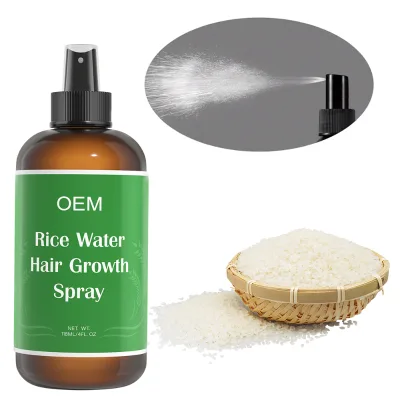


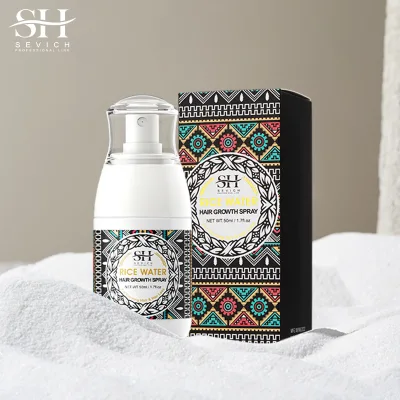
Beauty Cosmetics Skin Care Hair Loss Repairs Damage Rice Hair Thicker Spray
$2.25 - $3.50
MOQ: 100 Pieces
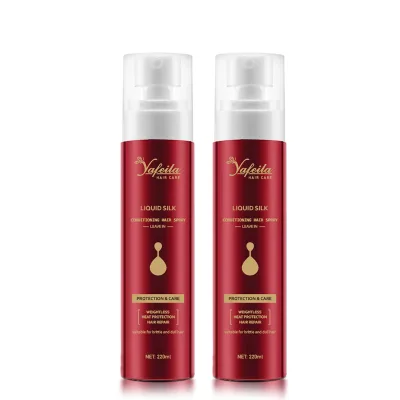
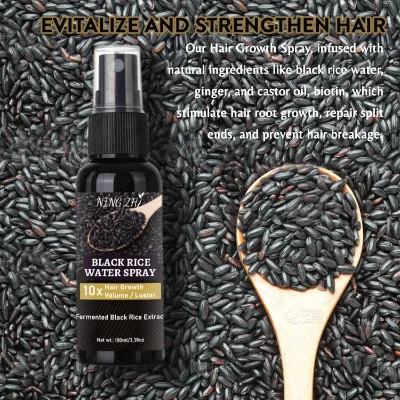
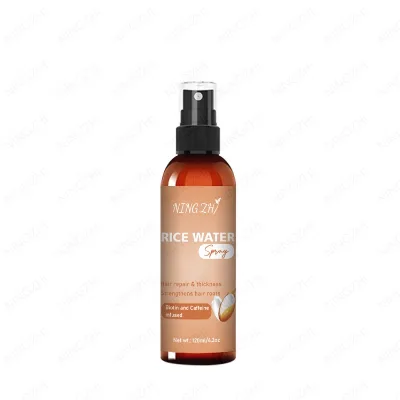

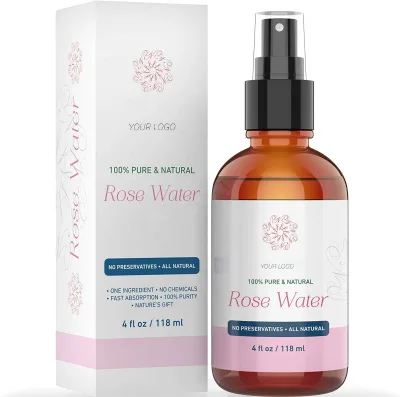

Wholesale Rosewater Nourishing Pure Natural Organic Rose Water Toner Spray
$1.20 - $3.50
MOQ: 1000 Pieces



Comprehensive Sourcing Guide
Rose Rice Water Leave-in Spray Sourcing Guide
Sourcing rose rice water leave-in spray requires a nuanced understanding of the intersection between botanical extracts and cosmetic formulation. While the core keyword suggests a hair care product, the available market data reveals a complex landscape of related botanical ingredients. Buyers must distinguish between finished cosmetic sprays and raw material suppliers who provide the foundational extracts. The observed product range includes fresh cut roses, grape leaf extracts, and plant-based powders, indicating that many suppliers operate in the raw material or ingredient space rather than as finished goods manufacturers. This distinction is critical for procurement teams defining their supply chain strategy.
Procurement professionals should approach this category with a clear definition of whether they seek a finished consumer product or a bulk ingredient for private label formulation. The presence of items like "Fresh Cut Rose" and "Rose" plants suggests that some suppliers focus on the physical flower itself, which may be used for infusion or extraction. Conversely, other listings point toward processed ingredients such as grape leaf extracts in brine or plant powders. Understanding this split helps buyers target the correct supplier tier, whether that is a cosmetic brand for direct resale or a chemical/botanical manufacturer for ingredient sourcing.
Product Scope and Observed Listing Signals
The observed product listings reveal a diverse array of botanical materials, ranging from fresh floral stems to processed food-grade extracts. Notable items include fresh cut roses with specific length specifications and color variations, as well as grape leaf products preserved in brine with certifications like HACCP and FDA. These signals indicate that the market for "rose" related products is broad, encompassing both decorative fresh flowers and processed botanical ingredients. Buyers must carefully filter these results to identify suppliers who specifically offer rice water or rose-infused leave-in sprays, as many listings may only provide the raw floral component.
Further analysis of the data shows products with specific packaging materials such as metal tins, glass containers, and cardboard drums, alongside attributes like "In Brine" processing and "Physical" extraction methods. These details suggest that many suppliers are engaged in the preservation and processing of botanicals rather than the final cosmetic formulation. For instance, grape leaf products are listed with specific weights and storage requirements, while plant powders are described with assay methods like UV and HPLC. This variety highlights the need for buyers to verify the exact state of the product, whether it is a fresh flower, a dried extract, or a formulated liquid spray.
Technical Specifications to Verify
When evaluating potential suppliers for rose rice water leave-in spray, buyers must verify the physical and chemical specifications of the product. For fresh rose components, key parameters include stem length, typically ranging from 60cm to 80cm, and color variations such as white, pink, or red. The grade of the flowers, often labeled as A Grade, is a critical quality indicator that affects the aesthetic appeal and potential extract yield. Additionally, packaging standards such as 10 or 20 stems per bunch and box dimensions like 100cm40cm40cm are essential for logistics planning and inventory management.
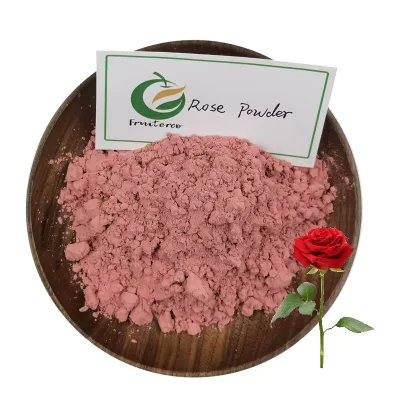
For processed ingredients, technical verification should focus on extraction methods and purity levels. Products derived from plants may undergo physical extraction processes, resulting in powders or extracts with specific colors like brown yellow or yellow. Buyers should request assay methods, such as UV or HPLC, to confirm the concentration of active compounds. Specifications like weight per unit, whether 0.6kg or 0.8kg per bunch, and storage conditions, such as cool and dry sealed containers, are vital for maintaining product integrity. Verifying these technical details ensures that the sourced material meets the required quality standards for final formulation.
Compliance and Safety Documentation
Compliance is a paramount concern when sourcing botanical ingredients, especially those intended for cosmetic or personal care applications. Suppliers often provide certifications such as HACCP, FDA, ISO, and BRC, which indicate adherence to food safety and quality management standards. These certifications are particularly relevant for products like grape leaf extracts, which are processed in brine and packaged in metal tins or glass containers. Buyers must ensure that the supplier’s certifications cover the specific product category and that the documentation is current and verifiable.
In addition to general certifications, buyers should request specific safety data sheets and test reports for the rose rice water leave-in spray or its components. For plant-based powders, information on assay methods and purity levels is crucial to ensure the absence of contaminants. Storage requirements, such as keeping products in a cool and dry place away from direct sunlight, must be clearly documented to maintain shelf life, which is often listed as greater than 12 months. Verifying these compliance documents helps mitigate risks associated with product safety and regulatory adherence in target markets.
Cost Drivers and Commercial Terms
The cost of sourcing rose rice water leave-in spray or its components is influenced by several factors, including the form of the product, packaging, and order volume. Fresh cut roses, for example, may have costs driven by seasonal availability, stem length, and grade, with packaging typically involving cartons or boxes. Processed ingredients like grape leaf extracts or plant powders may have costs influenced by extraction methods, purity levels, and packaging materials such as metal tins or cardboard drums. Buyers should analyze these variables to understand the total landed cost.
Commercial terms, including minimum order quantities (MOQ) and lead times, vary significantly across suppliers. Observed MOQ ranges can span from 1 to 5000 units, depending on the product type and supplier capacity. Packaging options, such as 25kg drums for powders or specific bunch counts for flowers, also impact pricing and logistics. Buyers should negotiate terms that align with their inventory needs and cash flow, considering factors like storage capacity and shelf life. Clear communication regarding payment terms and shipping responsibilities is essential to avoid unexpected costs.
Supplier Qualification and Quality Control
Qualifying suppliers for rose rice water leave-in spray requires a thorough assessment of their manufacturing capabilities and quality control processes. Buyers should verify the supplier’s origin, such as China or specific regions like Kunming or Baoji, and assess their experience in handling botanical materials. For fresh flowers, quality control involves inspecting stem length, color, and freshness, while for processed ingredients, it involves verifying extraction methods, purity, and packaging integrity. Suppliers with certifications like ISO and HACCP are often more reliable in maintaining consistent quality standards.
Implementing a robust quality control plan is essential to ensure that the sourced products meet specified requirements. This may include pre-shipment inspections, sample testing, and verification of compliance documents. For plant-based powders, buyers should request assay results to confirm active compound concentrations. For fresh roses, visual inspections and measurements are critical. Establishing clear quality criteria and communication channels with suppliers helps in maintaining product consistency and addressing any issues promptly, ensuring that the final product meets market expectations.
Long-Term Procurement Checks
Long-term procurement success in the botanical ingredient space depends on continuous monitoring of supplier performance and market trends. Buyers should regularly review supplier certifications, such as HACCP, FDA, and ISO, to ensure they remain valid and up-to-date. Tracking changes in product specifications, such as stem length for roses or purity levels for powders, helps in maintaining quality consistency. Additionally, monitoring shelf life and storage requirements ensures that products remain viable throughout the supply chain, reducing waste and ensuring customer satisfaction.
Building strong relationships with suppliers through regular communication and feedback is crucial for long-term collaboration. Buyers should engage in periodic audits and quality reviews to identify areas for improvement. Staying informed about market dynamics, such as seasonal variations in fresh flower availability or shifts in regulatory requirements, allows for proactive adjustments in sourcing strategies. By maintaining a vigilant approach to supplier management and quality control, buyers can secure a reliable supply of rose rice water leave-in spray components, supporting their business growth and market competitiveness.
FAQs
What certifications do Rose Rice Water Leave-in Spray products have?
Products typically hold HACCP, FDA, ISO, and BRC certifications to ensure safety and quality standards. These credentials verify that the manufacturing process meets international requirements for food and cosmetic ingredients, providing assurance for bulk buyers sourcing from verified suppliers.
How is the product packaged for international shipping?
Packaging options include metal tins, glass containers, drums, and cardboard drums with plastic bags inside. Outer packing often uses cartons to protect the contents during transit, ensuring the product remains sealed and secure while meeting various logistical requirements for global distribution.
Can buyers request custom specifications for this product?
Yes, customization is available to meet specific buyer requirements regarding size, weight, or formulation. Suppliers can adjust standard specifications like 312g or 250g units to align with your unique market needs, offering flexibility for diverse commercial applications and branding strategies.
What is the shelf life of the packaged product?
The product maintains a shelf life of over 12 months when stored correctly. Buyers should keep items in a cool, dry place away from direct sunlight to preserve quality, ensuring the ingredients remain stable and effective throughout the designated storage period.
Which raw materials are used in the production process?
Raw materials include fresh grape leaves, water, and salt for vegetable products, or plants for extract forms. The extraction process is physical, ensuring natural properties are retained while meeting food and medicine standards for safe consumption or cosmetic application in various markets.
What are the standard weight specifications for bulk orders?
Standard weights include 312g, 200g, 340g, 250g, 425g, 850g, and 450g options depending on the product type. Buyers can select from these established specifications or request custom weights, ensuring the final product aligns perfectly with their packaging and distribution requirements.
Where are the products manufactured and sourced from?
Products originate from China, with specific manufacturing locations including Baoji and Kunming. These regions are known for producing high-quality agricultural and processed goods, offering reliable supply chains for international buyers seeking consistent quality and competitive pricing for their sourcing needs.