Source Extruded EPDM Foam Weatherstrip for Doors, Windows, and Vehicles
Find and compare 30 listings for Extruded EPDM Foam Weatherstrip designed for doors, windows, and vehicles. Evaluate options based on custom sizes, self-adhesive backing, and ISO/TS16949 certification to find the right seal for your project.
Key considerations
Products List






Comprehensive Sourcing Guide
Extruded EPDM Foam Weatherstrip Sourcing Guide
Sourcing Extruded EPDM Foam Weatherstrip requires a disciplined approach to balancing material performance, manufacturing precision, and commercial viability. This guide provides evidence-based procurement strategies for buyers evaluating self-adhesive foam sealing strips, focusing on verified technical attributes and supply chain realities. The following sections outline critical verification steps, compliance checks, and long-term quality management practices to ensure successful procurement outcomes.
Product Scope and Observed Listing Signals
The market for Extruded EPDM Foam Weatherstrip presents a diverse range of product listings, with observed price points ranging from $0.04 to $2.00 USD and minimum order quantities (MOQs) varying significantly from 1 to 3,000 units. Buyers must recognize that these wide ranges reflect differences in material density, adhesive quality, custom sizing, and order volume rather than uniform product standards. A low MOQ may indicate suitability for prototyping or small-batch maintenance needs, while higher volumes often unlock better pricing but require stricter commitment to specific dimensions and performance criteria.
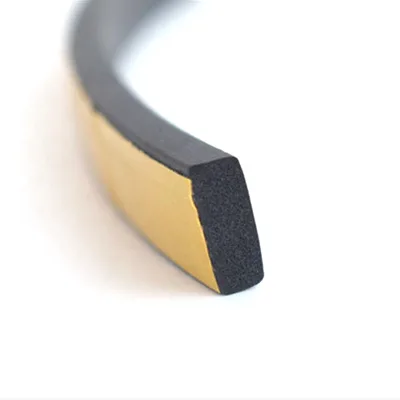
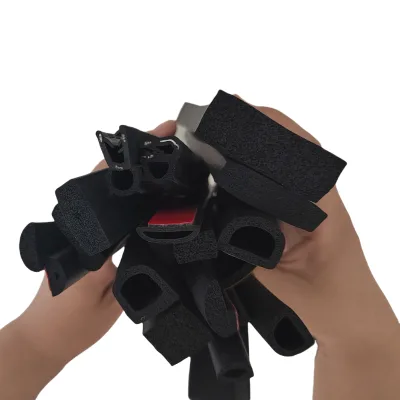
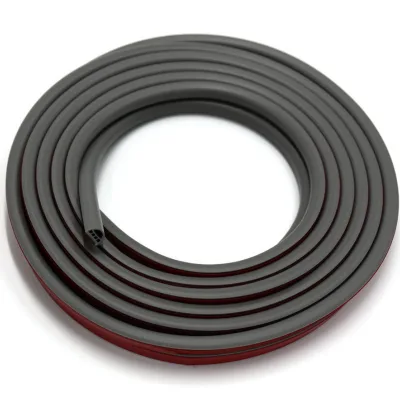
Product attributes frequently highlight versatility, with many listings offering customization in size, color, and shape to meet specific project requirements. Common observations include the availability of black, white, and brown colors, as well as standard and custom sizes tailored for doors, windows, and industrial applications. The self-adhesive feature is typically applied to one side, facilitating easy installation in office buildings, vehicles, and household appliances. Buyers should verify whether the listed "modern design" or "graphic design" support aligns with their actual installation needs, as these are often supplementary services rather than core product features.
Technical Specifications to Verify
Material composition is the primary determinant of weatherstrip performance, with EPDM foam being the dominant choice due to its durability and resistance to environmental stressors. Buyers must confirm that the material is specifically extruded EPDM foam, as this process ensures consistent density and structural integrity compared to other manufacturing methods. The temperature resistance range is a critical specification, with many suppliers citing a operational range of -40 to 120 degrees Celsius. This wide range makes the material suitable for diverse climates, but buyers should verify if the specific grade meets the extreme conditions of their intended application, whether it be automotive, electronic, or machinery sealing.
Adhesive performance and vulcanization methods are equally important technical factors that influence long-term reliability. The self-adhesive backing must be evaluated for its bond strength and longevity, particularly in environments subject to vibration or thermal cycling. Many suppliers utilize continuous vulcanization processes, which can enhance the material's elasticity and recovery properties. Additionally, the shape and size should be confirmed as customizable, allowing for precise fits in non-standard openings. Buyers should request samples to test the adhesive's initial tack and the foam's compression set resistance before committing to large orders.
Compliance and Safety Documentation
Certification status serves as a key indicator of manufacturing quality and process control, with ISO/TS16949 and SGS certifications frequently cited by suppliers. These standards suggest that the manufacturer adheres to rigorous quality management systems, particularly relevant for automotive and industrial applications where consistency is paramount. Buyers should verify the current validity of these certifications and request copies of the certificates to ensure they cover the specific product lines being sourced. It is important to distinguish between general quality certifications and industry-specific standards that may be required for certain regulated markets.
While ISO 9001 is a common background standard for quality management, its presence alone does not guarantee material-specific performance. Buyers should inquire about additional testing or compliance with regional safety regulations, especially if the weatherstrip will be used in enclosed spaces or applications involving sensitive electronics. The "nonstandard" classification of some products indicates that they may not conform to universal industry norms, requiring buyers to define their own acceptance criteria. Clear documentation of material safety data sheets (MSDS) and environmental compliance statements should be requested to mitigate liability and ensure regulatory alignment.
Cost Drivers and Commercial Terms
Pricing for Extruded EPDM Foam Weatherstrip is influenced by several factors, including material costs, adhesive quality, customization complexity, and order volume. The observed price range of $0.04 to $2.00 USD reflects these variables, with higher prices typically associated with custom shapes, specialized colors, or enhanced adhesive performance. Buyers should analyze the cost structure relative to their volume requirements, understanding that smaller orders may incur higher per-unit costs due to setup and processing fees. Negotiating tiered pricing based on volume can help optimize total cost of ownership over time.
Commercial terms such as delivery time and packaging are critical components of the procurement agreement. Many suppliers offer delivery within 7 to 15 days after payment confirmation, which is suitable for standard replenishment cycles. However, buyers should confirm if expedited shipping options are available for urgent needs and understand the associated costs. Packaging is typically done in cartons, but custom packaging may be requested for specific logistics requirements. Clear agreements on payment terms, return policies, and warranty coverage, such as the commonly offered two-year warranty, provide additional protection for the buyer.
Supplier Qualification and Quality Control
Supplier experience and service capabilities are important indicators of reliability, with many manufacturers boasting over 20 years of industry experience. This longevity often correlates with refined manufacturing processes and a deeper understanding of customer needs. Buyers should evaluate the supplier's ability to provide OEM services and total project solutions, which can simplify the sourcing process for complex requirements. Online technical support is a valuable resource for troubleshooting installation issues or addressing post-delivery concerns, ensuring a smoother procurement experience.
Quality control measures should be rigorously assessed before finalizing any supplier relationship. Buyers should inquire about the supplier's internal testing protocols, including checks for material consistency, adhesive strength, and dimensional accuracy. Requesting samples for pre-production testing is a essential step to validate the supplier's claims regarding performance and quality. Additionally, buyers should consider conducting periodic audits or third-party inspections for large-volume orders to ensure ongoing compliance with agreed-upon specifications. Establishing a clear communication channel for quality feedback helps maintain high standards throughout the supply chain.
Long-Term Procurement Checks
Sustaining a successful sourcing relationship requires ongoing monitoring of supplier performance and product quality. Buyers should establish key performance indicators (KPIs) such as on-time delivery rates, defect percentages, and responsiveness to technical queries. Regular reviews of these metrics help identify potential issues early and facilitate corrective actions. Maintaining a buffer stock of critical weatherstrip components can mitigate supply chain disruptions, especially for products with longer lead times or limited supplier options.
Adaptability to changing market conditions and technological advancements is crucial for long-term procurement success. Buyers should stay informed about new material innovations or manufacturing techniques that could offer improved performance or cost savings. Periodically re-evaluating the supplier base and exploring alternative sources can provide leverage in negotiations and reduce dependency on a single vendor. By maintaining a proactive approach to supplier management and quality assurance, buyers can ensure a reliable supply of high-quality Extruded EPDM Foam Weatherstrip for their operations.
FAQs
What material is used for the Extruded EPDM Foam Weatherstrip?
The product is manufactured from EPDM foam material. This material provides durability and soundproofing capabilities suitable for industrial shock absorption and sealing applications in doors and windows.
Can I request custom sizes for the sealing strip?
Yes, customization is available for the shape and size of the strip. Buyers can specify standard or custom dimensions to fit specific project requirements for office buildings or vehicle applications.
What certifications do the manufacturers hold for this product?
The product holds ISO/TS16949 and SGS certifications. These standards ensure quality control and compliance for applications in automobiles, household appliances, and electronic products requiring reliable sealing solutions.
How long is the delivery time after payment confirmation?
Delivery typically takes 7 to 15 days after receiving payment. This lead time applies to orders confirmed with the supplier located in Hebei, China, for carton packaging or custom requests.
What is the minimum order quantity for this item?
The minimum order quantity is 500 meters. This threshold applies to the extruded foam rubber sealing strip which is available in black, white, or brown colors for various industrial uses.
Does the product offer temperature resistance for extreme conditions?
Yes, the strip operates effectively within a temperature range of -40 to 120 degrees Celsius. This performance ensures durability in diverse environments including vehicle and machinery applications requiring thermal stability.
Is the adhesive side pre-applied for easy installation?
The product features a one-side self-adhesive backing for easy installation. This design allows for quick application on doors and windows without requiring additional bonding agents or complex tools.