Source Eye Cream Bottle for Cosmetic, Packaging, and Storage
Find 30 Eye Cream Bottle options in plastic with pump sprayers and screw caps. Compare heights from 110mm to 159mm and diameters for cosmetic, skin care, and personal care applications. Request free samples and view production times; compare the available evidence and request quotations based on your requirements.
Key considerations
Products List


2018 Factory Supply 5ml 7.5ml 10ml 15ml Skincare Press Eye Cream Bottle
$0.32 - $0.45
MOQ: 5000 Pieces


Roll on Eye Cream Bottle Cosmetic Packaging Bottle with Stainless Steel Ball
$0.53 - $0.80
MOQ: 3000 Pieces


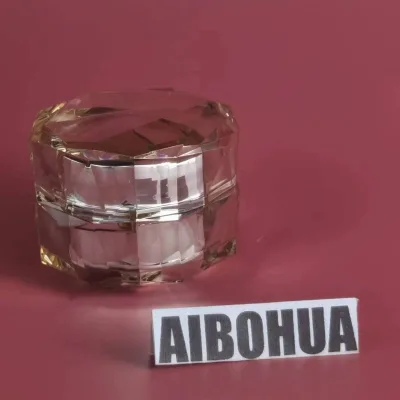


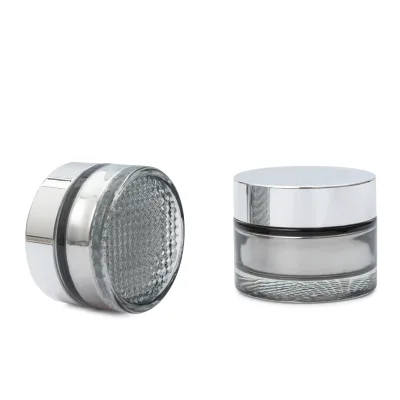
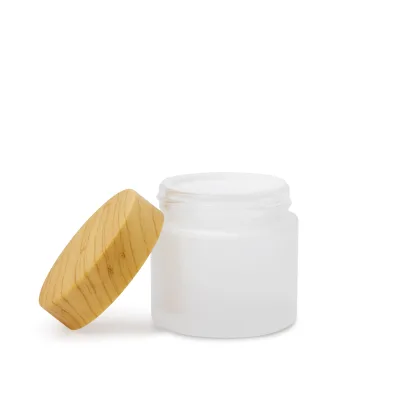
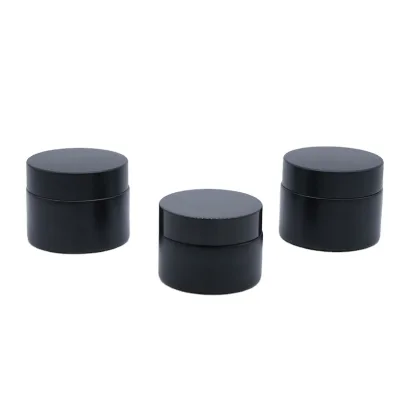

Customized Skin Care Packaging Eye Cream Bottle 15ml Plastic Serum Bottle
$0.55 - $0.60
MOQ: 10000 Pieces
Comprehensive Sourcing Guide
Eye Cream Bottle Sourcing Guide
The global market for eye cream packaging is defined by a diverse range of formats designed to protect sensitive formulations while ensuring precise application. Current listings indicate a strong presence of high bottles with pump sprayers, alongside specialized jars and roller ball containers that cater to specific texture requirements. Buyers must recognize that product attributes such as bottle height and diameter vary significantly, with observed dimensions ranging from compact 28.5mm diameters to larger 63mm profiles, necessitating careful selection based on the intended product volume and dispensing mechanism.
Procurement strategies should account for the distinct customization capabilities observed in the supply chain, where options for gradient decorations and specific sealing types are readily available. The availability of free samples and short sample lead times of four to six days allows for rapid prototyping, yet the full production cycle typically extends to twenty-five to thirty days after deposit receipt. Sourcing teams must align their timeline expectations with these production windows to avoid delays, ensuring that the chosen packaging solution matches the specific application needs of cosmetic or skin care brands.
Product Scope and Observed Listing Signals
Buyers analyzing current market signals will encounter a wide spectrum of product models, including specific identifiers like AB-S02 and AB-M, which denote distinct structural designs and capacities. The observed listings reveal a clear segmentation between airless pump systems, screw cap closures, and press lid mechanisms, each serving different functional requirements for preserving product integrity. Understanding these variations is critical, as the sealing type directly influences the shelf life of the eye cream and the user experience during application, particularly for viscous or sensitive formulations.
The commercial landscape also highlights significant variability in minimum order quantities, ranging from 120 units to 50,000 units depending on the specific model and customization level. This wide MOQ range suggests that suppliers cater to both small-batch startups and large-scale manufacturers, with some models requiring substantial volumes like 20,000 pieces for custom orders. Procurement planners must evaluate their inventory needs against these thresholds to optimize cost efficiency, while noting that production origins are primarily concentrated in regions like Ningbo and China, which influences logistics and lead time planning.
Technical Specifications to Verify
Verification of physical dimensions is paramount when selecting eye cream bottles, as the observed data shows bottle heights varying from 110mm to 159mm and diameters from 26mm to 63mm. These measurements directly impact the ergonomic fit within retail packaging and the consumer's handling experience, requiring precise alignment with the brand's design specifications. Buyers should cross-reference the listed standard capacities, such as 10ml, 15ml, or 30ml, against the actual physical volume to ensure the packaging holds the intended amount of product without compromising the structural stability of the container.
Material composition and component compatibility also demand rigorous scrutiny, particularly regarding the interaction between the bottle body and the closure mechanism. While plastic is the dominant material for the main body, specific components like roller ball materials are noted as stainless steel, which is essential for hygiene and durability in roll-on applications. Additionally, the presence of airless pumps and screw caps requires verification that the internal mechanisms are compatible with the specific viscosity of the eye cream to prevent leakage or dispensing failures during transit and use.
Compliance and Safety Documentation
Ensuring that packaging materials meet international safety standards is a non-negotiable step for any procurement of cosmetic containers. Although specific certification names are not universally listed in the provided data, buyers must request documentation confirming that the plastic materials and inks used for gradient decorations are compliant with relevant food and cosmetic contact regulations. This verification process protects the brand from liability and ensures that the packaging does not leach harmful substances into the sensitive eye cream formulation, which is critical for maintaining consumer trust and regulatory compliance.
Documentation regarding the production origin and manufacturing standards should be obtained to validate the supply chain's integrity and consistency. The observed data points to origins in Ningbo and China, regions known for manufacturing capabilities, yet buyers must confirm that the specific production batches adhere to the stated standards, such as the 10ml or 15ml capacity specifications. Requesting test reports for the sealing types, particularly for airless pumps and screw caps, ensures that the closure mechanisms will maintain a hermetic seal, preventing contamination and preserving the efficacy of the cosmetic product throughout its shelf life.
Cost Drivers and Commercial Terms
The final cost of eye cream bottles is heavily influenced by the complexity of customization and the volume of the order, with observed price ranges spanning from $0.03 to $1.10 per unit. Factors such as gradient decoration, specific bottle shapes, and the inclusion of specialized components like stainless steel roller balls can drive costs toward the higher end of this spectrum. Buyers should anticipate that custom packing requirements and unique sealing types will incur additional charges, making it essential to negotiate clear pricing structures that account for these variable elements before finalizing the order.
Commercial terms regarding delivery and payment are equally critical, with lead times varying from 20 to 25 days for delivery and sample times ranging from two to six days. The production timeline typically requires a deposit before the 25 to 30-day manufacturing window begins, meaning that cash flow planning must accommodate these upfront costs. Procurement teams must also consider the MOQ constraints, as orders falling below the 120-unit threshold or exceeding the 50,000-unit capacity may face different pricing tiers or logistical challenges, necessitating a balanced approach to order sizing.
Supplier Qualification and Quality Control
Establishing a robust quality control protocol is essential when engaging with suppliers who offer a wide array of product models and customization options. Buyers should implement a sampling strategy that utilizes the available free sample programs to test the physical attributes, such as the press lid functionality and the gradient finish, before committing to large-scale production. This proactive approach helps identify potential defects in the sealing type or material consistency early in the process, ensuring that the final product meets the brand's rigorous quality standards.
Supplier qualification should extend beyond the initial product listing to include an assessment of their production capacity and consistency in meeting delivery timelines. Given the observed production times of 25 to 30 days, it is vital to verify that the supplier can maintain this schedule consistently across multiple batches. Buyers should request references or case studies demonstrating their ability to handle customized orders, particularly those involving complex specifications like the 31*17mm jar dimensions or specific capacity standards, to ensure reliability in the long-term supply chain.
Long-Term Procurement Checks
Sustaining a successful partnership with packaging suppliers requires regular audits of their ability to maintain product consistency and adhere to agreed-upon specifications over time. Buyers should establish a schedule for periodic quality checks that verify the bottle height, diameter, and capacity against the original samples to detect any drift in manufacturing tolerances. This ongoing monitoring is crucial for maintaining brand integrity, as even minor deviations in the physical dimensions of the Eye Cream Bottle can affect the consumer's perception of quality and the product's performance on the shelf.
Strategic planning for future procurement should also involve evaluating the supplier's flexibility in adapting to changing market demands and regulatory requirements. As the cosmetic industry evolves, the need for new sealing types, eco-friendly materials, or updated capacity standards may arise, and the supplier's ability to pivot quickly will be a key differentiator. Buyers should maintain open communication channels to discuss potential innovations, such as new gradient colors or alternative closure mechanisms, ensuring that the supply chain remains agile and responsive to the dynamic needs of the eye cream market.
FAQs
What materials are typically used for eye cream bottles?
Most eye cream bottles on this page are made of plastic, which keeps weight low and suits cosmetic packaging. Plastic works well for pump sprayer, airless pump, and screw cap closures. If your formula is sensitive, discuss barrier properties with suppliers before ordering, and confirm compatibility testing for essential oils or actives during sampling.
What capacities and formats are available for eye cream bottles?
Listed formats include 5ml, 10ml, and 15ml roll-on bottles, 15ml and 30ml options, plus jars from 5g to 250g. Airless pump bottles come in 15ml, 20ml, and 50ml sizes. Choose capacity based on dosage and retail positioning, then confirm exact dimensions such as bottle heights and diameters with the supplier before production.
Can I customize the color, printing, and packaging of eye cream bottles?
Yes, customization is available, and packing can be customized per carton requirements. Minimum quantities apply, with some options starting at 10,000 pieces and custom quantity tiers around 20,000 pieces. Share your artwork, color targets such as white, and decoration preferences like gradient finishes during quotation so sample bottles match your brand expectations.
How long do sampling and mass production take?
Sample time is typically 4 to 6 days, and free samples are commonly offered, often 2 to 3 pieces. Production usually takes 25 to 30 days after receiving your deposit, though some roll-on bottle orders show delivery around 20 to 25 days. Confirm the exact schedule in writing before confirming the deposit.
What closure types work best for eye cream packaging?
Options include pump sprayer, screw cap, airless pump, press lid, and stainless steel roller balls for roll-on formats. Airless pumps protect formulations from air exposure, while roller balls suit cooling under-eye application. Select the closure based on product viscosity and usage experience, and verify sealing performance during the sample stage.
What is the minimum order quantity for eye cream bottles?
Minimum order quantities vary by model, with listed values ranging from 120 pieces up to 50,000 pieces. Stock or standard models usually carry lower MOQs, while fully customized colors, decorations, and packaging require higher volumes. Ask suppliers to quote MOQ alongside unit pricing so you can balance budget against branding requirements.
Where are these eye cream bottles produced and shipped from?
Listed products originate from Ningbo, China, a major hub for cosmetic packaging manufacturing. Production time is generally 25 to 30 days after deposit, with delivery times of 20 to 25 days shown for some models. Request carton packing details, freight options, and Incoterms from each supplier when comparing quotations.
Which bottle size should I choose for a new eye cream launch?
Popular retail sizes are 5ml, 10ml, and 15ml for eye products, since usage rates are low and shelf life matters. A 10ml or 15ml roll-on with a stainless steel ball suits serums, while 15ml or 30ml airless pumps suit richer creams. Match capacity to your formula and price point before sampling.