Source Face Lift Facial Massager for Salon, Home, and Spa
Compare 30 Face Lift Facial Massager options featuring IPL and E-Light technologies for salon and home use. Buyers can review specifications like battery life, dimensions, and customization availability to find the right multi-functional beauty equipment.
Key considerations
Products List

Portable Facial Massager for Skin Lifting Tightening Face Roller and Eye Massager
$18.28 - $20.78
MOQ: 10 Pieces


Hot and Cold Face Lifting Beauty Device Skin Tightening Facial Massager
$15.47 - $17.43
MOQ: 50 Pieces


Portable Skin Tightening Face Lifting RF Machine Facial Beauty Massager
$1.00 - $35.00
MOQ: 100 Pieces
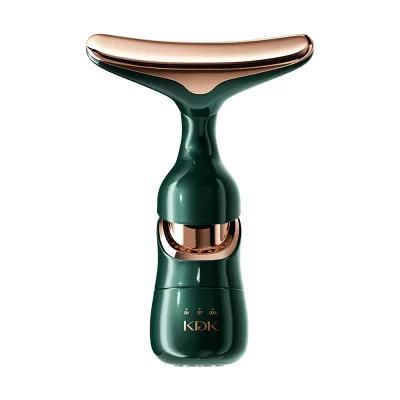

Safe Effective Skin Lift Wrinkle Removal Microcurrent Facial Lifting EMS Facial Massager
$3952.00 - $4516.00
MOQ: 1 Pieces


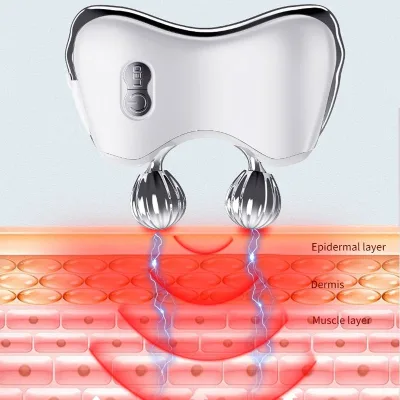


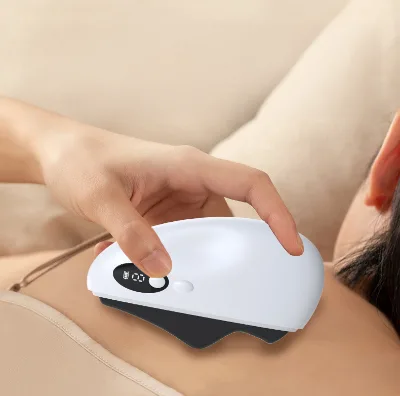


Comprehensive Sourcing Guide
Strategic Sourcing Guide for Face Lift Facial Massagers
Understanding Product Technology and Core Mechanisms
The modern market for face lift facial massagers is defined by a convergence of mechanical stimulation and light-based energy technologies. When sourcing these devices, buyers must first distinguish between the underlying operating theories, as this dictates the efficacy and application scope. Based on current product data, the market features devices utilizing IPL (Intense Pulsed Light) and E-Light technologies. These light-based systems are often marketed for their ability to target specific skin concerns such as acne, blemishes, and signs of aging. The integration of these theories suggests a multi-functional approach, where the device serves not only as a mechanical massager but also as a tool for skin rejuvenation.
The physical design of these units is equally critical. The observed product styling often favors a round overall shape, which aligns with ergonomic requirements for facial contours. This design choice is not merely aesthetic; it facilitates the "Compact and Lightweight Product Design" necessary for user maneuverability. The materials selected for construction typically include a combination of ABS plastic and stainless steel, ensuring durability while maintaining a premium feel. The main components of the product generally consist of the host unit, hardware, and various accessories. Understanding these material and technological foundations is the first step in filtering suppliers who offer genuine innovation versus those offering generic, low-quality replicas.
Technical Specifications and Performance Parameters
When evaluating specific models for procurement, technical specifications provide the objective metrics required for quality assurance. The physical dimensions of the host unit vary, with common specifications citing a size of 157mm44mm44mm for certain models, while others may differ slightly based on the internal component layout. The overall package size is typically around 1758050mm, ensuring the device fits within standard shipping constraints while protecting the unit.
Power and energy metrics are paramount for safety and performance. The power rating for these devices is observed to be 1.5W, with a power input requirement of 5V2A. This indicates a low-voltage operation suitable for USB charging, reducing the risk of electrical hazards during home use. The charging duration is a key user experience factor, with many units capable of reaching a full charge in ≤ 60 minutes. The battery capacity is a critical specification, with data points indicating a configuration of 102060/3.7V/1200mAh. This capacity supports a maximum continuous working duration that is sufficient for typical treatment sessions.
Weight is another significant specification for user comfort. The net weight of the product is observed at 116g for lighter models, while others may weigh up to 300g. The standard weight for a specific model is noted as 150g. These variations suggest that buyers should verify the weight against their target demographic's preference for portability versus stability. Additionally, the heating temperature is a controlled variable, with a maximum operating temperature of 45℃, which is generally considered safe for direct skin contact during massage therapy.
Compliance, Safety, and Certification Verification
In the beauty equipment sector, compliance is not optional; it is a prerequisite for market entry and consumer trust. While specific certification statuses such as ISO 9001, CE, and RoHS are frequently referenced in the broader industry context, buyers must treat these as verification targets rather than guaranteed attributes of every listed product. The procurement process requires a rigorous check to ensure that the specific batch or model being sourced holds valid certification from recognized bodies.
Safety standards for electrical devices are non-negotiable. Buyers should request test reports that verify the device meets international safety standards for low-voltage appliances. The 1.5W power rating and 5V2A input suggest compliance with low-risk electrical standards, but this must be confirmed through documentation. Furthermore, the materials used, specifically ABS and stainless steel, must be verified for biocompatibility and non-toxicity, especially given the device's direct contact with the face.
The 157mm44mm44mm standard dimension mentioned in product data serves as a reference for manufacturing consistency, but it does not replace the need for safety testing. Buyers should ensure that the supplier can provide evidence of compliance with the electrical safety standards of the destination market. For example, if exporting to Europe, CE marking is essential, while RoHS compliance ensures the absence of hazardous substances. Without explicit confirmation from the supplier, these certifications should be treated as requirements to be met rather than existing facts.
Cost Drivers and Pricing Dynamics
The pricing landscape for face lift facial massagers is highly variable, reflecting differences in technology, build quality, and brand positioning. The observed listed price range spans from $0.76 to $4516. This wide disparity indicates that the market includes both basic, entry-level devices and high-end, professional-grade units with advanced features. The lower end of the spectrum likely represents simplified models with basic mechanical functions, while the higher end may include sophisticated E-Light or IPL systems with advanced cooling mechanisms and extended warranties.
Several factors drive these costs. The inclusion of IPL or E-Light technology significantly increases the unit price compared to purely mechanical massagers. The battery capacity, specifically the 1200mAh unit, and the charging efficiency also contribute to the cost structure. Additionally, the customization options available, such as logo acceptance and customizable colors (White, Black, Pink), add value and cost to the final product. The packaging type, ranging from Heaven-Earth Box to Gift Box and Carton, also influences the final price point, as premium packaging is often required for retail-ready products.
Buyers must align their budget with their intended application. For salon use, where durability and advanced features are prioritized, the higher price range may be justified. For home use or promotional giveaways, the lower-cost options may suffice. However, the MOQ (Minimum Order Quantity) range of 1 to 1000 suggests that smaller orders may carry a higher per-unit cost, while bulk purchasing can significantly reduce the price. Understanding these dynamics is essential for negotiating favorable terms and managing inventory costs effectively.
Supplier Evaluation and Quality Control Protocols
Selecting the right supplier is critical for ensuring product consistency and reliability. The supply chain for these devices is often centered in manufacturing hubs like Shenzhen and Guangdong, China, which are known for their electronics and beauty equipment capabilities. When evaluating potential suppliers, buyers should verify their production capacity and quality control processes. The presence of a 1-year warranty on certain models indicates a level of confidence in product longevity, but this should be cross-referenced with the supplier's track record.
Quality control should focus on the integrity of the ABS + Hardware construction and the reliability of the Type-C charging interface. Buyers should request samples to test the heating temperature consistency and the battery life under continuous operation. The 1555555mm and 1755567mm dimensions serve as benchmarks for dimensional accuracy; deviations from these standards could indicate poor manufacturing tolerances.
Furthermore, the customization capabilities of the supplier are a key differentiator. Suppliers that offer logo acceptance and color customization (White, Black, Pink) demonstrate flexibility and a customer-centric approach. However, buyers must ensure that these customizations do not compromise the structural integrity or safety of the device. A robust quality control protocol should include pre-shipment inspections, random sampling, and functional testing of the E-Light or IPL mechanisms to ensure they operate within the specified parameters.
Typical Applications and Target Market Segmentation
Face lift facial massagers serve a diverse range of applications, catering to both professional and consumer markets. The primary applications include salon treatments and home use. In a professional setting, these devices are utilized for anti-aging and acne/blemish control, leveraging the E-Light and IPL technologies to stimulate collagen production and improve skin texture. The massage style function is designed to enhance blood circulation and provide a relaxing experience, making it suitable for adult and female demographics.
The target market is further segmented by skin type and body part. The devices are specifically designed for combination skin types and are intended for use on the face. The 2-year shelf life of the product ensures that inventory can be managed effectively without rapid obsolescence. The portable nature of the device, with dimensions like 157mm44mm44mm, makes it ideal for travel and on-the-go use, expanding its appeal to the consumer market.
Buyers should consider the specific needs of their target audience when selecting models. For instance, a model with a 300g weight and 1200mAh battery might be preferred for professional salons where extended use is common, while a lighter 116g model might be better suited for home users who prioritize portability. The multi-functional nature of the equipment allows it to address multiple skin concerns, making it a versatile addition to any beauty regimen.
Long-Term Procurement and Strategic Considerations
Sourcing face lift facial massagers is not a one-time transaction but a strategic partnership that requires long-term planning. Buyers should consider the lead times and production capacity of their suppliers to ensure consistent supply. The 1-year warranty and 2-year shelf life suggest that the products are designed for longevity, but buyers must also plan for after-sales support and potential replacements.
The customization options available, such as logo and color customization, offer opportunities for brand differentiation. However, buyers must balance these customizations with the need for standardization to maintain quality control. The Type-C charging standard is a forward-looking choice, ensuring compatibility with modern devices and reducing the need for proprietary cables.
Finally, buyers should monitor market trends and technological advancements. The integration of IPL and E-Light technologies is evolving, and suppliers who invest in R&D will likely offer more advanced and effective products. By maintaining a close relationship with suppliers and staying informed about industry developments, buyers can ensure that their product offerings remain competitive and meet the evolving needs of consumers. The Shenzhen and Guangdong manufacturing hubs continue to be key sources of innovation, making them strategic locations for sourcing high-quality beauty equipment.
FAQs
What technology do these face lift facial massagers use?
These devices utilize IPL and E-Light technologies for skin treatment. The systems are designed to target specific concerns like acne and aging while providing massage functions for enhanced circulation and skin rejuvenation.
How long does it take to charge the device?
The charging duration is typically less than 60 minutes for a full charge. This efficient power input of 5V2A ensures the unit is ready for use quickly without requiring long wait times between sessions.
Can I customize the logo and color of the product?
Yes, customization is available for both the logo and the overall color. Buyers can request specific color options like white, black, or pink, and suppliers accept logo printing to meet brand requirements.
What are the dimensions and weight of the host unit?
The host unit dimensions are commonly 157mm by 44mm by 44mm with a net weight of 116g. Some models may vary slightly, with package sizes around 175mm by 80mm by 50mm for safe shipping.
Where are these products manufactured?
These products originate from manufacturing hubs in Shenzhen and Guangdong, China. Suppliers in these regions are known for their expertise in producing electronic beauty equipment with consistent quality and reliable supply chains.
What is the battery capacity of the device?
The battery capacity is specified as 1200mAh at 3.7V. This capacity supports a maximum continuous working duration suitable for typical facial treatment sessions without frequent recharging interruptions.
Which skin types are suitable for this facial massager?
The device is suitable for combination skin types and is intended for adult users. It is specifically designed for facial application to address anti-aging and acne control needs effectively.