Source Facelift Car Body Kit for Toyota Hilux, Rocco, and GLC
Find a facelift car body kit for Toyota Hilux, Rocco, and GLC models. Compare 30 listings with varying materials like ABS and plastic, fitment options, and delivery times to find the right upgrade for your vehicle; compare the available evidence and request quotations based on your requirements.
Key considerations
Products List
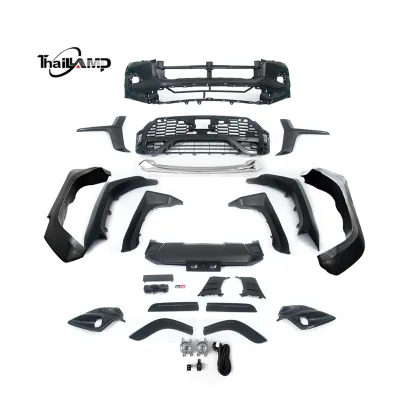
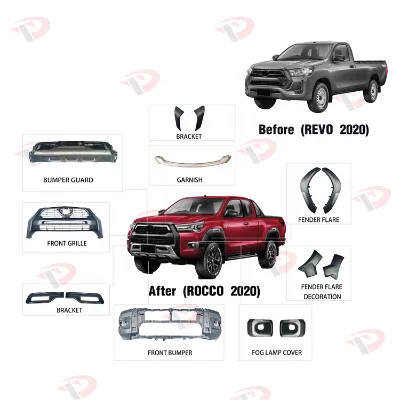
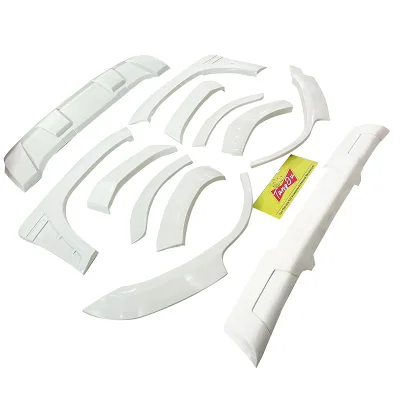
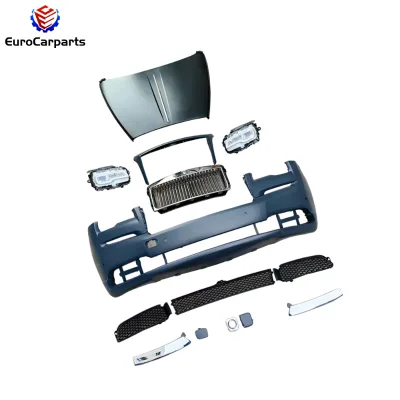
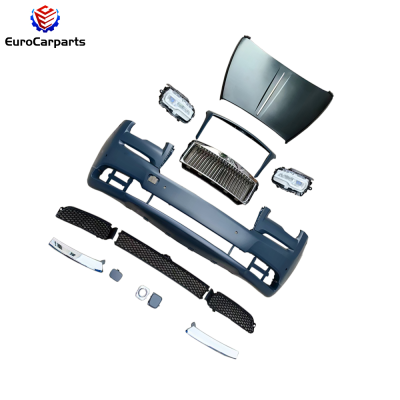
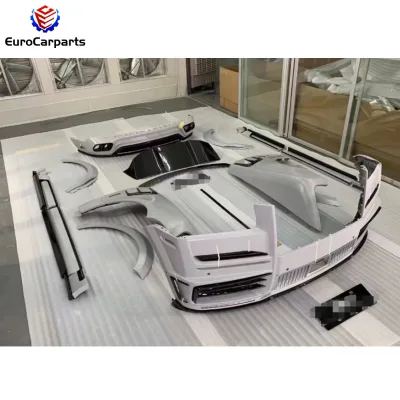
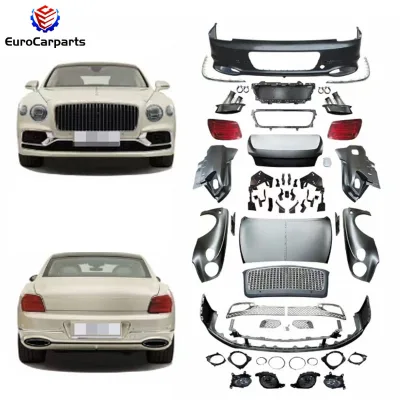
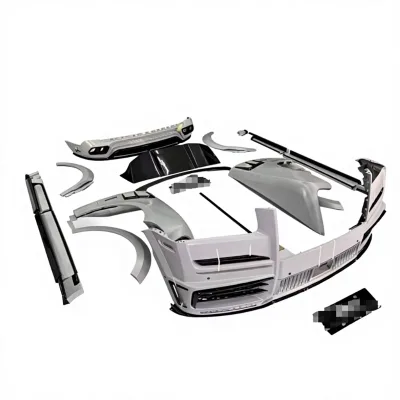
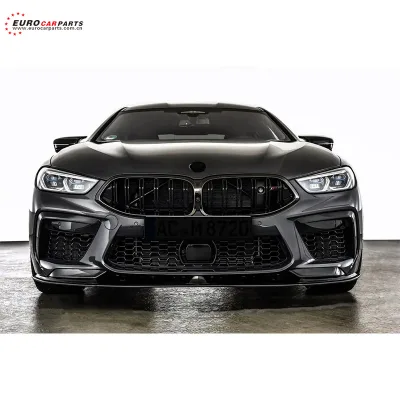
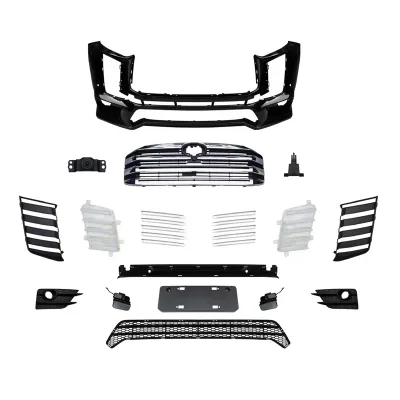
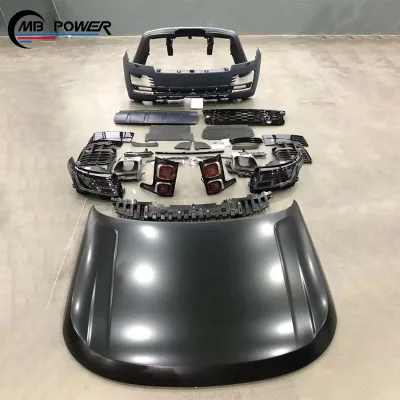
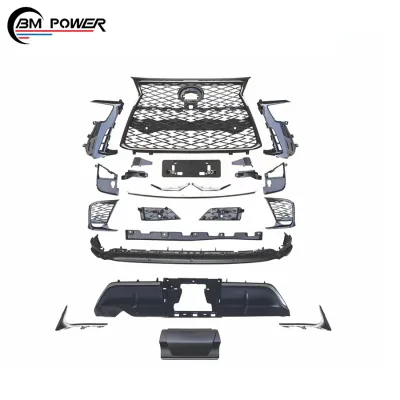
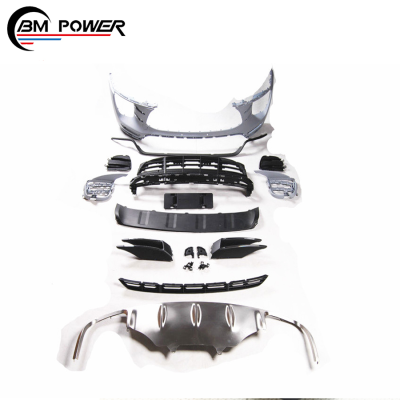
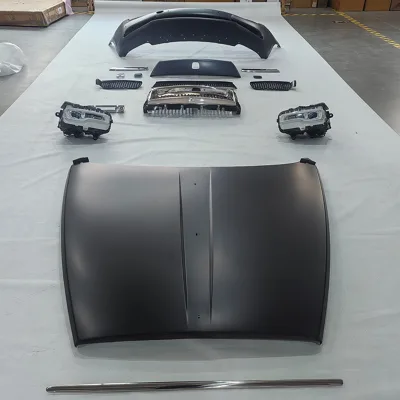
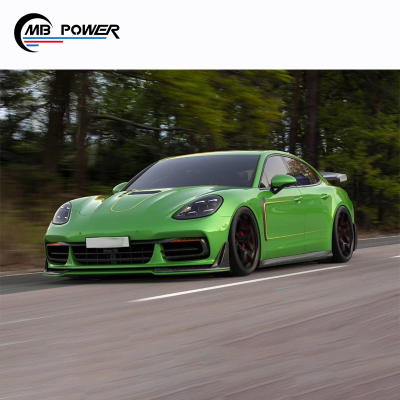
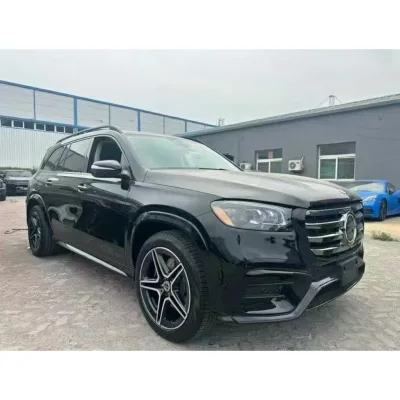


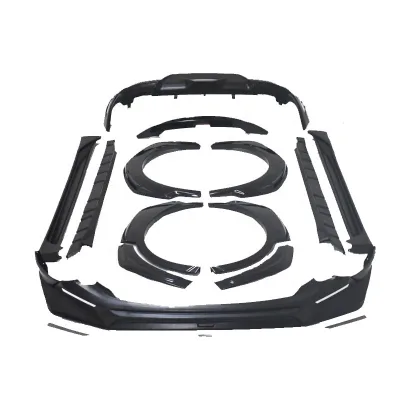


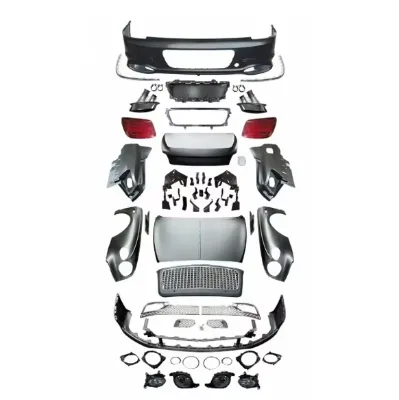

Comprehensive Sourcing Guide
Facelift Car Body Kit Sourcing Guide
Procuring facelift car body kits requires precise alignment between the buyer's vehicle specifications and the manufacturer's fitment data. The market offers specialized components designed for specific models, such as the Hilux Gr Sport, where the product attributes explicitly define the target application. Buyers must verify that the listed car make and model number match their inventory exactly, as universal fitment is not guaranteed for all listings. This specificity ensures that the upgrade or retrofit process proceeds without the need for extensive modification or custom fabrication, which can introduce unforeseen costs and delays.
The observed product range indicates a diverse selection of materials and styles, ranging from ABS plastic to reinforced beams, each serving distinct aesthetic and functional purposes. While some listings highlight a "High-Quality" standard and "Upgrade Facelift" styling, these attributes are observations of individual listings rather than universal guarantees for every supplier. Buyers should treat these claims as starting points for verification, ensuring that the material composition and finish meet the durability requirements of their specific market. Understanding these variations is essential for selecting the right component for a targeted vehicle upgrade project.
Product Scope and Observed Listing Signals
The current market signals reveal a clear segmentation based on vehicle compatibility and component type, with listings specifically targeting models like the Hilux and GLC. Buyers will encounter products labeled as "Front Bumper" or "Bumper Reinforcement Beam," indicating that the scope extends beyond simple cosmetic covers to include structural elements. The presence of "Standard Packaging" and specific dimensions, such as 190x90x60 cm, suggests that logistics planning must account for the physical volume of these kits. This variation in scope means that a single order might require coordination for multiple distinct parts to achieve a complete facelift transformation.
Observations of the product listings also highlight a mix of "New" condition items and specific retrofit purposes, distinguishing them from general replacement parts. The "Black" color option appears frequently, yet some suppliers offer "other" colors, requiring buyers to confirm availability before committing to a bulk order. The "Single item" selling unit suggests that some suppliers prefer individual transactions, while others may have different minimum order quantities. This diversity in listing signals necessitates a careful review of each product page to ensure the specific configuration matches the buyer's operational needs and vehicle fleet requirements.
Technical Specifications to Verify
Technical verification begins with confirming the exact model number and size specifications provided in the product data. Listings for the Hilux Gr Sport specify a "normal" size, while others for different applications list precise dimensions like 220x80x60 cm. Buyers must cross-reference these measurements with their vehicle's physical constraints to ensure proper clearance and alignment. The attachment type, noted as "Riveted" in some cases, further dictates the installation methodology and the tools required for a successful retrofit. Ignoring these specific technical details can lead to fitment failures that compromise the structural integrity of the vehicle.
Material composition is another critical technical parameter that varies significantly across the observed listings. While some products are constructed from ABS plastic, others utilize general plastic or reinforced beams, each offering different levels of impact resistance and flexibility. The "High-Quality" designation is an attribute of specific listings, but buyers should request material test reports to validate these claims independently. Additionally, the "Easy Installation" claim requires verification against the complexity of the vehicle's existing mounting points. Ensuring that the material and attachment method align with the intended use case is vital for long-term performance and safety.
Compliance and Safety Documentation
Safety documentation for automotive body kits often involves verifying that the materials meet regional impact and flammability standards, even if specific certification names are not explicitly listed in the product attributes. Buyers should request evidence that the ABS or plastic components used in the facelift kits comply with local vehicle modification regulations. The "High-Quality" and "New" condition claims imply a baseline of safety, but without third-party testing data, these remain unverified assertions. Procurement teams must ensure that the supplier can provide documentation confirming that the parts do not introduce hazardous materials or structural weaknesses to the vehicle.
Regulatory compliance also extends to the fitment accuracy and the potential impact on vehicle safety systems. Since some listings specify "100% Fitment," buyers must verify that this claim holds true for their specific vehicle year and trim level. The "Riveted" attachment type suggests a permanent modification, which may require inspection by local authorities to ensure it does not violate roadworthiness standards. Buyers should also confirm that the "Standard Packaging" protects the components during transit to prevent damage that could compromise safety upon installation. Proactive verification of these compliance aspects mitigates the risk of legal liabilities and ensures the vehicle remains road-legal.
Cost Drivers and Commercial Terms
Cost drivers in the facelift body kit market are heavily influenced by the minimum order quantity (MOQ) and the complexity of the component design. Observed MOQs range from 1 set to 150 sets, creating a significant variance in unit pricing and total investment required. Buyers with smaller fleets may face higher per-unit costs due to the "Single item" selling units, while larger orders might benefit from economies of scale. The "15-30 DAYS" delivery time also impacts cash flow and inventory planning, as longer lead times may necessitate higher safety stock levels to avoid production delays.
Commercial terms such as payment methods and warranty provisions further define the financial risk profile of the procurement. The "T/T" payment method is standard, but buyers should negotiate terms that align with their internal financial policies. The "6 Months" warranty offered by some suppliers provides a safety net against manufacturing defects, yet the scope of this coverage must be clearly defined. Additionally, the "24 Hours Online" service indicates a level of support that can reduce downtime during the installation phase. Understanding these commercial variables allows buyers to structure contracts that balance cost efficiency with risk management.
Supplier Qualification and Quality Control
Supplier qualification relies on verifying the manufacturer's experience and track record in producing automotive body kits. The "10 Years Experience" attribute suggests a level of maturity in the supply chain, but buyers should seek references or case studies to validate this claim. Quality control processes must be scrutinized to ensure that the "High-Quality" designation is backed by consistent manufacturing standards. Buyers should request samples to test the material strength, finish quality, and fitment accuracy before committing to a large-scale order. This due diligence is essential to prevent the receipt of substandard components that could damage the buyer's reputation.
The location of the manufacturer, such as Jiangsu or Guangdong in China, can influence logistics costs and communication efficiency. Buyers should assess the supplier's ability to maintain consistent quality across different production batches. The "Standard Packaging" and "Standard Package" labels indicate a baseline for protection, but specific handling instructions may be necessary for fragile components. Establishing a clear quality assurance protocol with the supplier, including pre-shipment inspections, ensures that the final delivered products meet the expected specifications. This proactive approach to supplier management minimizes the risk of receiving defective or non-compliant goods.
Long-Term Procurement Checks
Long-term procurement success depends on establishing a reliable supply chain that can support future vehicle upgrades and replacements. Buyers should monitor the supplier's ability to maintain consistent lead times, as the "15-30 DAYS" delivery window may fluctuate based on raw material availability. Regular audits of the supplier's production capacity and quality control measures ensure that the "High-Quality" standard is sustained over time. Building a long-term relationship with a qualified supplier can also facilitate better pricing and priority treatment during peak demand periods.
Continuous verification of product compatibility is crucial as vehicle models evolve and new facelifts are introduced. Buyers must stay informed about changes in the "Car Make" and "Model Number" specifications to ensure their inventory remains relevant. The "Upgrade Facelift" style may become obsolete if the market shifts toward different aesthetic trends, requiring a flexible procurement strategy. Regularly reviewing the "Warranty" terms and "Service" offerings ensures that the buyer continues to receive adequate support. By maintaining a dynamic approach to supplier management, buyers can adapt to market changes and sustain a competitive edge in their vehicle modification operations.
FAQs
What material is used for facelift car body kits?
The kits are primarily constructed from ABS plastic or general plastic materials. This choice ensures durability and resistance to impact during daily driving. The material selection supports the structural integrity of the bumper and reinforcement beams while maintaining a lightweight profile for the vehicle.
Can these body kits fit multiple car models?
Fitment depends on the specific product variant. Some items are universal fitment, while others are designed exclusively for specific makes like Hilux or GLC. Buyers must verify the car make and model number to ensure a 100% fitment or proper retrofitting without modification.
How long does delivery take for these kits?
Delivery times typically range from 14 to 30 days depending on the supplier and order specifics. Some vendors offer a standard 14-day delivery window, while others may require up to 30 days. Buyers should confirm the exact lead time with the manufacturer before placing orders.
What is the minimum order quantity for these kits?
The minimum order quantity varies by supplier, ranging from 1 set to 150 sets. Most standard listings accept a minimum of 1 set for single item purchases. Bulk buyers can negotiate higher volumes, but the baseline MOQ ensures flexibility for both small and large procurement needs.
What warranty is provided for the facelift kits?
A standard warranty of 6 months is commonly provided for these automotive parts. This coverage applies to defects in materials and workmanship under normal use. Buyers should retain proof of purchase and follow installation guidelines to maintain warranty validity for the bumper or body kit components.
Where are these body kits manufactured?
These products are manufactured in China, specifically in regions like Jiangsu and Guangdong. The origin indicates the supply chain location for production. Buyers sourcing from these areas benefit from established manufacturing infrastructure and experienced suppliers with years of industry presence in automotive parts production.