Source Fairy Themed Resin Cabochons for jewelry, keychains, and crafts
Explore 30 listings of Fairy Themed Resin Cabochons suitable for jewelry making, keychain creation, and scrapbook decoration. Buyers can compare specifications, prices, and customization options from verified suppliers offering OEM and ODM services.
Key considerations
Products List
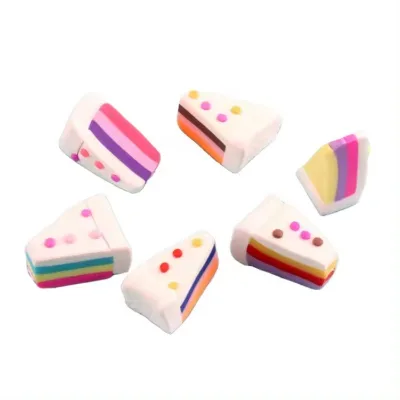
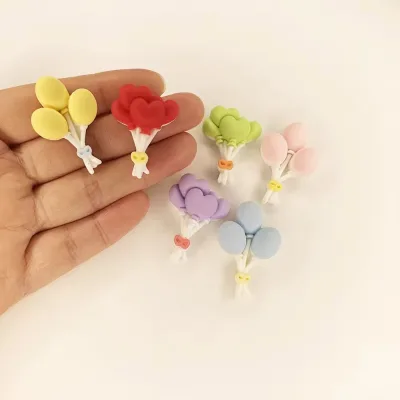
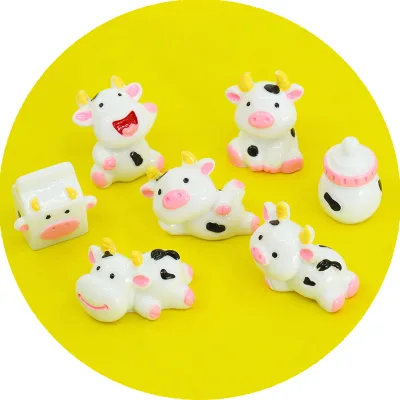
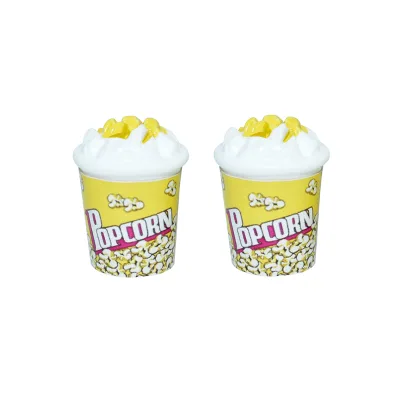
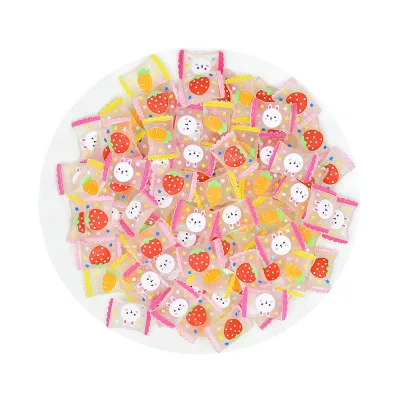
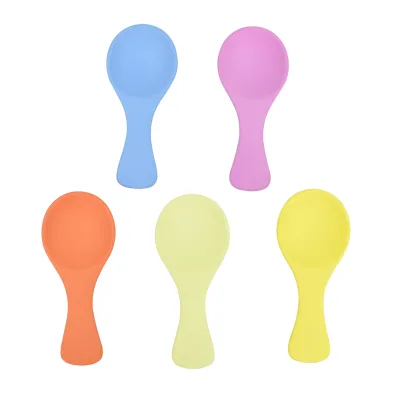
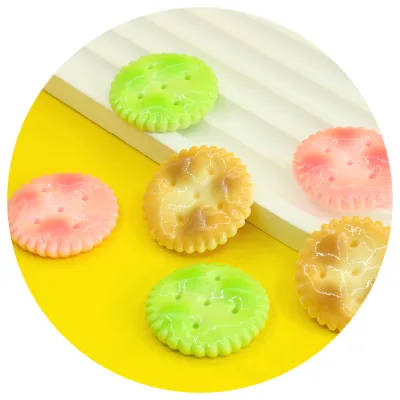
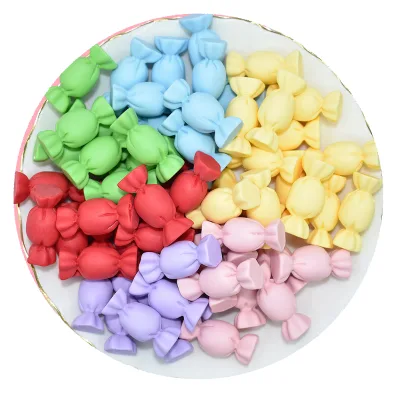

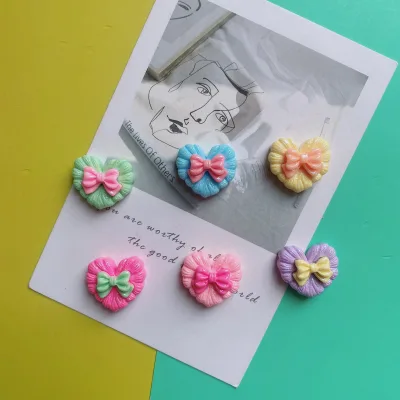

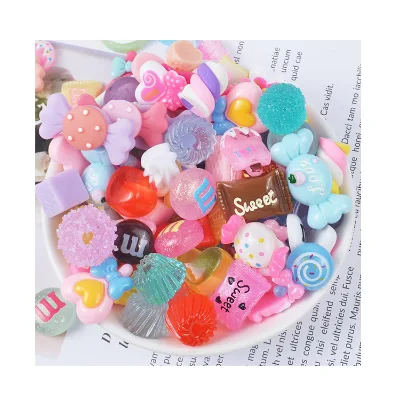
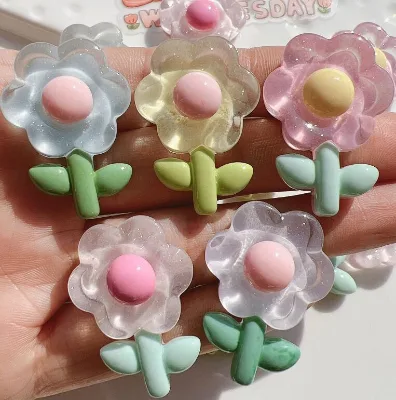
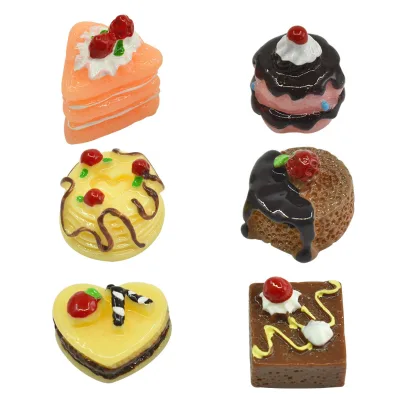
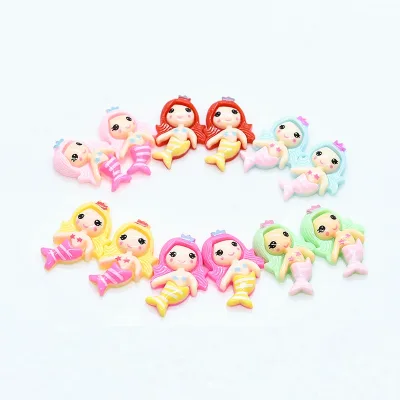
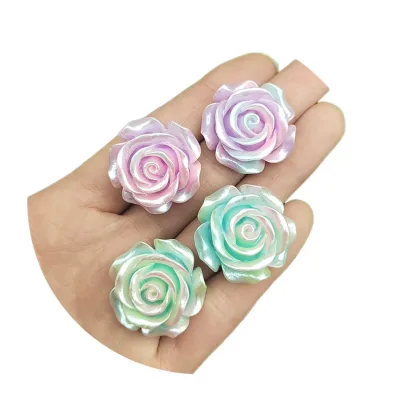
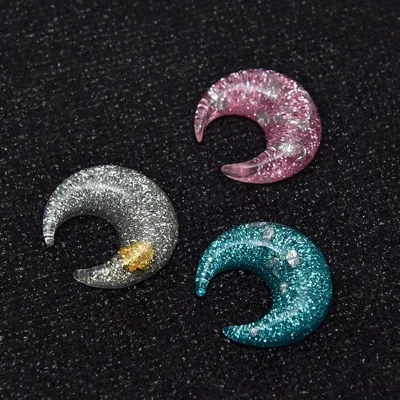
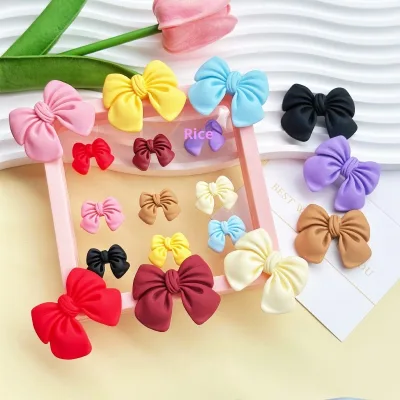



Comprehensive Sourcing Guide
Strategic Sourcing Guide for Fairy Themed Resin Cabochons
The global market for decorative resin components has expanded significantly, driven by the demand for customizable DIY accessories and unique craft materials. When sourcing Fairy Themed Resin Cabochons, buyers must navigate a landscape defined by specific material properties, diverse design applications, and rigorous supplier evaluation criteria. This guide provides a comprehensive framework for procurement professionals to identify high-quality products, verify technical specifications, and establish sustainable supply chains without relying on unverified claims or speculative data.
Understanding Material Composition and Physical Specifications
The foundation of any successful procurement strategy for resin cabochons lies in a precise understanding of the material composition and physical dimensions. The core material for these items is resin, a synthetic polymer that offers versatility in molding and finishing. Unlike glass or metal, resin allows for complex, intricate designs that are essential for fairy-themed aesthetics, such as delicate wings, translucent textures, and vibrant color gradients.
When evaluating potential products, buyers should focus on specific dimensional data. Standard resin cabochons often feature flat backs, which are critical for adhesion to various substrates. Typical dimensions observed in the market include sizes ranging from 13mm by 20mm to larger formats suitable for keychains or jewelry. The thickness is a crucial factor; standard profiles often measure around 0.3 cm, ensuring a low profile that does not interfere with the functionality of the final accessory.
Weight is another significant specification. Individual units typically weigh between 3.4 grams and 0.045 kilograms, depending on the size and density of the resin formulation. This light weight is advantageous for applications in mobile cases, hair clips, and jewelry, where heavy components could cause discomfort or structural failure. Buyers must verify that the supplier provides consistent weight data per unit, as variations can indicate inconsistent molding processes or the inclusion of fillers that alter the material's integrity.
Design Variations and Artistic Attributes
The "fairy" theme encompasses a broad spectrum of artistic interpretations, ranging from realistic botanical elements to stylized, kawaii-inspired characters. The design attributes of these cabochons are often defined by specific motifs such as wings, floral patterns, and whimsical character features. The surface finish is equally important; many high-quality resin cabochons utilize a hand-painting craft to achieve detailed coloration. This manual intervention ensures that each piece has unique color variations, which can be a selling point for boutique markets but requires careful quality control to maintain consistency across large orders.
Color palettes for fairy-themed items often include mixtures of pastel tones, metallic accents, and translucent effects. While some suppliers offer specific color codes (e.g., 1#, 2#, 3#), others provide a "mix" of colors to suit diverse customer preferences. The style of the product is a key differentiator; options range from "cute style" and "lovely style" to more "artificial" or stylized representations. Buyers should request physical samples to verify that the color saturation and paint application meet their brand standards, as digital images can often misrepresent the true texture and finish of the resin.
Technical Applications and Usage Scenarios
Resin cabochons are highly versatile components used across multiple industries. The primary usage categories include jewelry making, keychain production, and mobile case decoration. The flatback design allows these items to be easily adhered to surfaces using epoxy resin, hot glue, or specialized adhesives. In the jewelry sector, they serve as focal points for earrings, pendants, and bracelets. For keychains and mobile cases, the durability of the resin is paramount, as these items are subject to frequent handling and potential impact.
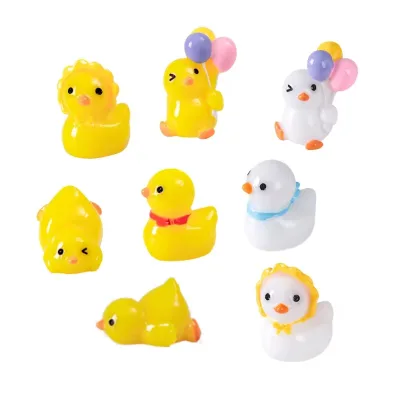
Beyond personal accessories, these cabochons are utilized in home decoration and scrapbooking. Their application in DIY toys and props suggests a growing market for educational and recreational crafting materials. The ability to customize these items through OEM (Original Equipment Manufacturer) and ODM (Original Design Manufacturer) services allows brands to create exclusive fairy-themed collections. Suppliers that accept customization can produce specific designs, such as fairies with turbans, bows, or scarves, tailored to specific seasonal trends or marketing campaigns.
Cost Drivers and Pricing Structures
The pricing of resin cabochons is influenced by several factors, including material costs, labor intensity, and order volume. The observed price range in the market can vary significantly, from as low as $0.02 to nearly $9.81 per unit, depending on the complexity of the design and the quantity ordered. The "hand painting craft" attribute is a major cost driver; items requiring manual detailing will command a higher price point than mass-produced, injection-molded pieces with uniform coloring.
Minimum Order Quantity (MOQ) is another critical cost determinant. Suppliers may set MOQs ranging from 1 piece for sampling to 3,000 pieces for bulk production. Lower MOQs, such as 50 or 100 pieces per bag, are common for custom designs or small-batch orders, allowing buyers to test the market with reduced financial risk. However, higher volumes typically result in a lower unit cost due to economies of scale in molding and packaging. Buyers should also consider the cost of packaging, which often includes OPP bags and carton packing to protect the fragile resin items during transit.
Supplier Evaluation and Operational Capabilities
Selecting the right supplier requires a thorough evaluation of their operational capabilities and business practices. Key indicators of a reliable supplier include their willingness to accept OEM and ODM requests, their sample policies, and their payment terms. Many suppliers offer free samples to allow buyers to assess quality before committing to a large order. This practice is essential for verifying the "hand painting" quality and the accuracy of the fairy-themed designs.
Payment terms are another area of scrutiny. Standard methods include T/T (Telegraphic Transfer), Western Union, PayPal, and Credit Card. Buyers should ensure that the payment terms align with their company's financial policies and risk management strategies. Additionally, the supplier's location and lead times are vital for supply chain planning. While the place of origin for many resin products is Hebei, China, buyers must verify the specific delivery time, which can range from 7 to 15 days. This lead time must be factored into inventory planning to prevent stockouts.
Quality Control and Compliance Verification
Quality control is paramount when dealing with resin products, as the material can be susceptible to defects such as air bubbles, uneven coloring, or weak adhesion. Buyers should implement a rigorous inspection process that includes visual checks for surface imperfections and dimensional verification against the provided specifications. The single gross weight and package size data provided by the supplier should be cross-referenced with physical receipts to ensure consistency.
Compliance and certification checks are also necessary, particularly for products intended for children or sensitive applications. While specific certification data may not be explicitly listed in all product descriptions, buyers must request documentation regarding safety standards, such as REACH or CPSIA compliance, to ensure the resin and paints used are non-toxic. The "Artificial" style and "Kawaii" design elements do not exempt the product from safety regulations; the materials must be safe for contact with skin and hair. Buyers should verify that the supplier can provide test reports or certificates of analysis upon request.
Long-Term Procurement Considerations
Establishing a long-term relationship with a supplier involves more than just securing a one-time order. Buyers should consider the supplier's capacity for scalability and their ability to maintain consistent quality over time. The ability to support customization is a significant advantage for brands looking to differentiate their product lines. Suppliers that offer flexible MOQs and responsive communication are better positioned to adapt to changing market demands.
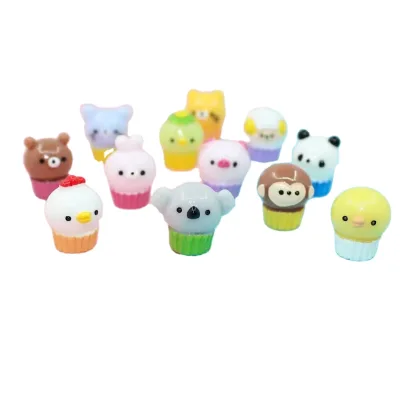
Sustainability and packaging are also becoming increasingly important. The use of OPP bags and carton packing is standard, but buyers should inquire about the recyclability of these materials and the supplier's efforts to minimize waste. Furthermore, the "mix" color options and the variety of designs available (such as pig, panda, chicken, koala, cat, monkey, sheep, bear, cock, rabbit, mouse) indicate a broad inventory that can support diverse product strategies. Buyers should maintain open lines of communication regarding new design trends and potential supply chain disruptions to ensure a steady flow of Fairy Themed Resin Cabochons.
Comparative Analysis of Product Attributes
To facilitate decision-making, the following table summarizes key attributes observed in the market for resin cabochons. This comparison helps buyers identify the specific features that align with their sourcing requirements.
| Attribute Category | Observation A | Observation B | Observation C |
|---|---|---|---|
| Material | Resin | Resin | Resin |
| Product Type | Figurine | Model | Cabochon |
| Style | Cute / Lovely | Kawaii | Artificial |
| Size Range | 13mm x 20mm | 3X3X0.3 cm | Photo shown |
| Weight | ~3.4g/pc | 0.003 kg | 0.045 kg |
| MOQ | 50 Pieces | 100 pcs/bag | 1-3000 |
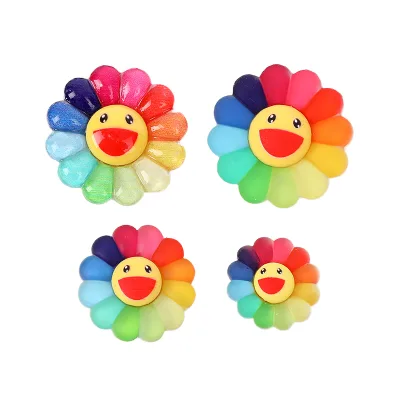
| Design | Fairy motifs | Duck with turban | Flower pattern |
| Color Options | Mix / Specific codes | 1#-6# | 1-7 |
| Packaging | OPP Bag + Carton | Single item | Batch packing |
| Lead Time | 7-15 Days | Variable | Variable |
This table highlights the variability in specifications that buyers must navigate. While the material remains consistent, the dimensions, weights, and MOQs differ significantly between product lines. Buyers should use this data to create a checklist for their specific needs, ensuring that the selected supplier can meet the precise requirements of their fairy themed resin cabochon project. By adhering to these guidelines, procurement professionals can secure high-quality products that meet both aesthetic and functional standards while maintaining a robust and reliable supply chain.
FAQs
What materials are used for Fairy Themed Resin Cabochons?
The core material is resin, a synthetic polymer allowing for intricate designs. These items often feature hand-painting craft for detailed coloration and come in various styles like cute or kawaii.
Can I customize the design of these resin cabochons?
Yes, OEM and ODM services are warmly accepted for customization. Suppliers support specific design requests such as unique colors, patterns, or character features like ducks with turbans.
What are the typical dimensions for these resin pieces?
Standard sizes range from 13mm by 20mm to 3cm by 3cm with a thickness of 0.3 cm. Individual package sizes vary, often measuring around 13x8x9 cm for larger units.
How much does a single resin cabochon weigh?
Individual units typically weigh between 3.4 grams and 0.045 kilograms depending on the specific model. This lightweight profile makes them suitable for mobile cases and jewelry applications.
What is the minimum order quantity for these products?
MOQs vary significantly, ranging from 1 piece for sampling to 3000 pieces for bulk orders. Some specific items require a minimum of 50 or 100 pieces per bag.
Where are these resin cabochons manufactured?
The place of origin is Hebei, China, with a regional feature noted as Europe for certain styles. Delivery times typically range from 7 to 15 days after order confirmation.
What payment methods are accepted for these orders?
Accepted payment methods include T/T, Western Union, PayPal, and Credit Card. Buyers should verify specific terms with the supplier before finalizing the transaction.