Source Fall Arrest Safety Harness for Construction, Rescue, and Climbing
Find and compare 30 Fall Arrest Safety Harness options from verified suppliers. Evaluate key specifications such as CE and ISO certifications, energy absorber types, and load capacities to select the right personal protective equipment for industrial and outdoor applications.
Key considerations
Products List





Comprehensive Sourcing Guide
Fall Arrest Safety Harness Sourcing Guide
Procuring fall arrest safety harnesses requires a disciplined approach that balances strict regulatory compliance with operational practicality. These personal protective equipment (PPE) items are critical for worker safety in high-risk environments, serving as the primary interface between the employee and the anchor point. Buyers must recognize that a harness is not merely a piece of fabric but a complex system of straps, buckles, and energy-absorbing components designed to distribute impact forces across the body during a fall. The sourcing process begins with a clear definition of the intended use case, whether it involves general fall arrest, work positioning, or rescue operations, as each scenario demands specific configuration and certification standards.
The global market for these products is diverse, with manufacturers primarily located in regions such as China and Taiwan, offering a wide range of options from standard universal models to fully customized solutions. Sourcing decisions should be driven by the need for verified certifications, such as CE, ISO, and ANSI, which ensure that the equipment meets recognized safety benchmarks. Buyers must also consider the material composition, typically polyester webbing for durability and nylon for rope components, as these materials directly influence the harness’s lifespan, abrasion resistance, and performance under varying environmental conditions.
Product Scope and Observed Listing Signals
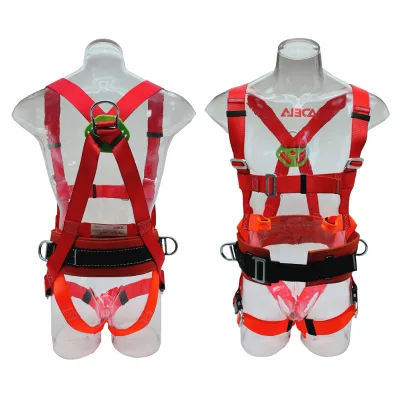
The current market landscape for fall arrest harnesses reveals a broad spectrum of product configurations, ranging from basic four-point designs to advanced systems with padded adjustable straps for back, chest, and leg support. Observed listings indicate that many suppliers offer customization options, allowing buyers to tailor harnesses to specific ergonomic needs or corporate branding requirements. The typical weight of these harnesses falls within the 1.2 to 1.8 kg range, which is crucial for worker comfort during extended periods of wear, although some lighter or heavier variants exist depending on the inclusion of additional features like tool loops or reinforced stitching.
Listing signals also highlight the importance of attachment points, with most professional-grade harnesses featuring two to three D-ring hooks positioned at the dorsal, lateral, and front chest locations. These attachment points are essential for connecting lanyards and self-retracting lifelines, ensuring that the harness can be used for both fall arrest and work positioning. Additionally, the waist and chest strap widths are standardized, often measuring 45 mm and 25-30 mm respectively, to provide adequate surface area for force distribution while maintaining a secure fit for users with varying body sizes.
Technical Specifications to Verify
When evaluating technical specifications, buyers must prioritize the load capacity and strength ratings of the harness components. Trusted category knowledge and observed data suggest that these harnesses are generally designed for users weighing between 140 and 200 kg, with a universal adult limit of up to 150 kg in some standard models. It is imperative to verify that the webbing and stitching can withstand forces of at least 23 kN to 25 kN, as this strength threshold is critical for safely arresting a fall and minimizing injury to the wearer. Buyers should also check the temperature range, ensuring the materials remain functional in environments ranging from -20°C to 60°C, which covers most industrial and outdoor construction scenarios.
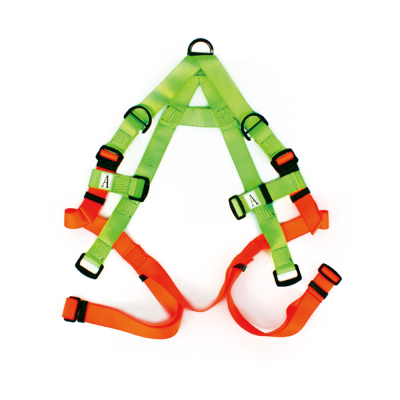
The physical dimensions and adjustability of the harness are equally important for ensuring a proper fit and effective protection. Specifications such as strap width and the availability of adjustable leg buckles and chest support straps must be confirmed to ensure the harness can accommodate different body types securely. Furthermore, the type of energy absorber, whether it is a shock-absorbing lanyard integrated into the system or a separate component, should be clearly defined. Buyers should also verify the fixed mode of the harness, with four-point configurations being common for stability, and ensure that the overall design supports the specific activities of the workforce, such as construction, rescue, or rock climbing.
Compliance and Safety Documentation
Compliance with international and regional safety standards is non-negotiable when sourcing fall arrest equipment. Buyers must insist on documentation that verifies adherence to standards such as EN 361 for full body harnesses, EN 358 for work positioning and restraint, and ANSI standards for the North American market. Certifications like CE, ISO, and GS are frequently cited in product listings, but buyers must validate these claims by requesting valid certificates from accredited testing bodies. The presence of specific certification numbers, such as CE 0598, provides a traceable link to the conformity assessment process, ensuring that the product has undergone rigorous testing and quality control.
In addition to certification documents, buyers should request detailed user manuals and maintenance guidelines that outline proper inspection procedures and service life limits. These documents are essential for ensuring that the harness is used correctly and maintained in optimal condition. Buyers must also verify that the product labeling includes all necessary information, including the manufacturer’s details, model number, size, and date of manufacture. This transparency is crucial for tracking the product’s history and ensuring that it meets the legal requirements of the destination market, particularly when importing from regions like China or Taiwan.
Cost Drivers and Commercial Terms
The cost of fall arrest harnesses is influenced by several factors, including the complexity of the design, the quality of materials used, and the level of customization required. Observed price ranges vary significantly, from as low as $0.20 for basic components to over $120 for fully equipped, certified systems with advanced features. Buyers should understand that lower prices may correlate with reduced durability or fewer safety features, so it is essential to balance cost with the required safety standards. Minimum order quantities (MOQs) typically range from 1 to 1000 units, allowing for flexibility in procurement, but larger orders may offer better economies of scale.
Commercial terms such as lead times and packaging details also play a significant role in the total cost of ownership. Standard delivery times are often cited as 15-30 days after confirmation, which buyers must factor into their project planning. Packaging is usually designed to protect the harness during transit, with options including carton and pallet packaging or individual PP bags. Buyers should negotiate clear terms regarding shipping responsibilities, insurance, and return policies to mitigate risks associated with damaged or non-conforming goods. Understanding these commercial dynamics helps in budgeting accurately and avoiding unexpected expenses during the procurement process.
Supplier Qualification and Quality Control
Selecting a reliable supplier is critical to ensuring the safety and reliability of the fall arrest harnesses. Buyers should prioritize suppliers who have a proven track record of producing certified PPE and who are transparent about their manufacturing processes. Verification of the supplier’s quality management systems, such as ISO certification, is a key step in this evaluation. Additionally, buyers should assess the supplier’s ability to provide consistent product quality, which can be gauged through sample orders and third-party inspections. Suppliers located in Shandong or Taiwan, for example, may have established reputations in the industry, but this should be validated through direct engagement and reference checks.
Quality control measures should be integrated into the procurement process to ensure that the delivered products meet the specified standards. Buyers should request pre-shipment inspections to verify that the harnesses match the approved samples in terms of material, stitching, and hardware. It is also important to establish clear communication channels with the supplier to address any issues that may arise during production or delivery. By implementing robust quality control protocols, buyers can minimize the risk of receiving substandard products and ensure that their workforce is protected by reliable equipment.
Long-Term Procurement Checks
Long-term procurement success depends on continuous monitoring of supplier performance and product quality. Buyers should establish a regular review process to assess the reliability of their suppliers, including their ability to meet delivery schedules and maintain consistent quality levels. This review should also include feedback from end-users regarding the comfort and functionality of the harnesses, as this information can drive future purchasing decisions. Additionally, buyers should stay informed about changes in safety standards and regulations, ensuring that their procurement practices remain compliant with the latest requirements.
Regular audits of the inventory and usage patterns of the harnesses are also essential for maintaining a safe working environment. Buyers should implement a system for tracking the service life of each harness, including inspection records and retirement dates, to prevent the use of expired or damaged equipment. By maintaining a proactive approach to procurement and safety management, buyers can ensure that their workforce is protected by high-quality, compliant fall arrest harnesses throughout their lifecycle. This long-term perspective helps in building a sustainable and safe operational framework for high-risk industries.
FAQs
What certifications do fall arrest safety harnesses typically have?
Most fall arrest safety harnesses carry CE and ISO certifications to ensure compliance with international safety standards. Some models also meet specific regional requirements such as EN361, EN358, or ANSI standards. These certifications verify that the equipment has undergone rigorous testing for strength and durability, providing reliable protection for workers in construction, rescue, and climbing scenarios.
How much weight can a standard fall arrest harness support?
Standard fall arrest harnesses generally support a load capacity between 140 and 200 kilograms. The structural strength of the webbing and hardware often exceeds 23kN to 25kN, ensuring safety during sudden stops. This capacity accommodates most adult users, including those wearing additional protective gear, while maintaining the integrity of the dorsal and lateral attachment points during fall arrest events.
Can fall arrest harnesses be customized for specific needs?
Yes, many manufacturers offer customization options for fall arrest harnesses to suit specific industrial requirements. Buyers can request adjustments in strap width, buckle types, or attachment configurations such as four-point or full-body designs. Custom branding and packaging are also available, allowing companies to tailor the product for better visibility and ergonomic fit across different work environments and user preferences.
What is the typical delivery time for safety harness orders?
The typical delivery time for safety harness orders is 15 to 30 days after the order is confirmed. This timeframe allows for production, quality control, and packaging processes. Buyers should account for this lead time when planning procurement schedules, especially for large orders or customized specifications that may require additional manufacturing steps before shipment from the origin location.
How are fall arrest harnesses packaged for shipping?
Fall arrest harnesses are typically packaged in individual PP bags or cartons to protect the material from moisture and damage. For bulk shipments, these cartons are then stacked on pallets to facilitate efficient handling and storage. This packaging method ensures that the harnesses remain clean and undamaged during transit, preserving their high durability and abrasion resistance until they reach the end user.
What materials are used in fall arrest safety belts?
Fall arrest safety belts and harnesses are primarily constructed from high-strength polyester webbing, which offers excellent durability and resistance to abrasion. Some components, such as safety ropes, may utilize nylon for enhanced flexibility and shock absorption. These materials are selected for their ability to withstand harsh environmental conditions, including temperature ranges from -20°C to 60°C, ensuring consistent performance in various work settings.