Source Family Car Electric SUV for Commuting, Travel, and Daily Use
Explore 30 listings of Family Car Electric SUV models with varying ranges, battery capacities, and dimensions. Compare specifications like motor power, seating, and charging times to find the right vehicle for your needs; compare the available evidence and request quotations based on your requirements.
Key considerations
Products List


New Cars Electric Family Electric Automobile Car EV Car High Speed Electric Cars
$35700.00 - $36100.00
MOQ: 1 Pieces

Automobile Electric Vehicles Family Car Luxury Car in Electric Version New Cars
$29780.00 - $29980.00
MOQ: 1 Pieces

Electric Powered Family Drive SUV Car with 7 Seats High Speed Long Nedc Range Car
$35700.00 - $36100.00
MOQ: 1 Pieces


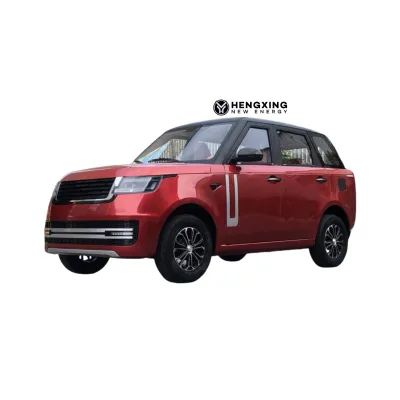

Electric Vehicles High Speed EV Car Family Car Electric Cars Adults Vehicle
$12000.00 - $20000.00
MOQ: 1 Sets


Energy Electric Vehicle Motors Car Automobile Cars Made in China Car SUV Electric
$12000.00 - $20000.00
MOQ: 1 Sets


Five Seater Family SUV with Electric Seat Adjustment DC Charging Electric Car
$16600.00 - $17000.00
MOQ: 3 units

4-Wheel Family Electric Vehicle with Battery, New Energy Car From Manufacturer
$2399.00 - $2499.00
MOQ: 9 Pieces


SUV Electric Carelectric Car Electric Car SUV Electric Car Low Speed Cars
$4080.00 - $4300.00
MOQ: 4 Pieces


Brand New EV Pure Electric Car Over Electric Car SUV New Energy Electric Car
$2500.00 - $3100.00
MOQ: 1 Pieces


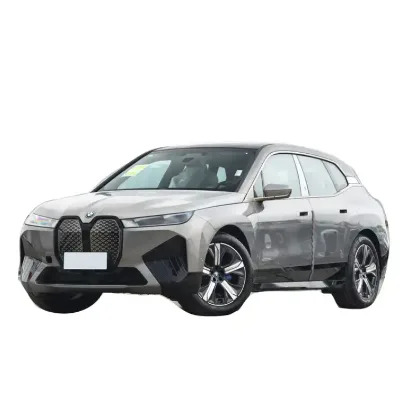
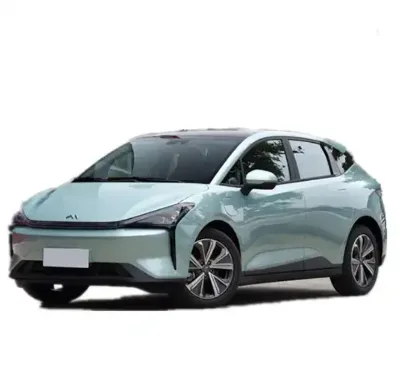


$1700.00 - $1800.00
MOQ: 1 Pieces


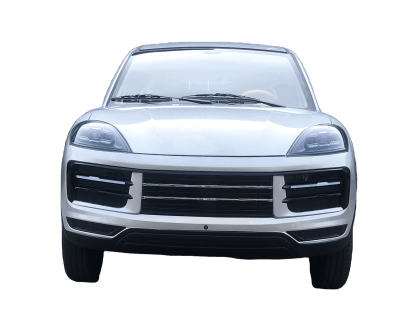
Comprehensive Sourcing Guide
Family Car Electric SUV Sourcing Guide
Sourcing electric SUVs for family use requires balancing range, safety, and spatial efficiency. Buyers must evaluate vehicle dimensions and battery capacity to ensure suitability for daily commutes and weekend trips. The observed market includes models with wheelbases ranging from 2765mm to 2965mm, indicating varying interior volumes. Larger wheelbases generally correlate with enhanced rear-seat comfort, a critical factor for family transport. Procurement teams should prioritize vehicles that offer sufficient cargo space alongside passenger accommodation.
Price points in the current listings span from $1,700 to $200,000, reflecting a wide spectrum of quality and capability. Lower-priced options may target specific regional markets or offer reduced specifications, while higher-tier models provide advanced features and longer ranges. Understanding this variance is essential for budget alignment. Buyers should correlate price with technical specifications such as motor power and battery type to avoid under-specifying their fleet. A clear definition of operational needs prevents costly mismatches between procurement costs and actual utility.
Product Scope and Observed Listing Signals
The current product landscape features distinct body types, including open and closed configurations, which dictate usage scenarios. Most listings highlight SUV body structures, emphasizing versatility and ground clearance. Observed dimensions vary significantly, with sizes like 459218521629mm and 487618481680mm representing different class segments. Buyers must verify these external measurements against their parking infrastructure and garage constraints. The presence of 20-inch rims in some models suggests a focus on aesthetics and handling, which may impact ride comfort and tire maintenance costs.
Model designations such as ID. 4 CROZZ PRO and ID. 6 X PURE+ indicate specific manufacturer lineups. These identifiers help in tracking supply chain consistency and parts availability. Some listings also include smaller, low-speed electric vehicles with max speeds of 60km/h, which serve niche applications rather than primary family transport. Distinguishing between high-performance BEVs and low-speed utility vehicles is crucial. Procurement strategies should filter listings based on maximum speed and drive mode to ensure the selected vehicles meet regulatory and practical requirements for family use.
Technical Specifications to Verify
Motor performance and battery technology are primary determinants of vehicle capability. Observed specifications include maximum motor powers of 150kw and torques of 310 N.M, suitable for dynamic driving conditions. Battery types listed as Ternary Lithium offer high energy density, supporting ranges up to 550km. Buyers must verify these figures against real-world testing data, as advertised ranges often differ from actual performance. The drive mode, typically rear-wheel drive in these listings, influences traction and stability, particularly in adverse weather conditions.
Transmission and speed capabilities also require scrutiny. Single-speed transmissions are common in electric SUVs, simplifying maintenance but requiring careful gear ratio selection. Maximum speeds of 160km/h indicate highway-capable vehicles, whereas 60km/h models are restricted to local roads. Voltage systems, such as 72v in some entries, suggest different electrical architectures. Buyers should confirm compatibility with local charging infrastructure and grid standards. Additionally, curb weights ranging from 2120kg to 2293kg affect braking distances and tire wear, influencing long-term operational costs.
Compliance and Safety Documentation
Certification status is a non-negotiable aspect of international procurement. CE certification is observed in several listings, indicating adherence to European safety and environmental standards. Buyers must verify that all imported vehicles hold valid certifications for their destination markets, as regulatory requirements vary significantly. Documentation should include type approval certificates, homology papers, and safety test results. Without proper compliance, vehicles may be seized at customs or prohibited from registration, leading to substantial financial losses.
Safety features extend beyond certifications to include structural integrity and occupant protection. The presence of front seatbelt indicators and specific body structures suggests attention to basic safety protocols. Buyers should request detailed safety reports, including crash test ratings and pedestrian protection assessments. For family cars, features like child seat anchors and advanced driver assistance systems are valuable additions. Verifying the completeness of safety documentation ensures that the vehicles provide adequate protection for all occupants, reducing liability and enhancing brand reputation.
Cost Drivers and Commercial Terms
Pricing structures are influenced by battery capacity, motor power, and included features. Listings show a broad range, with some models priced around $1,700 and others exceeding $20,000. These differences reflect variations in technology, brand value, and production scale. Buyers should analyze the cost per kilowatt-hour of battery capacity to assess value efficiency. Higher-priced models may offer superior range and faster charging, which can reduce total cost of ownership through increased utility and lower energy costs per mile.
Minimum Order Quantities (MOQ) and payment terms also impact procurement strategy. Observed MOQs range from 1 to 9 units, offering flexibility for small-scale buyers. However, larger orders may unlock volume discounts and preferential shipping rates. Buyers should negotiate clear terms regarding warranty coverage, spare parts availability, and after-sales support. Understanding the total landed cost, including tariffs, shipping, and local registration fees, is essential for accurate budgeting. Transparent commercial terms prevent unexpected expenses and ensure a smooth transaction process.
Supplier Qualification and Quality Control
Supplier verification is critical to mitigate risks associated with electric vehicle procurement. Buyers should assess suppliers based on their manufacturing capabilities, quality management systems, and track record. Origin locations, such as China and Shandong, provide context for supply chain logistics but do not guarantee quality. Due diligence should include factory audits, review of production lines, and evaluation of quality control processes. Suppliers with established reputations and transparent operations are more likely to deliver consistent product quality.
Quality control measures should extend to incoming inspection and pre-delivery checks. Buyers must define clear acceptance criteria for vehicle condition, including battery health, motor performance, and cosmetic integrity. Implementing a robust inspection protocol helps identify defects early, reducing the risk of receiving non-conforming goods. Collaboration with third-party inspection agencies can provide objective assessments of product quality. Establishing a strong relationship with suppliers based on mutual trust and clear communication facilitates smoother problem resolution and continuous improvement.
Long-Term Procurement Checks
Sustainable sourcing requires monitoring supplier performance and product reliability over time. Buyers should establish key performance indicators (KPIs) to track delivery times, defect rates, and customer satisfaction. Regular reviews of these metrics help identify potential issues before they escalate. Maintaining open lines of communication with suppliers ensures that any changes in product specifications or supply chain conditions are promptly addressed. Proactive management of supplier relationships supports long-term stability and reliability.
Technological advancements in electric vehicles necessitate ongoing evaluation of product relevance. Buyers should stay informed about emerging trends in battery technology, charging infrastructure, and regulatory changes. Periodic reassessment of procurement strategies ensures that the fleet remains competitive and compliant. Investing in training for maintenance and operational staff enhances the longevity and efficiency of the vehicles. By focusing on continuous improvement and adaptability, buyers can maximize the value of their electric SUV investments and support sustainable mobility solutions.
FAQs
What are the dimensions of the ID.4 CROZZ PRO Family Car Electric SUV?
The ID.4 CROZZ PRO measures 4592 by 1852 by 1629 millimeters with a wheelbase of 2765 millimeters. This compact SUV body structure offers a curb weight of 2120 kilograms. It features a 20-inch rim size and a single-speed transmission for electric vehicles. The rear drive configuration supports a maximum speed of 160 kilometers per hour for urban and highway driving.
How much battery capacity does the ID.6 X PURE+ electric SUV have?
The ID.6 X PURE+ is equipped with an 84.8 kilowatt-hour ternary lithium battery. This power source enables a maximum cruising range of 550 kilometers. The vehicle measures 4876 by 1848 by 1680 millimeters with a 2965 millimeter wheelbase. It has a curb weight of 2280 kilograms and utilizes a permanent magnet synchronous motor for efficient energy consumption.
What is the maximum speed of the Hengxing 4 Wheel Electric Car?
The Hengxing 4 Wheel Electric Car has a maximum speed of 60 kilometers per hour. It operates on a 72-volt system and features a 3500-watt motor. The vehicle is a 5-door SUV with a curb weight of 2293 kilograms. It measures 4612 by 1852 by 1640 millimeters and includes a single-speed transmission for electric vehicles.
Which electric SUV models are available with CE certification from China?
Several models including the ID.4 CROZZ PRO and ID.6 X PURE+ carry CE certification. These vehicles originate from China and are designed as Family Car Electric SUV options. The ID.4 CROZZ PRO offers a 550km range, while the ID.6 X PURE+ provides a larger 4876mm length. Both utilize permanent magnet synchronous motors and rear drive configurations.
Can the Hengxing electric car be customized in color for family use?
Yes, the Hengxing 4 Wheel Electric Car offers customized color options. This 5-seater SUV is designed for family transportation with a 3900mm length. It features a charging time of 8 to 10 hours and uses 195/70R14 tires. The vehicle provides a practical solution for short-range urban travel with its compact body structure and 60km/h top speed.
What is the curb weight of the ID.6 CROZZ PURE+ model?
The ID.6 CROZZ PURE+ has a curb weight of 2293 kilograms. This model features a rear drive mode and measures 4891 by 1848 by 1679 millimeters. It is part of the ID.6 series designed for family use. The vehicle utilizes a ternary lithium battery and permanent magnet synchronous motor technology for reliable performance.