Source Fanuc Robot Teach Pendant for Industrial Automation
Explore 30 Fanuc Robot Teach Pendant listings to compare key specifications, pricing tiers, and warranty terms. Evaluate options from global suppliers to find the ideal control interface for your specific industrial automation requirements and ensure seamless integration with your existing robotic systems.
Key considerations
Products List
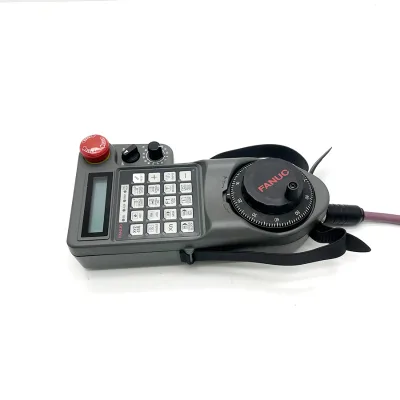
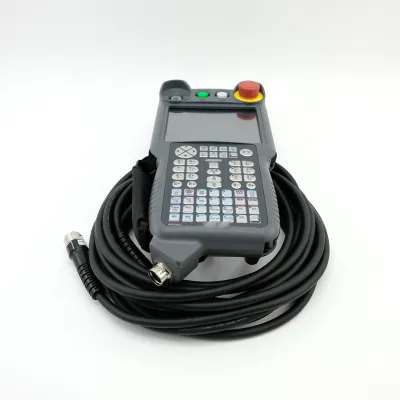
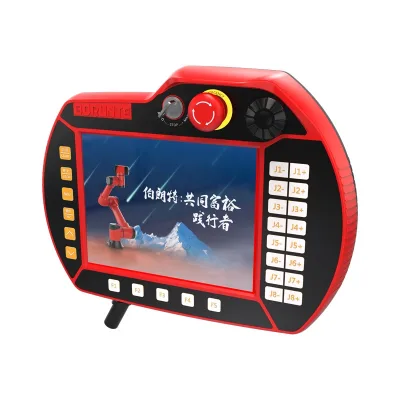
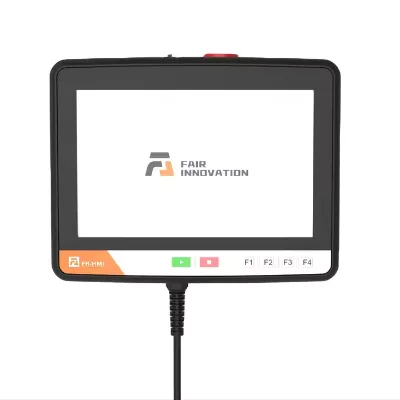
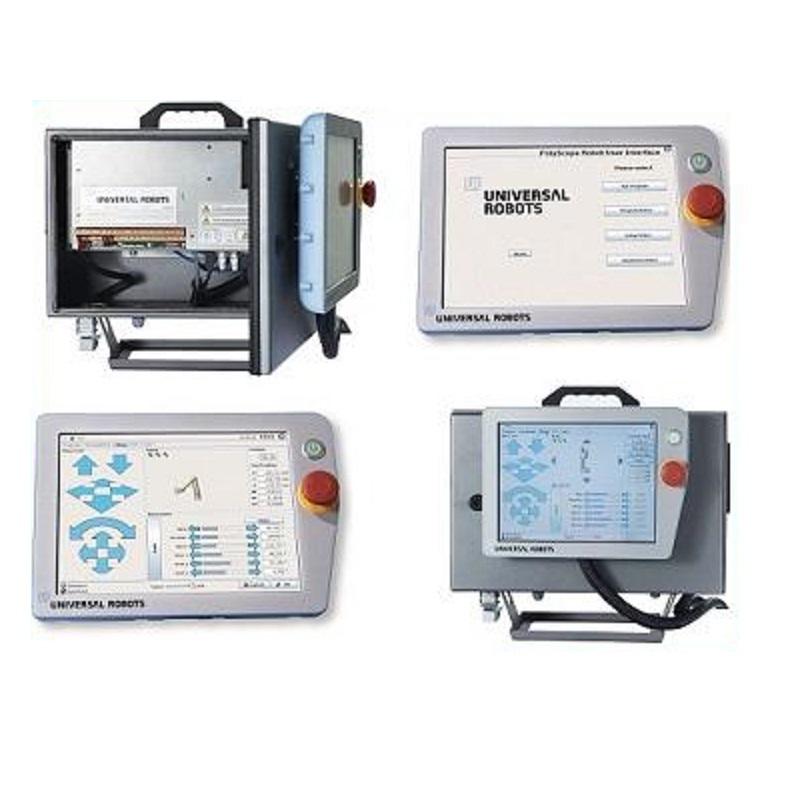
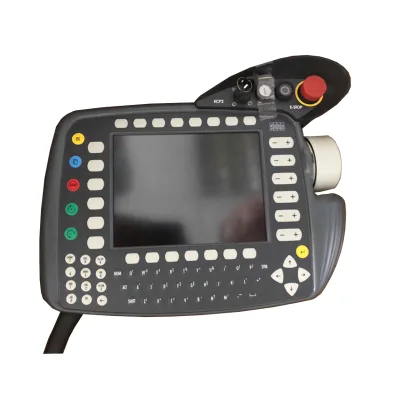
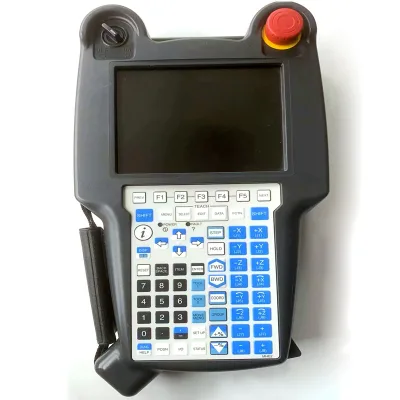

Robot Arm, Gearbox, Teach Pendant, Connector, Power Cable and So on Maintenance Parts
$10000.00 - $100000.00
MOQ: 1 Pieces


High Quality Guangdong Teach Pendant robot 6 axis robotic arm SZGH-T2700-210
$22000.00 - $24000.00
MOQ: 1 Pieces

Teach Pendant Floor-mounted Guangdong robotic arm robot SZGH-T2700-210
$22000.00 - $24000.00
MOQ: 1 Pieces

Teach Pendant robotic arm for picking small products SZGH-T2700-210
$22000.00 - $24000.00
MOQ: 1 Pieces

Hot Selling Aubo-I3 6-Axis Collaborative Robot Arm Reach 625mm Pick and Place
$5000.00 - $15000.00
MOQ: 1 Sets

4-Axis Delta Robot Fanuc M-2 Series Robot Hight Speed Pick and Place
$4999.00 - $10250.00
MOQ: 1 Pieces


Hot Sale Original Fanuc Robot Control Panel A05b-2440-C311 Teach Pendant
$75.00 - $158.00
MOQ: 1 Pieces

Original From Japan A05b-2301-C370 Fanuc Teach Pendant Servo Products for Fanuc
$290.00 - $320.00
MOQ: 1 Pieces


Advanced Six Axis Robot Arm for Efficient Parts Handling and Assembly
$10000.00 - $15000.00
MOQ: 1 Sets


Comprehensive Sourcing Guide
Fanuc Robot Teach Pendant Sourcing Guide
The FANUC teach pendant serves as the primary human-machine interface for programming and monitoring industrial robotic cells, enabling operators to manage complex motion sequences and safety protocols directly at the machine. Sourcing this critical component requires distinguishing between original equipment manufacturer units and compatible third-party alternatives, as the internal communication architecture and software compatibility vary significantly between brands like FANUC and YASKAWA. Buyers must verify that the specific model number, such as A02B-0259-C221#A, matches the existing robot controller version to prevent integration failures or communication interface mismatches that could halt production lines.
Procurement strategies should account for the availability of both new and used inventory, as the market often lists units with varying warranty terms ranging from three months for refurbished items to twelve months for new stock. The observed listing signals indicate a wide price spectrum, suggesting that buyers must carefully evaluate the condition and origin of the device rather than relying solely on the lowest quoted price. Understanding the specific application context, whether for industrial equipment maintenance or electronic equipment assembly, helps in selecting the correct pendant that supports the required axis configurations and control logic without unnecessary feature bloat.
Product Scope and Observed Listing Signals
Market listings for FANUC teach pendants frequently appear alongside other industrial robot controllers and replacement parts, creating a need for precise filtering to isolate genuine FANUC units from generic or cross-compatible devices. The observed product data reveals that some listings describe the item simply as a "teaching pendant" while others specify the brand as YASKAWA or JD, indicating a mixed inventory where buyers must scrutinize the brand name and model number fields to ensure they are purchasing the correct FANUC component. This distinction is vital because the communication interface and software environment are proprietary, and using a pendant from a different manufacturer will likely result in an inability to communicate with the robot controller.
Buyers should also note the variation in physical specifications, such as package dimensions and gross weight, which can range from compact 20x10x10 cm units to larger 45x45x50 cm packages depending on the specific model and included accessories. The presence of multiple model numbers in a single listing, such as JZRCR-APP01-1 alongside FANUC-specific codes, suggests that some suppliers may be aggregating different robot parts, requiring the buyer to confirm the exact part number before finalizing the order. Additionally, the observation of a single item selling unit and a minimum order quantity of one piece indicates that these components are often available for immediate purchase without the need for large batch commitments, facilitating rapid replacement for urgent maintenance needs.
Technical Specifications to Verify
When evaluating a FANUC teach pendant, the primary technical verification step involves confirming the communication interface and the specific model number compatibility with the existing robot controller. The supplied facts highlight that the communication interface is listed as "Other," which necessitates a direct check against the robot's controller documentation to ensure the physical connector and data protocol match the system requirements. Buyers must verify that the model number, such as A02B-0259-C221#A, corresponds to the specific generation of the FANUC robot being serviced, as newer controllers may require updated firmware or different hardware revisions that older pendants cannot support.
Power requirements and voltage compatibility are also critical technical parameters that must be validated before installation, as the observed data lists voltages of 110 V and 220/380 V, which may apply to the robot system rather than the pendant itself. The buyer should confirm the power consumption and input voltage specifications of the specific pendant model to ensure it can be safely powered by the available electrical infrastructure in the facility. Furthermore, the weight of the unit, which can vary from 0.5 kg to 3.0 kg depending on the model and packaging, impacts the ergonomics and mounting requirements, so verifying the single gross weight is essential for planning the physical installation and ensuring the operator can handle the device comfortably during extended programming sessions.
Compliance and Safety Documentation
Safety compliance for industrial robot teach pendants is paramount, as these devices directly control high-power machinery and must adhere to strict operational safety standards to prevent accidental activation or injury. While the supplied facts do not explicitly list specific certification bodies, buyers should request documentation proving that the unit meets relevant international safety standards for industrial automation, such as ISO 10218 for robot safety or IEC 60204 for electrical equipment. The presence of a machinery test report in some listings suggests that third-party verification is available, and buyers should insist on seeing this report to confirm that the device has been tested for functional safety and electrical integrity before deployment.
Documentation regarding the origin and quality of the component is equally important, particularly when sourcing used or refurbished units that may have been previously exposed to harsh industrial environments. The observed listing indicates that the place of origin can be Japan or Guangdong, China, and buyers should verify the provenance of the unit to ensure it has not been subjected to unauthorized modifications or damage. Additionally, the warranty terms, which range from three months for used items to twelve months for new ones, serve as a proxy for the supplier's confidence in the product's reliability, and buyers should ensure that the warranty covers the specific components most prone to failure, such as the display screen and keypad switches.
Cost Drivers and Commercial Terms
The cost of a FANUC teach pendant is influenced by several factors, including the condition of the unit, the specific model number, and the availability of the part in the current market. The observed price range spans from 45 USD to 1,000,000 USD, a vast disparity that likely reflects differences between basic replacement parts, fully functional units, and potentially bundled systems or rare legacy models. Buyers must carefully analyze the price relative to the product condition, as a low price for a "new" unit may indicate a counterfeit or a mislabeled product, while a high price for a used unit might include extended warranty or premium service packages that justify the cost.
Commercial terms and payment methods also play a significant role in the total cost of ownership, with suppliers accepting various methods such as Western Union, T/T, and Paypal. The flexibility of payment terms, including the acceptance of "all terms," can be advantageous for buyers seeking to negotiate favorable conditions, but it also requires due diligence to ensure the supplier is legitimate and capable of fulfilling the order. Lead times are another critical cost driver, as the observed data indicates that many units are "in stock," which allows for immediate shipment and reduces downtime costs, whereas out-of-stock items may incur significant delays and additional expedited shipping fees that impact the overall procurement budget.
Supplier Qualification and Quality Control
Supplier qualification is a critical step in the procurement process, as the market for industrial robot parts includes a mix of authorized distributors, third-party resellers, and potentially unverified sellers. Buyers should prioritize suppliers who provide clear evidence of their business location, such as the observed origins in Japan or Guangdong, China, and verify their ability to provide the necessary documentation for the specific model being purchased. The presence of a "one-stop service" and "original new" claims in the listing suggests that some suppliers offer comprehensive support, but buyers must independently verify these claims by checking the supplier's track record and customer reviews to ensure they are dealing with a reputable entity.
Quality control measures should be rigorously applied, especially when purchasing used or refurbished units, to ensure that the teach pendant is fully functional and free from hidden defects. The observed data mentions that machinery test reports are provided for some items, which is a positive indicator of quality assurance, but buyers should also request detailed photos of the actual unit, including the serial number and any visible wear or damage, before making a purchase. Additionally, verifying the warranty terms and the supplier's return policy is essential, as these factors provide a safety net in case the unit fails to meet the expected performance standards or does not match the described specifications upon arrival.
Long-Term Procurement Checks
Establishing a long-term procurement strategy for FANUC teach pendants involves building relationships with reliable suppliers who can provide consistent quality and support over time. Buyers should consider the availability of spare parts and the potential for future upgrades, as the technology landscape for industrial robotics is constantly evolving, and older models may eventually become obsolete. The observed production capacity of 1,000,000 units suggests that some suppliers have the ability to scale their operations, but buyers should verify that this capacity is dedicated to genuine FANUC products and not just generic robot parts that may not meet the required specifications.
Regular audits of the procurement process and the performance of the supplied units are necessary to ensure that the long-term goals of the organization are being met. Buyers should track the failure rates of the teach pendants and the effectiveness of the warranty claims to identify any patterns that may indicate a need to switch suppliers or change the procurement strategy. Additionally, staying informed about the latest developments in FANUC technology and the availability of new models can help buyers make informed decisions about when to upgrade their equipment and how to manage the lifecycle of their existing assets effectively.
FAQs
What is the warranty period for FANUC teach pendants?
The warranty period depends on the condition of the unit. New FANUC teach pendants come with a 12-month warranty, while used units are covered for 3 months. This ensures reliability for industrial equipment applications. Buyers should verify the specific model number, such as A02B-0259-C221#A, to confirm coverage terms before purchase.
Can I buy FANUC teach pendants with a low minimum order quantity?
Yes, the minimum order quantity is typically just 1 piece. This allows buyers to purchase single units for immediate replacement or testing purposes. The product is sold as a single item with a standard carton package. This low MOQ supports flexible procurement for maintenance teams needing quick access to original new components.
What payment methods are accepted for FANUC teach pendant orders?
Accepted payment methods include Western Union, T/T, and PayPal. All standard payment terms are generally accepted to facilitate smooth transactions. Buyers can choose the method that best suits their financial processes. This flexibility supports international trade, ensuring that procurement teams can complete purchases efficiently without payment barriers.
How long is the lead time for FANUC teach pendants?
The lead time is currently listed as in stock. This means items are available for immediate dispatch without waiting for manufacturing. Buyers can expect faster delivery compared to made-to-order components. This availability is crucial for minimizing downtime in industrial robot operations where quick part replacement is essential for maintaining production efficiency.
What is the packaging size for a FANUC teach pendant?
The single package size is 40x40x20 cm. The unit is packed in a carton package to ensure safe transit. The single gross weight is 0.5 kg. This standardized packaging helps logistics providers calculate shipping costs accurately. It also protects the sensitive electronic components during international transport from the place of origin to the port of export.