Source Fashion Leather Belts for men, women, and unisex use
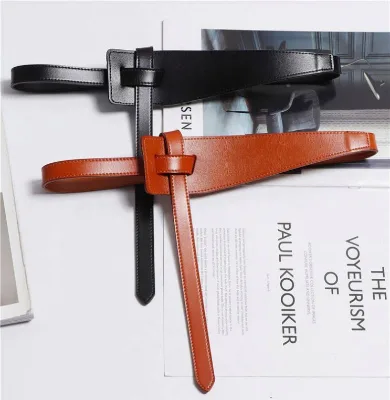
Explore 30 listings for Fashion Leather Belts with options in sheepskin and PU materials. Buyers can compare model numbers, buckle types, and packing details to find suitable suppliers for various applications; compare the available evidence and request quotations based on your requirements.
Updated
Key considerations
Products List


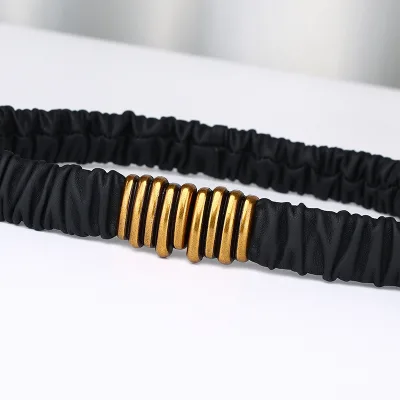
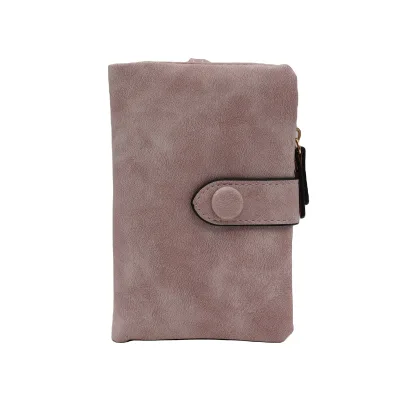
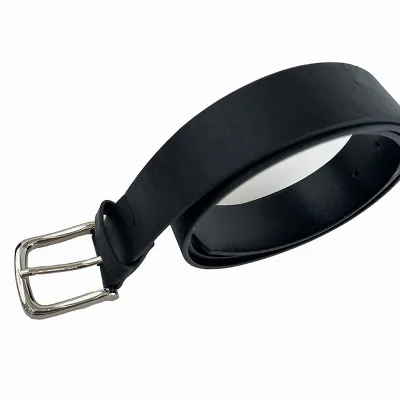
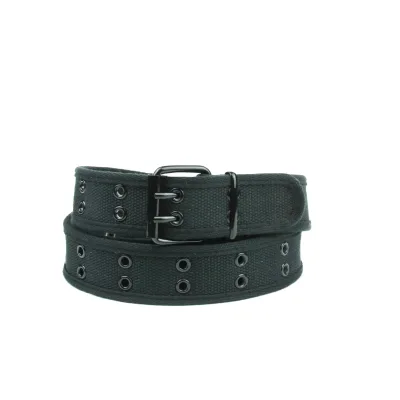


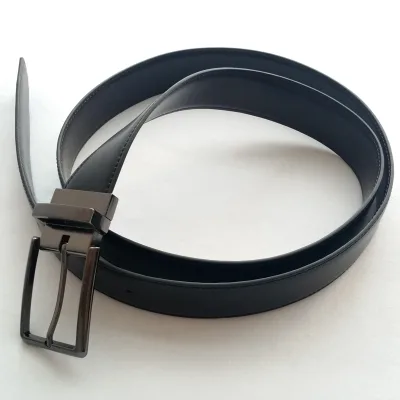

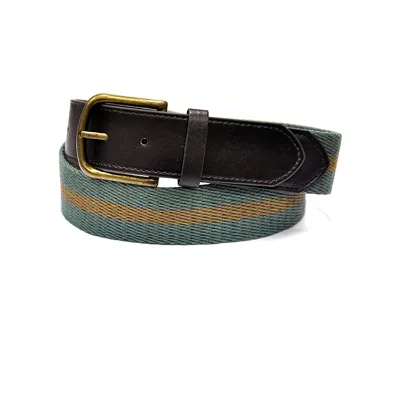
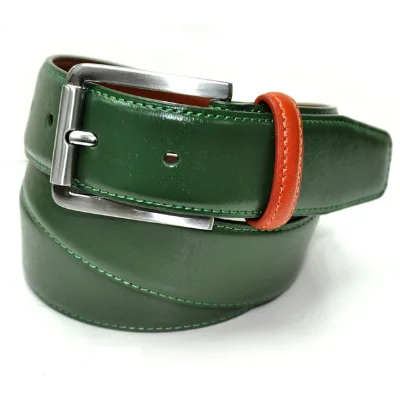


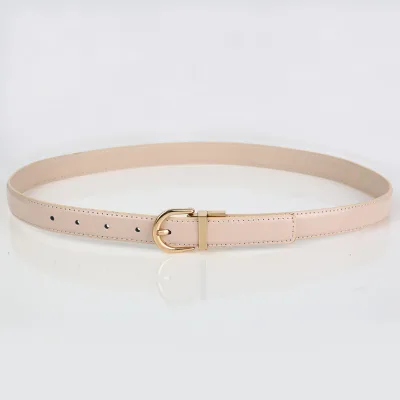
Comprehensive Sourcing Guide
Fashion Leather Belts Sourcing Guide
Sourcing Fashion Leather Belts requires a nuanced understanding of material authenticity, hardware durability, and aesthetic versatility. Buyers must distinguish between genuine leather, such as sheepskin or PU variants, and synthetic alternatives, as these distinctions directly impact product longevity and market positioning. The observed market data indicates a wide range of specifications, from vintage styles to modern fashion statements, necessitating careful alignment with target demographic preferences. Procurement teams should prioritize suppliers who provide transparent material breakdowns and consistent quality control measures to mitigate the risk of receiving substandard goods.
Commercial viability in this category hinges on balancing aesthetic appeal with functional reliability. The presence of customizable options, including color and branding, allows for tailored collections that resonate with specific retail channels. However, the complexity of managing multiple SKUs and variations demands robust supply chain management. Buyers should evaluate suppliers based on their ability to maintain consistency across large orders while accommodating custom design requests. This balance ensures that the final product meets both aesthetic expectations and practical wearability standards for end consumers.
Product Scope and Observed Listing Signals
The current market landscape for Fashion Leather Belts reveals a diverse array of product attributes, including unisex designs suitable for all genders and adults. Listings frequently highlight customization capabilities, allowing buyers to specify colors such as black, red, gray, and brown, or to request solid color patterns. The observed product models, such as 35-MT12226A and 790, indicate a standardized approach to model numbering, which aids in tracking and inventory management. These signals suggest that suppliers are equipped to handle both generic and branded orders, providing flexibility for various business models.
Packing and logistics details further define the operational scope of these products. Standard packing configurations often include ten pieces per box and one hundred pieces per carton, facilitating efficient handling and shipping. Some listings specify carton-only packing, which may impact storage and display requirements for retailers. The observed single package sizes, ranging from 15x10x4 cm to 20x20x20 cm, provide insights into the physical dimensions and weight of individual units. These logistical details are crucial for calculating freight costs and optimizing warehouse space, ensuring that the supply chain remains efficient and cost-effective.
Technical Specifications to Verify
Verifying technical specifications is critical to ensuring that the belts meet functional and aesthetic requirements. Key attributes to confirm include belt length, which can range from 120cm to 130cm or be adjustable within a 60-100cm range, and width, with common dimensions like 2.4cm. The buckle type, whether pin buckle or other styles, and material, such as alloy, must be inspected for durability and finish. Additionally, the thickness of the belt, often around 4mm, affects both comfort and structural integrity, making it a vital parameter for quality assessment.
Material composition is another essential technical aspect that requires careful verification. While some products are labeled as leather, others may use PU or sheepskin, each offering different textures and durability profiles. The presence of double circles or specific decorations, such as buttons, adds to the design complexity and must be checked against the initial sample. Buyers should request detailed material certificates or samples to confirm the exact composition, ensuring that the final product aligns with the specified standards and expectations for the target market.
Compliance and Safety Documentation
Compliance with international standards is paramount for importing Fashion Leather Belts, particularly regarding material safety and environmental impact. Certifications such as BSCI, REACH, and OEKO-TEX provide assurance that the products meet specific social, chemical, and textile safety requirements. Buyers should verify the validity of these certifications with the supplier and request updated documentation to ensure ongoing compliance. This due diligence helps mitigate risks associated with regulatory non-compliance, which can lead to shipment delays or product recalls.
In addition to certifications, buyers should inquire about the supplier’s quality management systems and testing protocols. Understanding how the supplier conducts internal quality checks and handles non-conforming products is essential for maintaining consistent quality. Documentation should also include information on the origin of materials, ensuring that they are sourced responsibly and ethically. By prioritizing compliance and safety, buyers can build trust with their customers and protect their brand reputation in the competitive fashion accessories market.
Cost Drivers and Commercial Terms
Cost drivers in the fashion leather belt market include material quality, customization complexity, and order volume. The observed price range of 0.87 to 18 USD reflects the diversity in product specifications and quality levels. Buyers should analyze the cost breakdown to understand the impact of material choices, such as genuine leather versus PU, on the final price. Additionally, the minimum order quantity (MOQ) of 600 pieces and lead times of 50-55 days influence cash flow and inventory planning, requiring careful financial forecasting.
Commercial terms, including payment methods and shipping arrangements, also play a significant role in the overall cost structure. Buyers should negotiate favorable terms that align with their business model, considering factors such as currency exchange rates and freight costs. Clear communication regarding delivery schedules and potential delays is essential to avoid disruptions in the supply chain. By understanding these cost drivers and commercial terms, buyers can make informed decisions that optimize profitability and ensure timely delivery of products to the market.
Supplier Qualification and Quality Control
Supplier qualification involves assessing the manufacturer’s production capabilities, quality control processes, and financial stability. Buyers should conduct on-site audits or request third-party inspection reports to verify the supplier’s ability to meet production standards and deadlines. The supplier’s location, such as Guangdong, China, may offer advantages in terms of supply chain efficiency and access to raw materials. Evaluating the supplier’s track record and client references can provide additional insights into their reliability and performance.
Quality control measures should be clearly defined and agreed upon before production begins. This includes establishing acceptance criteria for materials, workmanship, and packaging. Buyers should implement a robust inspection process, including pre-production, during-production, and pre-shipment inspections, to identify and address any issues early. By maintaining strict quality control standards, buyers can ensure that the final products meet their expectations and reduce the risk of returns or complaints from end consumers.
Long-Term Procurement Checks
Long-term procurement success depends on continuous monitoring of supplier performance and market trends. Buyers should establish key performance indicators (KPIs) to track metrics such as on-time delivery, product quality, and responsiveness to issues. Regular communication with suppliers helps build strong relationships and facilitates collaborative problem-solving. Additionally, staying informed about changes in material costs, regulatory requirements, and consumer preferences allows buyers to adapt their sourcing strategies proactively.
Sustainability and ethical sourcing are increasingly important considerations for long-term procurement. Buyers should evaluate suppliers’ commitment to environmental responsibility and social accountability, aligning with global trends towards sustainable fashion. By prioritizing ethical practices and sustainable materials, buyers can enhance their brand image and appeal to conscious consumers. Continuous improvement and adaptation are essential for maintaining a competitive edge in the dynamic fashion accessories market, ensuring long-term growth and success.
FAQs
What materials are used for these Fashion Leather Belts?
The belts are crafted from genuine leather, sheepskin, and PU leather options. Some models feature alloy pin buckles for durability. The standard specifications include a composition of 57% polypropylene fibre yarn and 43% rubber for specific styles. Buyers can choose from solid color patterns suitable for all seasons and various widths like 2.4 cm.
Can I customize the color and packaging for orders?
Yes, customization is available for both color and packaging. Buyers can select from colors such as black, red, gray, pink, and brown. The standard packing is 10 pieces per box and 100 pieces per carton. Custom branding and specific color requirements can be accommodated to meet unique business needs and market preferences.
What is the minimum order quantity for these belts?
The minimum order quantity is 600 pieces. This MOQ applies to standard production runs. Buyers should note that the observed range across listings varies from 1 to 1200 pieces. However, the primary baseline for ordering is set at 600 pieces to ensure efficient manufacturing and shipping processes for international clients.
How long is the delivery time for production?
The production delivery time is typically 50 to 55 days. This timeframe accounts for manufacturing, quality control, and preparation for shipment. Buyers should plan their inventory accordingly to avoid stockouts. The origin is Guangdong, China, which influences logistics planning. Early communication with suppliers is recommended to align on specific schedule requirements.
What are the standard sizes and dimensions available?
Belts are available in various sizes, including adjustable lengths from 60 to 100 cm and specific lengths of 120 to 130 cm. Widths commonly include 2.4 cm. Standard carton dimensions are 68 by 35 by 28 cm. Single package sizes vary, with some measuring 15 by 10 by 4 cm. Sizes range from 32 to 44 inches for certain models.
Are these belts suitable for unisex wear?
Yes, the Fashion Leather Belts are designed for unisex wear. They are suitable for both men and women, featuring versatile styles like vintage and fashion trends. The solid color patterns and adjustable lengths ensure a comfortable fit for various body types. This makes them ideal for broad market appeal and diverse customer bases in global retail.