Source Luminous Christmas Hijab for Gifts, Parties, and Daily Wear
Find 30 Luminous Christmas Hijab options from Chinese suppliers. Compare materials like viscose, chiffon, and polyester across various styles and colors. Review specs for digital printing, quick-dry features, and delivery times to select the right hijab for holiday events or everyday use.
Updated
Key considerations
Products List


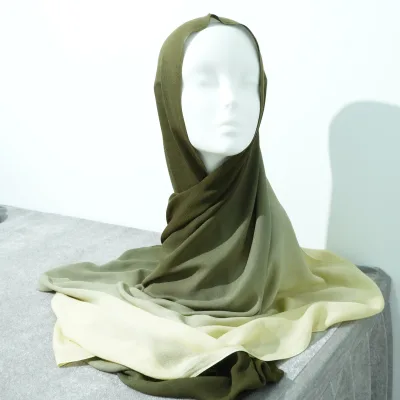
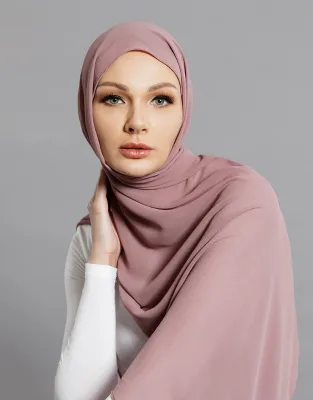
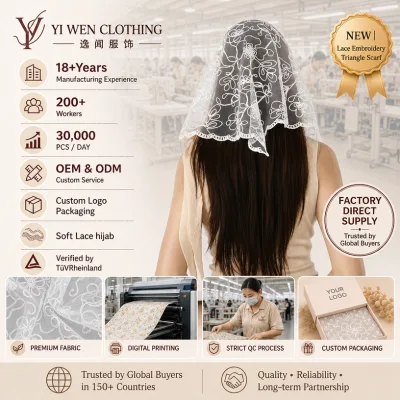
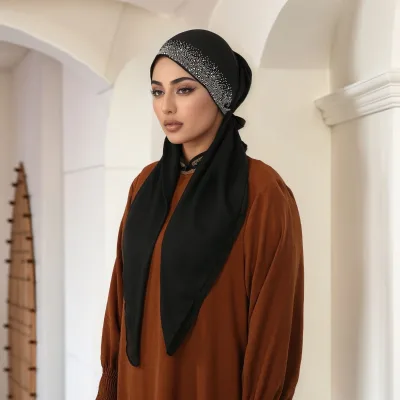


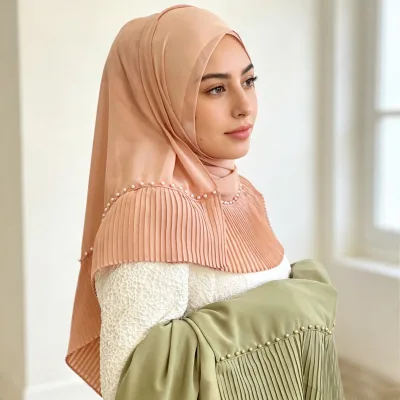
Premium Shiny Elastic Satin Print Hijab Long Lasting for Festival Celebrations
$1.70 - $2.18
MOQ: 100 pieces


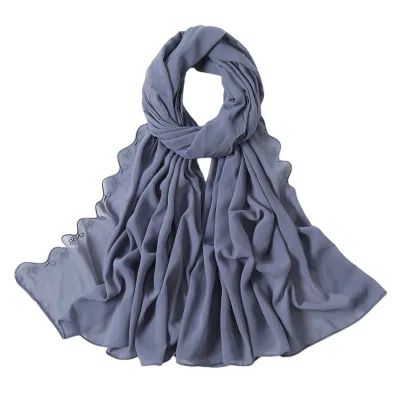
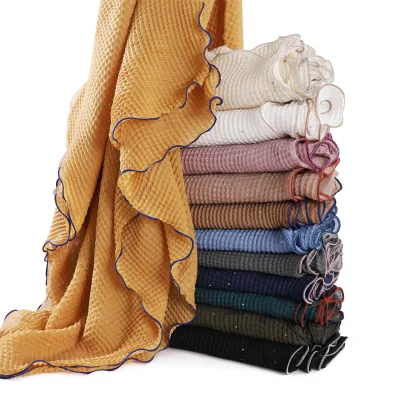
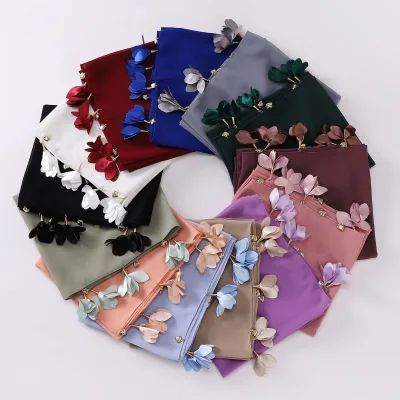
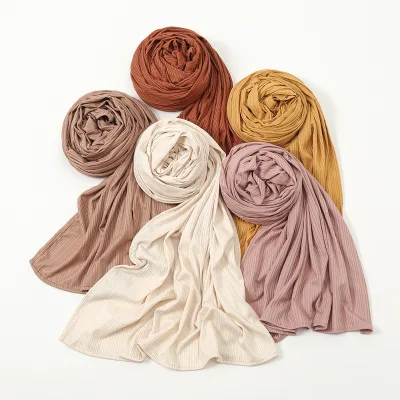
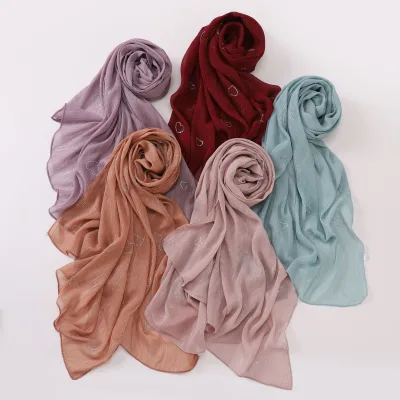
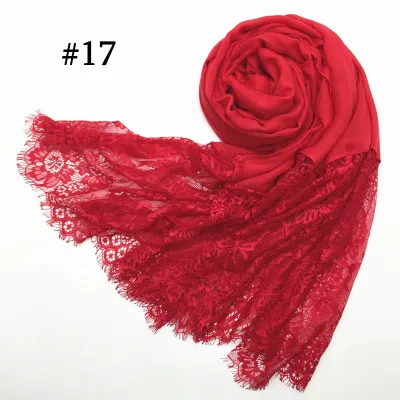
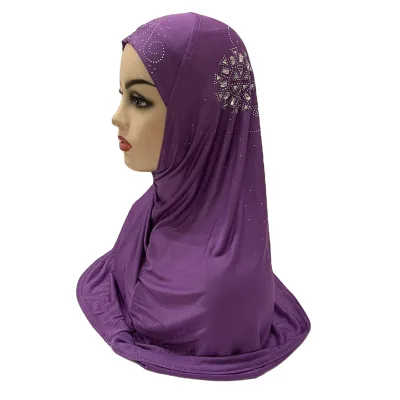
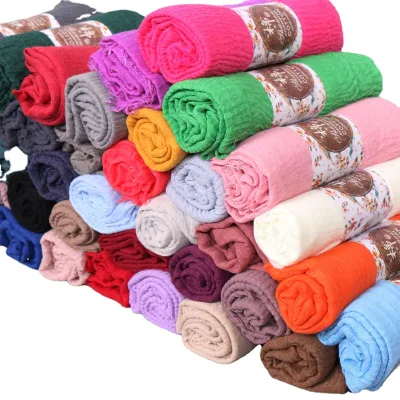
Comprehensive Sourcing Guide
Luminous Christmas Hijab Sourcing Guide
Sourcing specialized headwear requires balancing aesthetic appeal with functional textile performance. Buyers must distinguish between standard seasonal designs and products with unique visual properties. The market offers diverse options ranging from basic cotton blends to advanced synthetic fabrics. Understanding these material differences is critical for selecting the right product for specific customer demographics.
Procurement teams should focus on verifying the actual visual characteristics of the product. Terms like "luminous" may refer to reflective properties or specific dye techniques rather than active light emission. Clear communication with suppliers about the exact visual effect is necessary to avoid misinterpretation. This ensures that the final product matches the marketing claims and customer expectations accurately.
Product Scope and Observed Listing Signals
The current market landscape includes a variety of hijab styles with different material compositions and decorative elements. Observed listings indicate a wide range of options, including viscose, chiffon, polyester, and linen-cotton blends. These materials offer distinct advantages in terms of drape, breathability, and durability. Buyers should evaluate which fabric best suits the intended use case, whether for daily wear or special occasions.
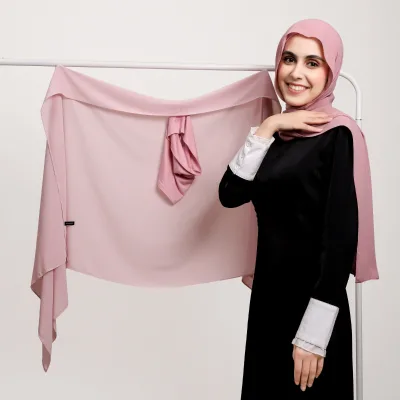
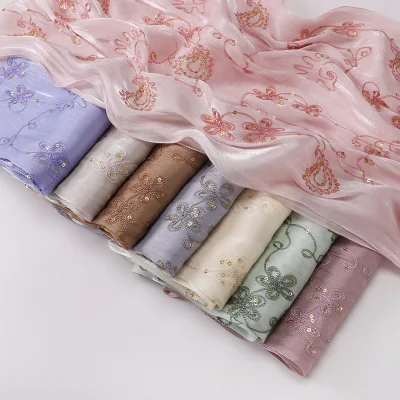
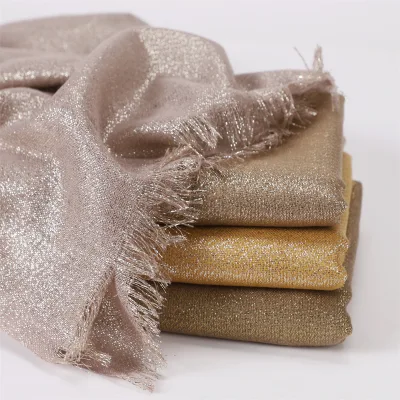
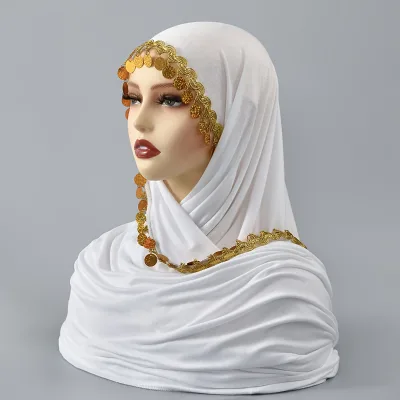
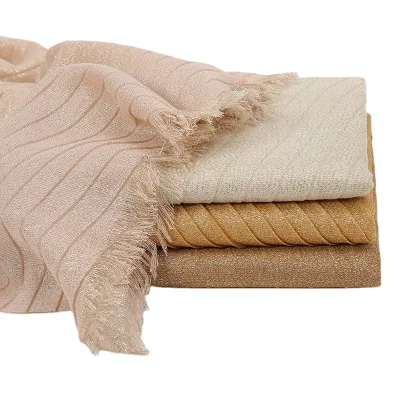
Color and pattern diversity is a significant factor in product selection. Available options span multiple colors, including khaki, black, gold, and various seasonal hues. Some products feature floral patterns or vintage styles, while others offer customized designs. The presence of decorations such as rhinestones adds a premium touch but may affect the garment's weight and care requirements.
Technical Specifications to Verify
Dimensional accuracy is paramount for customer satisfaction. Standard sizes observed in the market include dimensions around 180 by 70 centimeters, which provide ample coverage and styling flexibility. Buyers must confirm the exact measurements for each SKU, as variations can impact the fit and aesthetic outcome. Packaging dimensions also play a role in logistics planning, with typical single-item packages measuring approximately 20 by 30 by 1 centimeters.
Weight and volume metrics are essential for calculating shipping costs. Single gross weights vary significantly based on material density, ranging from negligible values for lightweight chiffon to slightly higher weights for denser fabrics. Verifying the single volume and gross weight for each product variant ensures accurate freight calculations. This data is crucial for optimizing supply chain efficiency and minimizing storage space requirements.
Compliance and Safety Documentation
Safety standards are non-negotiable for textile products intended for personal use. Buyers must ensure that suppliers adhere to relevant safety regulations, such as ISO 1833 for textile colorfastness or EN71 for toy safety if applicable to accessories. Needle detection is a critical quality control step, with some suppliers explicitly stating compliance with BABYSEAM standards. This verification process helps prevent physical hazards associated with broken needles in finished goods.
Certification requirements may vary based on the target market. While some regions mandate specific chemical safety tests, others focus on labeling accuracy. Buyers should request documentation for all relevant certifications, including CE marks where applicable. Maintaining a clear record of compliance documents protects the brand from legal liabilities and enhances consumer trust in the product's safety profile.
Cost Drivers and Commercial Terms
Pricing structures are influenced by material costs, production complexity, and order volume. Observed price ranges in the market span from approximately 0.72 to 7.99 USD per unit. This wide variance reflects differences in fabric quality, printing methods, and decorative elements. Buyers should analyze the cost breakdown to understand the value proposition of each product option and identify potential areas for negotiation.
Minimum order quantities and lead times are key commercial terms. Typical MOQs range from 10 to 100 units, offering flexibility for small-scale testing or larger bulk orders. Delivery times generally fall between 7 and 15 working days, depending on production capacity and customization requirements. Understanding these terms helps in planning inventory levels and meeting customer demand without excessive stockpiling.
Supplier Qualification and Quality Control
Supplier location and origin are important factors in assessing reliability. Many products originate from regions like Zhejiang and Guangdong in China, known for their textile manufacturing capabilities. Buyers should verify the supplier's production capacity and quality control processes. Consistent quality is essential for maintaining brand reputation, especially for products with specific aesthetic requirements like luminous effects.
Quality control measures should include rigorous inspection of printing methods and fabric integrity. Digital, screen, and heat transfer printing techniques each have distinct quality characteristics. Buyers must ensure that color fastness and pattern alignment meet acceptable standards. Implementing a robust QC protocol helps identify defects early in the production process, reducing the risk of receiving substandard inventory.
Long-Term Procurement Checks
Sustainability and ethical sourcing are increasingly important considerations for modern buyers. Evaluating suppliers' environmental practices and labor standards can enhance brand value. Buyers should inquire about the sourcing of raw materials and the manufacturing processes used. Transparent supply chains provide greater assurance of product integrity and align with growing consumer demand for responsible sourcing.
Continuous monitoring of market trends and product performance is essential for long-term success. Regularly reviewing customer feedback and sales data helps identify popular styles and materials. Adapting to changes in fashion trends and consumer preferences ensures that the product lineup remains relevant. Building strong relationships with reliable suppliers facilitates smoother operations and better responsiveness to market shifts.
FAQs
What materials are used for these hijabs?
The hijabs are crafted from viscose, chiffon, polyester, linen, and cotton. These materials ensure comfort and durability for daily wear. The viscose option offers a soft feel, while chiffon provides a lightweight drape. Polyester and linen blends are also available for different seasonal needs. Each material is selected to balance breathability with ease of maintenance for the wearer.
Can I customize the color of the hijab?
Yes, you can choose any color you want for the hijab. Multiple color options are available, including khaki, light red, black, gold, and white. The pattern type can be customized or selected from floral designs. This flexibility allows buyers to match specific brand requirements or personal preferences. Customization ensures the product fits diverse aesthetic needs for various occasions.
What is the delivery time for orders?
The delivery time is typically 7 to 15 working days. This timeframe applies to standard production and shipping processes. Buyers should plan their inventory accordingly to avoid stockouts. The lead time ensures timely fulfillment for both small and large orders. Consistent delivery performance helps maintain supply chain reliability for retailers and distributors seeking steady product availability.
What is the minimum order quantity required?
The minimum order quantity ranges from 10 to 100 units. This flexible MOQ accommodates both small businesses and larger retailers. Buyers can start with smaller quantities to test market response. The range allows for scalable ordering based on demand. This structure supports diverse procurement strategies without imposing excessive initial inventory commitments on the buyer.
How are the hijabs packaged for shipping?
The hijabs are packed in OPP bags for protection. The single package size is approximately 20x20x3 cm or 20x30x1 cm. This compact packaging minimizes shipping volume and costs. The OPP bag ensures the product remains clean and undamaged during transit. Efficient packaging supports logistics optimization and reduces handling risks for international shipments.
Are these hijabs suitable for all seasons?
Yes, the hijabs are designed for all seasons or four seasons. The materials, including viscose and chiffon, offer breathability and comfort. Features like quick dry and breathable fabric enhance wearability in various climates. This versatility makes them suitable for travel, holidays, and daily use. Buyers can stock these items year-round without worrying about seasonal demand fluctuations.