Source Touch Screen Camel Leather Gloves for Travel, Daily, and Outdoor
Compare 30 listings of Touch Screen Camel Leather Gloves from verified Chinese suppliers. Buyers can evaluate options for daily life, outdoor activities, and travel based on material, size, and seasonal suitability; compare the available evidence and request quotations based on your requirements.
Updated
Key considerations
Products List
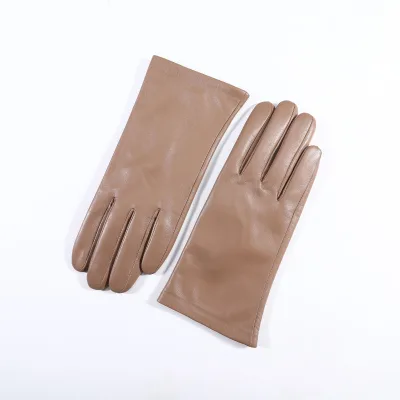
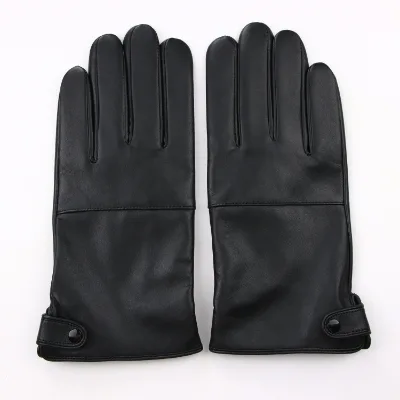
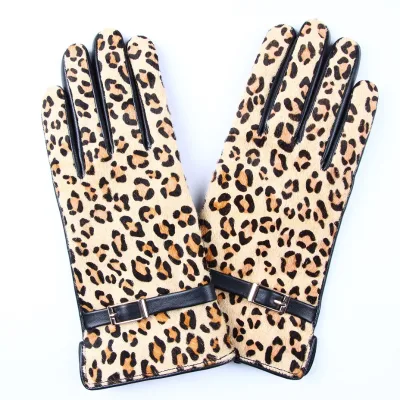
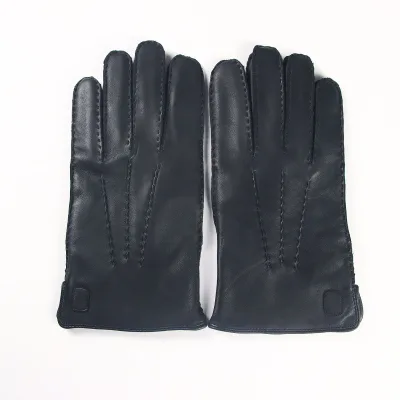
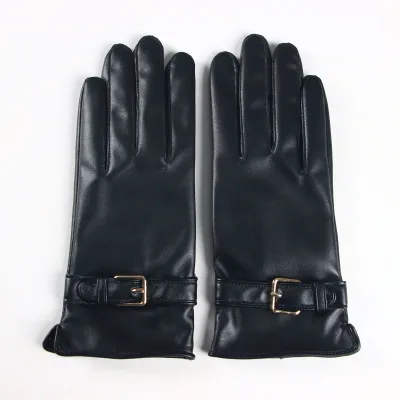


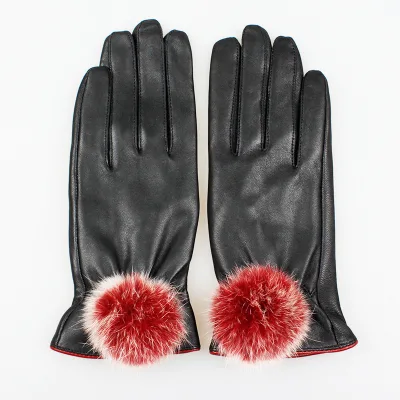
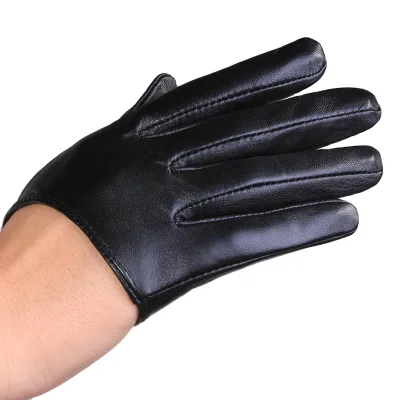
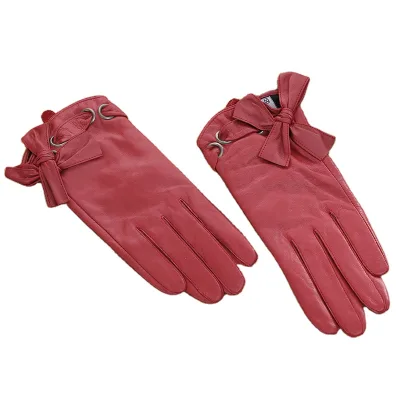
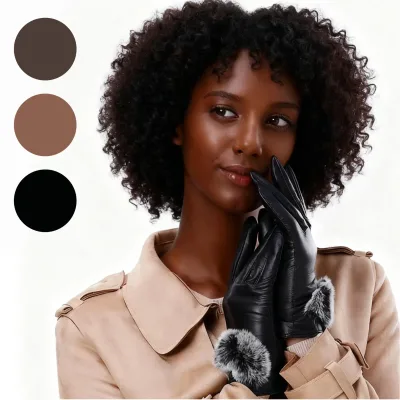

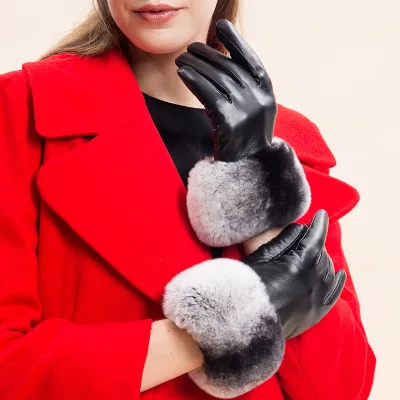


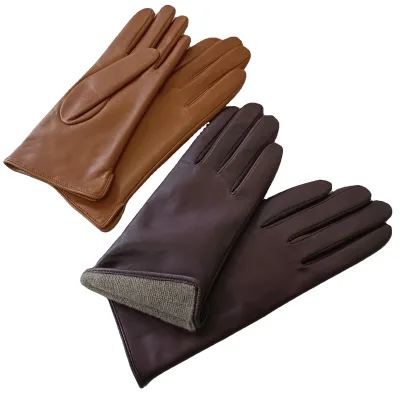
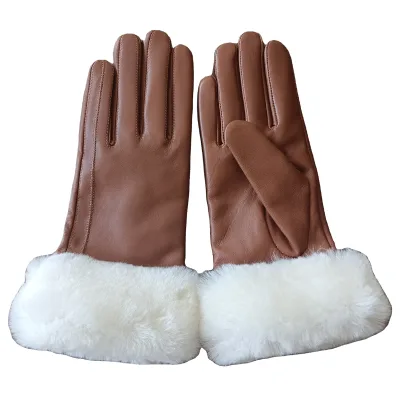
Comprehensive Sourcing Guide
Touch Screen Camel Leather Gloves Sourcing Guide
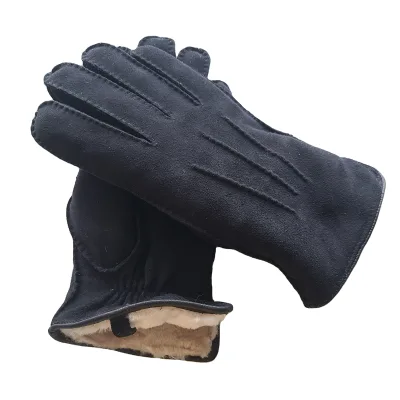
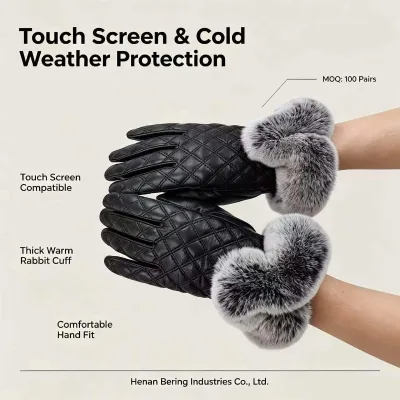
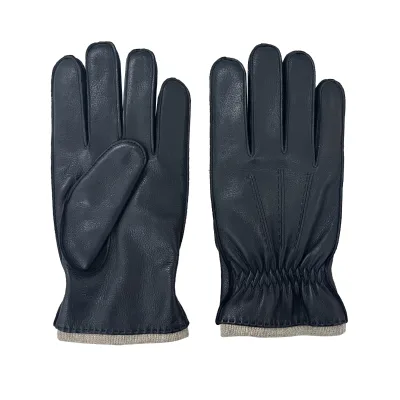
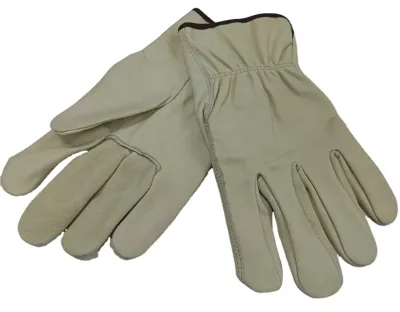
Touch Screen Camel Leather Gloves occupy a focused niche in the winter accessories trade: leather outers in camel and adjacent tones, lined for warmth, with touchscreen-compatible fingertips for daily phone use. Buyers sourcing this category from Chinese suppliers will find listings concentrated in Henan and Hebei provinces, with dispatch typically routed through Tianjin or Shanghai ports. The observed market mixes men's sheepskin styles with ladies' lambskin designs, so clarifying gender targeting and leather type upfront prevents wasted sampling cycles.
This guide walks through the decisions that matter most when converting a product-page listing into a repeatable purchase order. Because listings in this category vary widely in lining material, sizing conventions, and minimum order quantities, each section below isolates one verification step. Treat supplier-stated attributes as observations to confirm through samples and documentation rather than guarantees. The goal is a procurement process where specifications, compliance evidence, and commercial terms are all locked down before mass production begins, reducing the risk of disputes over color accuracy, touchscreen functionality, or delivery timing.
Product Scope and Observed Listing Signals
The supplied listings show a coherent product family: leather gloves with camel, black, and champagne color options, sized S through L or in numeric ranges such as 8.5 through 10.5, positioned for spring-autumn and winter seasons. Applications cited include daily life, outdoor use, travel, shopping, parties, and business settings. Model numbers such as IS68005, SS324009, and the JFLG series suggest both established designs and factory-grade product codes, which typically indicates OEM-ready suppliers willing to customize branding.
Buyers should read listing signals carefully. One listing names the product "Ladies Lambskin Leather Gloves" under the Geshida brand while another carries the KEITHBOER brand name with sheepskin material, confirming that the camel colorway is available across both men's and women's lines. Packaging conventions appear consistent: one pair per polybag, with 100 to 200 pairs per export carton, and single gross weight around 0.300 kg per unit. These details help estimate freight costs and carton counts early. Note that MOQ figures in the broader observed range run from as low as one pair to 1,800, so MOQ is clearly negotiable and supplier-specific rather than fixed by category.
Technical Specifications to Verify
Start with material verification, because "leather" and "sheepskin" and "lambskin" are not interchangeable. One listing declares "100% Leather" as its standard and another states "sheepskin leather," while the ladies' model specifies lambskin. Ask each supplier to state precisely whether the outer shell is full-grain, top-grain, or split leather, and request a material declaration matching the listing. Lining also varies: observed options include cashmere, TR lining, and polyester lining, which produce very different warmth, cost, and hand-feel outcomes. Confirm lining composition in writing before sampling.
Touchscreen functionality is the category's defining feature and must be verified independently. Ask how conductivity is achieved — conductive thread stitched into specific fingertips, conductive leather treatment, or patch inserts — and test responsiveness on capacitive screens with the actual sample, including index finger and thumb if advertised. Also confirm glove length (one listing specifies wrist length), stitch density, and size grading. One listing's numeric sizing (8.5/9/9.5/10/10.5) suggests hand-girth measurement conventions; request a size chart with actual measurements in centimeters so your market's sizing expectations align with factory patterns.
Compliance and Safety Documentation
Do not assume certification status from listings. None of the supplied product facts assert specific certifications, so the buyer's job is to request and verify documentation relevant to leather goods in the destination market. For leather gloves, this typically means confirming restricted substances compliance for dyes and chrome-tanning residues, along with any labeling requirements for fiber content and country of origin. Ask suppliers to identify which tests their leather and lining materials have actually undergone and to provide reports you can cross-check with the testing body.
One useful positive signal appears in the data: a "Needle detection: Yes" attribute, indicating broken-needle screening during production, a practice associated with export-grade quality control. Ask whether this applies to your order and whether detection records are retained. For the cashmere or wool-blend linings, request fiber composition declarations to support customs classification and labeling. If your market requires REACH, CPSIA, or analogous chemical compliance, state the requirement explicitly in the purchase contract and specify who pays for third-party testing. Never accept a supplier's verbal assurance that a product "meets standards" without an identifying report number and scope.
Cost Drivers and Commercial Terms
Observed listing prices span a wide USD 0.5 to 18.5 range, which reflects genuine variation in leather grade, lining choice, and order volume rather than a single market rate. Your quotation will move with shell leather grade and thickness, lining material (cashmere sits at the premium end versus TR or polyester), touchscreen construction, and embellishment. Expect camel and black to be standard dye lots; champagne or custom tones may carry surcharges or longer dyeing lead times. Request itemized quotes so cost drivers are visible and negotiable.
On commercial terms, the observed data provides useful anchors. One listing states MOQ of 100 pairs per color with delivery of 30 to 60 days after order confirmation, and OEM processing is explicitly offered. Packaging is single-item selling with polybag-plus-carton packing, which supports straightforward consolidation. Confirm Incoterms, payment structure, and whether the quoted price includes touchscreen construction or is quoted on a basic glove. Because dispatch ports are Tianjin or Shanghai, factor inland freight from Henan or Hebei production bases into your landed-cost model, and agree on carton markings and packing lists before deposit payment.
Supplier Qualification and Quality Control
Qualify suppliers against category-specific capabilities rather than generic trading-company checks. Confirm the factory actually produces leather gloves — the JFLG model-number series with consistent polybag-plus-carton packing and port declarations suggests a specialized producer — and ask for photos of cutting, stitching, and touchscreen assembly lines. Verify whether OEM service extends to your brand name (one listing already shows "custom" as brand name) and what tooling or sample fees apply. Request references from buyers in markets with similar quality expectations to yours.
Quality control should follow the material through production. Approve a golden sample covering leather hand-feel, camel color standard, lining attachment, and touchscreen performance, then hold the supplier to it. Specify in-process checks at cutting (hide selection, defect culling) and finishing (stitching strength, touchscreen point testing), and decide whether you need a third-party pre-shipment inspection. Needle detection, where offered, should be documented per carton. Define acceptable quality limits for stitching defects, size variance, and color deviation in writing before the deposit, because leather's natural variability makes vague acceptance criteria the most common source of post-shipment disputes in this category.
Long-Term Procurement Checks
Once the first order ships, shift focus from single-transaction verification to supply stability. Track consistency across repeat orders: camel dye lots should be compared against your approved standard each season, since leather absorbs dye differently between hide batches. Monitor whether the supplier maintains the same lining sources — a switch from cashmere to a cheaper substitute is a common cost-saving move that erodes product quality without changing the listing. Reconfirm touchscreen performance on random samples from every shipment, not just the initial golden sample.
Build procurement resilience by documenting everything that worked: final specifications, inspection criteria, packing configurations (25X15X3 cm single-package size and carton quantities), and port routing through Tianjin or Shanghai. Review pricing annually against leather market movements and renegotiate volume tiers as your orders grow. Keep at least one qualified alternate factory familiar with your specifications, qualified through the same sampling and inspection process, so a single supplier's capacity or quality problem does not interrupt your season. Long-term success in this category comes from treating specifications as living documents, updated with each season's findings rather than fixed at the first order.
FAQs
How should I select the right size for camel leather gloves?
Choose from the listed sizes S, M, and L, or numbered sizes 8.5 through 10.5 depending on the model. Measure your hand circumference and palm length first, then match the larger measurement to the size chart. Because sheepskin and lambskin leather relax slightly with wear, a snug initial fit is recommended for daily life use.
Can Touch Screen Camel Leather Gloves be customized with my own brand?
Yes, OEM processing is supported, so you can apply a custom brand name to the gloves. Brand options listed include custom labels and the KEITHBOER and Geshida names, showing private-label flexibility. Provide your logo, artwork, and packaging requirements when requesting a quote, and confirm branding details before production begins.
What packaging is used for bulk orders of leather gloves?
Each pair is packed in a polybag, and 100 to 200 pairs are packed in an export carton. Some models list polybag plus carton packing as the standard arrangement. Single package size is 25 x 15 x 3 cm with a single gross weight of 0.300 kg, which helps you estimate carton volume and shipping cost.
How long is the delivery time after an order is confirmed?
Delivery is 30 to 60 days after the order is confirmed for the listed leather glove models. The actual date depends on order quantity, customization requirements, and production scheduling at the time of confirmation. Plan your procurement timeline accordingly and confirm the exact schedule in writing before placing the order.
Which lining materials are available in these leather gloves?
Available linings include cashmere, TR lining, and polyester lining depending on the model. Cashmere lining suits winter wear for maximum warmth, while TR and polyester linings suit spring and autumn seasons. Select the lining based on your target season and market, since lining choice affects warmth, comfort, and cost.
Can I order a small quantity or sample before bulk production?
Yes, the observed MOQ range starts at 1, allowing sample or trial orders, while some models specify a minimum of 100 pairs per color. Selling units are single items, so sampling is practical. Request a sample first to verify the sheepskin or lambskin quality, stitching, and fit before committing to larger volumes.
Where are these leather gloves produced and shipped from?
The products originate from Henan and Hebei, China. Dispatch ports are Tianjin and Shanghai, giving flexibility in logistics planning. When arranging shipment, confirm which port is closest to your freight forwarder and whether the supplier supports your preferred incoterms, since this affects total landed cost and transit time.
What quality controls apply to these gloves during production?
Needle detection is listed as yes for the glove models, indicating metal contamination screening before shipment. Product standards stated include 100 percent leather and sheepskin leather construction. Ask your supplier to confirm the inspection steps applied to your order, including material verification, needle detection, and final random inspection before carton packing.