Source Hand Knitted Soft Decorative Amigurumi for Gifts, Decor, and Toys
Find 30 listings for Hand Knitted Soft Decorative Amigurumi crafted from cotton and plush materials. Compare options featuring custom logos, various colors, and seasonal styles suitable for daily life, gifts, and ornamental use; compare the available evidence and request quotations based on your requirements.
Updated
Key considerations
Products List
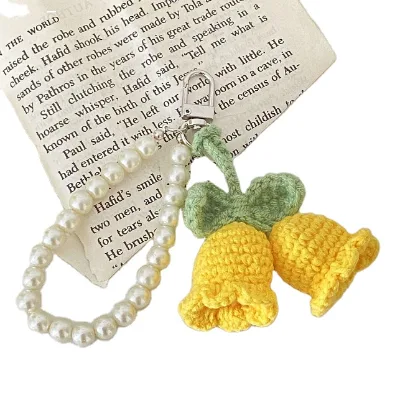
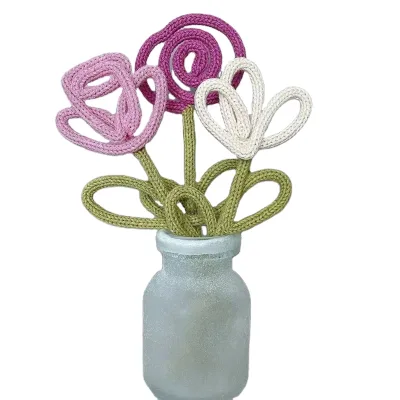
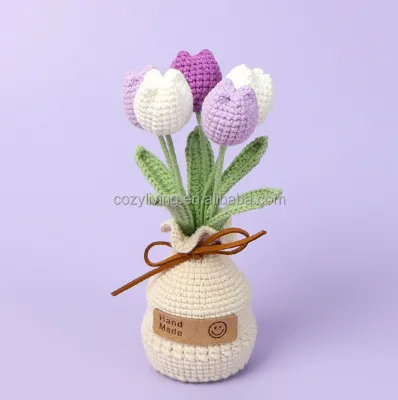
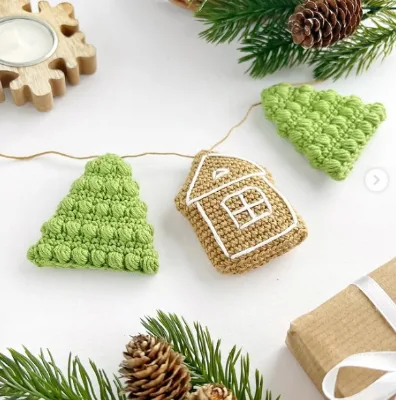


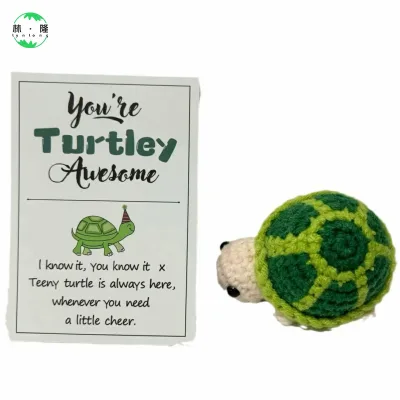
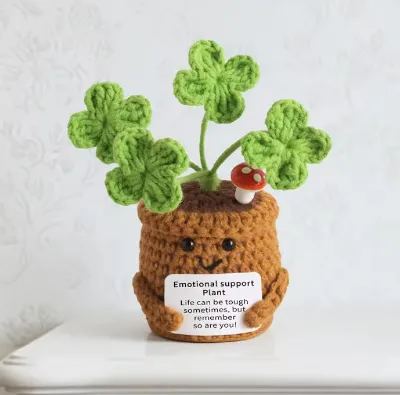
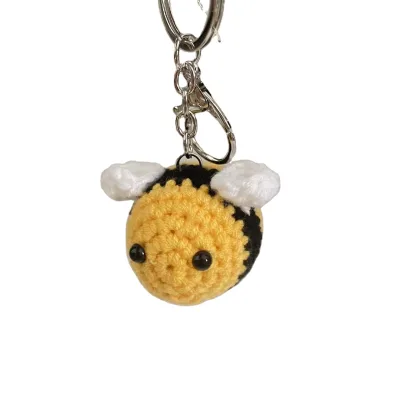


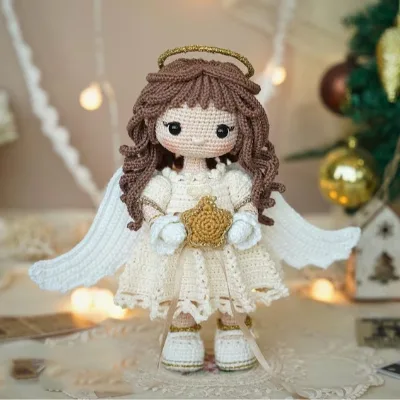
Comprehensive Sourcing Guide
Hand Knitted Soft Decorative Amigurumi Sourcing Guide
Sourcing Hand Knitted Soft Decorative Amigurumi requires a nuanced understanding of the intersection between artisanal craftsmanship and scalable manufacturing. These items, often categorized under other clothing accessories or decorative ornaments, serve diverse roles in daily life, from personal key rings to plush toys for children. Buyers must recognize that "hand knitted" implies a level of variability inherent to manual production, which can affect consistency in size and texture. This guide outlines the critical verification steps needed to ensure that the aesthetic appeal of these products aligns with commercial quality standards.
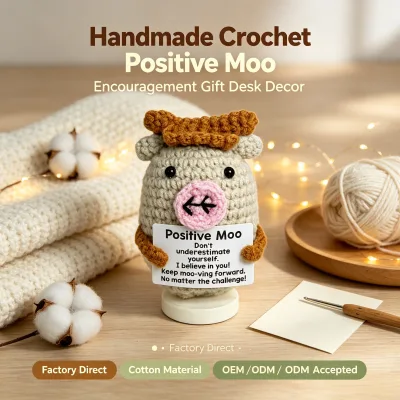
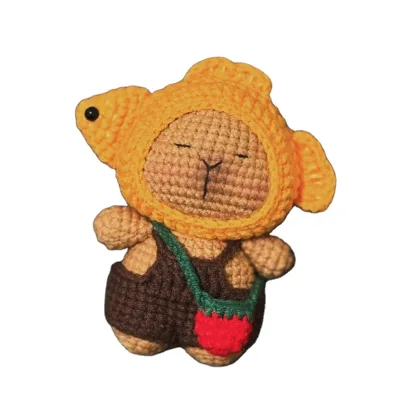
The market for these items spans multiple seasons and occasions, making them versatile additions to retail inventories. Observed listings indicate a wide range of product types, including crocheted cherry key rings, positive crochet toys, and handmade knit stuffed animals. Each category demands specific attention to material composition and safety, particularly when targeting younger demographics. Understanding the distinction between purely decorative pieces and functional toys is essential for accurate categorization, compliance planning, and effective marketing strategies within the B2B supply chain.
Product Scope and Observed Listing Signals
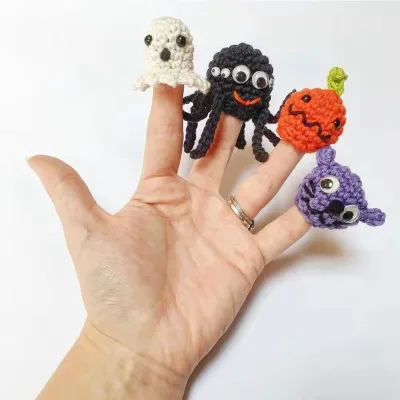
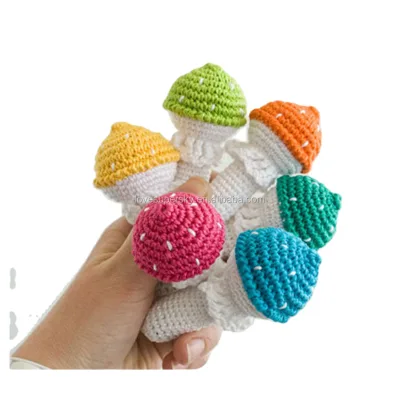
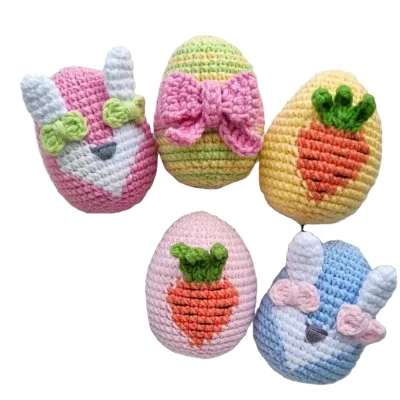
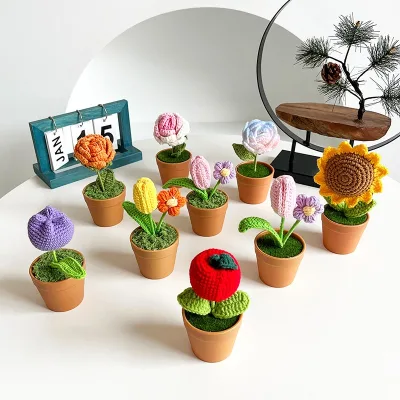
The current market landscape for Hand Knitted Soft Decorative Amigurumi reveals a diverse array of product applications and material compositions. Listings frequently feature items such as crocheted cherry key rings made from cotton, which are designed for daily use and casual styling. These accessories often come in various colors like black, orange, purple, and white, catering to broad aesthetic preferences. Additionally, there is a significant presence of plush fruit-themed toys and other stuffed animals, which are marketed as pretty gifts or decorative ornaments. This variety suggests that buyers should not assume a uniform product definition but rather evaluate each supplier’s specific offerings against their target market needs.
Beyond simple accessories, the scope extends to more complex items like handmade knit stuffed toys with specific age range recommendations, such as 0 to 24 months or 2 to 4 years. These products often carry customized branding options, including woven labels or customized logo prints, indicating a strong OEM/ODM capability among suppliers. The observed product types range from small key rings with a single package size of 4x4x4 cm to larger plush toys measuring 10-20 cm in height. This disparity in scale and function necessitates a tailored approach to quality control and logistics, as the handling requirements for delicate cotton key rings differ significantly from those for bulkier plush items.
Technical Specifications to Verify
When evaluating technical specifications, buyers must prioritize dimensional accuracy and material integrity, as these factors directly impact product usability and customer satisfaction. For instance, crocheted key rings are often specified to be about 10 cm high with a single gross weight of 0.1 kg, while other plush toys may range from 5 to 10 cm or 10 to 20 cm in size. It is crucial to verify that the stated dimensions match the physical product, especially for items marketed as gifts or decorative pieces where precise sizing affects packaging and display. Additionally, the material composition, whether cotton, plush, or other unspecified fabrics, should be confirmed to ensure it meets the desired tactile and durability expectations for the end-user.
Packaging and labeling specifications are equally critical for maintaining product quality during transit and enhancing brand visibility. Many suppliers offer packing in individual OPP bags, with single package sizes varying from 5x5x7 cm to 15x10x8 cm depending on the item. Buyers should verify the inclusion of custom logos, such as woven labels or customized prints, to ensure brand consistency. Furthermore, the absence of batteries in these products simplifies logistics but requires clear communication to avoid confusion with electronic toys. Confirming these details early in the sourcing process helps prevent discrepancies between samples and bulk production, ensuring that the final goods align with the initial design intent.
Compliance and Safety Documentation
Safety compliance is paramount when sourcing Hand Knitted Soft Decorative Amigurumi, especially for products intended for children. Listings that specify age ranges such as 0 to 24 months or 2 to 4 years trigger stricter regulatory requirements compared to adult-oriented decorative items. Buyers must verify that suppliers provide relevant safety test reports, particularly for plush materials and small components that could pose choking hazards. Although specific certification names are not provided in the observed data, it is essential to request documentation that confirms adherence to international safety standards for toys and children’s products. This due diligence protects against liability and ensures that the products can be legally sold in target markets.
For non-toy applications, such as key rings or general decorative ornaments, safety concerns shift towards material toxicity and flammability. Cotton and plush materials should be free from harmful chemicals, and buyers should inquire about the sourcing of these raw materials. While the observed listings do not detail specific chemical compliance standards, requesting material safety data sheets (MSDS) or declarations of conformity is a prudent step. Additionally, verifying that the products are labeled correctly with care instructions and origin information, such as Jiangsu, China, helps in maintaining transparency and trust with end consumers. Proper documentation not only facilitates customs clearance but also reinforces the brand’s commitment to quality and safety.
Cost Drivers and Commercial Terms
The cost structure for Hand Knitted Soft Decorative Amigurumi is influenced by several key factors, including material costs, labor intensity, and customization requirements. Items made from cotton or plush materials may vary in price based on the quality and source of the yarn or fabric. Customization options, such as customized logo prints or woven labels, add to the production cost but can enhance brand value. Buyers should also consider the minimum order quantity (MOQ) requirements, which range from 50 pcs to 200 pcs, as these impact the per-unit cost and inventory management strategy. Understanding these variables allows for more accurate budgeting and negotiation with suppliers.
Commercial terms, including production time and sample availability, play a significant role in the overall procurement process. Suppliers typically offer sample times of around 7 days, with production lead times ranging from 7 to 30 days depending on the order size and complexity. The availability of samples is a critical step in verifying quality before committing to bulk orders. Additionally, the acceptance of OEM/ODM services indicates flexibility in design and branding, which can be a valuable asset for buyers seeking unique products. Clear communication regarding these terms helps in planning inventory replenishment and managing customer expectations, ensuring a smooth supply chain operation.
Supplier Qualification and Quality Control
Qualifying suppliers for Hand Knitted Soft Decorative Amigurumi requires a thorough assessment of their manufacturing capabilities and quality control processes. Buyers should verify the supplier’s experience in producing similar items, such as crocheted key rings or plush toys, to ensure they have the necessary expertise. The presence of customized logo options and OEM/ODM services suggests a level of professionalism and flexibility. However, it is essential to conduct factory audits or request references to confirm the supplier’s reliability and consistency. This due diligence helps mitigate the risk of receiving substandard products or experiencing delays in production.
Quality control measures should be clearly defined and agreed upon before production begins. Given the handmade nature of these products, variability in size and texture is expected, but significant deviations from the sample should be addressed. Buyers should establish clear acceptance criteria for defects, such as loose threads, uneven stitching, or color mismatches. Implementing a pre-shipment inspection process can help identify and rectify issues before the goods are dispatched. Additionally, maintaining open communication with the supplier regarding any changes in design or material can prevent misunderstandings and ensure that the final products meet the buyer’s expectations.
Long-Term Procurement Checks
Establishing long-term procurement relationships for Hand Knitted Soft Decorative Amigurumi involves continuous monitoring of supplier performance and market trends. Buyers should regularly review supplier metrics, such as on-time delivery rates, product quality consistency, and responsiveness to issues. This ongoing evaluation helps in identifying potential risks and opportunities for improvement. Additionally, staying informed about changes in material costs, labor regulations, and consumer preferences can inform strategic decisions regarding product selection and pricing. By maintaining a proactive approach to supplier management, buyers can ensure a stable and reliable supply chain.
Sustainability and ethical sourcing are increasingly important considerations in the long-term procurement of handmade goods. Buyers should inquire about the supplier’s practices regarding labor conditions and environmental impact, particularly for items made from natural materials like cotton. Verifying that the supplier adheres to ethical standards can enhance brand reputation and appeal to conscious consumers. Furthermore, exploring opportunities for product innovation, such as new designs or eco-friendly materials, can keep the product line fresh and competitive. By integrating these considerations into the procurement strategy, buyers can build a resilient and responsible supply chain that supports long-term business growth.
FAQs
What materials are used for these crochet key rings?
The primary material used for these items is cotton, ensuring a soft and durable texture suitable for daily use. Some variations may utilize other unspecified materials for different aesthetic effects. Buyers can expect high-quality yarn construction that maintains shape and color integrity over time, making them ideal for everyday accessories or decorative purposes.
Can I customize the logo on these products?
Yes, customized logo printing is available for these items. Suppliers accept OEM orders and welcome ODM requests, allowing for personalized branding. Options include woven labels or direct print methods. This customization capability supports brand identity development, making the products suitable for corporate gifts or retail branding initiatives with specific visual requirements.
What is the minimum order quantity for these items?
The minimum order quantity varies by supplier, typically ranging from 50 to 200 pieces. Some listings specify an MOQ of 50 pieces, while others require 200 pieces. Buyers should verify the specific MOQ with their chosen supplier before placing an order to ensure alignment with their procurement volume and budget constraints.
How long does production take for these goods?
Production time generally ranges from 7 to 30 days after order confirmation. Sample approval may be required before full production begins, which can add to the timeline. Buyers should plan their inventory needs accordingly, considering that lead times may vary based on order volume and specific customization requirements requested by the purchaser.
Are these items suitable for children under two years old?
Some handmade knit stuffed toys are labeled for ages 0 to 24 months, indicating suitability for infants. However, buyers must verify specific safety standards and age recommendations for each product variant. While designed as decorative ornaments or gifts, ensuring compliance with local safety regulations for young children is essential for responsible sourcing and retail distribution.
What colors are available for these crochet products?
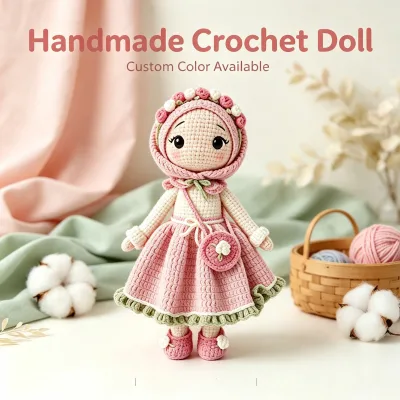
Available colors include black, orange, purple, white, khaki, pink, and multi-color options. Customized colors are also accepted for larger orders. Buyers can select from standard palettes or request specific shades to match their brand identity or seasonal themes, ensuring the products align with their desired aesthetic and marketing strategy.