Hand Knitted Soft Decorative Amigurumi Suppliers and Manufacturers
Source 15 verified suppliers for Hand Knitted Soft Decorative Amigurumi. Compare response times, lead times, certifications, and MOQs to find the right partner. Verify sample availability and production capacity directly; review the available evidence before requesting comparable quotations from suitable candidates.
Updated
Suppliers List
- Verified by TüVRheinland
- Manufacturer, Trading Company
- Lead time25 days
- Avg. response≤ 3h
Main productsBeanie, Scarf, Glove, Sock, Crochet Doll
Main marketsNorth America(35%), Eastern Europe(20%), Western Europe(20%)
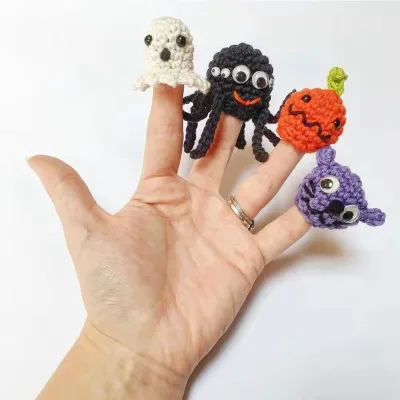
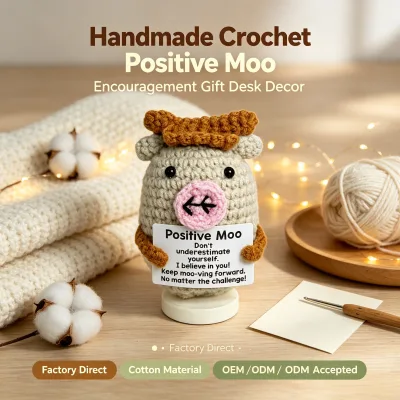
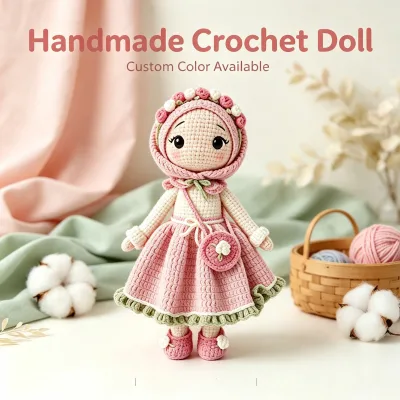
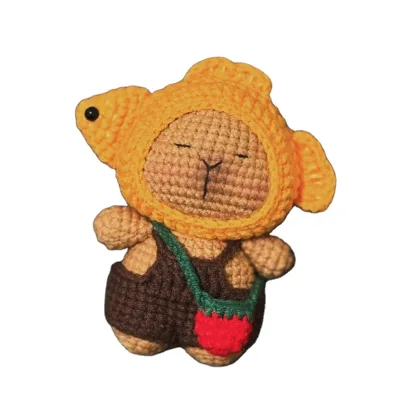
$2.10 - $3.10
MOQ: 200 pieces
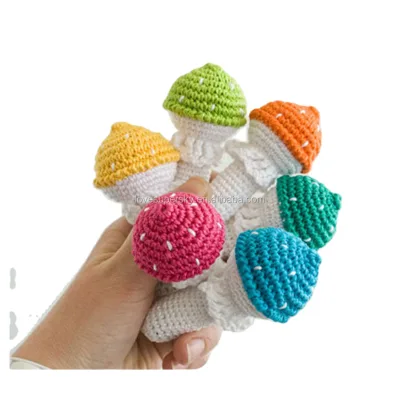
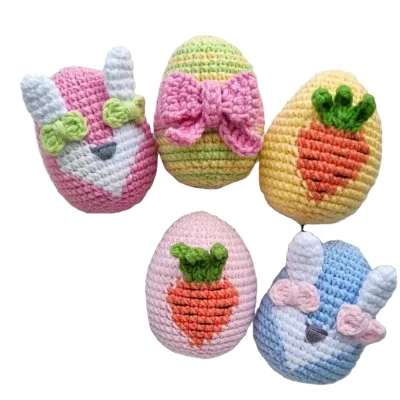
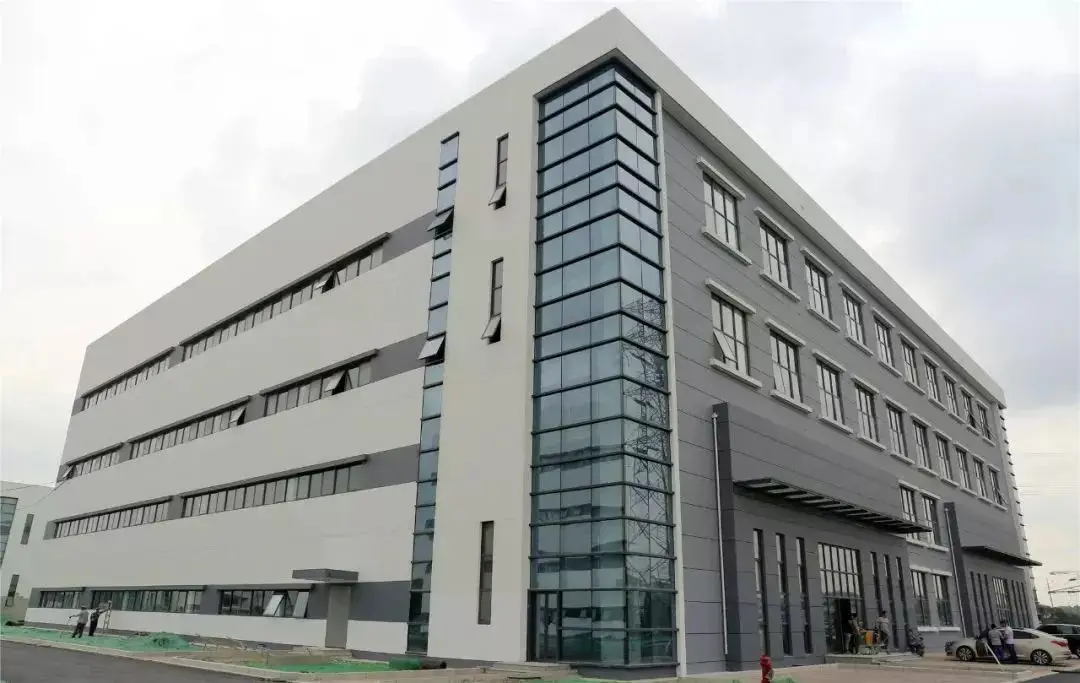
Xuzhou Fenn Import And Export Trading Co., Ltd.
- Manufacturer, Trading Company
- Jiangsu, China
- Lead time60 days
- Avg. response≤ 2h
Main productsbeanie hat,handmade toys,sweater,crochet toys,Hooded clothing
Main marketsNorth America(25.00%), Eastern Europe(20.00%), Northern Europe(10.00%), Mid East(10.00%), South America(10.00%), Central America(5.00%), Southeast Asia(5.00%), Western Europe(5.00%), Southern Europe(3.00%), Oceania(3.00%), Eastern Asia(2.00%), Africa(2.00%)
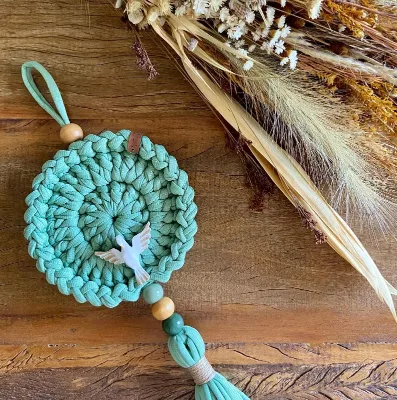
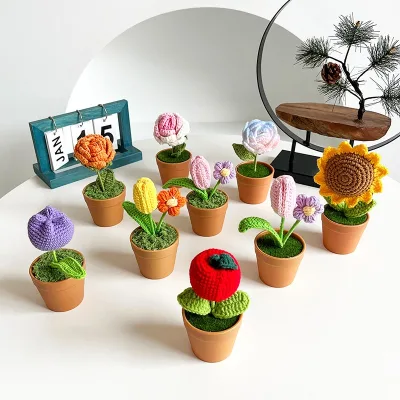
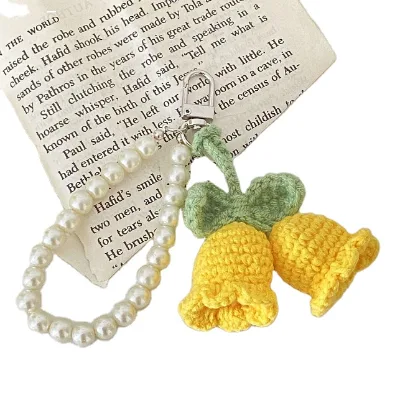
Yellow Crochet Soft Ins Hot Selling Hand Amigurumi Handmade Toys and Key Chains
$4.50 - $5.50
MOQ: 50 pieces
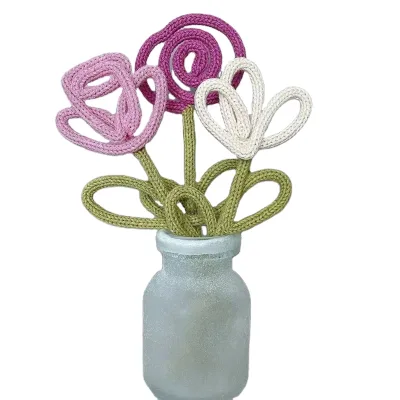
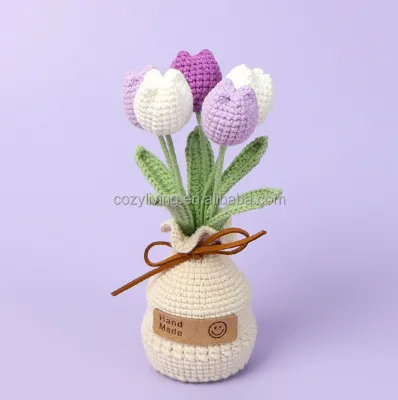
Henan Lynlong Import And Export Trading Co., Ltd.
- Trading Company
- Henan, China
- Lead time10 days
- Avg. response≤ 11h
Main productsHome Gardening,Knitted crafts,Custom-made products
Main marketsSouth Asia(15.00%), Central America(15.00%), Western Europe(15.00%), Eastern Europe(15.00%), Southern Europe(15.00%), North America(15.00%), Northern Europe(5.00%), South America(5.00%)
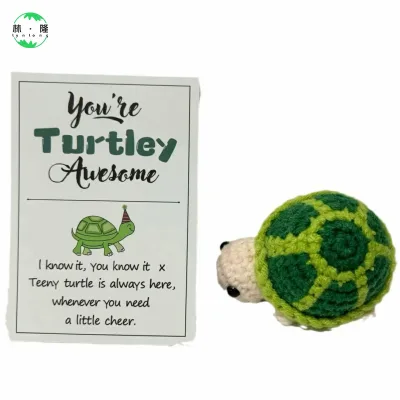
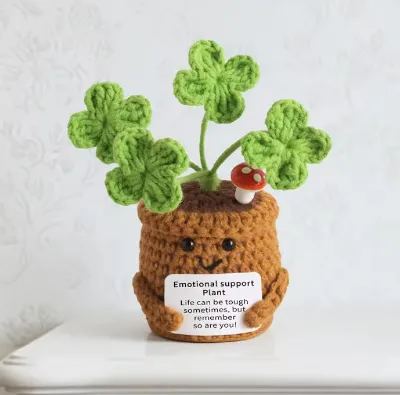
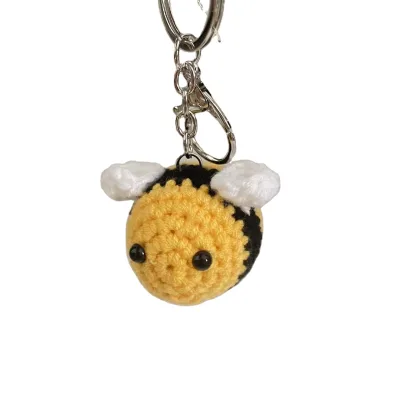
Baby Cotton Crochet Toys Amigurumi Custom Bee Knitted Stuffed Crochet Animal Toys
$1.2507 - $2.1886
MOQ: 100 pieces

Sihang Import and Export Trade (Dazhou) Co., Ltd.
- Verified by SGS
- Trading Company
- China Sichuan
- Lead time15 days
- Avg. response≤ 11h
Main productsCrochet Flowers, Crochet Toys, Crochet Gifts, Crochet Bouquets, Crochet Bags, Tote Bags Pouch Bags Clutch Bags Handbags, Blanket, Wallhangings, 100% Handmade Products, Crochet Keychains
Main marketsSouth America,Eastern Europe,Mid East,North America,Southeast Asia,Eastern Asia,Oceania,Western Europe,Africa

$0.75 - $10.00
MOQ: 5 Pieces

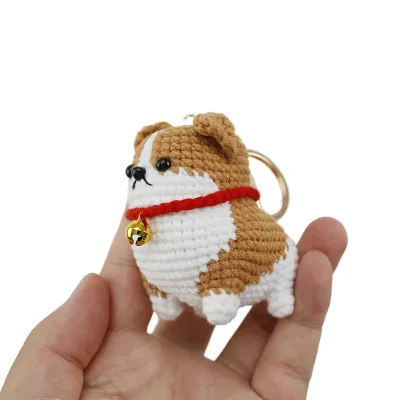
Handmade Design Knitted Amigurumi Crochet Keychain Cute Crocheted Animals Toy Keychain
$5.00 - $6.00
MOQ: 30 Pieces

$0.75 - $10.00
MOQ: 5 Pieces

Wholesale Knitted Cute Baby Comfort Doll Doraemon Crochet Animal Toys Handmade Amigurumi Cotton Toys
$0.75 - $10.00
MOQ: 5 Pieces

Wholesales Baby Cartoon Crochet Mini Animals Amigurumi 100% Handmade Cute Tiny Toys
$0.75 - $10.00
MOQ: 5 Pieces

Amigurumi Baby Play Cute Tiny Flower Decoration Crochet Handmade Baby Toys
$0.75 - $10.00
MOQ: 5 Pieces

Jinjiang Jiayi Supply Chain Management Co., Ltd.
- Verified by BV
- Trading Company
- China Fujian
- Lead time30 days
- Avg. response≤ 2h
Main productsGift, Shoe, Garment, Machine
Main marketsDomestic
Dongguan Angna Rubber Plastic Products Co., Ltd.
- Manufacturer, Trading Company
- Guangdong, China
- Lead time15 days
- Avg. response≤ 2h
Main productsBaby Rattle, Baby Teether, Baby Teething Toys, Silicone Teether, Baby Silicone
Main marketsNorth America(30.00%), South America(20.00%), Western Europe(10.00%), Southern Europe(10.00%), Eastern Asia(10.00%), Domestic Market(10.00%), Mid East(10.00%)

Baoding Zhongqing Textile Co., Ltd
- Verified by SGS
- Combined
- China Hebei
- Lead time15 days
- Avg. response≤ 6h
Main productsyarn
Main marketsDomestic

Handmade Crochet Lovey, Amigurumi Animal, Baby Knitted Snuggler, Baby Shower Gift, Custom
$19.90 - $58.80
MOQ: 1 Pieces


Shenzhen Fulltre Creative Industrial Co., Ltd.
- Manufacturer, Trading Company
- Guangdong, China
- Lead time15 days
- Avg. response≤ 2h
Main productsHandmade Gifts,Baby Products,Crochet Toy,Stuffed Animals,Wooden Gifts
Main marketsNorth America(30.00%), Western Europe(20.00%), Southern Europe(10.00%), Eastern Europe(5.00%), South America(5.00%), Eastern Asia(5.00%), Mid East(5.00%), Oceania(5.00%), Domestic Market(5.00%), Southeast Asia(5.00%), South Asia(2.00%), Northern Europe(2.00%), Africa(1.00%)
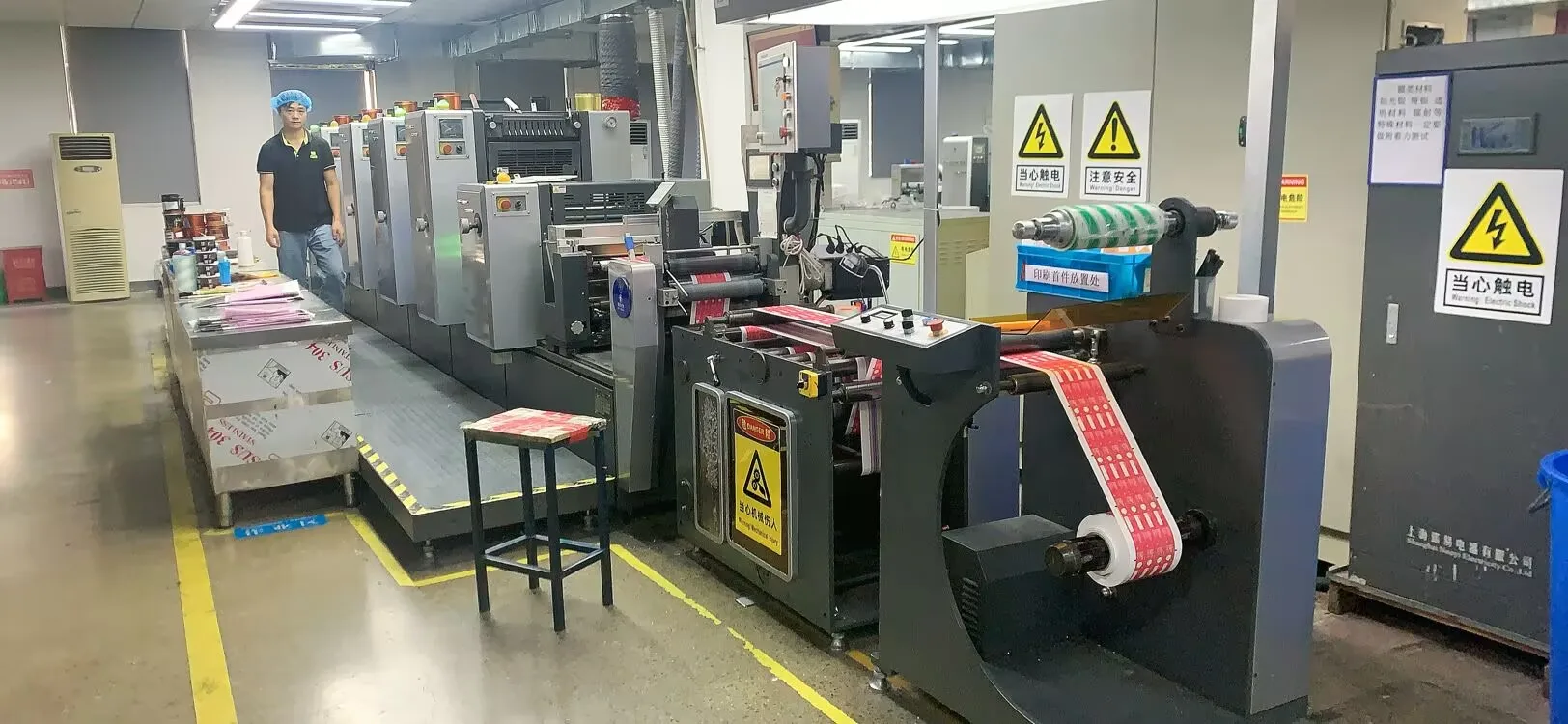
- Trading Company
- Zhejiang, China
- Lead time30 days
- Avg. response≤ 4h
Main productsstickers,sticker label,cartoon sticker,decorative sticker,custom stickers
Main marketsNorth America(30.00%), Northern Europe(15.00%), Southern Europe(15.00%), Western Europe(15.00%), Eastern Europe(8.00%), Central America(5.00%), South America(5.00%), Southeast Asia(4.00%), South Asia(2.00%), Africa(1.00%)

- Verified by BV
- Trading Company
- China Anhui
- Lead time15 days
- Avg. response≤ 7h
Main productsPin, Keychain, Fridge Magnet, Lanyard, Metal Pin, Button Badge, Coin, Lapel Pin, Key Chain, Badge
Main marketsSouth America,Southeast Asia/ Mideast,East Asia(Japan/ South Korea),Domestic,Europe,North America
Dongguan Jialedi Toys Co., Ltd.
- Verified by TüVRheinland
- Manufacturer, Trading Company
- Lead time15 days
- Avg. response≤ 2h
Main productsStuffed Animal Toys, Plush Pillows, Plush Figure Toys, Plush Bags, U-Shaped Pillow
Main marketsNorth America(60%), South America(10%), Eastern Europe(10%)
Yangzhou Jinrunan Maternal And Infant Supplies Co., Ltd.
- Trading Company
- Jiangsu, China
- Lead time15 days
- Avg. response≤ 3h
Main productsPlush Doll,Plush Cushion,Plush Slippers,Plush Bags,Plush Keychain
Main marketsSouthern Europe(10.00%), Northern Europe(10.00%), Central America(10.00%), Western Europe(10.00%), Mid East(10.00%), Southeast Asia(10.00%), Eastern Europe(10.00%), South America(10.00%), North America(10.00%), Domestic Market(5.00%), South Asia(5.00%)

Hangzhou Inshine Arts and Crafts Company Limited
- Verified by BV
- Trading Company
- China Zhejiang
- Lead time23 days
- Avg. response≤ 1h
Main productsPerfume, Crochet Gift
Main marketsEurope

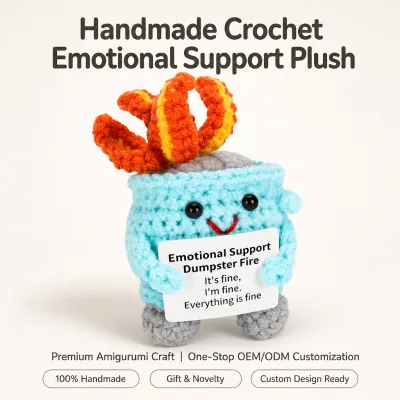
Handmade Woven Cotton Creative Cute Animal Knitted Emotional Support Positive Crochet Doll
$2.50 - $5.00
MOQ: 20 Pieces

Artificial Creative Positive Card Cute Animal with Rose Handmade Crochet Animal Knitted Doll
$2.50 - $5.00
MOQ: 20 Pieces

Knitted Various Animal Doll Woven Cotton Emotional Support Positive Handmade Crochet Doll
$2.50 - $5.00
MOQ: 20 Pieces

Cute Crochet Positive Fruit Emotional Support Doll Knitted Handmade Crochet Decoration Doll
$2.50 - $5.00
MOQ: 20 Pieces

$2.50 - $5.00
MOQ: 20 Pieces

Creative Knitted Crochet Cute Woven Cotton Support Positive Rubbit Doll Handmade Crochet Decoration
$2.50 - $5.00
MOQ: 20 Pieces
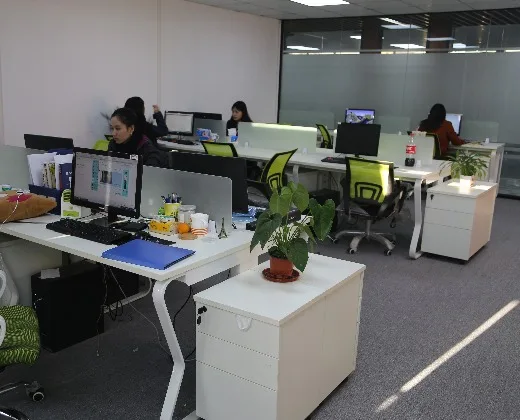
Hebei Guzhong Trading Co., Ltd.
- Trading Company
- Hebei, China
- Lead time7 days
- Avg. response≤ 5h
Main productscrochet yarn,crochet toys,baby teether,crochet rattles,macrame cord
Main marketsNorth America(40.00%), Northern Europe(30.00%), Oceania(20.00%)
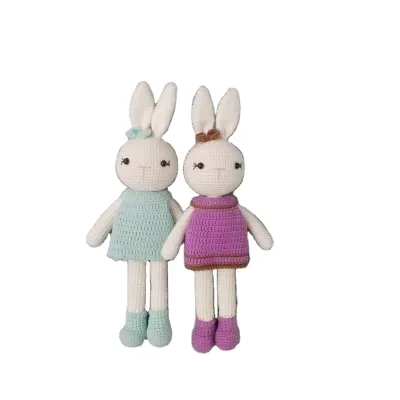
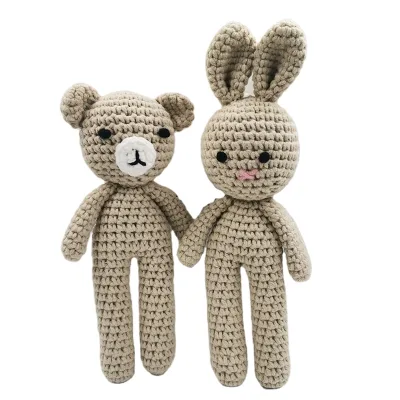
Dropshipping Hot Sale Cotton Handmade Doll Amigurumi Bunny Knitted Baby Crochet Toy
$10.0666 - $12.6307
MOQ: 10 pieces
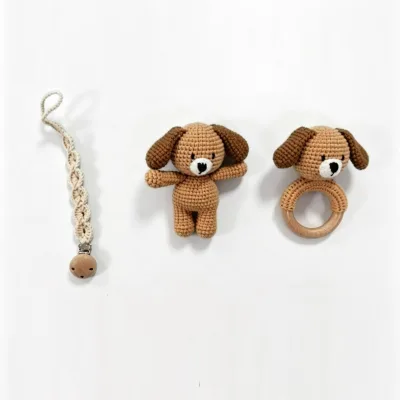
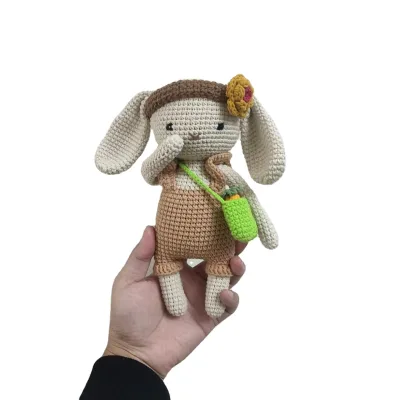
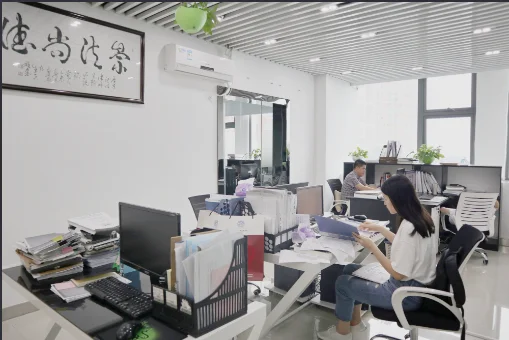
Shaoxing Changxu Textile Co., Ltd.
- Trading Company
- Zhejiang, China
- Lead time15 days
- Avg. response≤ 1h
Main productstextile craft,embroidery craft,needlework,fabric craft,DIY
Main marketsDomestic Market(40.00%), North America(20.00%), Eastern Europe(10.00%), South America(10.00%), Southeast Asia(5.00%), Eastern Asia(5.00%), Mid East(5.00%), Africa(5.00%)


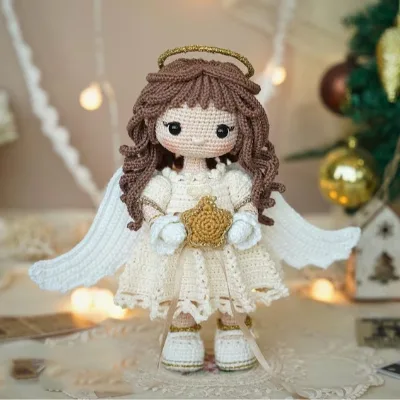
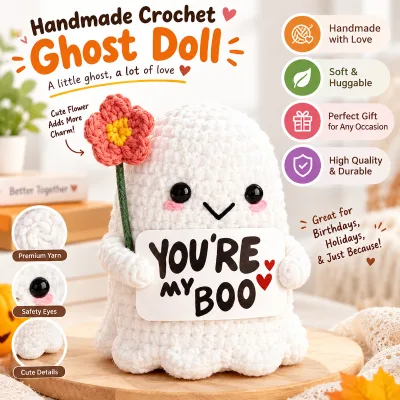
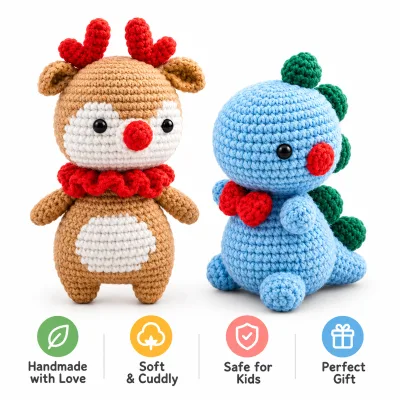
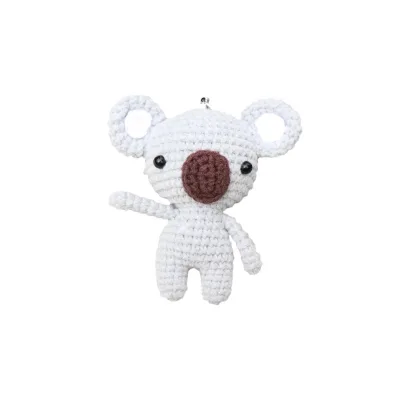
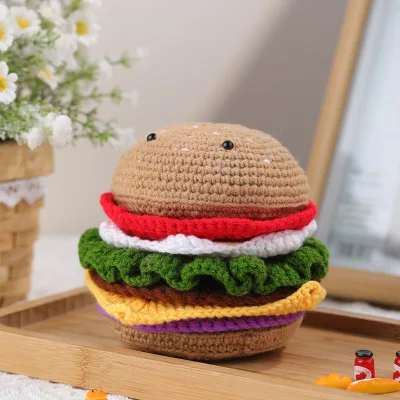
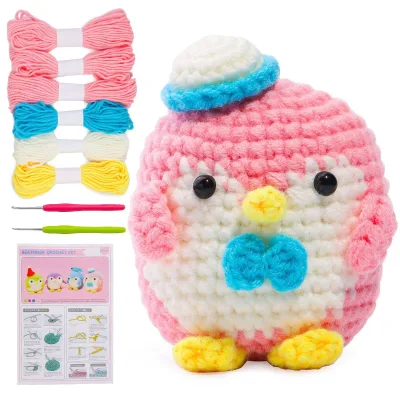


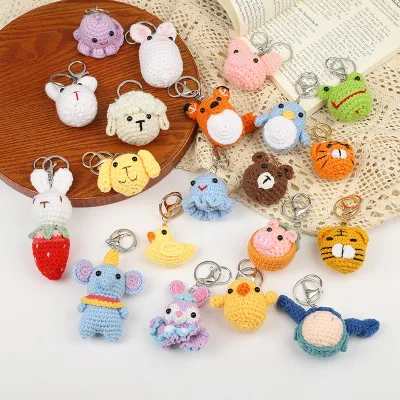
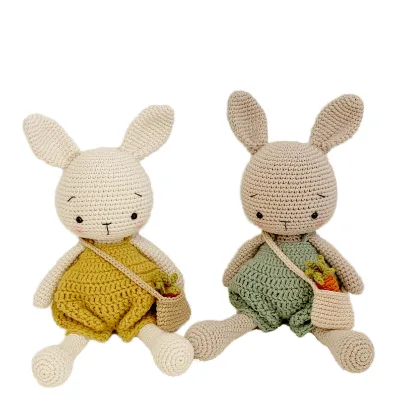
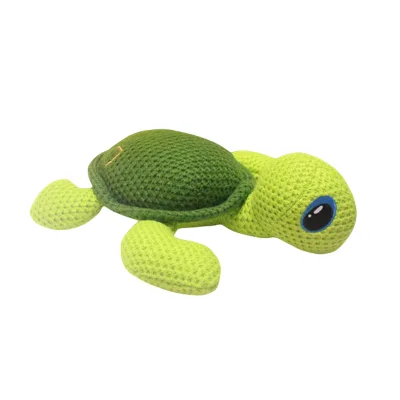
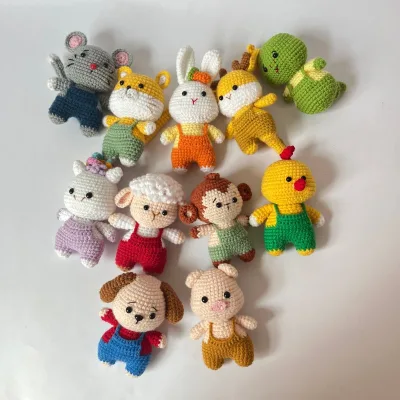
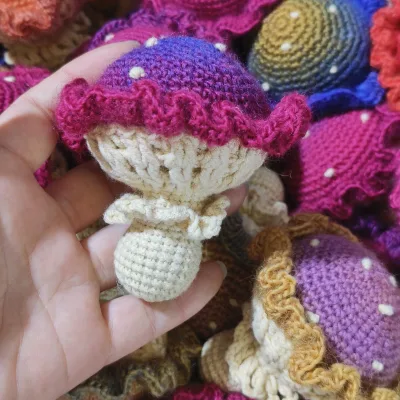
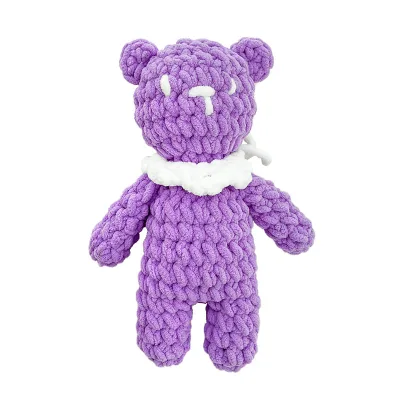
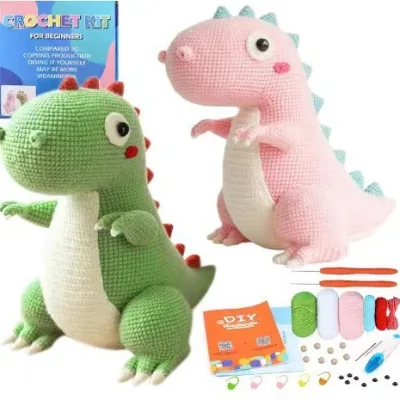
Comprehensive Sourcing Guide
Hand Knitted Soft Decorative Amigurumi Supplier Concentration and Factory Types
Suppliers of Hand Knitted Soft Decorative Amigurumi fall into two broad company types: manufacturers and trading companies. Manufacturer-suppliers typically showcase main products such as beanies, scarves, gloves, socks, crochet dolls, and handmade crochet toys, which signals a knitted-and-crocheted goods production base rather than a general gift reseller. Trading companies, by contrast, may aggregate amigurumi output from several workshops, giving buyers broader design range but less direct visibility into stitching quality control and worker skill levels. Because this category is hand-intensive, the distinction matters: a manufacturer with in-house sample processing, graphic processing, and customized on-demand capability can iterate designs faster than an intermediary relaying requests.
Geographically, one supplier result in this category identifies Jiangsu, China as the place of origin, indicating an established knitted-goods cluster in that province. Buyers should treat that as a starting point for regional search, but also verify whether each shortlisted supplier genuinely manufactures in the declared location or sources from surrounding workshops. When no location is displayed for a supplier, buyers can infer cluster involvement from product attributes such as declared place of origin, handmade construction, and overlapping knitted main products. Practical screening steps include requesting workshop photos or video calls, asking how many crocheters are directly employed, and confirming whether the supplier can produce the hand-stitched density and finishing your design requires without subcontracting to unvetted third parties.
How to Verify Hand Knitted Soft Decorative Amigurumi Suppliers
Verification for Hand Knitted Soft Decorative Amigurumi should begin with third-party credentials displayed on supplier profiles. In this category, some suppliers list system certifications such as BSCI, OEKO-TEX STeP, and EN 71, which respectively address social compliance, textile production standards, and toy safety. Because amigurumi are frequently marketed to households and sometimes to children, EN 71 relevance is high, and buyers should ask for the actual certificate documents rather than relying on badge claims. Independently verified badges, such as a TÜV Rheinland verification flag, add another layer of assurance that the company's registration and business scope have been audited by a recognized body.
Beyond paperwork, conduct a functional verification cycle. Ask whether samples are available — several product listings in this category explicitly mark samples as available — and evaluate stitch tension, stuffing firmness, seam strength, and colorfastness on the sample before committing. Check declared product attributes against your spec: cotton material, single-item packing in OPP bags, and declared package dimensions should match your retail requirements. For suppliers without displayed certifications, request recent third-party test reports for the specific material batch, not just company-level documents. Finally, confirm the legal entity name on certificates matches the export entity on invoices, and verify production ownership by asking which processes are performed in-house versus outsourced. A supplier that cannot answer these questions consistently should be treated as higher risk regardless of listing quality.
What to Compare Across Hand Knitted Soft Decorative Amigurumi Suppliers
Build a comparison matrix using the dimensions suppliers actually display, without assuming every supplier shows every attribute. Lead time is a primary differentiator: results in this category show suppliers quoting around 25 days and others around 60 days for production, a gap that materially affects reorder planning for seasonal decorative items. Response speed is equally practical — displayed response times range from roughly two to three hours among suppliers here — and slow pre-sales responses usually predict slow problem resolution later. Compare MOQ directly against product-level data: this category contains listings with MOQs as low as 50 pieces and others at 200 pieces, so match minimums to your retail volume for small decorative pieces.
Compare product economics using displayed unit prices, which in this category span from under two dollars for small positive-word crochet toys to around eleven dollars for larger soothing companion dolls, and keychain items clustering between roughly two and three dollars. Also compare main-product portfolios: a supplier whose core lines are knitted accessories and crochet toys is likelier to have skilled hand-knitters than a general gift trader. Establishment year, escrow availability, declared location, and whether the supplier is a manufacturer or trading company round out the matrix. Note which attributes are absent for particular suppliers and flag them as items to confirm during outreach, rather than treating missing data as negative evidence.
Common Hand Knitted Soft Decorative Amigurumi Sourcing Risks
The most frequent risk in this category is overestimating production capacity for genuinely handmade goods. Hand knitted amigurumi cannot be scaled like machine-knitted textiles, and a supplier quoting a short lead time for a large custom order may quietly subcontract to home workshops with inconsistent stitch quality. Mitigate this by asking for the realistic monthly output for your specific design complexity and by sequencing a pilot order before scaling. A second risk is sample-to-bulk divergence: a listing marked "sample available" proves nothing about whether mass production maintains the same yarn weight, eye attachment security, and stuffing density. Always approve a golden sample and reference it contractually.
Communication and attribute risks follow. Some listings contain typographical errors or vague material declarations such as "other" instead of a fiber composition — treat these as prompts to demand a written material specification sheet before payment. Toy-adjacent decorative items carry safety exposure if small parts, safety eyes, or embellishments detach; a buyer selling into regulated markets should verify test coverage rather than assume certification applies to the shipped SKU. Pricing risk arises when quotes are tied to narrow assumptions: a low per-piece price at 50-piece MOQ may not survive customization such as woven labels, custom colors, or branded packaging. Finally, confirm the sample fee, sample time, and whether delivery time starts from sample approval, since one listing defines delivery timing exactly that way.
Hand Knitted Soft Decorative Amigurumi Regional Sourcing and Logistics
The only region asserted in current supplier data is Jiangsu, China, declared as place of origin for knitted toy products. That gives buyers a concrete anchor: searching within Jiangsu's knitted-goods network tends to surface suppliers with local access to yarn supply, skilled crocheters, and freight forwarders familiar with plush and stuffed-item export requirements. However, regional sourcing decisions should also weigh what is not displayed — some suppliers list no location at all, so include a location-confirmation step in first contact, and ask whether production, quality inspection, and packing happen at the declared site or at partner workshops elsewhere.
Logistically, Hand Knitted Soft Decorative Amigurumi are lightweight, compressible, and non-hazardous, which favors consolidated sea or rail freight for replenishment and air freight for launches. Product data here shows very low single-item gross weights — some keychain items around 0.02 kg and small ornaments around 0.1 kg — so freight cost is usually driven by volume rather than weight, making carton-dimension optimization and compression packing worth negotiating. Standard packing in this category is one piece per OPP bag, which protects delicate stitching during transit but still benefits from double-wall cartons for long sea routes. Ask each supplier for their standard export carton specification, whether they can add desiccants for humid destinations, and which Incoterms they regularly handle, since first-time exporters of handmade goods sometimes underestimate documentation needs.
Hand Knitted Soft Decorative Amigurumi Commercial Terms and Order Planning
Order planning in this category should reconcile MOQ, lead time, and price simultaneously. Displayed data illustrates the trade-off: decorative key rings at roughly $2.35 carry a 200-piece MOQ, while positive-word crochet toys around $1.99 carry only a 50-piece MOQ, and product attributes show production times ranging from 7 to 30 days depending on the item. Company-level lead times of 25 and 60 days coexist in the same category, so always reconcile the listing's production time with the supplier's stated lead time and confirm which applies to customized orders. For new designs, add sample time — one listing declares 7 days for samples — before mass production begins.
Commercially, negotiate payment structure, customization scope, and defect handling together. Where OEM and customized logo work is accepted, as several listings here indicate, specify whether logo printing, woven labels, or color changes alter unit price or lead time, and confirm customization terms in writing. For payments, prefer secure channels such as escrow or letters of credit for first orders, and split payment into a deposit and a balance released after pre-shipment inspection. Plan reorder calendars around the handmade production reality: build buffer stock ahead of seasonal decorative peaks, since hand-knitting capacity cannot be surged quickly. Finally, define an acceptable defect rate and inspection method — AQL sampling works even for handmade goods — so that quality disputes have a pre-agreed resolution basis.
(word count check: sections of ~225–235 each, total within range)
FAQs
What is the typical lead time for custom amigurumi orders?
The standard production lead time is 25 days for general orders, though some suppliers indicate a range of 7 to 30 days depending on complexity. Sample processing usually takes around 7 days. Buyers should confirm specific timelines with the manufacturer before placing bulk orders to ensure timely delivery.
What are the minimum order quantities for these products?
Minimum order quantities vary significantly by product type. Some items like positive crochet toys require only 50 pieces, while others such as cherry key rings need 200 pieces. Buyers should check the specific product listing for the exact MOQ, as it depends on the customization level and material used.
Are these toys safe for babies and young children?
Many suppliers offer products certified to EN 71 and CE standards, ensuring safety for children. Materials often include soft cotton or plush, and some items are explicitly marketed as baby soothing companions. Buyers should verify specific age ranges and safety certifications for each product to ensure compliance with local regulations.
What certifications do these manufacturers hold?
Manufacturers often hold BSCI, OEKO-TEX STeP, EN 71, and CE certifications. Some suppliers are also verified by TüV Rheinland. These certifications indicate adherence to social responsibility, environmental standards, and product safety requirements. Buyers should request valid certificates to ensure the supplier meets their specific compliance needs.
Can I customize the logo and design of the toys?
Yes, most suppliers accept customized logos and designs. Options include woven labels, custom prints, and tailored sizes. OEM and ODM services are widely available, allowing for unique branding. Buyers should provide detailed design files and confirm customization capabilities with the supplier before finalizing the order to avoid discrepancies.
What is the price range for hand knitted amigurumi?
Prices typically range from $1.99 to $11.00 per unit, depending on the product complexity and material. Simple decorative items may cost around $2.10, while larger or more intricate dolls can reach $11.00. Buyers should request quotes based on their specific quantity and customization requirements to get accurate pricing.
How quickly do suppliers respond to inquiries?
Suppliers generally respond within 2 to 3 days. This response time allows buyers to receive initial quotes and product details promptly. Faster response times often indicate efficient customer service. Buyers should expect replies within this window and follow up if necessary to maintain communication momentum during the sourcing process.