Touch Screen Camel Leather Gloves Suppliers and Manufacturers
Find 20 verified suppliers offering Touch Screen Camel Leather Gloves with OEM capabilities and varied lead times. Compare locations in China, response speeds, and pricing ranges to select the right partner for your order; review the available evidence before requesting comparable quotations from suitable candidates.
Updated
Suppliers List

Shijiazhuang Janefan Import and Export Trade Co., Ltd.
- Verified by CTI
- Trading Company
- China Hebei
- Lead time60 days
- Avg. response≤ 12h
Main productsSheepskin Glove, Leather Glove, Sheepskin Hat, Wool Glove, Sheepskin Earmuff, Wool Felt Hat
Main marketsEurope,North America

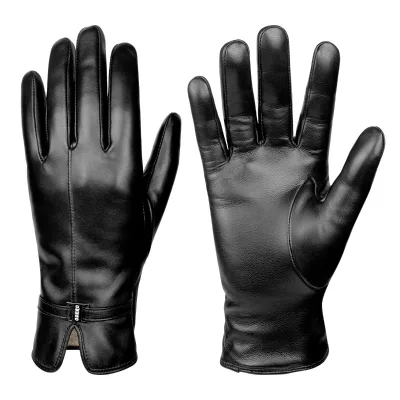
Wholesale Sheepskin Leather Gloves Winter Touch Screen Leather Gloves for Ladies
$6.50 - $6.90
MOQ: 200 Pairs

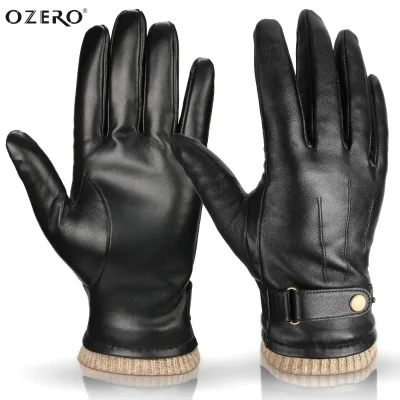
Custom Fashion Leather Winter Touch Screen Sheepskin Leather Gloves Male Hand Gloves
$6.10 - $6.50
MOQ: 100 Pairs

Fashionable Lambskin Genuine Leather Gloves Sheepskin Leather Gloves for Men
$7.00 - $7.50
MOQ: 100 Pairs


Fashion Ladies Autumn Winter Warmth Sheep Leather Touch Screen Gloves for Women
$6.70 - $7.20
MOQ: 100 Pairs

Custom Men Winter Warm Elastic Cuff Touchscreen Patch Sheepskin Leather Gloves
$4.30 - $4.60
MOQ: 100 Pairs
Xinxiang Haotian Leather Products Co., Ltd.
- Manufacturer, Trading Company
- Henan, China
- Lead time45 days
- Avg. response≤ 5h
Main productsLeather gloves,PU gloves,Golf gloves,Riding gloves,Sports gloves
Main marketsDomestic Market(60.00%), North America(15.00%), Western Europe(11.00%), Southern Europe(6.00%), Eastern Europe(4.00%), Northern Europe(3.00%), Oceania(1.00%)
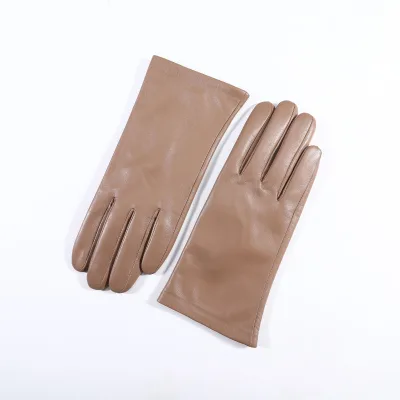
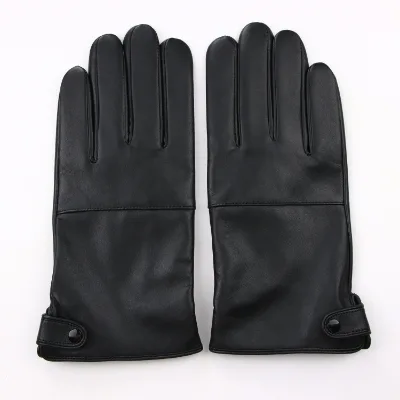
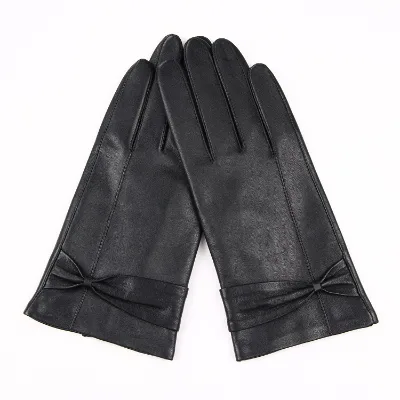
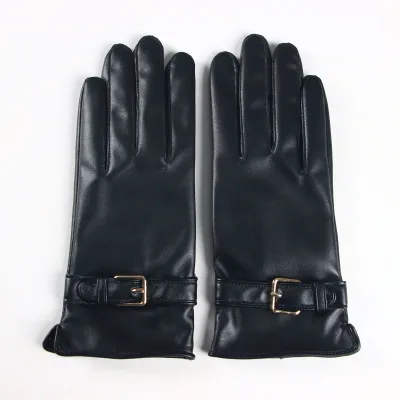
Cashmere Lining Black Sheepskin Men's Leather Gloves
$12.30 - $12.50
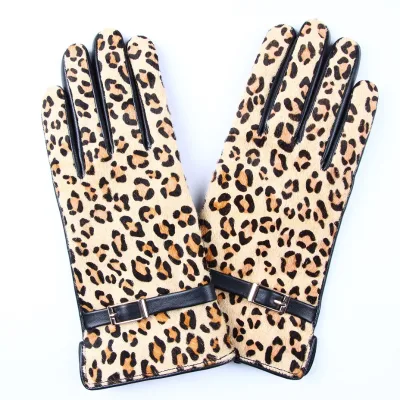
$12.2971 - $17.3177
MOQ: 10 pairs
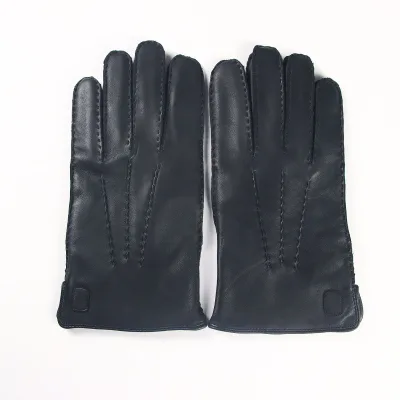
Xin Ji Geshida Apparel&accessories Co., Ltd.
- Verified by SGS Group
- Manufacturer, Trading Company
- Lead time15 days
- Avg. response≤ 5h
Main productsGloves, Sport Ware, Hats, Face Mask, Knee Pad
Main marketsDomestic Market(83%), North America(3%), Eastern Asia(2%)
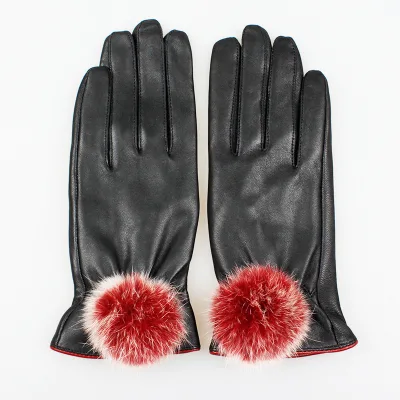
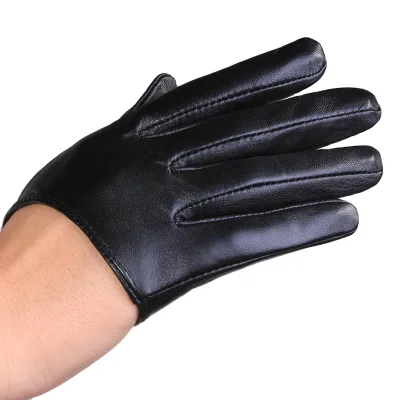
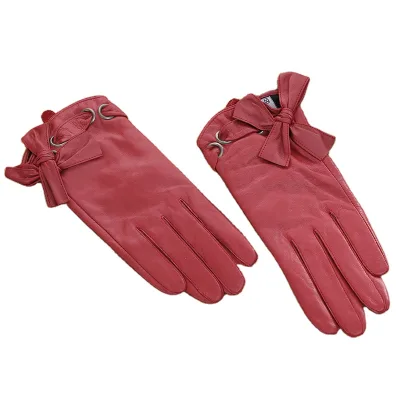
Korean Design Touch Screen Girls Motorcycle Driving Leather Sheepskin Gloves
$5.9646 - $7.4396
MOQ: 2 pairs

Fashionable Men Black Thick Winter Thermal Touchscreen Sheepskin Driving Leather Gloves
$6.2638 - $7.0851
MOQ: 1 pairs

$16.00 - $18.50
MOQ: 1 pairs


- Verified by CTI
- Trading Company
- China Anhui
- Lead time23 days
- Avg. response≤ 2h
Main productsFurniture, Home Furniture
Main marketsSoutheast Asia/ Mideast

Hebei Dishixiao Gloves Manufacture Co., Ltd
- Verified by BV
- Trading Company
- China Hebei
- Lead time15 days
- Avg. response≤ 6h
Main productsCap, Apron, Gloves
Main marketsSouth America,Europe,North America


Wholesale Sheepskin Leather Gloves Winter Touch Screen Leather Glove for Men
$3.50 - $4.00
MOQ: 100 Pieces

Ladies Long Leather Elbow Gloves Touchscreen Sheepskin Leather Dressing Gloves for Opera
$7.70 - $8.00
MOQ: 100 Pieces

Winter Leather Gloves Warm Cashmere Lined Touchscreen Sheepskin Gloves for Driving
$3.50 - $4.00
MOQ: 100 Pieces

New Design Sport Gloves Touchscreen Hand Gloves for Women and Men Winter Bicycle Warm Gloves Factory
$4.20 - $5.00
MOQ: 10 Pieces

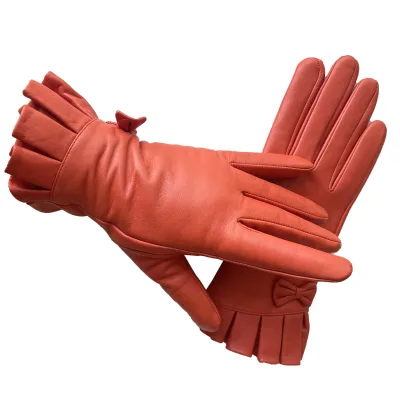
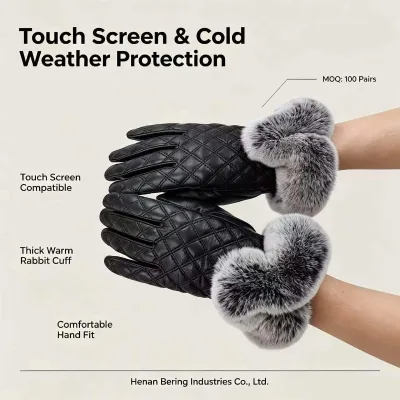
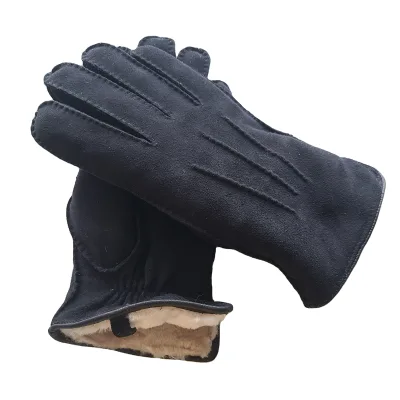
Henan Bering Industries Co., Ltd.
- Trading Company
- Lead time旺季: "1 - 100":15,"101 - 300":30,"> 300":"To be negotiated", 淡季: "1 - 100":15,"101 - 300":30,"> 300":"To be negotiated"
- Avg. response≤ 2h
Main productsGloves and Mittens, Fur Rug, Sheepskin for Garments and Shoes Lining, Hat and Cap, Sheepskin Boots and Slippers
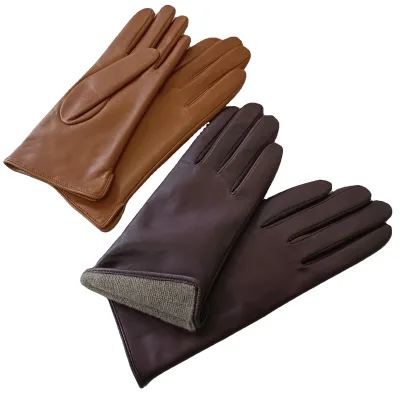
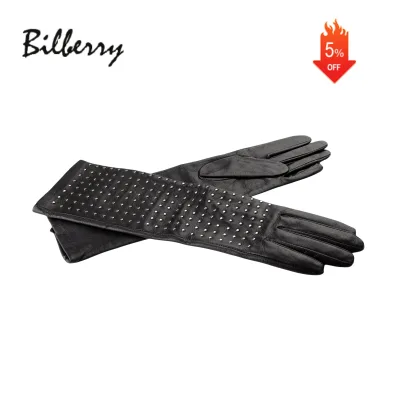
$9.1196 - $13.2187
MOQ: 100 pairs
Hangzhou Hongfu Import and Export Co., Ltd.
- Trading Company
- Zhejiang, China
- Lead time0 days
- Avg. response≤ 8h
Main productsMink, Sheepskin, Fox Fur, Leather, Parka
Hebei Dishixiao Gloves Manufacture Co., Ltd.
- Verified by Intertek
- Manufacturer, Trading Company
- Lead time5 days
- Avg. response≤ 3h
Main productsCap, Glove, Apron, T-shirt, Shopping Bag
Main marketsNorth America(20%), Domestic Market(20%), Western Europe(10%)
Haining Jinkeke Clothing Co., Ltd.
- Verified by SGS Group
- Trading Company
- Lead time30 days
- Avg. response≤ 3h
Main productsReal Leather Jackets, Real Fur Jackets, Real Fur Vests, Hats and Scarves
Main marketsNorth America(35%), Western Europe(25%), Oceania(20%)
Shijiazhuang Luhe International Trade Co., Ltd.
- Trading Company
- Hebei, China
- Lead time15 days
- Avg. response≤ 5h
Main productsReal leather,Genuine leather gloves,Genuine leather,Natural leather gloves,Labor leather gloves
Main marketsSouth Asia(10.00%), Southern Europe(10.00%), Northern Europe(10.00%), Central America(10.00%), Western Europe(10.00%), Eastern Asia(10.00%), Mid East(10.00%), Southeast Asia(10.00%), Eastern Europe(10.00%), South America(10.00%), North America(10.00%)
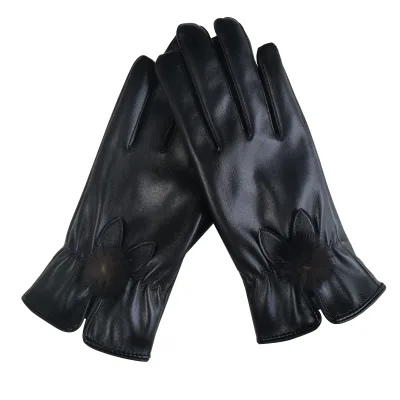
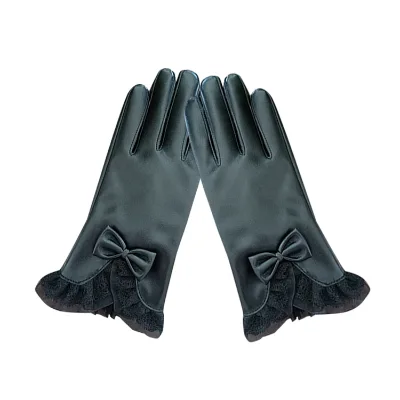
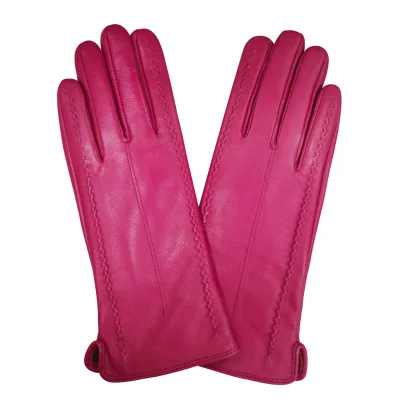
High Quality Factory Price Lady's Fashion Genuine Sheepskin Soft Leather Gloves
$11.90 - $13.50
MOQ: 100
Yiwu Hongyue Leather Goods Factory
- Trading Company
- Zhejiang, China
- Lead time0 days
- Avg. response≤ 4h
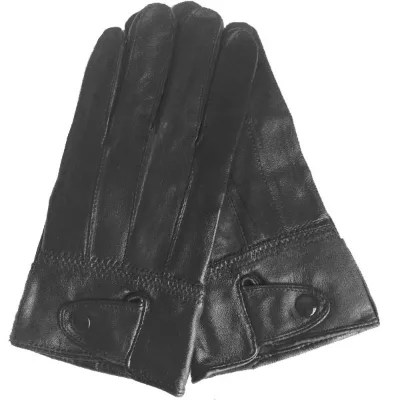
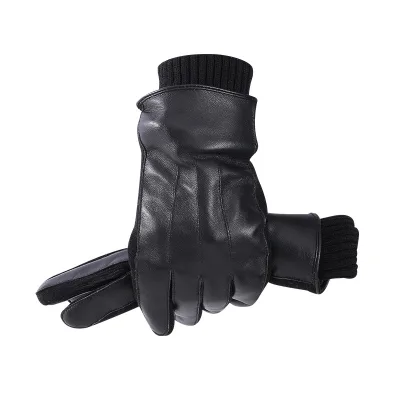
Wholesale Waterproof Winter Gloves Touch Screen Gloves Custom Logo Windproof Leather Gloves
$10.1234 - $10.8789
MOQ: 3 pairs
- Manufacturer, Trading Company
- Lead time旺季: "1 - 1":20,"> 1":"To be negotiated", 淡季: "1 - 1":20,"> 1":"To be negotiated"
- Avg. response≤ 9h
Main productsFur Coat, Cashmere Wool Coat, Shearling Coat, Knitted Beanie with Pom Pom, Faux Fur Coat
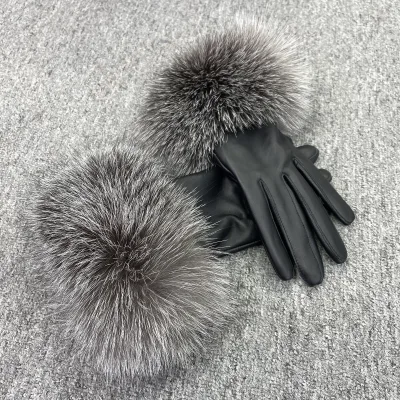
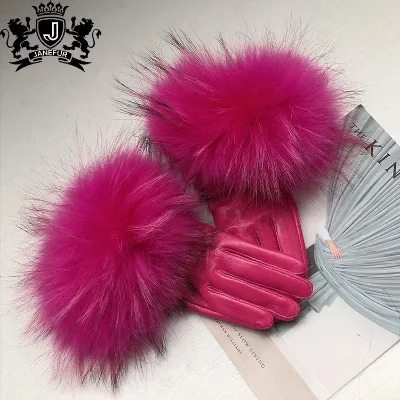
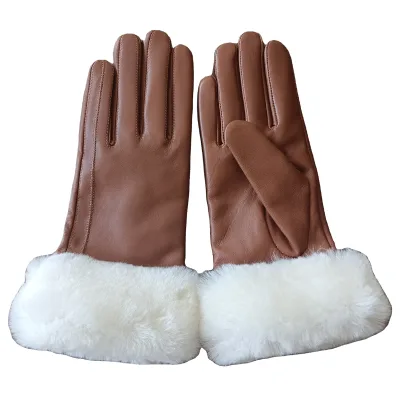
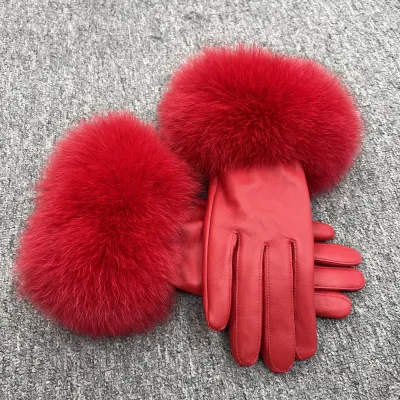
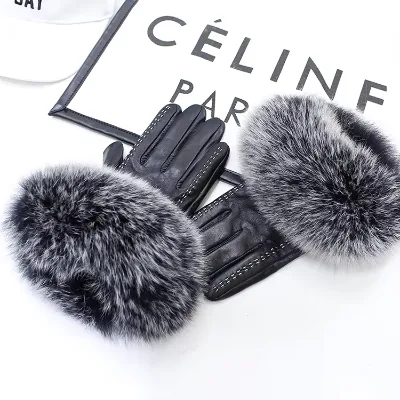
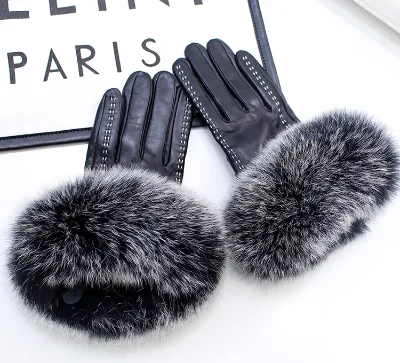
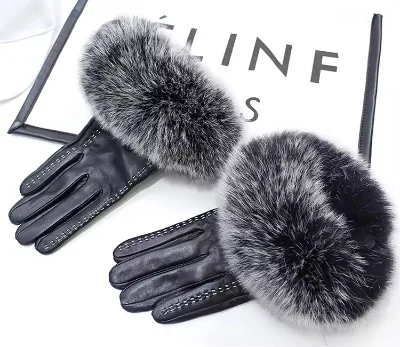
Factory Wholesale Leather Gloves With Raccoon Fur Cuff Lady Fur Trim Leather Gloves
$17.50 - $27.00
MOQ: 2

Kunshan Kairui Clothes Co., Ltd.
- Trading Company
- Jiangsu, China
- Lead time30 days
- Avg. response≤ 2h
Main productsHAT,SCARF,GLOVES,SPORTS Accessories
Main marketsNorth America(40.00%), Northern Europe(20.00%), Western Europe(20.00%), Mid East(10.00%), Oceania(10.00%)

Dongguan Gostar Sporting Goods Co., Ltd.
- Verified by BV
- Combined
- China Guangdong
- Lead time30 days
- Avg. response≤ 1h
Main productsGolf Bag, Golf Glove, Golf Headcover, Golf Products, Trolley Bag, Sporting Bag, Sporting Goods, Winter Glove, Animal Headcover, Golf Accessories
Main marketsSouth America,Others(foreignTradeCapacity.exportBusinessCapacityMarketOther),Southeast Asia/ Mideast,East Asia(Japan/ South Korea),Europe,Australia,North America

Qingdao Meiji Labor Products Co., Ltd.
- Trading Company,Manufacturer/Factory
- China Shandong
- Lead time0 days
- Avg. response≤ 6h
Main productsSafety Gloves, Work Gloves, Safety Shoes, Safety Glasses, Other PPE
Main marketsSouth America,Eastern Europe,Mid East,North America,Southeast Asia,Eastern Asia,Oceania,Western Europe,Africa

Qingdao Blue Shield Protection Products Co., Ltd.
- Verified by TUVRHEINLAND
- Trading Company
- China Shandong
- Lead time30 days
- Avg. response≤ 7h
Main productsWork Gloves, Impact Resistant Gloves, Cut Resistant Gloves, Mechanic Gloves, Tactical Glove, Leather Gloves, Welding Gloves, Gardening Gloves, Safety Shoes, Baseball Gloves
Main marketsEast Asia(Japan/ South Korea),Europe,North America

HANGZHOU JIN TIAN YIN TECH CO LTD
- Trading Company,Manufacturer/Factory
- China Zhejiang
- Lead time23 days
- Avg. response≤ 1h
Main productsSafety Glove, Face Mask, Work Gloves, Vinyl Gloves, Household Gloves, Rubber Gloves, Nitrile Gloves, Guante, Protection Gloves, Guants
Main marketsSouth America,Eastern Europe,Mid East,North America,Southeast Asia,Eastern Asia,Oceania,Western Europe,Africa

Qingdao Prosper Safety Products Co., Ltd.
- Verified by TUVRHEINLAND
- Manufacturer/Factory
- China Shandong
- Lead time45 days
- Avg. response≤ 5h
Main productsPU Gloves, Nitrile Gloves, Latex Gloves, Waterproof Gloves, Sandy Finished Gloves, Foam Finished Gloves, Disposable Gloves, PVC Gloves, Welding Glove, Cut Resistance Gloves
Main marketsSouth America,Eastern Europe,Mid East,North America,Western Europe
Henan Hanke Shengshi Import And Export Trade Co., Ltd.
- Trading Company
- Lead time旺季: "1 - 500":7,"> 500":"To be negotiated", 淡季: "1 - 500":7,"> 500":"To be negotiated"
- Avg. response≤ 5h
Main productsCap, Clothing, Garden Hose, Kitchen Tools, Storage Box
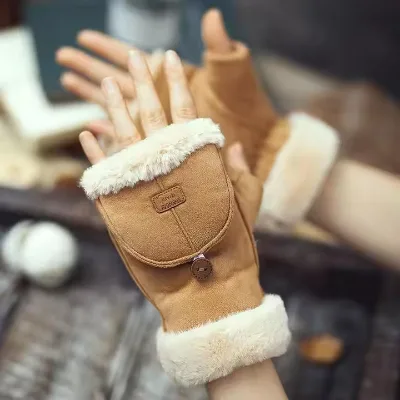
Touch Screen Gloves with Suede Lining; extra Fluffy and Warm Half Finger Cycling Gloves
$1.9553 - $2.2126
MOQ: 50 pieces
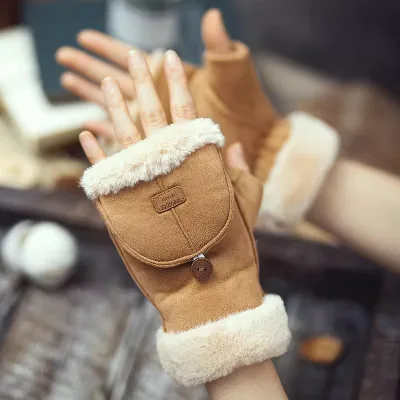
Touch Screen Gloves with Suede Lining; extra Fluffy and Warm Half Finger Cycling Gloves
$1.9478 - $2.2036
MOQ: 50 pieces
Shenzhen Hongfuya Trade Co., Ltd.
- Trading Company
- Guangdong, China
- Lead time25 days
- Avg. response≤ 3h
Main productsWinter Gloves,Racing Gloves,Safety Gloves,Oven Mitts
Main marketsNorth America(75.00%), Northern Europe(10.00%), Western Europe(7.00%), Domestic Market(5.00%), Eastern Asia(3.00%)


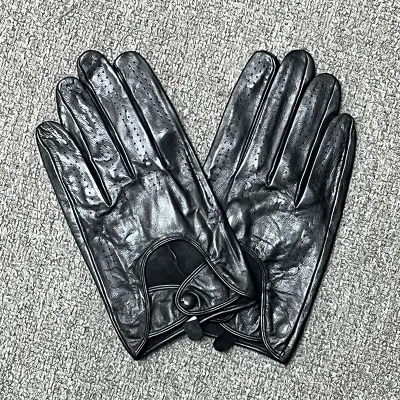
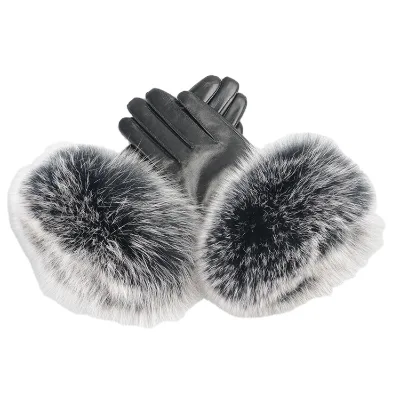
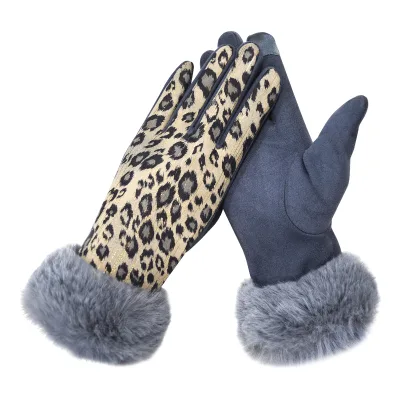
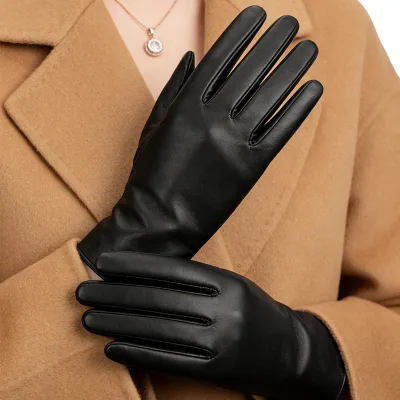


Comprehensive Sourcing Guide
Touch Screen Camel Leather Gloves Supplier Concentration and Factory Types
The current supplier landscape for Touch Screen Camel Leather Gloves reveals a distinct geographic and operational split that buyers must navigate carefully. Evidence indicates that manufacturing and trading entities are concentrated in specific Chinese provinces, with Hebei and Henan emerging as key hubs for this category. Suppliers in Hebei are primarily identified as trading companies, which suggests a model focused on aggregation and distribution rather than direct factory production. These entities often handle a broad range of apparel accessories, including sheepskin gloves, wool felt hats, and various leather products, indicating a diversified inventory strategy. In contrast, suppliers located in Henan present a mixed operational profile, with some operating as both manufacturers and trading companies. This dual capability can offer buyers more flexibility, as they may have direct access to production lines while also managing the commercial aspects of the order. The presence of both factory and trading company types in Henan highlights the region's role as a versatile sourcing destination for leather goods.
Understanding these factory types is crucial for determining the level of control and customization available for Touch Screen Camel Leather Gloves. Trading companies, such as those observed in Hebei, typically excel in consolidating orders from multiple smaller workshops, which can simplify logistics for buyers with diverse product needs. However, this model may introduce additional layers in the supply chain, potentially affecting lead times and communication efficiency. On the other hand, suppliers in Henan that identify as manufacturers may offer more direct oversight of the production process, particularly for specialized items like cashmere-lined or touch screen enabled gloves. The distinction between these types influences not only pricing structures but also the ability to implement custom designs or specific material requirements. Buyers should assess whether their priority lies in the breadth of available stock and flexible order sizes typical of trading companies, or the potential for deeper customization and direct factory interaction offered by manufacturing entities. This foundational understanding helps in aligning supplier selection with specific business goals, whether they involve rapid restocking or bespoke product development.
How to Verify Touch Screen Camel Leather Gloves Suppliers
Verifying the credibility and operational capacity of suppliers requires a multi-layered approach that goes beyond basic profile reviews. One critical step is to examine verification badges and third-party audit reports, such as CTI verification, which provide an independent assessment of a supplier’s business legitimacy and operational standards. For Touch Screen Camel Leather Gloves, it is essential to confirm that the supplier’s claimed capabilities align with their verification status. Buyers should request detailed company profiles that outline their specific experience with leather goods, particularly those involving technical features like touch screen functionality. This verification process helps distinguish between genuine manufacturers and mere intermediaries, ensuring that the partner has the necessary expertise to handle the specific material and technical requirements of camel leather and conductive thread integration. Additionally, checking for consistent response times can serve as an indicator of operational efficiency and customer service quality.
Beyond verification badges, buyers should scrutinize product evidence and attribute consistency to validate supplier claims. For instance, suppliers listing specific product models like JFLG-002 or IS68005 should provide clear specifications regarding materials, such as 100% leather or sheepskin leather, and lining types like TR lining or cashmere. It is important to verify that the supplier’s stated main products, such as sheepskin gloves or leather accessories, match the specific items being sourced. Buyers should also look for detailed product attributes, including packing methods like polybag plus carton, which indicate professional handling and shipping practices. Furthermore, confirming the origin of the products, whether from Hebei or Henan, adds another layer of authenticity to the supplier’s profile. By cross-referencing these detailed product attributes with the supplier’s overall business type and verification status, buyers can build a more accurate picture of the supplier’s reliability and capability to deliver high-quality Touch Screen Camel Leather Gloves that meet their specific standards.
What to Compare Across Touch Screen Camel Leather Gloves Suppliers
When evaluating multiple suppliers for Touch Screen Camel Leather Gloves, several key dimensions must be compared to identify the most suitable partner. Lead time is a critical factor, with observed ranges varying significantly between suppliers. Some suppliers indicate a lead time of up to 60 days, while others may offer shorter windows, such as 45 days or specific delivery windows of 30-60 days after order confirmation. This variation can impact inventory planning and market responsiveness, making it essential to align lead times with sales forecasts. Minimum Order Quantity (MOQ) is another vital comparison point, with some suppliers requiring as low as 100 pairs per color, while others may have higher thresholds. Lower MOQs are particularly beneficial for testing new markets or launching limited edition collections, whereas higher MOQs might offer better unit economics for established product lines. Buyers should carefully assess these thresholds to ensure they match their production volume capabilities and financial constraints.
Response time and pricing structure also play significant roles in supplier comparison. Suppliers with faster response times, such as those averaging around 5 hours, may provide better support during the negotiation and order placement phases, reducing the risk of miscommunication. Pricing should be analyzed in conjunction with product specifications, as variations in lining materials, such as cashmere versus polyester, can affect both cost and perceived value. For example, cashmere-lined gloves may command a higher price point compared to standard TR-lined options. Additionally, comparing the range of main products offered by each supplier can reveal their specialization and depth of expertise. Suppliers focusing exclusively on leather gloves might offer more specialized knowledge and quality control measures compared to those with a broader apparel accessory portfolio. By systematically comparing these attributes, buyers can create a weighted scoring matrix that objectively ranks suppliers based on their ability to meet specific operational and commercial requirements for Touch Screen Camel Leather Gloves.
Common Touch Screen Camel Leather Gloves Sourcing Risks
Sourcing Touch Screen Camel Leather Gloves involves several inherent risks that buyers must proactively manage to ensure a successful procurement process. One significant risk is the potential discrepancy between sample quality and bulk production, particularly regarding the functionality of the touch screen feature. If the conductive thread or material used is not of high quality, the gloves may fail to work with modern smartphones, leading to customer dissatisfaction and returns. Buyers should insist on pre-production samples that are rigorously tested for touch screen compatibility across various devices. Another risk is the inconsistency in leather quality, as camel or sheepskin leather can vary in thickness, softness, and durability. Suppliers may use different batches of leather, which can result in color or texture variations across a single order. To mitigate this, buyers should request detailed material specifications and, if possible, conduct third-party quality inspections during production.
Logistical and communication risks also pose challenges in the sourcing process. Miscommunication regarding packaging requirements, such as polybag plus carton specifications, can lead to damaged goods or inefficient shipping. Additionally, delays in production can occur if suppliers face raw material shortages or capacity constraints, especially during peak seasons. Buyers should establish clear communication channels and regular update schedules to monitor production progress. Another risk is the potential for non-compliance with international standards or certifications, which could hinder market entry in certain regions. While some suppliers may claim compliance, buyers should verify these claims through independent audits or certification documents. Furthermore, the reliance on trading companies can sometimes obscure the true source of production, making it harder to address quality issues directly. By identifying and addressing these risks early in the sourcing process, buyers can protect their interests and ensure a smoother transaction for Touch Screen Camel Leather Gloves.
Touch Screen Camel Leather Gloves Regional Sourcing and Logistics
The geographic location of suppliers significantly influences logistics, shipping costs, and overall supply chain efficiency for Touch Screen Camel Leather Gloves. Suppliers located in Hebei and Henan, China, offer distinct logistical advantages depending on the buyer’s primary market. Hebei, being a major manufacturing hub, often benefits from established infrastructure and proximity to major ports, which can facilitate faster export processes. Suppliers in this region, often operating as trading companies, may have streamlined logistics networks that can handle consolidated shipments efficiently. On the other hand, suppliers in Henan, which may include both manufacturers and trading companies, offer a different logistical profile. The presence of manufacturers in Henan can sometimes reduce the number of handling steps, potentially lowering the risk of damage and improving traceability. Buyers should consider the specific port of dispatch, such as Tianjin or Shanghai, when evaluating suppliers, as this can impact transit times and freight costs.
Logistics planning must also account for the packaging specifications provided by suppliers, which directly affect shipping volume and cost. Many suppliers use polybag plus carton packaging, which is standard for protecting leather goods during transit. However, the density and weight of the cartons can vary, influencing the overall shipping cost per unit. Buyers should request detailed packaging dimensions and weights to calculate accurate freight estimates. Additionally, the lead time for production, which can range from 30 to 60 days, must be factored into the logistics timeline to ensure timely delivery to the end market. For buyers in distant regions, such as North America or Europe, understanding the transit time from Chinese ports is crucial for inventory management. Collaborating with suppliers who have experience in international shipping can help navigate customs clearance and regulatory requirements. By carefully analyzing the regional and logistical aspects of sourcing, buyers can optimize their supply chain for Touch Screen Camel Leather Gloves, ensuring cost-effective and reliable delivery.
Touch Screen Camel Leather Gloves Commercial Terms and Order Planning
Commercial terms and order planning are pivotal for managing cash flow and ensuring a smooth transaction when sourcing Touch Screen Camel Leather Gloves. Pricing is a primary consideration, with observed ranges varying based on product specifications and order volume. For instance, prices for certain models may range from $6.10 to $6.90, while more premium options with cashmere lining can exceed $12.00. Buyers should negotiate pricing based on their expected order quantities, leveraging volume discounts where applicable. It is also important to clarify the payment terms, such as deposit requirements and balance payment schedules, to align with the supplier’s financial policies. Understanding the MOQ, which can be as low as 100 pairs per color, allows buyers to plan their initial orders strategically, minimizing inventory risk while testing market response.
Order planning should also encompass the customization and branding aspects of the purchase. Many suppliers offer OEM services, allowing buyers to customize product models, packaging, and even branding elements. This flexibility is particularly valuable for Touch Screen Camel Leather Gloves, where brand identity can differentiate products in a competitive market. Buyers should discuss the feasibility and cost implications of customizations, such as specific leather colors or touch screen configurations, during the initial negotiation phase. Additionally, considering the delivery time, which is often 30-60 days after order confirmation, is essential for aligning production schedules with market launch dates. Buyers should build buffer time into their planning to account for potential delays. By carefully structuring commercial terms and planning orders with these variables in mind, buyers can secure favorable conditions and ensure a successful sourcing experience for Touch Screen Camel Leather Gloves.
FAQs
What is the price range for Touch Screen Camel Leather Gloves?
Prices for these gloves typically range from $6.10 to $9.50 per pair. Specific models like the camel genuine sheepskin version are priced between $8.86 and $9.50. Other leather options start as low as $4.30. Buyers should verify exact costs based on quantity and customization needs.
What is the minimum order quantity for these gloves?
The minimum order quantity is generally 100 pairs per color for most models. Some specific items may require a minimum of 200 pairs. Buyers should confirm the exact MOQ with the supplier before placing an order to ensure compliance with their production requirements and pricing tiers.
How long does delivery take for these gloves?
Delivery times typically range from 30 to 60 days after order confirmation. Some suppliers offer a standard lead time of 45 to 60 days. Buyers should confirm the exact schedule with the supplier to plan inventory effectively and avoid delays in meeting seasonal demand or specific project deadlines.
Are these gloves made from genuine sheepskin leather?
Yes, many models are crafted from genuine sheepskin or lambskin leather. The material is often specified as 100% leather or sheepskin leather. Buyers should check the product specifications to confirm the exact material composition and ensure it meets their quality standards and comfort requirements for winter wear.
Where are these gloves manufactured?
These gloves are primarily manufactured in China, specifically in regions like Hebei and Henan. Suppliers in these areas specialize in leather goods and offer various production capabilities. Buyers can verify the exact origin on the product page to ensure alignment with their sourcing preferences and logistical requirements.
Do these gloves support touch screen functionality?
Yes, many models are designed with touch screen compatibility for convenience. This feature allows users to operate devices without removing the gloves. Buyers should look for keywords like touch screen in the product description to confirm this functionality and ensure the gloves meet their practical usage needs.