Source FDA Certified Saffron Extract Powder for Medicine Food Supplements
Find 30 verified listings for FDA Certified Saffron Extract Powder suitable for medicine, food, and health care products. Compare specifications, certifications, and pricing from multiple suppliers to identify the best fit for your needs.
Key considerations
Products List


Natural Plant Extract Supplements Saffron Extract Powder 0.3% Safranal
$120.00 - $150.00
MOQ: 1 kilograms



Comprehensive Sourcing Guide
Strategic Sourcing Guide for FDA Certified Saffron Extract Powder
Navigating the global market for botanical extracts requires a disciplined approach, particularly when the core keyword involves specific regulatory endorsements like FDA certification. For procurement professionals seeking FDA Certified Saffron Extract Powder, the objective is to secure a supply chain that balances botanical authenticity, rigorous compliance, and operational reliability. This guide synthesizes available market data and technical facts to provide a framework for evaluating potential suppliers without relying on unverified claims or speculative market figures. The focus remains on evidence-based criteria, ensuring that every sourcing decision is grounded in observable product attributes and established industry standards.
Technical Specifications and Botanical Authenticity
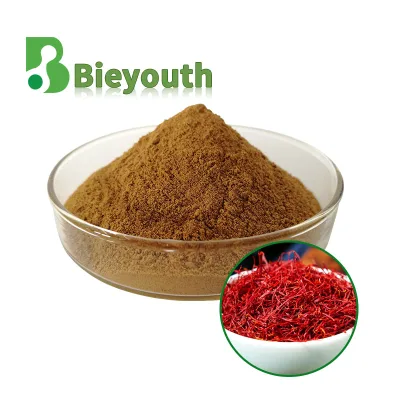
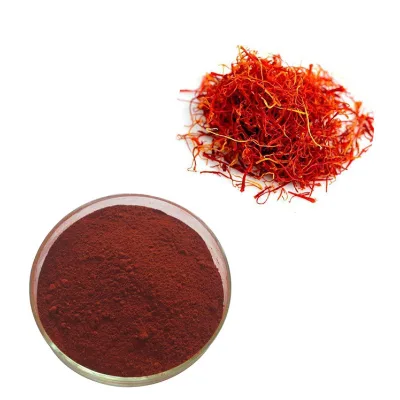
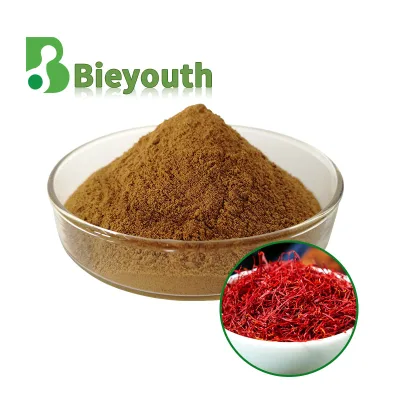
The foundation of any successful procurement strategy for saffron extract lies in verifying the botanical source and the specific technical parameters of the final powder. Saffron is derived from the flower of Crocus Sativus L., and the part used is exclusively the flower. Buyers must ensure that the product specification aligns with this botanical origin to avoid adulteration with cheaper fillers or incorrect plant species. The physical appearance of the extract is typically described as a brown or red-brown fine powder, with a particle size specification that often requires 95% of the material to pass through an 80-mesh sieve. This granularity is critical for uniformity in downstream manufacturing processes, whether the extract is intended for encapsulation or direct food fortification.
The extraction process is another vital technical variable. The supplied data indicates that solvent extraction is the primary method, utilizing a combination of ethanol and water. This specific solvent system is chosen to maximize the yield of active compounds while maintaining safety profiles. The concentration ratios are a key differentiator in the market, with common specifications ranging from 4:1 to 10:1. Furthermore, the potency of the extract is often quantified by the safranal content, with a specific benchmark of 0.3% observed in certain product models. When evaluating a supplier, procurement teams must request batch-specific assay reports that confirm these ratios and chemical concentrations, as these figures directly impact the efficacy and pricing of the material.
Compliance Framework and Certification Verification
The term "FDA certified" is frequently used in marketing, but in a B2B context, it requires precise interpretation. The United States Food and Drug Administration (FDA) regulates facilities and products but does not typically issue "certifications" in the same manner as third-party bodies. Instead, compliance is demonstrated through facility registration and adherence to Current Good Manufacturing Practices (cGMP). The provided data confirms that many suppliers in this sector hold HACCP, ISO, and FDA-related compliance statuses. However, buyers must distinguish between a supplier's internal claims and verifiable documentation.
Beyond FDA alignment, the global market for saffron extract relies heavily on international certifications to ensure safety and market access. The observed product attributes list a robust array of certificates, including ISO, Halal, Kosher, SGS, and BRC. These certifications are not merely administrative hurdles; they are essential for accessing specific regional markets. For instance, Halal and Kosher certifications are mandatory for products entering Muslim and Jewish markets, while BRC (British Retail Consortium) is a gold standard for food safety in the UK and Europe. The presence of RoHS certification in some listings suggests compliance with restrictions on hazardous substances, which is particularly relevant for electronic packaging components or specific industrial applications, though less common for food-grade extracts.
Buyers should verify that the certification documents are current and issued by accredited bodies. The data indicates that some suppliers possess multiple overlapping certifications, such as HACCP, FDA, ISO, BRC, and RoHS simultaneously. While this indicates a high level of operational maturity, it also necessitates a deeper audit to ensure that the specific batch of saffron extract being purchased is covered under these certificates. The verification process should include checking the scope of the certificate to ensure it explicitly covers "Saffron Extract Powder" or the specific botanical source Crocus Sativus L.
Cost Drivers and Pricing Dynamics
Understanding the cost structure of saffron extract powder is essential for budgeting and negotiation. The observed price range in the market spans from 1 to 920 USD, a variance that reflects differences in concentration, purity, certification levels, and order volume. Several factors drive these costs. First, the botanical source itself is a primary driver; saffron is one of the most expensive spices globally due to the labor-intensive harvesting process. The concentration ratio (e.g., 4:1 vs. 10:1) significantly impacts the price, as higher ratios require more raw material to produce a unit of extract.
Second, the level of customization available influences the final cost. The data confirms that customization is available for this product category. Customization can include specific particle sizes, tailored solvent ratios, or unique packaging requirements. Suppliers may charge a premium for these bespoke solutions compared to standard off-the-shelf inventory. Additionally, the grade of the material plays a role; the available data specifies "Food Grade" as a standard classification. If a buyer requires pharmaceutical-grade material, the cost will likely be higher due to the stricter quality control and testing protocols involved.
The Minimum Order Quantity (MOQ) is another critical cost driver. The observed MOQ range is between 1 and 1000 units. Smaller MOQs, such as 1 unit, are often associated with higher per-unit costs due to the fixed overhead of processing and packaging. Conversely, larger orders that meet the standard 25kg/drum specification may benefit from economies of scale. Buyers must balance the need for inventory flexibility with the cost efficiency of bulk purchasing. It is also important to note that the lead time, observed as 3-5 days for many suppliers, can affect pricing. Expedited shipping or immediate availability from stock may command a premium over scheduled production runs.
Typical Applications and Formulation Compatibility
The versatility of saffron extract powder makes it a valuable ingredient across multiple industries. The primary applications identified include Medicine, Health Care Products, and Food. The product is specifically designed for use as a nutritional supplement, leveraging its functional properties. The observed functions of the extract include anti-tumor properties and the ability to calm emotions, which aligns with traditional uses and modern research into saffron's bioactive compounds.
The application forms are diverse, reflecting the adaptability of the powder. The data lists Capsule, Tablet, Paste, Suppository, Lotion, and Injection as potential forms. This wide range indicates that the extract can be formulated into solid oral dosage forms, semi-solid topical applications, and even parenteral preparations. However, the feasibility of each form depends on the specific purity and particle size of the extract. For instance, the Injection form requires a higher degree of purity and sterility compared to a Tablet or Capsule. The Assay Methods used to verify quality include UV, HPLC, GPC, and HPLC-MS, which are standard techniques for ensuring the consistency of active ingredients in these various forms.
When selecting a supplier, buyers must ensure that the extract's specifications match their intended application. For example, if the goal is to produce a dietary supplement in capsule form, the particle size and flow properties of the powder are critical. If the application is a cosmetic lotion, the solubility and stability in ethanol and water mixtures become the primary concerns. The data also notes that the extract is available in various packaging formats, including Aluminium Bags, Drums, and Cartons, which must be compatible with the buyer's downstream manufacturing equipment.
Supplier Evaluation and Quality Control Protocols
Evaluating a supplier for saffron extract powder requires a multi-dimensional approach that goes beyond price and lead time. The location of the supplier is a relevant factor, with data indicating origins in Shandong, Shannxi, and general China regions. While these locations are known for botanical processing, buyers should verify the specific facility's track record and capacity. The supply ability is noted as 5000 Kilograms per month, which provides a baseline for assessing whether a supplier can meet large-scale demand.
Quality control is paramount in the botanical extract industry. The standard production model involves packing in paper drums with two plastic bags inside, or 1kg/Alu-Foil bags with 20 bags per drum, adhering to a 25kg/drum standard. This packaging is designed to protect the moisture-sensitive powder from degradation. The shelf life is typically 2 years, but this is contingent on proper storage conditions. Buyers should request detailed quality control protocols, including the specific assay methods used for each batch. The data mentions HPLC-MS and UV as common assay methods, but the specific method used for a given batch should be documented in the Certificate of Analysis (CoA).
Furthermore, the availability of free samples, typically 10-20g, is a valuable tool for initial evaluation. Buyers should utilize these samples to conduct their own internal testing or send them to third-party laboratories for independent verification. This step is crucial for confirming that the supplier's claims regarding safranal content, particle size, and microbial limits are accurate. The lead time of 3-5 days suggests a responsive supply chain, but buyers must clarify whether this refers to production time or shipping time, as this distinction affects inventory planning.
Long-Term Procurement Considerations
Sourcing saffron extract powder is not a one-time transaction but a long-term partnership that requires ongoing management. The stability of the supply chain is influenced by the seasonal nature of saffron harvesting and the geopolitical factors affecting trade. Buyers should establish clear communication channels with suppliers to monitor changes in raw material availability and pricing. The customization options available allow for flexibility in adapting to market trends, such as shifting from standard food-grade applications to specialized pharmaceutical formulations.
Sustainability and ethical sourcing are also becoming increasingly important. While the provided data does not explicitly detail sustainability certifications, the presence of ISO and Halal/Kosher certifications often implies adherence to broader ethical standards. Buyers should inquire about the supplier's practices regarding fair labor and environmental impact, especially given the labor-intensive nature of saffron cultivation. Additionally, the long-term viability of the relationship depends on the supplier's ability to maintain consistent quality over time. Regular audits and continuous monitoring of the CoA data are necessary to ensure that the product remains within specification throughout the contract period.
In conclusion, sourcing FDA Certified Saffron Extract Powder requires a meticulous approach that balances technical specifications, regulatory compliance, and cost efficiency. By focusing on the verified attributes of the product, such as the botanical source, extraction methods, and certification status, buyers can make informed decisions that mitigate risk and ensure the quality of their final products. The market offers a range of options, from small MOQs for sampling to large-scale production capabilities, but the key to success lies in rigorous supplier evaluation and a commitment to quality control at every stage of the procurement process.
FAQs
What certifications do FDA Certified Saffron Extract Powder suppliers hold?
Suppliers typically hold HACCP, ISO, FDA, BRC, and RoHS certifications alongside Halal and Kosher status. These documents verify facility compliance and safety standards for food and medicine applications. Buyers must verify that the specific certificate scope covers the botanical source Crocus Sativus L.
How is the saffron extract powder extracted and what solvents are used?
The extract is produced using solvent extraction with a combination of ethanol and water. This method maximizes the yield of active compounds while maintaining safety profiles. The resulting product is a brown or red-brown fine powder with a shelf life of two years.
Which specifications define the potency and particle size of the extract?
Common specifications include concentration ratios of 4:1, 5:1, or 10:1 with a safranal content of 0.3%. The particle size typically requires 95% of the material to pass through an 80-mesh sieve. These parameters ensure uniformity for use in capsules, tablets, or food fortification.
Can buyers request customization for packaging and product forms?
Yes, customization is available for various application forms including capsules, tablets, pastes, and injections. Packaging options range from 1kg aluminum foil bags to 25kg drums. Buyers can specify unique requirements, though this may affect the minimum order quantity and lead time.
What is the typical lead time and supply capacity for orders?
The standard lead time is within 3 to 5 days for many suppliers. Supply ability is noted as 5000 kilograms per month. This capacity supports both small trial orders and larger bulk requirements while maintaining consistent quality through established quality control protocols.
How is the product shipped and what are the packaging standards?
Products are shipped via air, sea, or courier depending on urgency and volume. Standard packaging involves paper drums with two plastic bags inside or aluminum foil bags. The 25kg drum standard ensures protection against moisture and degradation during transit and storage.