Source FDA Certified Temperature Data Logger for Pharma, Logistics, and Cold Chain
Find and compare 30 FDA Certified Temperature Data Logger options from verified manufacturers. Evaluate models with IP67 ratings, USB interfaces, and long battery life to ensure precise monitoring for pharmaceutical storage, logistics tracking, and cold chain compliance.
Key considerations
Products List


$90.00 - $120.00
MOQ: 1 Pieces


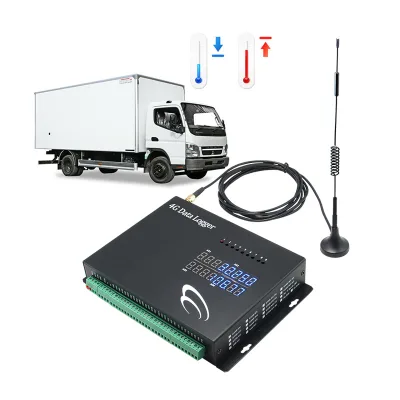
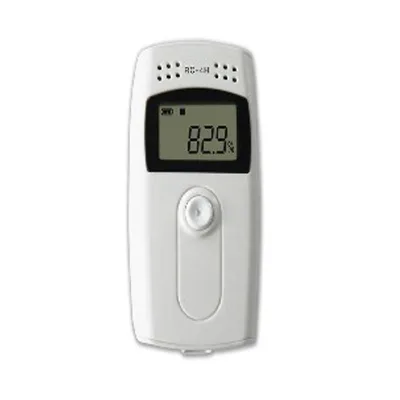


High Precision Multi-Channel Temperature Data Logger with Touch Screen
$100.00 - $599.00
MOQ: 1 Pieces


Comprehensive Sourcing Guide
FDA Certified Temperature Data Logger Sourcing Guide
Procuring FDA-certified temperature data loggers requires a disciplined approach to distinguishing between devices that merely operate in regulated environments and those explicitly validated for food safety and pharmaceutical compliance. While the term "FDA certified" is often used in marketing, the regulatory framework typically involves the device being manufactured in a facility that adheres to FDA guidelines or the device itself being cleared for specific uses under 21 CFR Part 11 for electronic records. Buyers must verify that the supplier can provide documentation proving the device's suitability for monitoring critical control points in cold chain logistics, rather than relying solely on the presence of a generic certification label.
The sourcing landscape for these instruments reveals a diverse range of models, from the RC-5 and BSK-RC-5 series to the YPL-10 and DWL-10 variants, each offering distinct capabilities for industrial and home applications. Observed listings indicate a price range between $5.7 and $599, reflecting significant variance in features such as memory capacity, battery life, and software integration. A critical decision point for the buyer is determining whether the application requires a simple automatic logger with an IP67 rating for harsh environments or a more complex unit with USB interfaces and specific software like Pidifi on Windows for detailed data analysis and reporting.
Product Scope and Observed Listing Signals
The product scope for temperature data loggers in this category spans from basic home monitoring to complex industrial applications, with specific models like the YEM-40L and YEM-20L designed for multi-use scenarios. Buyers should note that while some units are marketed for home use, others are explicitly designated for industrial usage, necessitating a clear definition of the operational environment before selection. The observed data indicates that models such as the DWL-21E feature specific physical dimensions of 120mm x 74mm x 74mm, which is a crucial factor for integration into tight storage spaces or specialized packaging where space is at a premium.
Listing signals often highlight customization availability, with many suppliers offering tailored solutions for specific temperature ranges and memory requirements. The observed range of -30°C to 70°C covers the vast majority of cold chain needs, but buyers must verify if the specific model supports the precise thresholds required for their product, such as the -30~70C standard noted in certain specifications. Furthermore, the presence of different packaging types, from standard cartons to color boxes and gift boxes, suggests that the end-user presentation may vary, which is a relevant consideration for procurement teams managing inventory or distributing units to field teams.
Technical Specifications to Verify
When evaluating technical specifications, the accuracy of the sensor is paramount, with observed models demonstrating an accuracy of ≤0.5°C, a standard that is essential for maintaining compliance in sensitive environments. Buyers must verify that the measuring method is automatic and that the display type, whether digital or LCD, provides clear, real-time feedback without requiring external power sources for basic operation. The interface capabilities, such as the USB connection found in several models, are critical for data retrieval, and the buyer should confirm that the software required to interpret this data is compatible with their existing operating systems, particularly Windows-based environments.
Memory capacity and battery life are other decisive technical factors that determine the operational longevity of the device in the field. Some units, such as the YEM series, offer a substantial memory of 8640 readings and a battery life of approximately three years using a Cr2032 cell, which supports long-term monitoring without frequent maintenance. However, other models may have different run days ranging from 1 to 360 days, requiring the buyer to align the device's endurance with the duration of their specific shipping or storage cycles to prevent data loss during critical transit periods.
Compliance and Safety Documentation
Navigating the compliance landscape for temperature data loggers involves verifying a suite of certifications that ensure the device meets international safety and environmental standards. The observed listings frequently cite certifications such as ISO, CE, RoHS, FCC, and EMC, which are foundational for market access in Europe and North America. While the term "FDA" is central to the search query, buyers must scrutinize the specific documentation to understand if the device is FDA registered, cleared, or simply manufactured in a facility that follows FDA quality systems, as the distinction impacts liability and regulatory acceptance in the United States.
Safety documentation also extends to the physical durability of the device, which is often quantified by its Ingress Protection (IP) rating. Models in the observed range display ratings such as IP65 and IP67, indicating varying degrees of protection against dust and water immersion. For applications involving washing or exposure to moisture, an IP67 rating is generally preferred, whereas IP65 may suffice for splash-resistant environments. Buyers should request test reports or datasheets that explicitly confirm these ratings under the specific conditions of their intended use to ensure the device will not fail due to environmental stress.
Cost Drivers and Commercial Terms
The cost of a temperature data logger is driven by a combination of technical complexity, material quality, and the level of customization required. The observed price range of $5.7 to $599 suggests that basic units with standard memory and limited software integration are available at the lower end, while high-end models with advanced features, longer battery life, and specialized certifications command premium prices. Material choices, such as the use of ABS plastic or resistance materials, also influence the final cost, as these components must withstand the rigors of the supply chain without degrading.
Commercial terms, including Minimum Order Quantity (MOQ) and lead times, vary significantly across suppliers, with observed MOQs ranging from 1 to 5000 units. This flexibility allows buyers to scale their procurement based on immediate needs or long-term contracts, but it also requires careful negotiation to secure favorable pricing tiers. Packaging options, which can range from standard cartons to negotiated custom solutions, further impact the total cost of ownership, as specialized packaging may be necessary to protect the devices during transit or to meet specific branding requirements for the end customer.
Supplier Qualification and Quality Control
Supplier qualification for temperature data loggers requires a rigorous assessment of their manufacturing capabilities and quality control processes. Buyers should verify that the supplier operates in regions known for electronics manufacturing, such as Henan or Shenzhen, and that they possess the necessary infrastructure to maintain consistent product quality. The presence of certifications like ISO and CE is a positive indicator, but it is equally important to request evidence of their internal quality control procedures, including how they handle calibration and testing before shipment.
Quality control extends to the verification of the device's performance against the stated specifications, such as the accuracy of ±0.5°C and the reliability of the battery life. Buyers should insist on sample testing or third-party validation reports to confirm that the devices perform as advertised under real-world conditions. Additionally, the supplier's ability to provide customization, such as specific memory configurations or software integrations, is a key differentiator that should be evaluated to ensure they can meet the unique requirements of the buyer's application.
Long-Term Procurement Checks
Long-term procurement success depends on establishing a robust framework for ongoing verification and maintenance of the temperature data loggers. Buyers should implement a schedule for regular calibration checks to ensure that the devices continue to meet the required accuracy standards over time, as sensor drift can occur with prolonged use. This proactive approach helps mitigate the risk of non-compliance and ensures that the data collected remains valid for regulatory audits and quality assurance purposes.
Furthermore, maintaining a relationship with the supplier for software updates and technical support is essential for the longevity of the procurement investment. As technology evolves, the software used to analyze data, such as the Pidifi platform, may require updates to remain compatible with new operating systems or to incorporate new regulatory requirements. Buyers should negotiate service level agreements that include access to technical support and software maintenance to ensure that their data logging infrastructure remains effective and compliant throughout the lifecycle of the devices.
FAQs
What certifications do these temperature data loggers hold?
The devices hold ISO, CE, and RoHS certifications as documented in the product specifications. Some models also meet FCC and EMC standards for electronic safety. FDA certification is noted for specific SD card memory capacity variants, ensuring compliance for regulated environments.
How accurate are the temperature measurements provided by these loggers?
The accuracy is specified as less than or equal to 0.5 degrees Celsius for the listed models. This precision applies across the measuring range of -30 to 70 degrees Celsius. Users can rely on this consistency for industrial and home monitoring applications requiring precise data logging.
Can these loggers be customized for specific industrial needs?
Yes, customization is available for these temperature data loggers to meet specific requirements. Buyers can request tailored solutions while maintaining the core IP67 or IP65 water resistance ratings. This flexibility supports diverse usage types ranging from home to industrial environments.
What is the battery life and type used in these devices?
These loggers typically use a Cr2032 battery with a life of approximately three years. The device can store up to 8640 readings and operate for 1 to 360 days depending on settings. This ensures long-term reliability without frequent maintenance or battery replacement.
Which models offer USB interface and LCD display options?
Specific models feature a USB interface and LCD display type for easy data retrieval and viewing. These units support Pidifi software on Windows for efficient data management. The digital display ensures clear reading of temperature values in various lighting conditions.
What packaging options are available for these temperature data loggers?
Packaging options include carton packaging, color boxes, and gift boxes depending on the specific model. Some listings indicate negotiation for packaging requirements to suit bulk orders. This variety allows buyers to select packaging that aligns with their distribution and branding needs.
Where are these temperature data loggers manufactured?
Manufacturing origins include Henan and Shenzhen in China for the listed product models. These locations produce devices meeting international standards like CE and RoHS. Buyers can expect consistent quality from these established production centers in the region.