Source FDA Decal Glass Liquor Bottle for Distillery, Beverage, Liquor
Compare 30 options for FDA Decal Glass Liquor Bottle from verified Chinese manufacturers. Explore variations in capacity, sealing types, and customization services for distillery and beverage applications.
Key considerations
Products List


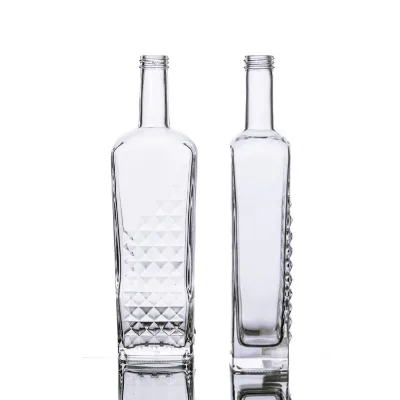
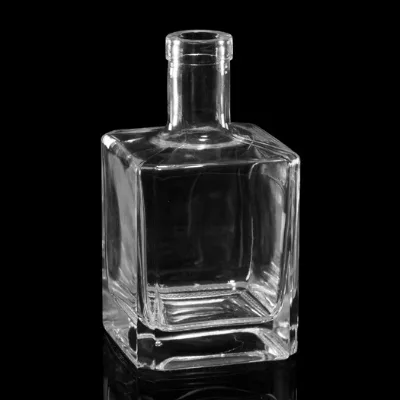
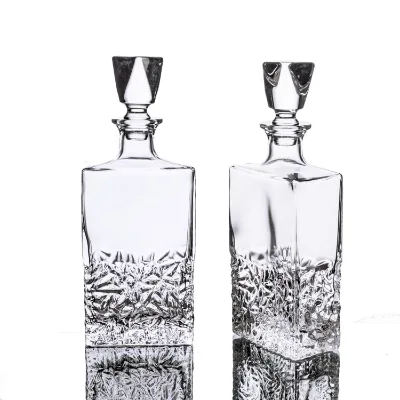


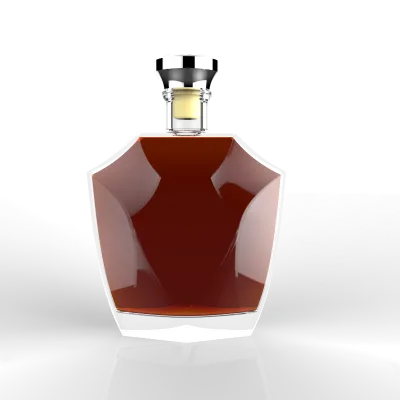

180ml Factory Direct Customized Decorated Liquor Tequila Wine Glass Bottles Labels
$0.25 - $0.45
MOQ: 5000 Pieces


Comprehensive Sourcing Guide
Strategic Sourcing Guide for FDA-Compliant Decal Glass Liquor Bottles
Understanding the Product Category and Technical Specifications
When sourcing glass liquor bottles, buyers must first distinguish between general beverage containers and specialized vessels designed for high-value spirits. The core keyword "FDA Decal Glass Liquor Bottle" points to a specific intersection of material safety, decorative capability, and intended use. Based on observed market data, these vessels are predominantly manufactured from melt glass, a material chosen for its clarity, chemical inertness, and ability to withstand the thermal and chemical stresses of distillation and aging processes. The standard form factor for these bottles is typically round, though square configurations are also available in the supply chain, offering distinct aesthetic choices for brand differentiation.
The volume capacity is a critical specification that dictates the bottle's utility. Market observations indicate a prevalent range of 451 to 800 milliliters, with specific models frequently cited at 700ml. This capacity aligns with standard international liquor sizing, making these bottles suitable for威士忌 (whisky), vodka, and brandy. The structural integrity of the glass is paramount; the material is described as "premium quality glass," ensuring resistance to breakage during filling and transport. The sealing mechanism is another vital technical component. While cork stoppers are a traditional choice for premium spirits, rubber stoppers are also observed in the market, offering an alternative sealing method that may influence the perceived value and preservation quality of the liquid inside.
Decorative Capabilities and Labeling Standards
The term "decal" in the product keyword highlights the importance of surface decoration in the liquor industry. Glass bottles serve as the primary canvas for brand identity, and the available decoration techniques are diverse. Buyers should expect a range of options including decal application, frosting, spraying, screen printing, and general printing. The specific mention of "decal" suggests a process where pre-printed graphics are applied to the glass surface, often used for complex logos or detailed artwork that is difficult to achieve through direct printing.
Labeling strategies vary significantly among suppliers. Some listings indicate "No Label" as a standard state, implying the bottle is sold in a raw or semi-finished condition where the buyer applies their own branding. Others explicitly offer "Paper Label" options or "Customized Print Available." This distinction is crucial for procurement planning. If a buyer requires a turnkey solution where the label is pre-applied, they must verify the supplier's capability for paper labeling versus the more common decal or screen printing methods. The color options are generally flexible, with "Any Color" and "Transparent" being the most common offerings. However, the transparency of the glass allows the liquid's color to be a visual feature, which is often desired for premium spirits.
Compliance, Certification, and Regulatory Verification
For liquor bottles intended for commercial distribution, particularly in markets like the United States and Europe, regulatory compliance is non-negotiable. The "FDA" in the core keyword refers to the U.S. Food and Drug Administration, which regulates materials that come into contact with food and beverages. The presence of FDA certification in the supply data indicates that the glass and any inks or coatings used are safe for direct contact with consumable liquids. However, buyers must not assume that every listed product automatically satisfies all regulatory requirements.
Beyond FDA, the observed market data includes a broader spectrum of certifications that signal a higher level of quality management and environmental compliance. These include SGS, a global inspection and verification company, ISO9001 for quality management systems, and RoHS, REACH, and LFGB for European and global chemical safety standards. The coexistence of these certifications suggests that reputable suppliers in this category adhere to rigorous testing protocols.
| Certification | Primary Focus | Relevance to Liquor Bottles |
|---|---|---|
| FDA | Food Contact Safety | Ensures glass and coatings are non-toxic for spirits. |
| SGS | Quality & Safety Testing | Provides third-party verification of material integrity. |
| ISO9001 | Quality Management | Indicates a systematic approach to consistent production. |
| RoHS/REACH | Chemical Restrictions | Ensures absence of hazardous substances in glass and inks. |
| LFGB | German Food Safety | A stringent standard often accepted globally for food contact. |
Buyers should verify that the specific batch of bottles they order carries the relevant documentation. While "Free Sample" availability is noted in the market, this does not replace the need for formal certification documents for bulk orders. The standard for these products is often described as "Customized," meaning the buyer must define the specific compliance requirements for their target market rather than relying on a generic standard.
Cost Drivers and Procurement Economics
The pricing structure for FDA decal glass liquor bottles is influenced by several variable factors. The observed price range in the market spans from $0.21 to $4.85 USD per unit. This wide disparity is not arbitrary but reflects differences in glass thickness, decoration complexity, volume capacity, and order quantity. The lower end of the spectrum likely corresponds to basic transparent bottles with minimal or no decoration, while the higher end reflects custom decal applications, specialized frosting, or premium glass formulations.
Order Volume is the most significant driver of unit cost. The Minimum Order Quantity (MOQ) observed ranges from 2,000 to 50,000 units. This high MOQ requirement is typical for glass manufacturing due to the setup costs associated with molding and decoration lines. Buyers must align their inventory planning with these thresholds to achieve viable unit economics. For smaller brands, the 2,000-unit threshold may be the entry point, whereas large distilleries might leverage the 50,000-unit range for maximum cost efficiency.
Lead time is another economic factor to consider. The standard production lead time is reported as 3 to 4 weeks. This duration encompasses glass molding, cooling, decoration (such as decal application or screen printing), and quality inspection. Any delays in the supply chain, such as raw material shortages or decoration line bottlenecks, can extend this timeline. Buyers should factor this into their production schedules to avoid stockouts, especially during peak seasons.
Supplier Evaluation and Operational Capabilities
Selecting a supplier for glass liquor bottles requires a rigorous evaluation of their operational capabilities. The supply chain data indicates that the origin of these products is primarily China, a major hub for glass manufacturing. However, the location of the supplier does not guarantee quality; the focus must be on their specific capabilities regarding customization and logistics.
Key evaluation criteria include the supplier's ability to handle "Customized" packaging and standards. The market shows options for "Carton Box," "Pallet with Paper," and "Cases+Pallets" configurations. The choice of packaging affects the final cost and the safety of the product during transit. For heavy glass bottles, robust palletization is essential to prevent breakage. Suppliers offering "Carton+Pallet" or "Cases+Pallets" demonstrate an understanding of the fragility of the product.
Payment terms are another area of due diligence. The observed payment methods include T/T (Telegraphic Transfer), Western Union, and Paypal. While these are standard, buyers should negotiate terms that protect their interests, such as partial payments before production and upon shipment. The availability of "Free Samples" is a positive indicator of supplier confidence, allowing buyers to physically inspect the glass quality, decal adhesion, and sealing fit before committing to a large order.
Quality Control and Inspection Protocols
Given the fragility of glass and the precision required for decal application, quality control (QC) is a critical phase in the procurement process. The "Premium quality glass" standard mentioned in the data implies a baseline expectation, but buyers must define their own acceptance criteria. Inspection should cover several dimensions:
- Visual Defects: Check for bubbles, stones, or uneven glass thickness that could compromise structural integrity.
- Decoration Adhesion: For decal bottles, the graphic must be firmly adhered and resistant to moisture or handling.
- Sealing Integrity: Whether using a cork or rubber stopper, the seal must prevent leakage and oxidation.
- Dimensional Accuracy: The bottle must fit standard capping machinery and labeling equipment.
The presence of SGS and ISO9001 certifications suggests that suppliers have established QC protocols. However, buyers should request a pre-shipment inspection report or conduct their own third-party inspection, especially for the first order. The "Customized" nature of the product standard means that the buyer's specific requirements should be the benchmark for acceptance, not just a generic industry standard.
Long-Term Procurement and Supply Chain Resilience
Sourcing glass liquor bottles is not a one-time transaction but a long-term partnership. The 3-4 week lead time and high MOQs require a strategic approach to inventory management. Buyers should consider the "Shipping Way" options, which include "Carton," "Pallet," and "Cases+Pallets," and select the method that best balances cost and speed. Shipping by sea is typically more economical for large volumes, while air freight may be necessary for urgent restocking, though at a higher cost.
The "Customized" nature of the product also implies that the buyer should work closely with the supplier to optimize the design for future production runs. Standardizing the bottle shape and decoration can reduce costs and lead times in subsequent orders. Additionally, maintaining a relationship with a supplier who offers "Free Samples" and flexible customization allows for iterative improvements to the packaging design based on market feedback.
In conclusion, sourcing FDA decal glass liquor bottles requires a balanced approach that weighs technical specifications, regulatory compliance, and economic factors. By understanding the range of capacities, decoration methods, and certification requirements, buyers can make informed decisions that ensure product safety and brand integrity. The observed market data provides a solid foundation for negotiation, but the ultimate success of the procurement lies in rigorous supplier evaluation and clear communication of quality standards.
FAQs
What certifications do these glass liquor bottles hold?
These bottles typically hold FDA, SGS, and ISO9001 certifications. Some listings also include RoHS, REACH, and LFGB to ensure safety for food contact. Buyers should verify specific batch documentation rather than assuming all units meet every standard.
How is the customization process handled for these bottles?
Customization is available for labeling, decorations, and packaging standards. Buyers can choose from decal, frosting, spraying, or screen printing methods. The product standard is often customized to meet specific buyer requirements rather than following a generic template.
Which capacity range is standard for these liquor bottles?
The standard capacity range observed is 451 to 800 milliliters. Specific models frequently cite 700ml as a common volume. This range aligns with international sizing for spirits like whisky, vodka, and brandy.
Can I get free samples before placing a large order?
Free samples are available in the market for this product type. This allows buyers to inspect glass quality and decal adhesion before committing. However, samples do not replace the need for formal certification documents required for bulk procurement.
What is the typical lead time for production and delivery?
The standard production lead time is reported as 3 to 4 weeks. This duration covers glass molding, cooling, decoration, and quality inspection. Buyers should factor this timeline into their inventory planning to avoid stockouts during peak seasons.
How are these bottles packaged for shipping and transport?
Bottles are typically packaged in carton boxes, pallets with paper, or cases with pallets. The choice of packaging depends on the order size and shipping method. Robust palletization is essential to prevent breakage during transit.
What sealing types are available for these glass containers?
Available sealing types include cork stoppers and rubber stoppers. Cork is traditional for premium spirits, while rubber offers an alternative method. The choice of sealing mechanism influences the perceived value and preservation quality of the liquid inside.