Source FDA Flat Rubber Gasket for Medical, Industrial, and Vehicle Uses
Compare 30 FDA Flat Rubber Gasket options from verified suppliers. These seals are available in various materials like silicone and rubber, suitable for medical, industrial, and vehicle applications with customizable sizes and colors.
Key considerations
Products List


$0.10 - $0.50
MOQ: 100 Pieces




Comprehensive Sourcing Guide
Strategic Sourcing Guide for FDA Flat Rubber Gaskets
Understanding Technical Specifications and Material Composition
When sourcing FDA flat rubber gaskets, the primary objective is to identify components that meet rigorous safety standards while maintaining functional integrity in diverse environments. The market offers a variety of material compositions, with silicone rubber and organic silicone being prominent choices for applications requiring high purity and chemical resistance. These materials are frequently selected because they offer a balance of flexibility, durability, and resistance to extreme temperatures, which is essential for sealing applications in medical, food, and industrial sectors.
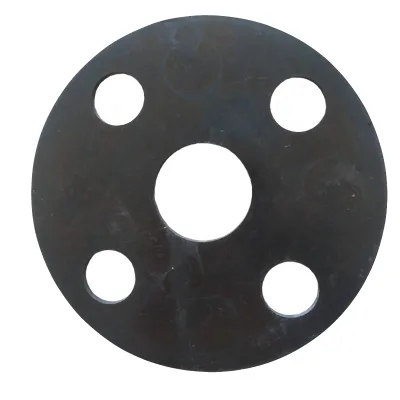
The physical form of these gaskets is critical. The observed product attributes indicate that these items are often categorized as flat gaskets or stationary seals with O-ring cross-section shapes. The cross-section geometry directly influences the sealing pressure and the ability to accommodate flange irregularities. Buyers must verify that the specific gasket design matches the mechanical requirements of their assembly, whether it is a simple flat seal or a more complex stationary seal configuration.
Color and customization are significant technical variables. Available options typically include clear, black, white, red, yellow, and grey, or fully customized colors. While color often serves as a visual identifier for different chemical resistances or batch tracking, it is not a substitute for material certification. The ability to customize the shape, logo, size, and color is a standard offering in this sector, allowing procurement teams to align the gasket with specific branding or operational identification needs. The standard and non-standard classifications suggest that while off-the-shelf dimensions exist, a significant portion of the market relies on custom specifications to fit unique machinery or vessel designs.
Compliance Verification and Certification Standards
Navigating the compliance landscape is perhaps the most critical step when sourcing FDA flat rubber gaskets. The core keyword implies a requirement for food-grade or medical-grade safety, which necessitates strict adherence to regulatory frameworks. The available data highlights several key certifications that buyers should look for, including RoHS, REACH, FDA, and ISO. These certifications are not merely marketing terms but represent verified adherence to specific chemical and safety standards.
RoHS compliance ensures that the product does not contain restricted hazardous substances, which is vital for environmental safety and electronic component integration. REACH certification confirms that the chemical substances used in the gasket manufacturing process have been evaluated for safety. The FDA certification is the cornerstone for this specific search, indicating that the material is safe for contact with food, beverages, or pharmaceutical products. However, buyers must treat these certifications as observations of specific product listings rather than universal guarantees for every item in a category.
ISO standards, particularly ISO 9001, are frequently cited as part of the quality management systems of suppliers. Some listings also reference specific standards like SGS or ISO9001-2008, which indicate a commitment to quality control processes. When evaluating a supplier, it is essential to request current, valid certificates rather than relying on general claims. The presence of these certifications should be verified against the specific application; for instance, a gasket intended for high-pressure industrial use may require different validation than one used in a household kitchen appliance.
Cost Drivers and Pricing Dynamics
The pricing structure for FDA flat rubber gaskets is influenced by a complex interplay of factors, including material costs, customization levels, and order volume. The observed price range in the market spans from $0 to $10 USD, a wide variance that reflects the difference between standard, high-volume items and specialized, low-volume custom orders. This range suggests that unit cost is highly sensitive to the specific configuration and the quantity purchased.
Minimum Order Quantity (MOQ) is a significant driver of the final cost per unit. The market data indicates an MOQ range from 1 to 5,000 units. For buyers requiring small quantities for prototyping or maintenance, the per-unit cost will be higher due to the setup and handling fees associated with low-volume production. Conversely, buyers with large-scale production needs can leverage economies of scale by ordering closer to the 5,000-unit threshold, potentially reducing the unit price significantly.
Customization is another major cost factor. While the market offers standard options, the ability to customize shape, logo, size, and color often incurs additional tooling and setup costs. Suppliers that offer "All Inclusive" packaging or specialized packing like "Inner PP Bag+Carton Box+ Pallet" may also adjust their pricing to cover these logistical services. Buyers should be aware that the "Supply Ability" of a supplier, which can be as high as 5,000,000 pieces per week, does not necessarily correlate with lower prices for small orders. The cost structure is dynamic, and procurement teams should negotiate based on their specific volume requirements and customization needs.
Typical Applications and Usage Scenarios
FDA flat rubber gaskets are versatile components utilized across a broad spectrum of industries. The observed applications include agricultural, industrial, medical, household, electronic, and automotive sectors. This wide applicability underscores the importance of selecting the right material and certification for the specific environment in which the gasket will operate.
In the medical and pharmaceutical industries, the gaskets are often used in equipment where sterility and chemical inertness are paramount. The "Medical" and "Household" applications listed suggest that these gaskets are suitable for devices that come into direct contact with consumables or sensitive biological materials. The "Electronic" application indicates use in sealing components that must resist environmental factors while maintaining electrical safety.
For industrial and agricultural machinery, the gaskets serve as stationary seals or wiper seals, preventing leaks and contamination. The "Vehicle" and "Automotive" applications highlight their role in sealing systems within transportation equipment, where resistance to oil, alkali, and vibration is crucial. The "Effect" attributes such as "Hole with Seal" and "Wiper Seal" describe specific functional roles these gaskets play in maintaining system integrity. Whether used in a simple household appliance or a complex industrial vehicle component, the gasket must provide a reliable barrier against fluids, gases, and particulates.
Supplier Evaluation and Geographic Considerations
Evaluating suppliers requires a focus on their geographic location, production capabilities, and logistical reliability. The data indicates that suppliers are located in key manufacturing hubs such as Jiangsu, Qingdao, and Zhejiang in China. These regions are known for their robust rubber and silicone manufacturing ecosystems, offering a wide range of suppliers with varying levels of specialization.
When assessing a supplier, buyers should verify the "Place of Origin" and "Port of Dispatch," such as Ningbo, to understand the logistics chain. The lead time is often listed as "Customized," which means that delivery schedules can vary significantly based on the complexity of the order and the supplier's current workload. Buyers must clarify the expected lead time during the negotiation phase to ensure it aligns with their production schedules.
The "Brand Name" and "Selling Units" (e.g., Single Item) provide insight into the supplier's business model. Some suppliers may operate as OEM manufacturers, offering extensive customization services, while others may focus on selling standard items. The "OEM" attribute confirms that suppliers are willing to customize shapes, logos, sizes, and colors, which is a critical capability for buyers with unique requirements. However, the absence of specific supplier names in the data means that buyers must conduct their own due diligence to identify reputable partners.
Quality Control and Long-Term Procurement Strategies
Ensuring long-term quality and reliability requires a proactive approach to quality control and supplier relationship management. The "Advantage" attributes such as "Oil Proof" and "Alkali Resistance" highlight the performance characteristics that buyers should verify through testing. While these are listed as product features, they should be treated as claims that require validation through independent testing or certification review.
The "Standard" and "Nonstandard" classifications suggest that buyers should clearly define their requirements to avoid receiving products that do not meet their specific needs. The "Packaging Details," such as "15kg Per Carton" or "Normal Packaging," are also important for logistics and storage. Proper packaging ensures that the gaskets remain undamaged during transit and storage, preserving their sealing properties.
For long-term procurement, buyers should establish clear communication channels with suppliers regarding quality assurance protocols. The availability of certifications like SGS and ISO 9001 indicates that suppliers have established quality management systems, but regular audits and sample testing are necessary to maintain these standards. Buyers should also consider the "Supply Ability" of the supplier to ensure they can meet future demand spikes without compromising quality. By focusing on these strategic elements, procurement teams can build a resilient supply chain for FDA flat rubber gaskets that supports their operational goals and safety standards.
Comparative Analysis of Product Attributes
To facilitate decision-making, the following table summarizes the key attributes observed in the market for FDA flat rubber gaskets. This comparison helps buyers quickly identify the features that align with their specific requirements.
| Attribute Category | Observed Options | Relevance to Procurement |
|---|---|---|
| Material | Organic Silicone, Silicone Rubber, Rubber | Determines chemical resistance and temperature tolerance. |
| Certification | RoHS, REACH, FDA, ISO, SGS | Essential for regulatory compliance in medical and food sectors. |
| Application | Medical, Industrial, Household, Automotive, Agricultural | Defines the operational environment and stress factors. |
| Customization | Shape, Logo, Size, Color, Standard/Nonstandard | Allows for specific fit and branding requirements. |
| Packing | OPP, Inner PP Bag+Carton, 15kg/Carton | Impacts logistics, storage, and product protection. |
| Origin | Jiangsu, Qingdao, Zhejiang, China | Influences shipping costs and lead times. |
| Features | Reusable, Durable, Non Spill, Oil Proof | Indicates performance longevity and safety. |
This table serves as a reference point for buyers to structure their inquiry lists and evaluation criteria. By systematically reviewing these attributes, procurement teams can ensure that the selected gaskets meet both the technical and regulatory demands of their projects.
FAQs
What certifications are available for FDA flat rubber gaskets?
Available certifications include RoHS, REACH, FDA, and ISO. These verify compliance with safety and environmental standards for medical and industrial applications.
Which materials are used for FDA flat rubber gaskets?
Common materials include Organic Silicone, Silicone Rubber, and general Rubber. These materials offer durability and resistance suitable for diverse sealing environments.
Can I customize the shape and color of the gasket?
Yes, shape, logo, size, and color can all be customized. Suppliers offer standard options like black, white, red, or clear, alongside fully bespoke configurations.
What is the typical minimum order quantity for these gaskets?
The minimum order quantity ranges from 1 to 5000 units. Lower MOQs suit prototyping, while larger orders leverage economies of scale for better pricing.
How long is the lead time for custom orders?
Lead times are typically customized based on order complexity. Buyers should confirm specific delivery schedules with the supplier to align with production needs.
Where are these gaskets manufactured?
Products originate from manufacturing hubs in Jiangsu, Qingdao, and Zhejiang, China. These regions provide robust supply chains for rubber and silicone components.
What applications do these gaskets support?
They support medical, industrial, household, automotive, and agricultural uses. Specific effects include wiper seals and stationary seals for various machinery and vehicles.