Source Classic Crystal Knuckle Rings for Fashion, Gifts, and Weddings
Explore 30 listings for Classic Crystal Knuckle Rings available in silver, white, and black finishes. Buyers can compare stainless steel, titanium, and 925 sterling silver options with custom logo services and various ring sizes for fashion, gifts, and wedding decorations.
Key considerations
Products List
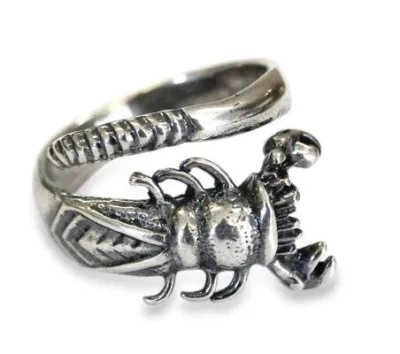
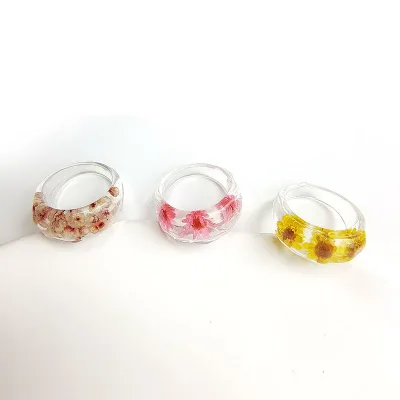
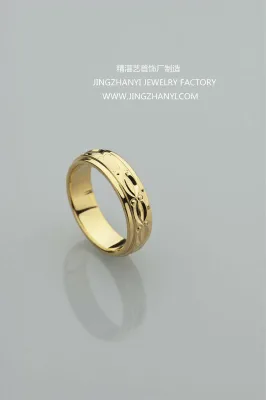

4 Pieces/Set Gold Filled Ring Ladies Resin Wedding Jewelry Crystal Knuckle Ring Set
$1.80 - $2.80
MOQ: 200 Pieces

Stainless Titanium Steel Diamond Crown Ring Trend Finger Knuckle Rings Gold Plated
$2.10 - $3.00
MOQ: 200 Pieces


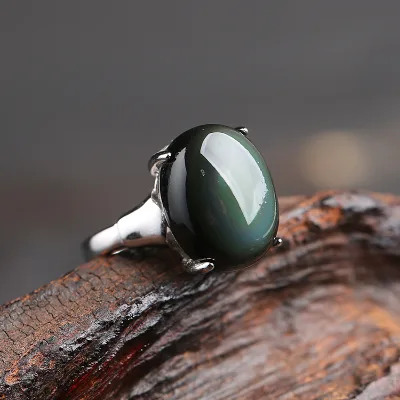
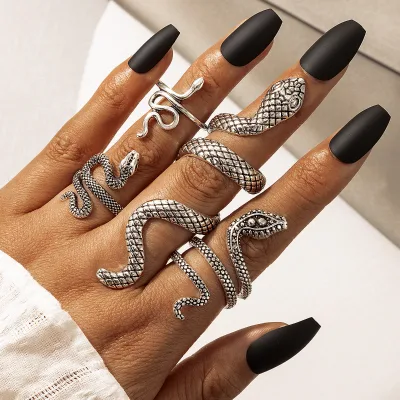
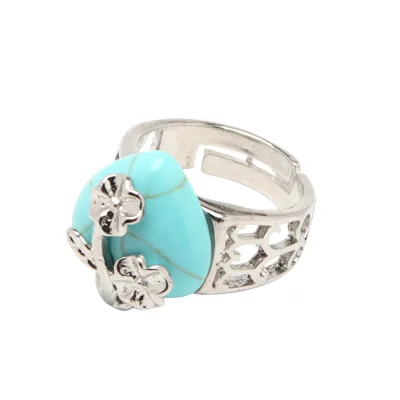


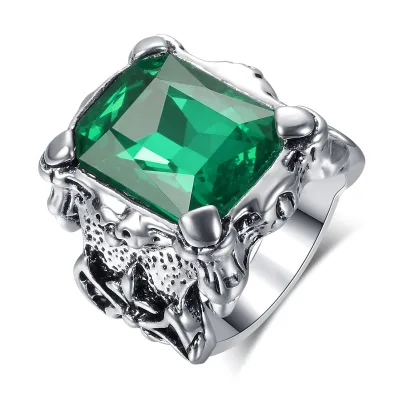

Vintage Cross Ring for Men - Micro-Pave Zirconia Hip Hop Retro Style Knuckle Ring
$10.50 - $12.90
MOQ: 10 Pieces
Comprehensive Sourcing Guide
Classic Crystal Knuckle Rings Sourcing Guide
Sourcing Classic Crystal Knuckle Rings requires a nuanced understanding of both aesthetic trends and material durability, as these pieces serve as high-visibility fashion statements. Buyers must navigate a market where "crystal" is often a generic term for various faceted stones, including zircon, glass, or synthetic diamonds, which significantly impacts perceived value and cost. The observed product landscape indicates a strong preference for unisex designs, yet specific models are explicitly targeted toward female or male demographics, suggesting that gender-neutral marketing does not always align with physical design constraints. Procurement teams should prioritize suppliers who clearly distinguish between the metal base and the stone setting, as this clarity is essential for accurate inventory management and customer expectation setting.
The visual appeal of knuckle rings relies heavily on the precision of the crystal setting and the finish of the metal band. Observed listings highlight styles ranging from retro and cute to prime and cocktail ring aesthetics, indicating that buyers should not assume a single design language dominates the category. Instead, successful sourcing involves curating a mix of shapes, such as oval and round, to cater to diverse consumer preferences. Furthermore, the availability of customized logos and OEM services suggests that branding opportunities are a key driver for many purchasers. Buyers must evaluate whether the supplier’s customization capabilities extend to both the metal engraving and the crystal arrangement, ensuring that brand identity is preserved without compromising the structural integrity of the delicate knuckle placement.
Product Scope and Observed Listing Signals
The current market for Classic Crystal Knuckle Rings exhibits a wide variance in material composition, with stainless steel, titanium, and 925 sterling silver being the most frequently observed bases. This diversity allows buyers to target different price points and durability requirements, but it also introduces complexity in quality verification. Stainless steel models often emphasize fade resistance and affordability, making them suitable for high-volume promotional gifts or fast-fashion retail. In contrast, titanium and sterling silver options cater to consumers seeking hypoallergenic properties or premium finishes. Buyers must carefully review product descriptions to confirm the exact alloy or metal type, as vague terminology can lead to discrepancies between ordered samples and bulk shipments, particularly when dealing with suppliers who offer multiple material options under similar model numbers.
Color and finish play a critical role in the visual impact of these rings, with silver, white, and black being the dominant observed hues. The use of acrylic knuckle rings as a design element suggests a trend toward lightweight, comfortable wearability, which is essential for a ring positioned on the knuckle rather than the finger base. Additionally, the presence of specific model identifiers, such as Zircon Crystal Rings-073F or Gold-Plated Ring-088O, indicates that suppliers maintain distinct SKUs for different aesthetic variations. Buyers should leverage these model codes to track inventory accurately and ensure consistency across reorders. The observation of "New Fashion Earings" as a product name in some listings highlights the importance of verifying the actual product category, as mislabeling can occur in cross-listed catalogs, potentially leading to procurement errors if not double-checked against physical samples.
Technical Specifications to Verify
Ring sizing is a critical technical specification that must be rigorously verified, as knuckle rings often require a different fit than standard finger rings. Observed data indicates sizes 8, 9, and 10 are commonly available, but buyers must confirm whether these sizes refer to the inner diameter or the knuckle circumference, as misinterpretation can result in high return rates. Additionally, the standard length of 45cm+5cm mentioned in some specifications likely refers to packaging or chain extensions rather than the ring itself, necessitating clarification with the supplier to avoid confusion. Buyers should request detailed dimensional drawings or physical samples to validate the fit, especially when ordering in bulk for diverse customer bases. Understanding the exact sizing convention is paramount to ensuring customer satisfaction and minimizing logistical issues related to returns or exchanges.
The fabrication process and finishing techniques directly influence the longevity and aesthetic quality of the rings. Polishing is a commonly observed process, which enhances the shine of the metal and the brilliance of the crystals, but buyers should inquire about the specific polishing standards to ensure a consistent finish across all units. Casting is another noted craft, which affects the structural integrity of the ring band, particularly around the crystal settings. Buyers must verify that the casting process does not leave rough edges or weak points that could lead to breakage during wear. Furthermore, the use of OPP bags for packing suggests a focus on cost-effective, protective packaging, but buyers should assess whether this level of protection is sufficient for international shipping to prevent damage to the delicate crystal elements.
Compliance and Safety Documentation
While specific certification statuses like ISO 27001 are mentioned in background data, buyers must verify the actual compliance documentation relevant to jewelry and accessories, such as nickel-free guarantees or lead-free certifications. Stainless steel and titanium are generally considered safe materials, but buyers should request material safety data sheets (MSDS) or test reports to confirm that the alloys do not contain harmful substances that could cause skin irritation. This is particularly important for products marketed as unisex or for sensitive skin demographics. Buyers should also ensure that any plating, such as gold plating, meets relevant standards for thickness and durability to prevent rapid wear and potential allergic reactions. Verifying these safety aspects is crucial for maintaining brand reputation and avoiding regulatory issues in target markets.
Packaging and labeling compliance are equally important, especially for international trade. The use of OPP bags is common, but buyers must ensure that the packaging includes all required legal information, such as country of origin, material composition, and care instructions. The observed place of origin as Guangdong, China, requires buyers to be aware of specific export regulations and labeling requirements for their destination markets. Buyers should also verify that the customized logo services offered by suppliers do not infringe on existing trademarks or intellectual property rights. Conducting a thorough review of all documentation before placing large orders helps mitigate legal risks and ensures that the products meet all local consumer protection standards.
Cost Drivers and Commercial Terms
The price range of 0.14 to 12.9 USD observed in listings reflects significant variation based on material, design complexity, and order volume. Buyers must analyze the cost drivers carefully, as lower prices may indicate thinner plating, lower-grade crystals, or less durable casting methods. The minimum order quantity (MOQ) ranges from 10 to 1000 units, with some listings specifying 50PS, suggesting that suppliers offer flexible terms for different buyer sizes. Buyers should negotiate MOQs based on their sales velocity and storage capacity, while also considering the cost implications of smaller, more frequent orders versus larger, cost-efficient batches. Understanding the relationship between price, MOQ, and material quality is essential for developing a sustainable procurement strategy that balances cost savings with product integrity.
Customization services, including logo engraving and OEM production, often incur additional costs and may affect lead times. Buyers should clarify the pricing structure for these services, including setup fees and per-unit charges, to accurately calculate the total landed cost. The availability of customized logos is a key selling point for many buyers, but it is crucial to verify the quality of the customization, such as the depth of engraving or the durability of printed logos. Buyers should also inquire about the impact of customization on production lead times, as personalized orders may require additional processing steps. Transparent communication regarding these commercial terms helps prevent unexpected expenses and ensures that the final product meets the buyer’s branding and budgetary expectations.
Supplier Qualification and Quality Control
Evaluating supplier qualifications is essential for ensuring consistent product quality and reliable delivery. Buyers should assess the supplier’s experience in manufacturing knuckle rings, particularly their expertise in handling delicate crystal settings and various metal types. The observation of multiple model numbers and styles suggests that the supplier has a diverse production capability, but buyers should verify their quality control processes to ensure that each unit meets the specified standards. Requesting references or case studies from previous clients can provide insights into the supplier’s reliability and responsiveness. Additionally, buyers should inquire about the supplier’s ability to handle custom orders and their track record in meeting tight deadlines, as these factors are critical for successful long-term partnerships.
Quality control measures should be clearly defined and agreed upon before production begins. Buyers should specify acceptable tolerances for dimensions, finish, and crystal placement, and request pre-shipment inspections to verify compliance. The use of polishing and casting processes requires careful monitoring to ensure that defects such as scratches, uneven finishes, or loose crystals are identified and rectified before shipment. Buyers should also establish a clear protocol for handling defective units, including replacement policies and cost responsibilities. Implementing a robust quality control framework helps minimize risks and ensures that the final products meet the buyer’s standards for quality and customer satisfaction.
Long-Term Procurement Checks
Building a sustainable procurement relationship requires ongoing monitoring of supplier performance and product quality. Buyers should regularly review key performance indicators such as on-time delivery rates, defect rates, and responsiveness to issues. The dynamic nature of fashion trends means that product designs and materials may need to be updated periodically, so buyers should maintain open communication with suppliers to stay informed about new offerings and improvements. Regular audits of the supplier’s production facilities and quality control processes can help identify potential issues early and ensure continuous improvement. By fostering a collaborative relationship, buyers can leverage the supplier’s expertise to innovate and adapt to changing market demands.
Market analysis and customer feedback are vital for refining procurement strategies over time. Buyers should track sales performance and customer reviews to identify which designs, materials, and finishes are most popular. This data can inform future purchasing decisions, helping buyers optimize their inventory mix and reduce the risk of overstocking unpopular items. Additionally, buyers should stay informed about industry trends and regulatory changes that may impact the sourcing of crystal knuckle rings. By continuously evaluating and adjusting their procurement approach, buyers can maintain a competitive edge and ensure that their product offerings remain relevant and appealing to their target audience.
FAQs
What materials are used for these rings?
The rings are crafted from stainless steel, titanium, and 925 sterling silver. These durable materials ensure longevity and resistance to tarnishing. Buyers can select the specific metal type based on their preference for weight, hypoallergenic properties, or budget constraints while maintaining a high-quality finish.
Can I customize the logo on the rings?
Yes, customized logos are available for these products. The supplier offers OEM services and accepts personalized branding requests. This allows businesses to add their unique mark to the jewelry, enhancing brand visibility. Customization is a key feature for buyers seeking private label solutions or corporate gifting options.
What is the minimum order quantity for these items?
The minimum order quantity ranges from 10 to 1000 pieces. Some listings indicate a specific MOQ of 50 pieces. This flexible range accommodates both small trial orders and larger bulk purchases. Buyers should verify the exact MOQ with the supplier before placing an order to ensure it meets their inventory needs.
Are these rings suitable for both men and women?
Yes, the rings are designed as unisex jewelry. They are also marketed specifically for female and male audiences depending on the style. The versatile design makes them appropriate for various demographics. This broad appeal allows retailers to stock a single product line that caters to multiple customer segments effectively.
What packaging is provided for the rings?
The rings are packaged in OPP bags. This standard packaging protects the items during shipping and handling. It is a cost-effective solution for bulk orders. Buyers requiring premium packaging should inquire about additional options, as the default OPP bag is the primary method listed for product protection and presentation.
Where are these rings manufactured?
These rings originate from Guangdong, China. The manufacturing location is clearly stated as China. Buyers sourcing from this region benefit from established jewelry manufacturing hubs. The origin indicates the supply chain path and potential logistics considerations for international shipping and customs clearance processes.