Source Fireproof Concrete Mold for Test Tools, Mould Cavity, and Project Solutions
Compare 30 Fireproof Concrete Mold options from verified Chinese suppliers. Buyers can evaluate specifications like DN600, DN300, and hollow hexagonal designs alongside certifications such as ISO and CE for diverse industrial applications; compare the available evidence and request quotations based on your requirements.
Updated
Key considerations
Products List


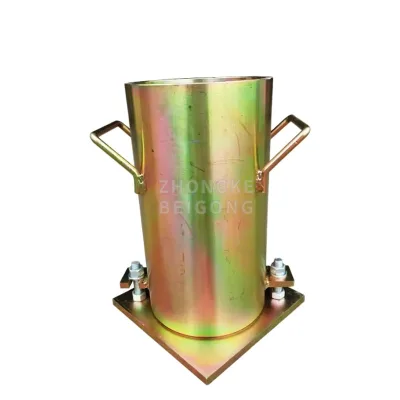



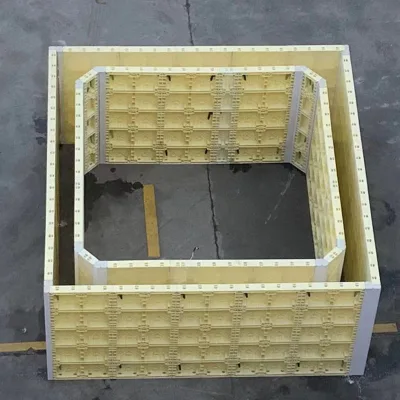
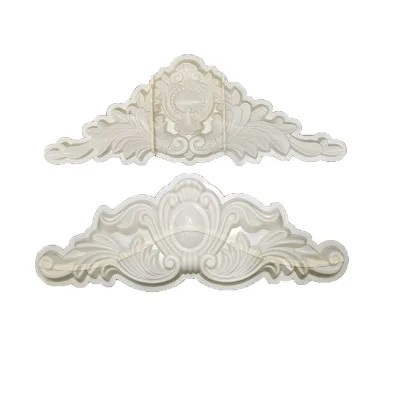
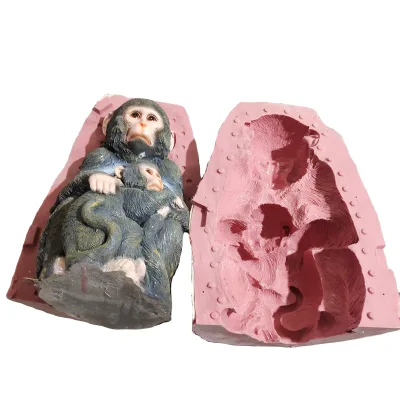
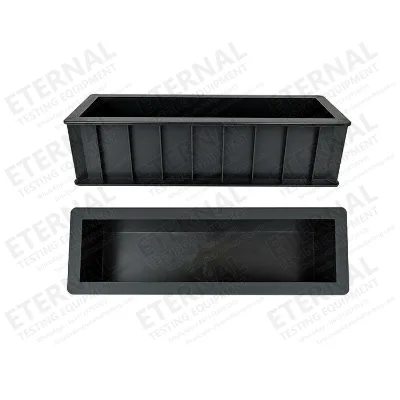
Durable Waterproof Plastic Concrete Molds for Construction Projects
$40.00 - $50.00
MOQ: 100 Square Meters

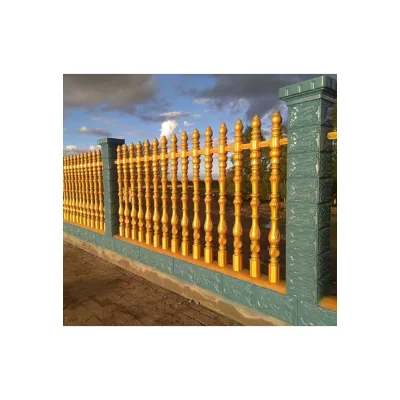
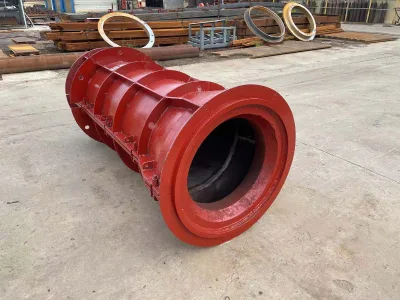
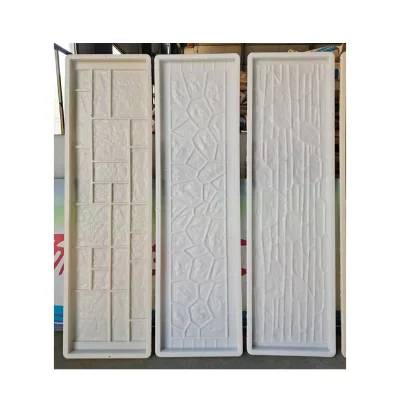



Comprehensive Sourcing Guide
Fireproof Concrete Mold Sourcing Guide
Sourcing fireproof concrete molds requires a disciplined approach to verifying material integrity and manufacturing precision. Buyers must prioritize suppliers who demonstrate consistent quality control and transparent technical documentation. This guide outlines the essential verification steps for procurement professionals seeking reliable mold solutions that meet stringent performance standards.
The following sections provide detailed guidance on product scope, technical specifications, compliance requirements, cost structures, supplier qualification, and long-term procurement checks. Each section is designed to help buyers make informed decisions based on observable market signals and verified supplier capabilities.
Product Scope and Observed Listing Signals
The current market for concrete molds includes a diverse range of products, with observed prices spanning from $3 to $100,000 USD. This wide variance reflects differences in complexity, material quality, and customization levels. Buyers should note that minimum order quantities (MOQ) typically range from 1 to 200 units, allowing for both small-scale prototyping and larger production runs.
Listed products often feature automatic grades and customizable layouts, with many suppliers offering OEM, ODM, and OBM support. Common attributes include ISO and CE certifications, indicating adherence to international quality and safety standards. Some products are specified as having no electricity power source, suggesting manual or gravity-fed operation, which may be relevant for specific site conditions.
Technical Specifications to Verify
Technical verification should begin with dimensional accuracy and material composition. Observed models include DN600 and DN300 specifications, alongside customised diameter options. Buyers must confirm that the mold cavity design, such as single cavity or hollow hexagonal shapes, aligns with their production requirements. Surface finish processes like polishing are common, ensuring smooth concrete surfaces and easier demolding.
Additional technical factors include the use of specific plastics like ABS, which offers durability and environmental protection properties. The shaping mode, often injection mould, impacts the mold's longevity and precision. Buyers should verify the runner type, such as hot runner systems, and the expected usage times, which can range from 80 to 120 cycles, to assess long-term value.
Compliance and Safety Documentation
Compliance documentation is critical for ensuring that molds meet regional and industry standards. Many suppliers provide ISO certifications, which verify quality management systems. CE certification is also frequently listed, indicating conformity with health, safety, and environmental protection standards for products sold within the European Economic Area. Buyers should request valid certificates and verify their authenticity with issuing bodies.
Safety considerations extend to the materials used in mold construction. Products described as having environmental protection properties suggest the use of non-toxic or recyclable materials. Buyers should inquire about the specific standards these materials meet, such as HASCO for mold components, to ensure compatibility with existing manufacturing processes and regulatory requirements.
Cost Drivers and Commercial Terms
Cost drivers for concrete molds include material selection, customization complexity, and production volume. Customized products often command higher prices due to the additional engineering and design work required. Buyers should evaluate the total cost of ownership, including maintenance, replacement parts, and potential downtime, rather than focusing solely on the initial purchase price.
Commercial terms such as warranty and after-sales service are significant factors. A standard 3-year warranty is observed, providing protection against manufacturing defects. Suppliers offering 24-hour online service or customized support can reduce operational risks. Buyers should negotiate clear terms for warranty claims and service response times to ensure long-term support.
Supplier Qualification and Quality Control
Supplier qualification involves assessing manufacturing capabilities and quality control processes. Buyers should verify the supplier's location, with many products originating from Hebei, China, a known hub for mold manufacturing. Pro-E design software is commonly used, indicating a capability for precise digital modeling and engineering. Buyers should request design files or technical drawings to verify compatibility with their systems.
Quality control measures should include surface finish inspections and dimensional checks. Products described as having a smooth surface and high-quality finish suggest rigorous post-processing steps. Buyers should inquire about the supplier's inspection protocols, including pre-shipment checks and third-party testing, to ensure consistent product quality and reduce the risk of defects.
Long-Term Procurement Checks
Long-term procurement success depends on establishing strong supplier relationships and continuous performance monitoring. Buyers should track supplier responsiveness, particularly for customized orders and after-sales support. Suppliers offering 21 or 24-hour online service demonstrate a commitment to customer satisfaction, which is crucial for resolving issues quickly and minimizing production disruptions.
Regular audits of supplier quality and compliance are recommended to maintain high standards. Buyers should periodically review supplier certifications and update their qualification criteria based on changing market conditions and regulatory requirements. Building a diversified supplier base can mitigate risks associated with single-source dependencies and ensure supply chain resilience.
FAQs
What certifications do the concrete molds have?
The concrete molds are certified with ISO and CE standards. These certifications ensure that the manufacturing processes and final products meet international quality and safety requirements. Buyers can rely on these documented credentials for compliance in various global markets, ensuring the tools are suitable for professional testing and construction applications without additional verification.
Can the molds be customized for specific projects?
Yes, the molds offer full customization support including OEM, ODM, and OBM services. Buyers can request specific layouts, drawings, and packing methods. The supplier provides design software support and total project solutions. This flexibility allows clients to tailor the concrete elastic cylinder test molds to their exact dimensional and functional requirements for unique construction needs.
What is the warranty period for these molds?
The molds come with a three-year warranty. This coverage provides buyers with long-term assurance regarding the durability and performance of the concrete test tools. The warranty supports the high-quality construction of the molds, which are designed for repeated use. Buyers can operate with confidence knowing that support is available for the specified duration after purchase.
How are the molds installed and used?
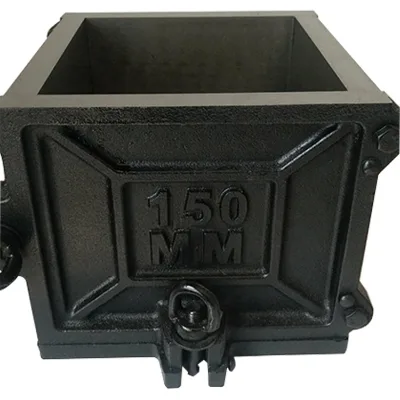
The molds feature mobile installation and require no electricity to operate. They are designed as test tools for concrete elastic cylinder testing. The process involves single-process mode operation with a smooth surface finish. This design ensures ease of handling and setup on-site, allowing for efficient testing procedures without the need for complex power connections or fixed infrastructure.
What materials are used in the mold construction?
The molds are constructed using ABS plastic material, which is noted for its environmental protection properties. The surface undergoes a polishing process to ensure a smooth finish. This material choice contributes to the durability and reusability of the molds, supporting high-quality performance during concrete testing. The white color and specific dimensions further define their professional application in testing environments.
Where are these concrete molds manufactured?
These concrete molds are made in China, specifically originating from Hebei province. The manufacturing location ensures access to established industrial supply chains. Buyers can expect products that adhere to the stated ISO and CE certifications. The origin supports the availability of customized solutions and competitive sourcing options for international clients seeking reliable concrete testing equipment from verified Chinese manufacturers.