Traditional Glossy Clay Roof Tile Suppliers and Manufacturers
Source Traditional Glossy Clay Roof Tile from 20 verified suppliers in China. Compare ISO 9001 certified factories in Guangdong, Shandong, and Henan based on response times, lead times, and MOQs. Request quotes today; review the available evidence before requesting comparable quotations from suitable candidates.
Updated
Suppliers List

Foshan Hanse Industrial Co., Ltd.
- Manufacturer/Factory
- China Guangdong
- Lead time23 days
- Avg. response≤ 3h
Main productsCeramic Tile, Floor Tile, Porcelain Tile, Rustic Tile, Wall Tile, Mosaic, Culture Stone, Split Wall Tile/ Terracotta Clay Floor Tile, Wood Tile, Flexible Stone
Main marketsSouth America,Eastern Europe,Mid East,North America,Southeast Asia,Eastern Asia,Oceania,Western Europe,Africa

Linyi Geeluck Building Material Co., Ltd.
- Verified by BV
- Combined
- China Shandong
- Lead time30 days
- Avg. response≤ 1h
Main productsResin Roofing Tile, FRP Roofing Tile, PP Traditional Integrated Tile, Asphalt Roof Tile, Stone Coted Metal Roof Tile, Polycarbonate Sheet, Metal Carved Board, Polyurethane Insulation Board
Main marketsSoutheast Asia/ Mideast,Europe

Luoyang Dannuo Gardens & Building Material Co., Ltd.
- Trading Company
- Henan, China
- Lead time7 days
- Avg. response≤ 5h
Main productsChinese traditional roof tiles,Japanese roof tiles,Plastic roof tiles,breeze block,Wall clay bricks
Main marketsWestern Europe(20.00%), Oceania(20.00%), Southeast Asia(20.00%), Eastern Europe(20.00%), North America(20.00%)
Foshan Amazon Ceramics Co., Ltd.
- Verified by SGS Group
- Trading Company
- Lead time15 days
- Avg. response≤ 5h
Main productsPolished Porcelain Tile, Tile, Porcelain Tile, Ceramic Tile
Main marketsSouth America(27%), Africa(22%), Southeast Asia(8%)

Foshan Oceanland Ceramics Co., Ltd.
- Verified by BV
- Manufacturer/Factory
- China Guangdong
- Lead time15 days
- Avg. response≤ 6h
Main productsCeramic Tile, Tile, Polished Tile, Porcelain Tile, Floor Tile, Wall Tile, Tiles Ceramic, Bathroom Tile, Bathroom Ceramic Tile, Building Material
Main marketsSouth America,Eastern Europe,Mid East,North America,Southeast Asia,Eastern Asia,Oceania,Western Europe,Africa

Zhejiang Rongping Building Materials Technology Co., Ltd.
- Verified by SGS
- Combined
- China Zhejiang
- Lead time30 days
- Avg. response≤ 4h
Main productsRoofing Shingle, Roof Tile, Rain Gutter
Main marketsDomestic

Traditional Temple Clay Roof Tiles Design Aesthetic Roofing Shingle for Cultural Buildings
$1.88 - $3.28
MOQ: 100 Pieces

Chinese-Historic Traditional Clay Roof Tiles for Temple Pavilion Weather Resistant Roofing Shingles
$2.08 - $3.98
MOQ: 100 Pieces

Modernistic Design Chinese Antique Clay Roof Tile for Historical Architecture
$2.08 - $3.98
MOQ: 100 Pieces

Modern Durability Shingles Chinese Traditional Construction Materials Vintage Clay Roof Tiles
$1.88 - $3.28
MOQ: 100 Pieces

Traditional House Roofing Sheet Building Materials Chinese Antique Roof Tiles for Hotel
$1.88 - $3.28
MOQ: 100 Pieces

Hangzhou Forsetra Roof Tile Co., Ltd.
- Verified by TUVRHEINLAND
- Combined
- China Zhejiang
- Lead time30 days
- Avg. response≤ 18h
Main productsRoofing, Roofing Sheet, Roof Tile, Tile, Stone Coated Tiles, Asphalt Shingles, Waterproof Material, Roof Truss
Main marketsSouth America,Africa
Jinjiang City Jinzhuang Building Ceramics Co., Ltd.
- Manufacturer, Trading Company
- Fujian, China
- Lead time18 days
- Avg. response≤ 2h
Main productsRoof Tile,Ceramic Roofing Tile,PU Stone,Roofing Tiles,Artificial Stone
Main marketsDomestic Market(15.39%), Africa(9.89%), Southeast Asia(9.56%), South Asia(8.96%), Eastern Asia(8.39%), Mid East(8.34%), Eastern Europe(7.33%), Northern Europe(6.21%), Central America(5.34%), Western Europe(5.12%), Southern Europe(4.32%), North America(4.23%), Oceania(3.81%), South America(3.11%)
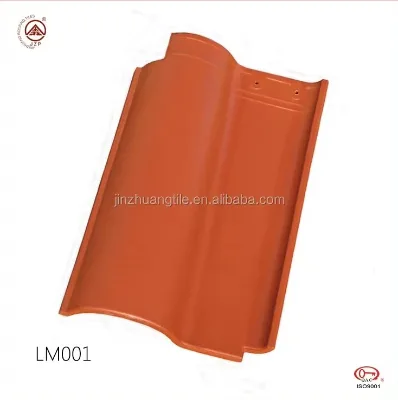
Ceramic Clay Antique Roman Roof Tiles Roof Tiles
$0.72 - $1.03
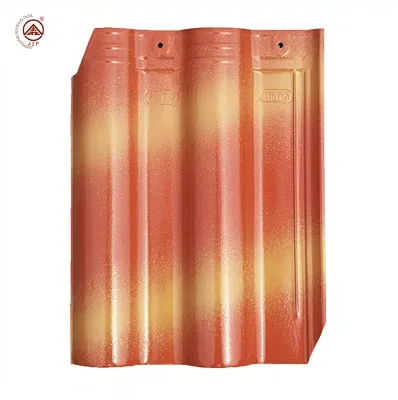
Two Color High Quality Glazed Clay Roof Tiles 300*400 Ceramic Roof Tiles for Sale
$0.32 - $0.53
MOQ: 10000 pieces
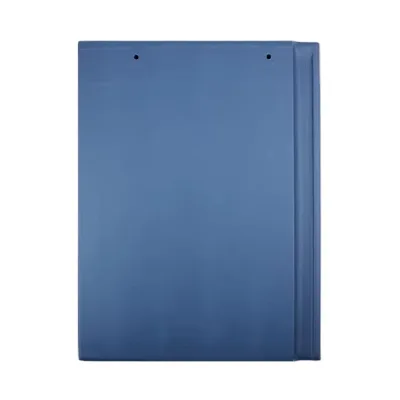
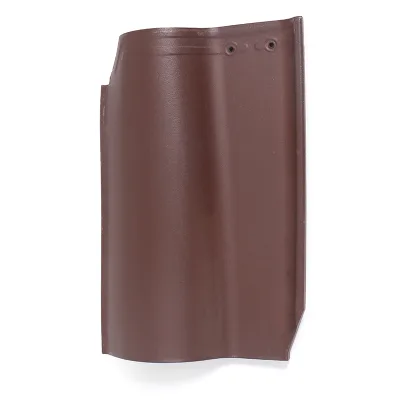
Foshan Hanse Industrial Co., Ltd.
- Manufacturer, Trading Company
- Lead time旺季: "1 - 500":20,"> 500":"To be negotiated", 淡季: "1 - 500":20,"> 500":"To be negotiated"
- Avg. response≤ 4h
Main productsOutdoor Spa, Massage Bathtub, Steam Room, Sauna Room, Swimming Pool
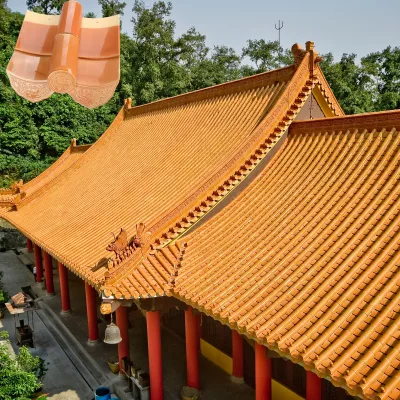
Antique Chinese Ceramic Clay Roof Tiles
$0.40 - $0.80

Laizhou Jieli Industrial Co., Ltd.
- Verified by TUVRHEINLAND
- Combined
- China Shandong
- Lead time15 days
- Avg. response≤ 4h
Main productsRoof Tile, Roofing Tile, Roofing Sheet, UPVC Roofing Sheet, PVC Corrugated Sheet, PMMA/PVC Roofing Sheet, Light Weight Roof Tile, ASA/PVC Roof Tile, UPVC Roof Itle, 3 Layers UPVC Roofing Sheet
Main marketsSouth America,Africa,Southeast Asia/ Mideast,East Asia(Japan/ South Korea),Domestic,Europe,Australia,North America
Jinjiang Qianxing Ceramic Co., Ltd.
- Trading Company
- Fujian, China
- Lead time20 days
- Avg. response≤ 6h
Main productsRoof Tiles,Ceramic Roof Tiles,Roofing Tiles,Clay Roof Tiles,Tile Roof
Main marketsNorth America(7.14%), South America(7.14%), Eastern Europe(7.14%), Southeast Asia(7.14%), Africa(7.14%), Oceania(7.14%), Mid East(7.14%), Eastern Asia(7.14%), Western Europe(7.14%), Central America(7.14%), Northern Europe(7.14%), Southern Europe(7.14%), South Asia(7.14%), Domestic Market(7.14%)
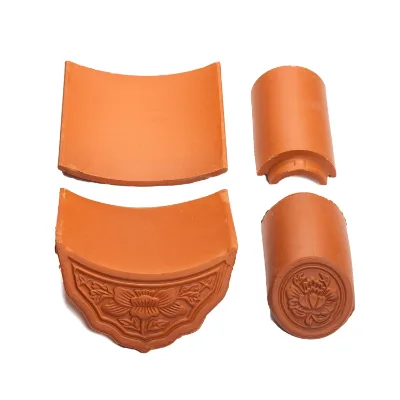
Asian Style Antique Chinese Clay Roof Tile
$0.40 - $0.80
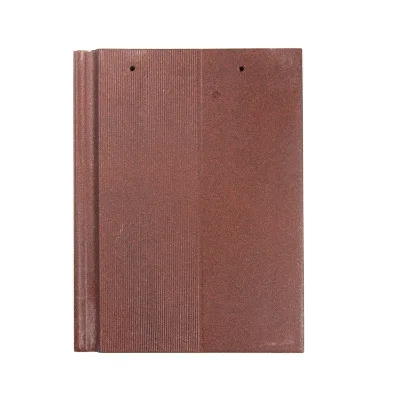
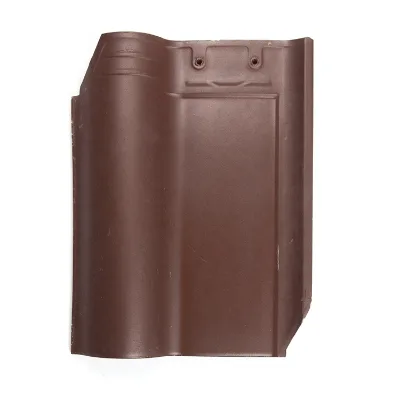
Traditional Style Ceramic Flat Roofing Tile for Residential Building Roof Construction
$0.55 - $0.57
MOQ: 30000
Foshan Hanse Industrial Co., Ltd.
- Manufacturer, Trading Company
- Lead time旺季: "1 - 100000":15,"> 100000":"To be negotiated", 淡季: "1 - 100000":15,"> 100000":"To be negotiated"
- Avg. response≤ 3h
Main productsPorcelian Tile, Ceramic Tiles, Slab Stone, Wooden Flooring, Artificial Stone
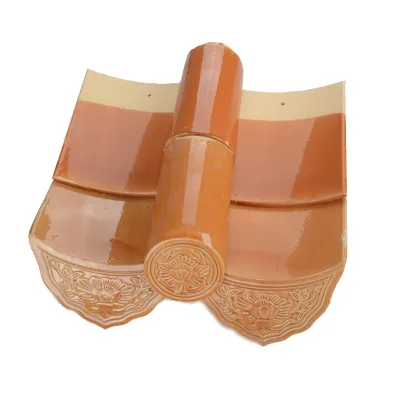
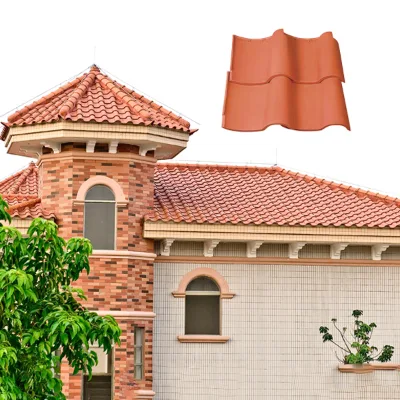
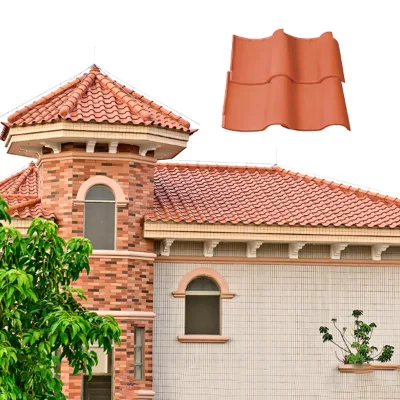
Asian Style Antique Chinese Clay Roof Tile
$0.40 - $0.80
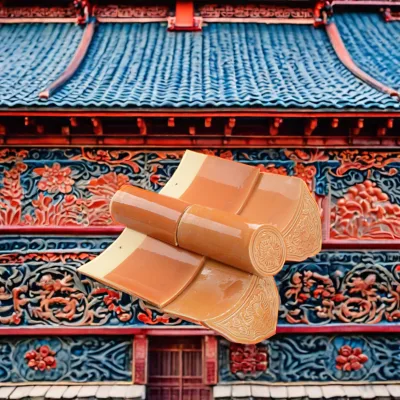
$0.4194 - $0.8389
MOQ: 1000 pieces
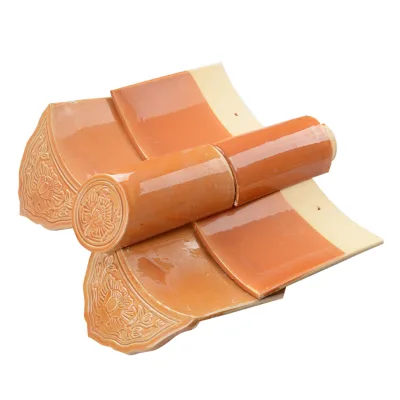
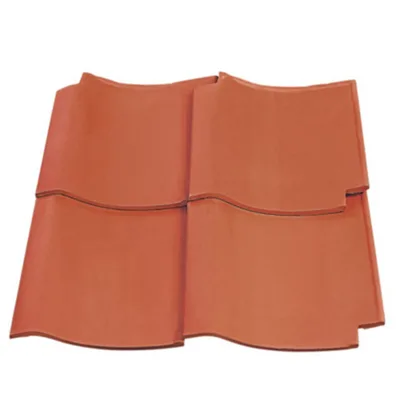
$0.5138 - $0.8209
MOQ: 1 pieces

Hangzhou Singer Building Materials Co., Ltd.
- Verified by SGS
- Combined
- China Zhejiang
- Lead time38 days
- Avg. response≤ 4h
Main productsRoof Tiles, Asphalt Shingles, Rain Gutter Systems, Butyl Tape, Chinese Antique Roof Tile, Solar Roof Tile
Main marketsSouth America,Africa,Southeast Asia/ Mideast,Europe,North America
Foshan Sunton Technology Co., Ltd.
- Verified by TüVRheinland
- Manufacturer, Trading Company
- Lead time20 days
- Avg. response≤ 4h
Main productsCeramic & Porcelain Tiles, Roof Tiles, Sintered Stone, Wooden Flooring, Artificial Stone
Main marketsAfrica(20%), North America(10%), Mid East(10%)

- Combined
- China Shandong
- Lead time30 days
- Avg. response≤ 6h
Main productsStone Coated Metal Roof Tile, Color Painted Metal Roof Tile, Roof Underlayment, Laminate Flooring, Steel Door, Wood Door, Steel Skin Door, PVC Ceiling
Main marketsAfrica,Southeast Asia/ Mideast,Domestic,North America
Xiamen Chinglam Stone Industry Co., Ltd.
- Verified by Intertek
- Trading Company
- Lead time10 days
- Avg. response≤ 4h
Main productsNatural Marble, Natural Granite, Artificial Stone, Slate Stone, Roofing Tile
Main marketsNorth America(20%), Mid East(20%), South America(10%)
Fujian Jinglong Ceramics Co., Ltd.
- Manufacturer
- Fujian, China
- Lead time0 days
- Avg. response≤ 2h
Main productspieces of tile,hip tile,building materials,Ceramic tiles,clay tile
Main marketsDomestic Market(50.00%), Mid East(20.00%), Southeast Asia(10.00%), South Asia(10.00%), Eastern Asia(10.00%)

Foshan Amazon Ceramics Co., Ltd.
- Verified by BV
- Manufacturer/Factory
- China Guangdong
- Lead time23 days
- Avg. response≤ 6h
Main productsTile, Ceramic Tile, Polished Tile, Porcelain Tile, Floor Tile, 3D Tile, Ceramic Floor Tile, Glazed Porcelain Tile, Polished Glazed Tile, Wall Tile
Main marketsSouth America,Eastern Europe,Mid East,North America,Southeast Asia,Eastern Asia,Oceania,Western Europe,Africa

Xiong County Xiashi Packing Co., Ltd.
- Manufacturer/Factory
- China Hebei
- Lead time23 days
- Avg. response≤ 1h
Main productsHousewrap, Reflective Film, Waterproof Breathable Membrane, Waterproof and Breathable Roofing Membrane, Vapor Barrier Membrane, Heat Insulation Foil, Roofing Underlayment, Breathable Membrane, Nonwoven Fabric, Roofing Materials
Main marketsSouth America,Eastern Europe,Mid East,North America,Southeast Asia,Eastern Asia,Oceania,Western Europe,Africa
Jiangsu Lagos Color Stone Metal Tile Co., Ltd.
- Manufacturer, Trading Company
- Jiangsu, China
- Lead time20 days
- Avg. response≤ 4h
Main productsclassical tile,rainbow tile,joint tile,shingle tile,milano tile
Main marketsAfrica(80.00%), Mid East(10.00%), North America(10.00%)


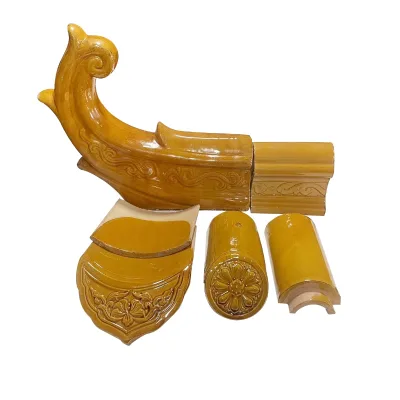

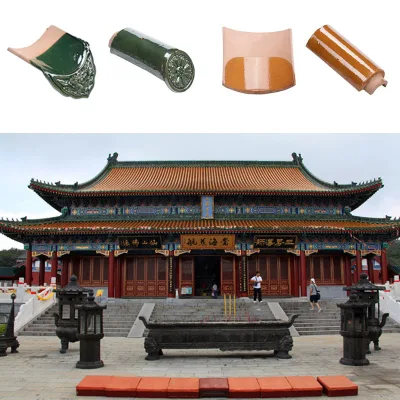


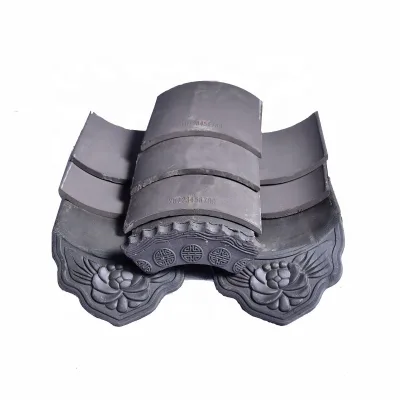
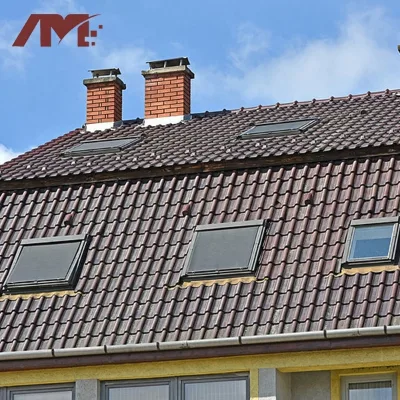
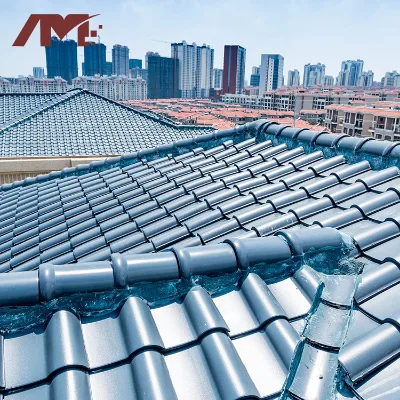
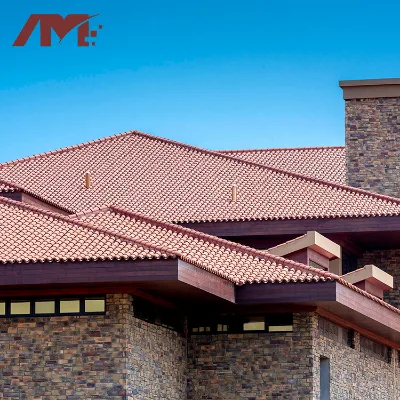
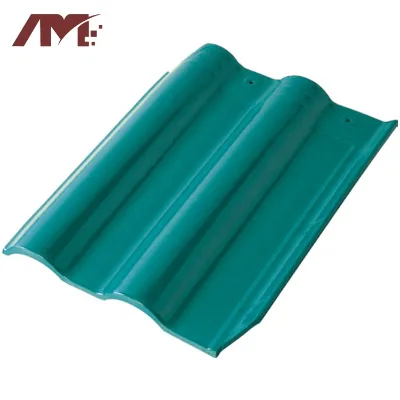
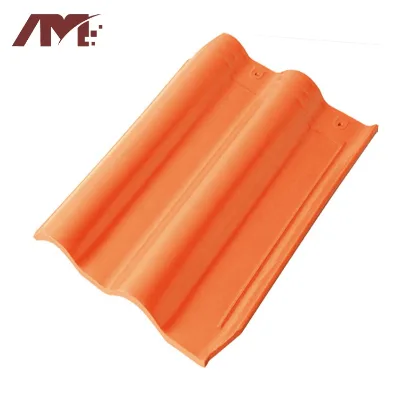



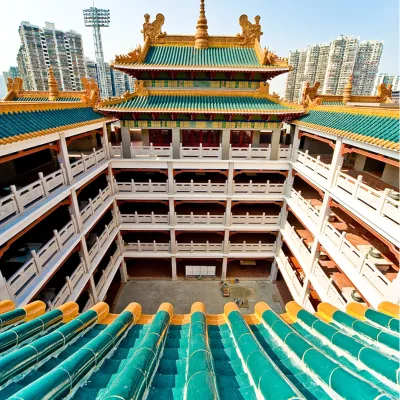




Comprehensive Sourcing Guide
Traditional Glossy Clay Roof Tile Supplier Concentration and Factory Types
When evaluating the landscape for traditional glossy clay roof tiles, buyers must first distinguish between manufacturer factories and trading companies, as this distinction fundamentally alters supply chain dynamics and quality control capabilities. The available data indicates that manufacturing entities are primarily concentrated in specific industrial regions within China, with Guangdong and Shandong emerging as notable hubs for production. Suppliers in Guangdong are identified as Manufacturer/Factory entities, suggesting a direct link to the production line where raw clay is processed, glazed, and fired. These facilities typically possess the heavy machinery required for high-temperature kiln operations, which is essential for achieving the durability and water absorption rates specified in product attributes, such as the 6% absorption rate observed in certain clay tile listings. In contrast, suppliers located in Shandong are categorized as Combined entities, which may indicate a hybrid business model involving both manufacturing and distribution, or a focus on alternative materials like PP resin tiles that mimic clay aesthetics. This structural difference is critical because factory-direct suppliers often offer greater flexibility for OEM and ODM customization, allowing buyers to specify exact glaze finishes, dimensions, and packaging requirements. Trading companies, such as those identified in Henan, primarily facilitate the aggregation of products from various sources, which can simplify logistics for smaller orders but may introduce additional layers of communication and potential markup. Understanding whether a supplier is a direct factory or a trading intermediary is the first step in assessing their ability to meet specific technical requirements for glossy clay tiles, including the ability to maintain consistent colorfastness and structural integrity over decades of exposure. Buyers should prioritize suppliers who explicitly declare their manufacturing capacity, as this often correlates with better control over the firing process, which directly impacts the final gloss level and resistance to weathering. The presence of ISO 9001 certification among some Guangdong-based manufacturers further supports the notion that established factories adhere to standardized quality management systems, providing a baseline assurance of production consistency. However, buyers must verify that this certification applies specifically to the clay tile production lines and not just general administrative processes. The concentration of these facilities in coastal provinces like Guangdong also suggests access to established export infrastructure, which can be advantageous for international shipments. Conversely, inland or northern locations like Shandong and Henan may offer different logistical advantages depending on the buyer’s final destination and preferred shipping routes. Recognizing these structural variations allows buyers to align their sourcing strategy with their specific needs for customization, volume, and quality assurance.
How to Verify Traditional Glossy Clay Roof Tile Suppliers
Verification of suppliers requires a multi-layered approach that goes beyond basic company profiles to ensure the legitimacy and capability of the entity supplying traditional glossy clay roof tiles. Buyers should begin by examining the supplier’s verification status, noting that some entities hold BV (Bureau Veritas) verification, which indicates a third-party audit of their business operations and legal standing. This is a strong initial signal of reliability, particularly for combined or trading companies that may not have the same physical footprint as factories. For manufacturer factories, verification should extend to their production facilities and quality control processes. Buyers must request detailed product specifications that include material composition, such as confirming the use of natural clay rather than synthetic substitutes, and technical attributes like water absorption rates, which should be around 6% for high-quality clay tiles. The presence of specific product attributes, such as a 60-year lifetime guarantee or colorfastness claims, should be cross-referenced with independent test reports or certifications. It is crucial to verify that the supplier’s claimed certifications, such as ISO 9001, are current and applicable to the specific product lines being sourced. Additionally, buyers should assess the supplier’s response time, as a rapid response, such as the 0.63 hours observed for some Shandong suppliers, can indicate a well-stocked inventory or a highly responsive sales team, whereas slower responses might suggest a more traditional, batch-oriented production schedule. Buyers should also inquire about the supplier’s ability to provide samples, which is the most direct way to verify the glossy finish, color consistency, and physical durability of the tiles. The sample process allows buyers to test the tiles for impact resistance, freeze-thaw cycles, and glaze adhesion, which are critical for long-term performance. Furthermore, buyers should verify the supplier’s main products to ensure they specialize in clay tiles rather than offering a broad, unfocused catalog that may dilute their expertise. Checking the supplier’s history and establishment year can provide insights into their stability and experience in the market. For suppliers claiming OEM/ODM capabilities, buyers should request examples of previous custom orders to assess their flexibility and attention to detail. Finally, buyers should be cautious of suppliers who cannot provide clear documentation of their production standards or who are vague about their manufacturing location, as this may indicate a lack of transparency or control over the supply chain.
What to Compare Across Traditional Glossy Clay Roof Tile Suppliers
When comparing suppliers, buyers must evaluate a range of operational and commercial metrics to determine the best fit for their project requirements. Key dimensions for comparison include lead time, minimum order quantity (MOQ), response speed, and pricing structure. Lead times can vary significantly, with some suppliers offering production times as short as 7 days for certain products, while others may require 23 to 30 days for standard clay tile orders. This variance is often influenced by the supplier’s production capacity, inventory levels, and the complexity of the order. Buyers should align their project timelines with the supplier’s lead times to avoid delays, especially for large-scale construction projects. MOQ is another critical factor, with some suppliers requiring as few as 100 units, while others may have higher thresholds, such as 500 units. Lower MOQs are beneficial for smaller projects or for testing new designs, but they may come with higher per-unit costs. Buyers should also compare the response time of the sales team, as a quick response can facilitate faster decision-making and problem resolution. Pricing should be analyzed in the context of the product specifications, including material quality, glaze finish, and packaging. For instance, prices for clay roof tiles may range from $0.40 to $0.80 per unit, depending on the size, shape, and customization options. Buyers should request detailed quotes that break down costs for materials, labor, packaging, and shipping to ensure transparency. Additionally, buyers should compare the suppliers’ main products to ensure they offer the specific styles and finishes required, such as semi-cylindrical or flat designs, and various colors like orange, red, maroon, grey, and green. The availability of customization options, such as specific dimensions or packaging requirements, should also be compared, as this can impact the overall cost and lead time. Buyers should also consider the supplier’s ability to provide comprehensive documentation, including product datasheets, installation guides, and warranty information. Finally, buyers should evaluate the supplier’s customer service quality, including their willingness to provide samples, answer technical questions, and offer after-sales support. By systematically comparing these factors, buyers can identify suppliers that offer the best balance of quality, cost, and service for their specific needs.
Common Traditional Glossy Clay Roof Tile Sourcing Risks
Sourcing traditional glossy clay roof tiles involves several inherent risks that buyers must proactively manage to ensure project success. One significant risk is the potential for color inconsistency between batches, which can occur if the supplier does not maintain strict control over the clay composition and firing process. Buyers should mitigate this risk by requesting samples from multiple batches and verifying that the color matches the agreed-upon standard. Another risk is the misrepresentation of material quality, where suppliers may claim to sell natural clay tiles but actually use synthetic or lower-grade materials. Buyers can address this by requesting material certifications and conducting independent laboratory tests on received samples. Packaging and logistics risks are also prevalent, as clay tiles are fragile and susceptible to damage during transit. Buyers should ensure that suppliers use robust packaging methods, such as pallets or wooden crates, and verify that the packaging meets international shipping standards. Additionally, buyers should consider the risk of delays due to production bottlenecks or supply chain disruptions, which can impact project timelines. To mitigate this, buyers should establish clear communication channels with suppliers and request regular production updates. There is also the risk of non-compliance with local building codes and regulations, which can vary by region. Buyers must verify that the tiles meet the necessary standards for their specific market, including fire resistance, wind uplift, and water absorption rates. Another risk is the potential for hidden costs, such as unexpected shipping fees or customs duties, which can inflate the total project cost. Buyers should request all-inclusive quotes and clarify all terms of trade to avoid surprises. Finally, buyers should be aware of the risk of supplier insolvency or operational issues, which can disrupt the supply chain. This can be mitigated by conducting due diligence on the supplier’s financial stability and reputation, and by diversifying the supplier base if possible. By identifying and addressing these risks early in the sourcing process, buyers can protect their projects from potential disruptions and ensure the delivery of high-quality traditional glossy clay roof tiles.
Traditional Glossy Clay Roof Tile Regional Sourcing and Logistics
The regional location of suppliers significantly impacts the logistics and cost structure for sourcing traditional glossy clay roof tiles. Suppliers located in Guangdong, China, benefit from proximity to major ports and established export infrastructure, which can facilitate faster and more cost-effective shipping to international destinations. This region is known for its manufacturing capabilities, particularly in ceramic and clay products, and suppliers here often have experience in handling large-volume orders for global markets. Buyers sourcing from Guangdong should consider the logistical advantages of consolidated shipping, which can reduce per-unit transportation costs. In contrast, suppliers in Shandong and Henan may offer different logistical profiles, with potential advantages in domestic distribution or specific regional markets. Buyers must evaluate the shipping routes and transit times from these locations to their final destination, as this can affect the overall lead time and inventory management strategy. The choice of supplier location should also consider the availability of local logistics partners and the supplier’s experience in international shipping. Buyers should verify that suppliers have the necessary documentation and expertise to handle customs clearance and compliance with import regulations in the destination country. Additionally, buyers should consider the environmental impact of transportation and explore options for more sustainable shipping methods, such as sea freight over air freight, which is more suitable for heavy items like clay tiles. The packaging requirements for clay tiles, such as the use of pallets or wooden crates, must be compatible with the chosen shipping method to prevent damage. Buyers should also assess the supplier’s ability to provide tracking information and insurance for shipments, which can provide peace of mind and protection against loss or damage. Finally, buyers should consider the potential for local sourcing if the project is located near a supplier’s region, as this can reduce transportation costs and lead times. By carefully evaluating the regional logistics implications, buyers can optimize their supply chain and ensure the timely delivery of traditional glossy clay roof tiles.
Traditional Glossy Clay Roof Tile Commercial Terms and Order Planning
Effective order planning for traditional glossy clay roof tiles requires a thorough understanding of commercial terms and the ability to negotiate favorable conditions. Buyers should pay close attention to payment terms, such as the use of escrow services, which can provide security for both parties by holding funds until the goods are received and verified. This is particularly important for new supplier relationships or large orders. Buyers should also clarify the Incoterms, such as FOB or CIF, to determine who is responsible for shipping costs and insurance. Lead times should be explicitly stated in the contract, with penalties for delays to incentivize timely delivery. Buyers should also negotiate for flexible MOQs, especially for initial orders, to reduce inventory risk. The warranty terms for the tiles, such as the 50-year or 60-year lifetime guarantees mentioned in some product listings,
FAQs
What is the price range for traditional clay roof tiles?
Prices typically range from $0.40 to $0.80 per unit depending on the specific material and finish. Buyers should verify exact costs based on order volume and customization requirements. Some suppliers offer competitive rates for bulk orders of ceramic or terracotta materials.
What is the minimum order quantity for clay roof tiles?
Minimum order quantities vary by supplier, with some requiring as few as 100 units while others set the threshold at 500 units. Buyers must confirm the specific MOQ with their chosen manufacturer to ensure their project scale meets the production requirements.
How long does production take for traditional roof tiles?
Lead times generally range from 7 to 30 days depending on the supplier and order complexity. Some manufacturers in China offer faster turnaround times of one week, while others may require up to a month for standard production runs.
Are traditional clay roof tiles customizable for specific designs?
Yes, many suppliers offer customization options for patterns, colors, and dimensions. Buyers can request specific designs for villas, temples, or historical renovations. However, some standard items may be non-customized, so it is essential to verify customization availability with the supplier.
What certifications do clay roof tile manufacturers hold?
Manufacturers often hold ISO 9001 certification for quality management systems. Some suppliers also undergo third-party verifications such as BV. Buyers should request current certification documents to ensure the products meet international quality and safety standards for construction materials.
Where are traditional clay roof tile manufacturers located?
Major manufacturing hubs are located in Guangdong, Shandong, and Henan provinces in China. These regions specialize in producing various types of roof tiles, including ceramic, terracotta, and resin options. Buyers can source directly from these locations to access a wide variety of products.