Source non-toxic leather tanning chemicals for Dyeing, Printing, and Finishing
Compare 30 verified listings for non-toxic leather tanning chemicals including formic acid and phosphoric acid. Buyers can review specifications like purity, density, and packaging options from Chinese manufacturers with lead times within 7 days; compare the available evidence and request quotations based on your requirements.
Updated
Key considerations
Products List

Organic Chemical Purity 99.95% CAS: 62-53-3 Leather Tanning Chemicals Aniline
$1000.00 - $1300.00
MOQ: 1 Tons

Leather Tanning Chemicals Aniline for Rubber Ingredients Purity 99.95% CAS: 62-53-3
$1000.00 - $1300.00
MOQ: 16 Tons


Formic Acid 85% Min (CAS 64-18-6) for Leather Tanning and Rubber Industry
$529.00 - $1060.00
MOQ: 24 Tons


Chemical Liquid Formic Acid 85% CAS 64-18-6 as Leather Tanning (processing agent)
$450.00 - $550.00
MOQ: 24 Tons

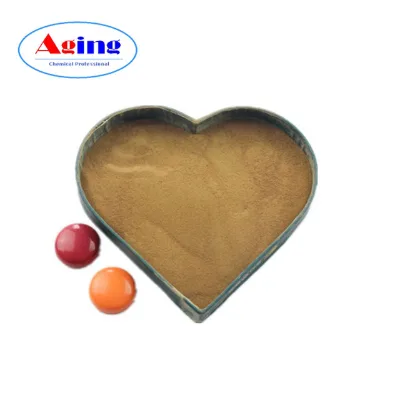
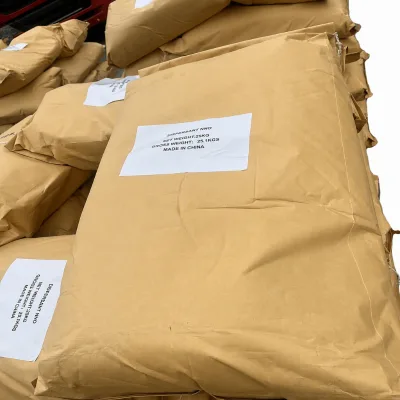
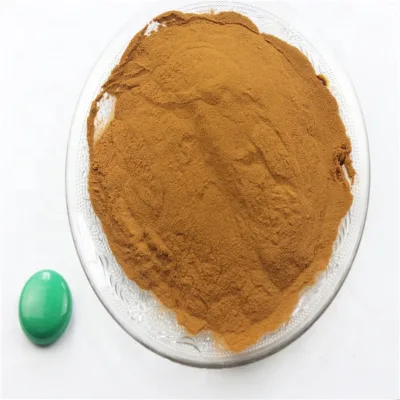
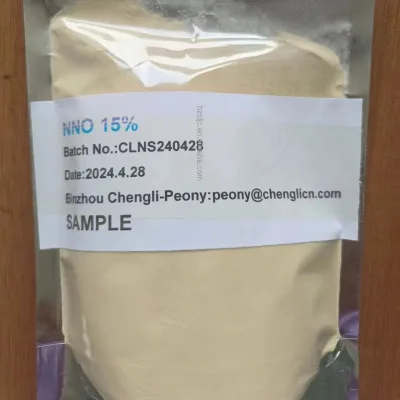


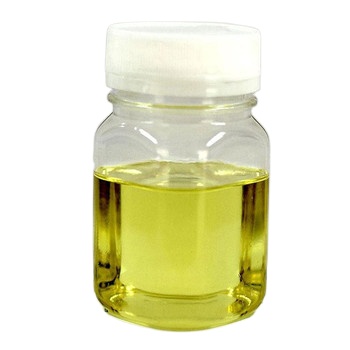
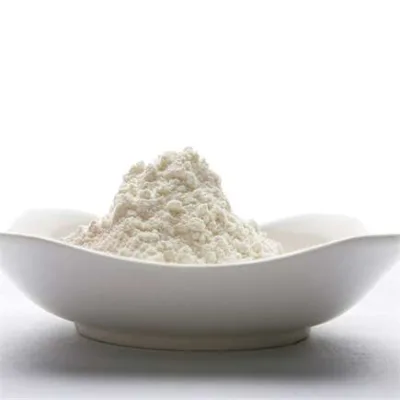
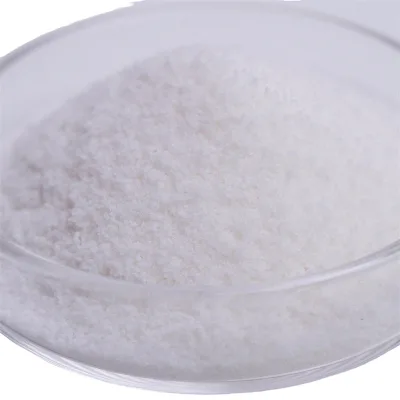
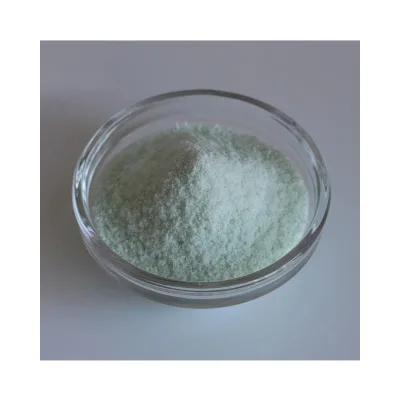
Sodium 4-amino-1-naphthalenesulfonate for Rubber Anti-aging Agent 130-13-2 Leather Dye
$5.50 - $15.50
MOQ: 1 Minimum
Comprehensive Sourcing Guide
Non-Toxic Leather Tanning Chemicals Sourcing Guide
Procuring chemical intermediates for leather processing requires a rigorous understanding of material properties, safety classifications, and supply chain logistics. Buyers must navigate a market where product attributes such as acidity, density, and purity vary significantly across suppliers. This guide provides evidence-based procurement strategies for sourcing materials like formic acid and phosphoric acid, which are frequently utilized in tanning and dyeing applications. Understanding the specific technical parameters and compliance requirements is essential for maintaining product quality and operational safety.
The following sections detail the critical verification steps for technical specifications, documentation, and commercial terms. By focusing on observable listing signals and supplier qualifications, buyers can mitigate risks associated with inconsistent product quality or non-compliant shipments. This structured approach ensures that procurement decisions are grounded in verified data rather than marketing claims, leading to more reliable supply chains and safer manufacturing environments.
Product Scope and Observed Listing Signals
Market listings for leather tanning chemicals often highlight specific physical and chemical attributes that define their utility in industrial processes. Products are frequently described as liquid, transparent, or colorless, with densities ranging from approximately 1.02 g/mL to 1.22 g/cm³. These physical properties are critical for determining storage requirements and handling procedures. Buyers should verify these observations against their specific process needs, as variations in density and appearance can indicate differences in concentration or formulation.
Commercial listings also emphasize customization options and packaging flexibility, which are vital for large-scale operations. Common packaging formats include drums, IBC drums, and ISO tanks, with standard weights such as 200 kg, 250 kg, or bulk tank loads. The availability of customization suggests that suppliers can tailor solutions to specific client requirements. However, buyers must confirm that the observed packaging standards align with their logistical capabilities and storage infrastructure to avoid handling inefficiencies or safety hazards during transport.
Technical Specifications to Verify
Technical verification is paramount when sourcing acids used in leather tanning, particularly those classified as weak or volatile acids. Key parameters to validate include purity levels, which may be listed as high as 99.95%, and specific gravity measurements. For instance, formic acid listings often cite a density of 1.22 g/cm³ and a flash point of 69°C, indicating specific flammability risks. Buyers must ensure that the technical data sheets provided by suppliers match these observed values to prevent discrepancies in chemical performance during the tanning process.
Additional specifications such as melting and boiling points provide further insight into the material's behavior under varying temperatures. Formic acid, for example, has a melting point between 8.2°C and 8.4°C and a boiling point of 100.6°C. These thermal properties influence storage conditions and application methods. Buyers should also verify the acid strength and classification, such as whether the product is a monobasic or organic acid, to ensure compatibility with existing tanning formulations and equipment materials.
Compliance and Safety Documentation
Safety documentation is a non-negotiable aspect of sourcing hazardous chemicals, which are often classified under specific hazard levels. Products may be labeled with hazard level 6.1, indicating toxicity risks that require careful handling and storage protocols. Buyers must insist on receiving comprehensive documentation, including Material Safety Data Sheets (MSDS), Certificates of Analysis (COA), and Technical Data Sheets (TDS). These documents provide essential information on first aid measures, fire-fighting procedures, and accidental release containment.
Regulatory compliance extends beyond basic safety sheets to include broader certification standards. While some listings mention ISO certification, buyers should verify the specific scope and validity of these certifications. Additionally, the presence of UN numbers, such as UN 1779 for formic acid, is crucial for proper transportation classification. Buyers must ensure that all documentation aligns with international transport regulations and local environmental laws to avoid legal liabilities and ensure safe handling throughout the supply chain.
Cost Drivers and Commercial Terms
Pricing for leather tanning chemicals is influenced by several factors, including purity, packaging, and order volume. Observed price ranges can vary significantly, reflecting differences in product grade and supplier positioning. Buyers should analyze cost drivers such as the concentration of the active ingredient and the type of packaging used, as bulk options like ISO tanks may offer different cost efficiencies compared to drum packaging. Understanding these variables helps in negotiating favorable terms and budgeting accurately for raw material expenses.
Commercial terms also include minimum order quantities (MOQ) and lead times, which impact inventory management and cash flow. MOQs can range from small trial orders to full container loads, with lead times often cited as within seven days for ready stock. Buyers should assess their consumption rates against these MOQs to avoid excessive inventory holding costs or production delays. Additionally, the availability of free samples can be a valuable tool for initial quality assessment before committing to larger orders.
Supplier Qualification and Quality Control
Supplier qualification involves verifying the manufacturer's capabilities and quality assurance processes. Buyers should prioritize suppliers who provide detailed product models and origin information, such as those originating from China, which is a major hub for chemical production. It is essential to confirm that the supplier has robust quality control measures in place, including regular testing of purity and density. Suppliers offering customization services may have more flexible production lines, but this should be balanced with consistent quality standards.
Quality control extends to the verification of product standards and grades. Listings may indicate industrial grade or tech grade products, each with different quality benchmarks. Buyers should request recent test results and ensure that the supplier adheres to recognized industry standards. Additionally, checking the supplier's track record for delivering consistent product specifications is crucial. Establishing a clear communication channel for addressing quality issues can help maintain high standards and resolve discrepancies promptly.
Long-Term Procurement Checks
Long-term procurement success depends on continuous monitoring of supplier performance and market trends. Buyers should regularly review supplier compliance with safety and environmental regulations, ensuring that any changes in legislation are promptly addressed. Maintaining open communication with suppliers regarding updates in product specifications or packaging standards can help adapt to evolving industry requirements. This proactive approach minimizes the risk of supply disruptions and ensures that materials meet current regulatory and operational needs.
Furthermore, buyers should periodically reassess their supplier base to identify opportunities for cost optimization and quality improvement. Diversifying suppliers can mitigate risks associated with single-source dependencies, while regular performance evaluations help maintain high standards. By staying informed about market dynamics and technological advancements in chemical processing, buyers can make informed decisions that support sustainable and efficient leather tanning operations. This ongoing diligence ensures long-term reliability and competitiveness in the marketplace.
FAQs
What is the purity level of the industrial grade phosphoric acid?
The industrial grade phosphoric acid offers a purity level of 99.95%. This high concentration ensures consistent performance in leather tanning applications. The product is classified as a monobasic acid and is available in various packaging options including drums and IBC tanks for bulk industrial use.
Can I get free samples before placing a bulk order?
Yes, free samples are provided to potential buyers. This allows you to verify the product quality and specifications before committing to a large purchase. The supplier supports customization and offers flexible packaging solutions to meet specific industrial requirements for leather and dyeing processes.
What certifications are available for the formic acid products?
The formic acid products come with MSDS, COA, and TDS certificates. These documents verify the chemical composition and safety data. The manufacturing facilities hold ISO certification, ensuring adherence to international quality standards. This documentation supports compliance for industrial buyers in the leather industry.
How fast is the lead time for formic acid orders?
The lead time for formic acid orders is within 7 days. This rapid turnaround supports urgent production needs in the leather and printing industries. Buyers can expect efficient processing from the China-based suppliers, ensuring timely delivery of the chemical intermediates required for manufacturing operations.
What are the packaging options for the industrial acid products?
Packaging options include drums, IBC drums, and ISO tanks. Standard sizes range from 35kg drums to 20MT containers. These flexible packaging solutions accommodate various order volumes, from small batches to full container loads, ensuring safe transport and storage for volatile industrial acids.