Source Flexible Rubber Jeep Antenna for Wrangler JK, JL, and Universal Fit
Compare 30 Flexible Rubber Jeep Antenna options for Jeep Wrangler JK, JL, and universal vehicles. Review specifications like material, length, and fitment to find the right automotive part for your needs; compare the available evidence and request quotations based on your requirements.
Updated
Key considerations
Products List
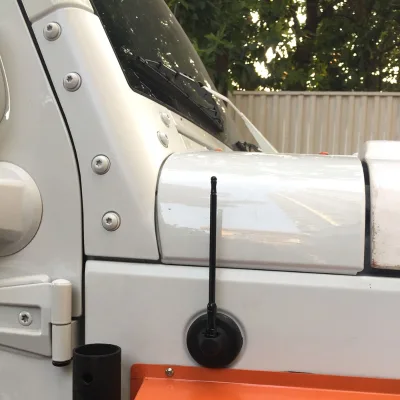
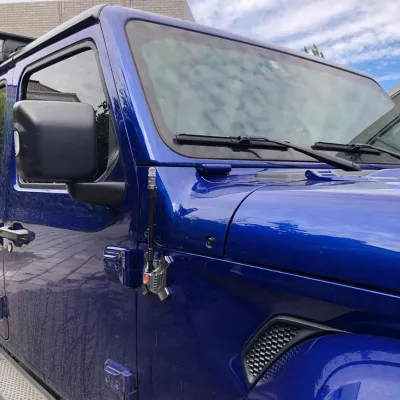
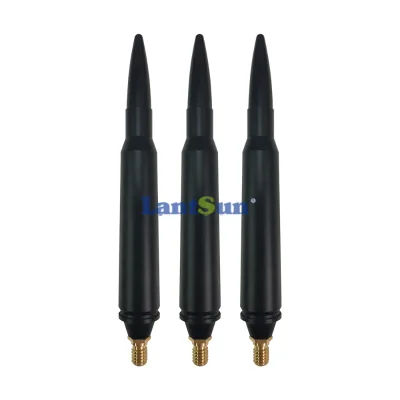
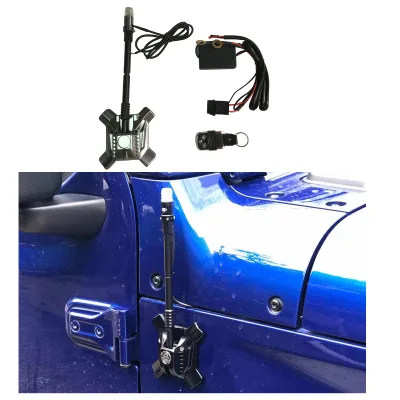
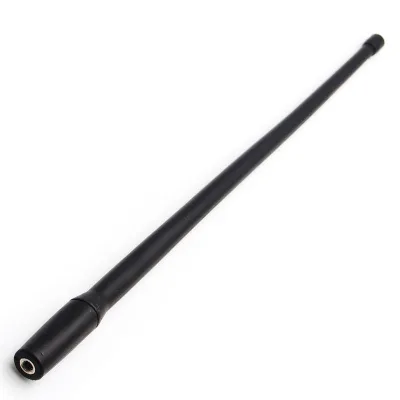
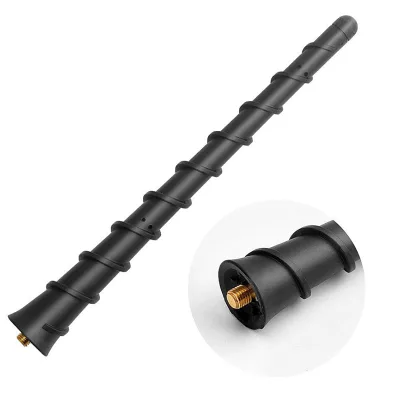
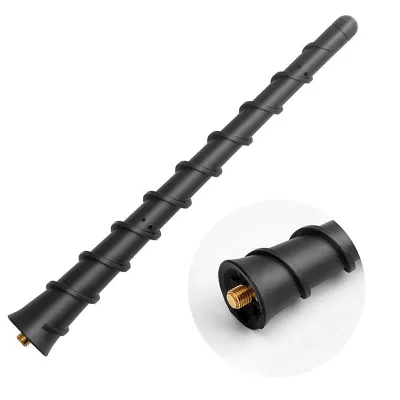
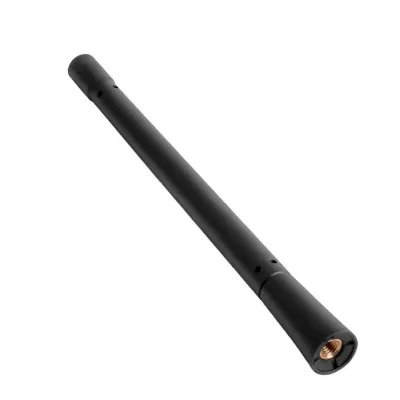
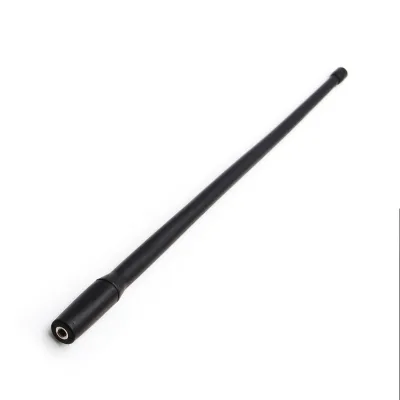
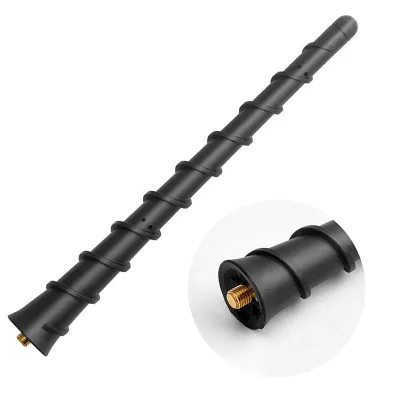
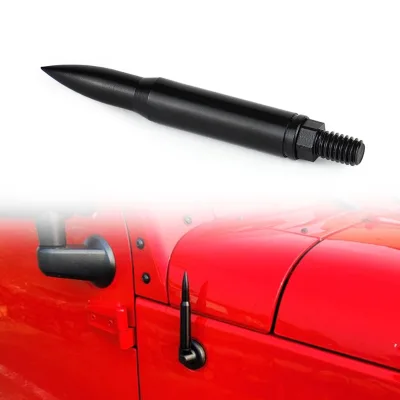
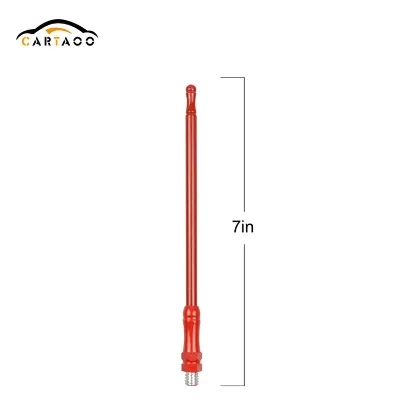
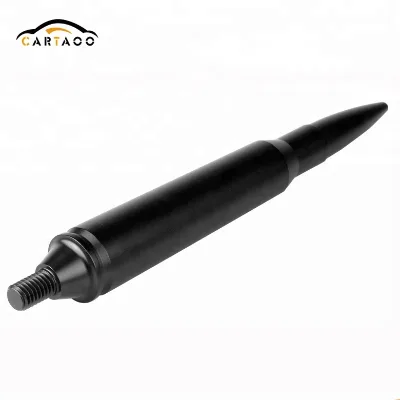
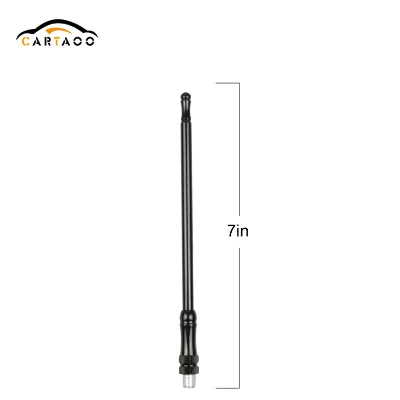

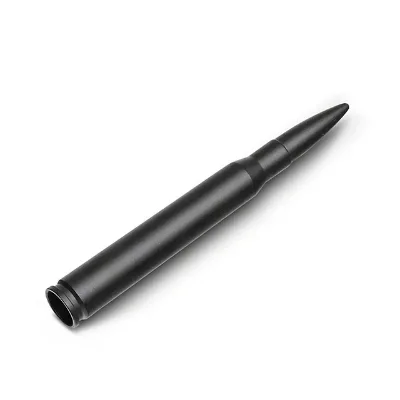
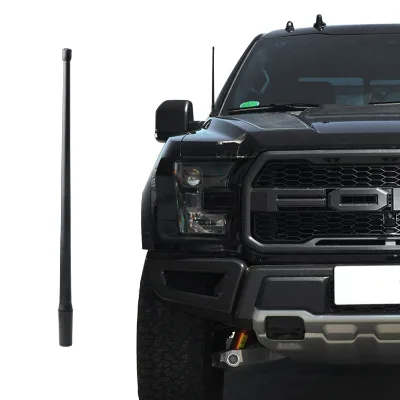
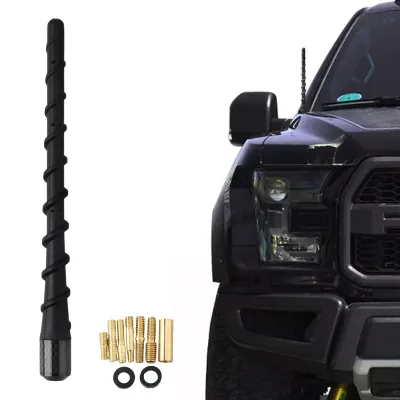
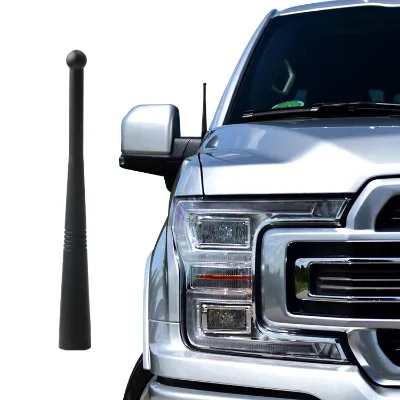
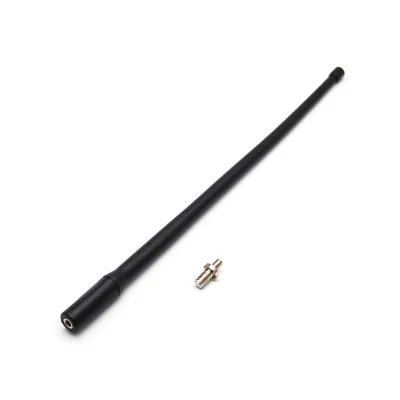
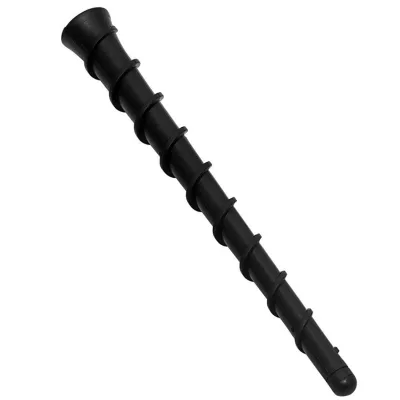
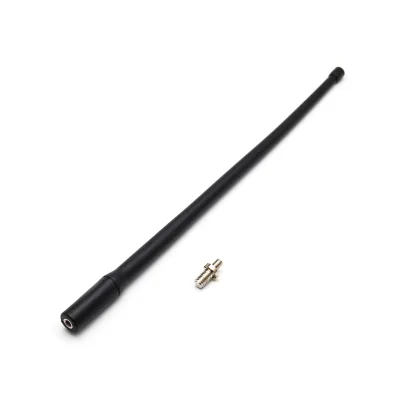
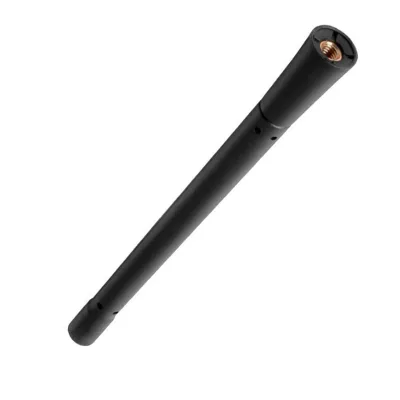
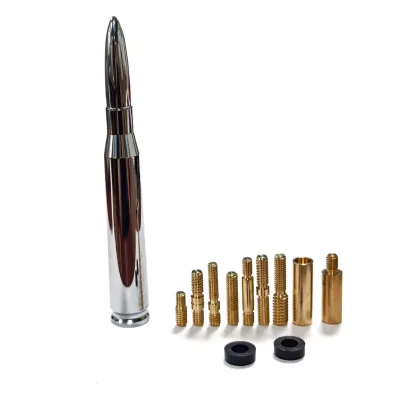
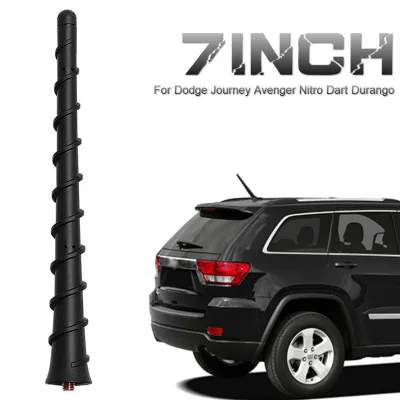

$1.30 - $2.60
MOQ: 500 Pieces
Comprehensive Sourcing Guide
Flexible Rubber Jeep Antenna Sourcing Guide
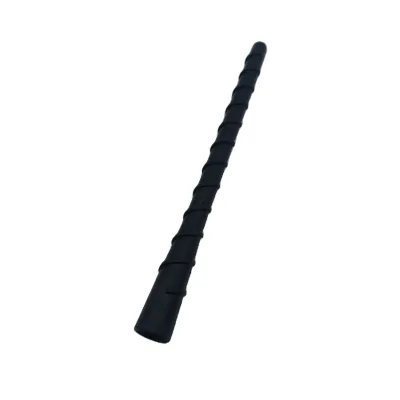
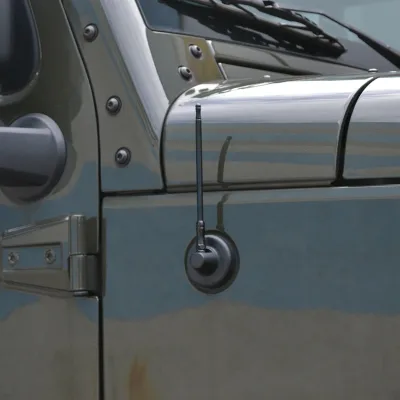
Procuring flexible rubber antennas for Jeep Wrangler models requires distinguishing between specific fitment requirements and universal alternatives. The market offers distinct variants tailored for the JK generation (2007-2017) and the JL generation (2018 onwards), with some listings explicitly stating compatibility for both platforms. Buyers must verify that the product description matches their specific vehicle year and model to ensure the antenna mounts correctly without modification.
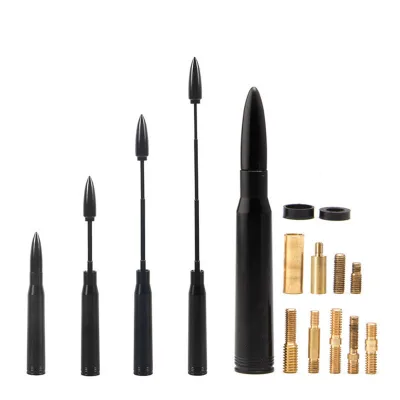
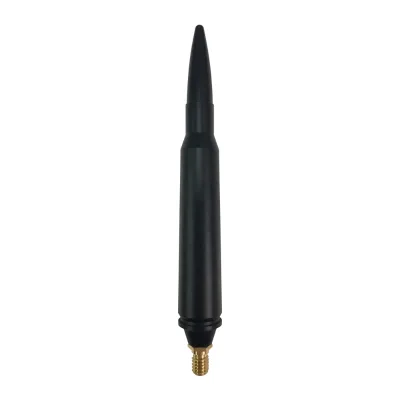
Material composition is a critical differentiator, as observed listings range from steel and aluminum alloy constructions to rubber and copper combinations. While some products are marketed as exterior decoration, the functional antenna relies on internal conductive elements like copper to transmit AM/FM signals effectively. Sourcing decisions should prioritize the internal material integrity over the external finish to guarantee reliable radio reception across the intended frequency range.
Product Scope and Observed Listing Signals
The available product scope includes antennas designed for specific Jeep models such as the Rubicon and Sahara trims, alongside universal options suitable for various vehicle types. Listings indicate a clear segmentation where certain items are branded as replacement parts for the JK and JL series, while others are categorized as general automotive accessories. This distinction is vital for buyers who need exact OEM replacements versus those seeking a generic upgrade for older or modified vehicles.
Observed listing signals reveal significant variation in packaging and physical dimensions, with some items shipped in neutral hard paper boxes and others in simple OPP bags. The single package sizes vary from compact 33x2x2 cm units to larger 20x20x5 cm cartons, reflecting differences in product weight and included accessories. Buyers should carefully review the packaging details to anticipate shipping costs and storage requirements, as the gross weight of individual units can range from 60 grams to over one kilogram depending on the construction.
Technical Specifications to Verify
Buyers must confirm the exact model number and physical dimensions to ensure the antenna fits the mounting point on the vehicle roof or fender. Specific listings cite model numbers like JL1081 for the JK series and jl1196 for the JL series, with dimensions such as 18x3x3 cm or 20x20x5 cm. Verifying these specifications against the vehicle's original equipment manual prevents installation issues and ensures the antenna does not interfere with other roof-mounted accessories or vehicle aerodynamics.
The frequency range and signal transmission capabilities are essential technical parameters that define the antenna's utility for daily driving. Most functional units in the observed data support AM/FM frequency ranges, which is standard for consumer vehicle radios. However, the internal construction, such as the inclusion of copper elements within a rubber body, directly impacts signal clarity. Procurement teams should request detailed schematics or test results to confirm that the antenna meets the necessary electrical performance standards for their specific radio system.
Compliance and Safety Documentation
Safety compliance for automotive exterior parts often involves verifying that materials used are durable against weather exposure and do not pose a hazard during high-speed driving. While specific certification documents were not explicitly detailed in the provided context, buyers should request evidence that the rubber and metal components meet general automotive safety standards for vibration resistance and impact durability. This is particularly important for flexible antennas that may be subjected to car washes, off-road debris, and extreme temperature fluctuations.
Documentation regarding the origin of materials and manufacturing processes helps establish the reliability of the supply chain. Some listings indicate a place of origin in China, specifically Guangdong or Shenzhen, which are major manufacturing hubs for automotive accessories. Buyers should ensure that the supplier can provide traceability for the steel, aluminum, or rubber materials used, as well as any quality assurance reports that confirm the product has undergone professional testing before shipment.
Cost Drivers and Commercial Terms
The cost of flexible rubber antennas is influenced by the complexity of the material mix, such as the combination of rubber and copper versus simpler aluminum or steel designs. Observed price ranges in the market span from approximately 1.3 to 87 USD, reflecting differences in brand reputation, material quality, and included features like custom packaging. Buyers should analyze the price per unit against the expected lifespan and signal performance to determine the true value of the procurement rather than selecting the lowest-cost option blindly.
Commercial terms such as minimum order quantity (MOQ) and lead times vary significantly between suppliers and product types. The observed MOQ ranges from a single piece to 500 units, allowing flexibility for small retailers or large fleet operators. Lead times are noted to be around 15 days for delivery, but this can fluctuate based on the supplier's location and current production capacity. Negotiating these terms early ensures that inventory levels are maintained without incurring excessive storage costs or facing stockouts during peak demand periods.
Supplier Qualification and Quality Control
Supplier qualification should focus on their ability to provide consistent product quality and accurate fitment data for specific Jeep models. The presence of brand names like Lantsun or JIAX in listings suggests that established manufacturers are active in this space, but buyers must verify that the specific supplier can deliver the exact specifications required. Requesting samples before placing a bulk order is a prudent step to validate the physical attributes, such as the flexibility of the rubber and the stability of the mounting bracket.
Quality control processes must be clearly defined to ensure that every unit meets the stated performance criteria. Some listings mention a "100% Professional Test" as a quality standard, which implies a rigorous inspection protocol before packaging. Buyers should inquire about the specific tests conducted, such as signal strength verification or durability checks, to confirm that the supplier maintains a high standard of quality control. This due diligence minimizes the risk of receiving defective units that could lead to customer complaints or warranty claims.
Long-Term Procurement Checks
Establishing a long-term relationship with a supplier requires regular audits of their production capabilities and consistency in delivering the correct model numbers. As vehicle models evolve, the demand for specific antenna configurations may shift, necessitating a flexible supply chain that can adapt to new requirements for the JK and JL generations. Buyers should maintain open communication channels with suppliers to stay informed about any changes in material availability or manufacturing processes that could affect product performance.
Continuous monitoring of market trends and competitor offerings helps ensure that the procured antennas remain competitive in terms of price and quality. The automotive aftermarket is dynamic, with new designs and materials frequently entering the market. By regularly reviewing the specifications and pricing of available products, procurement teams can identify opportunities to optimize their inventory and negotiate better terms with suppliers who demonstrate reliability and innovation in their product lines.
FAQs
What materials are used for flexible rubber jeep antennas?
Flexible rubber jeep antennas are typically constructed from rubber combined with copper for optimal signal transmission. Some exterior decoration options utilize steel or aluminum alloy for durability. These materials ensure the antenna withstands off-road conditions while maintaining a sleek black finish suitable for Jeep Wrangler models.
Which Jeep models are compatible with these antennas?
These antennas are designed for fitment on Jeep Wrangler JK models from 2007 to 2017 and JL models from 2018 onwards. Specific model numbers like JL1081 and jl1196 target these generations. Universal flexible rubber options are also available for broader compatibility across various vehicle types and radio systems.
Can I customize the packaging for bulk orders?
Yes, customized packaging is available for bulk purchases. Standard items are shipped in neutral hard paper boxes and cartons to ensure safe transit. Buyers can request specific packaging details to meet their logistical needs, ensuring the antennas arrive securely while allowing for branded or private label presentation upon delivery.
What is the typical lead time for delivery?
The standard delivery time for these automotive parts is approximately 15 days. This timeframe allows for production and quality assurance processes. Buyers should account for this lead time when planning inventory, as it ensures the products undergo professional testing before being dispatched from the port of origin in China.
How does the MOQ affect pricing for these antennas?
The minimum order quantity ranges from 1 piece to 500 pieces, offering flexibility for different buyer needs. Prices vary between 1.3 and 87 USD depending on the specific model and material. Higher volumes may influence unit costs, allowing businesses to scale their procurement efficiently based on their immediate inventory requirements.
What frequency range do these antennas support?
These antennas support AM and FM frequency ranges for clear radio reception. The flexible rubber design ensures stable signal performance without interference. This capability is essential for Jeep owners who rely on reliable communication while driving off-road or in remote areas where signal strength can be inconsistent.