anti-static car radio removal tool Suppliers and Manufacturers
Compare 20 verified suppliers offering anti-static car radio removal tools with response times, lead times, and certifications. Review product specifications like material and model numbers to select the right vendor for your needs; review the available evidence before requesting comparable quotations from suitable candidates.
Updated
Suppliers List

Jinhua Cowin Import & Export Co., Ltd.
- Verified by TUVRHEINLAND
- Trading Company
- China Zhejiang
- Lead time30 days
- Avg. response≤ 6h
Main productsHand Tool, LED Lighting, Car Tool, Hardware, Trailer Light, Trailer Hitch Mount, Power Tool, Garden Tools, Air Tools, Tie Down
Main marketsEurope


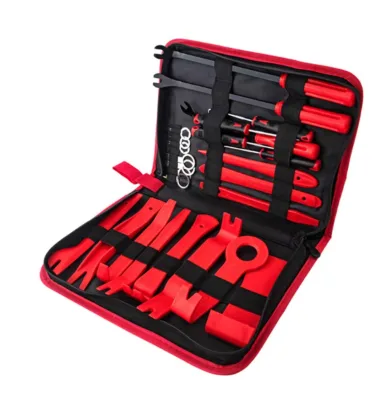
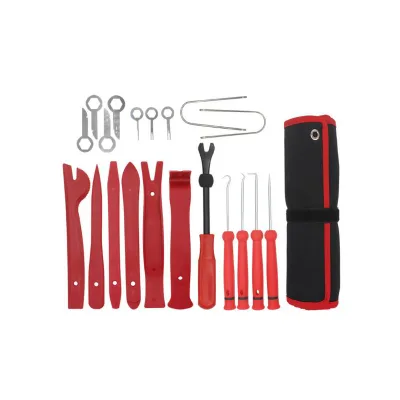
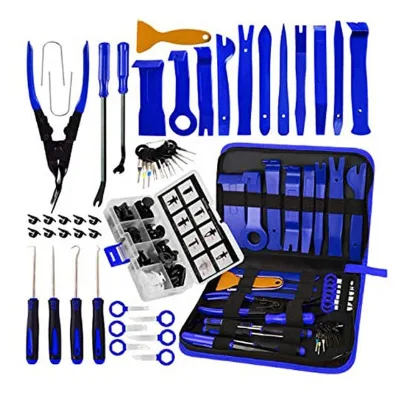
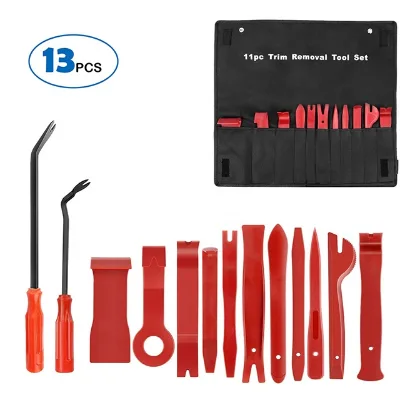
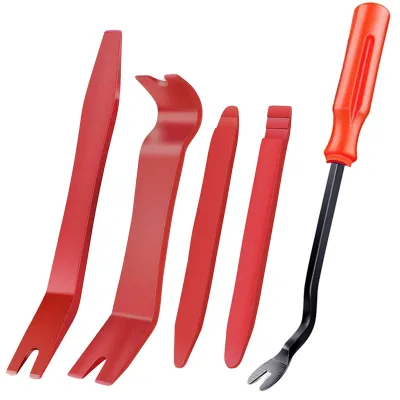
12PC Car Trim Removal Tool Auto Door Panel Dash Radio Body Clip Open Pry Kit
$1.00 - $10.00
MOQ: 1000 Pieces
Shenzhen Lingxinhui Technology Co., Ltd.
- Manufacturer, Trading Company, Distributor/Wholesaler
- Guangdong, China
- Lead time3 days
- Avg. response≤ 1h
Main productsLCD Display Module,Cables & Adapters,DC-DC Converter,Electronic Components,Sensor Module
Main marketsNorth America(20.00%), Southeast Asia(15.00%), South America(12.00%), Eastern Asia(8.00%), South Asia(8.00%), Western Europe(8.00%), Eastern Europe(8.00%), Mid East(6.00%), Northern Europe(5.00%), Southern Europe(4.00%), Oceania(3.00%), Domestic Market(1.00%), Africa(1.00%), Central America(1.00%)
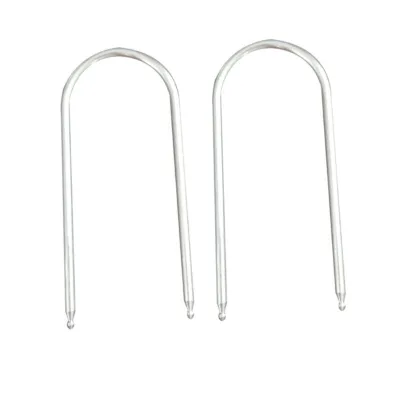
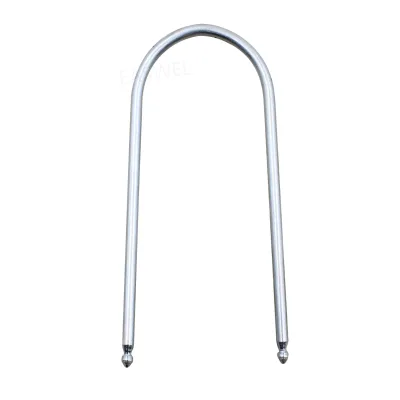
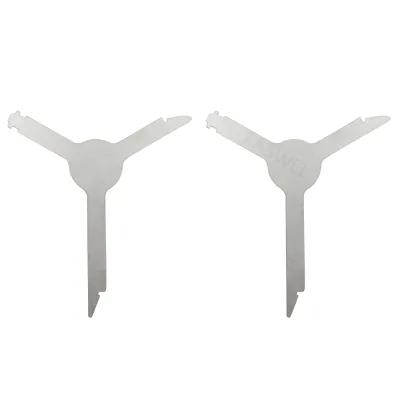
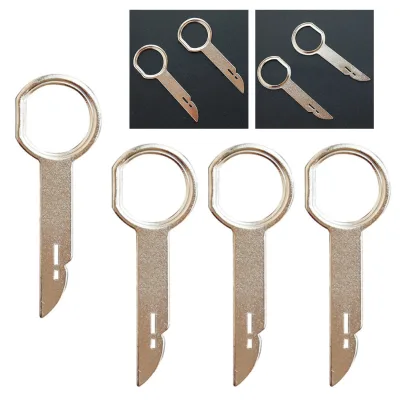
2Pcs Silvery Car CD Stereo Radio Removal Extraction Release Keys Tool
$1.0156 - $1.3332
MOQ: 10 pieces
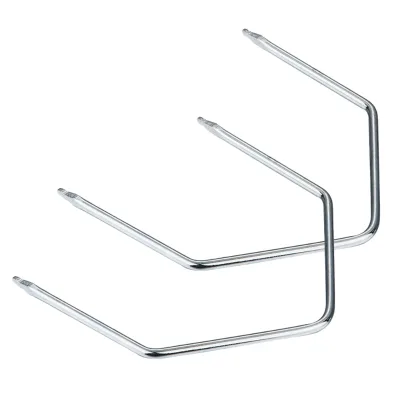

Ningbo Dicong Machinery Co., Ltd.
- Verified by SGS
- Combined
- China Zhejiang
- Lead time30 days
- Avg. response≤ 4h
Main productsAuto Tool, Airbrush, Auto Repair Tools, Socket Sets, Car Tool Set, Ratchet Handle, Under Car Tool, Brake Tools, Radiator Tool, Airbrush Compressor
Main marketsSouth America,Africa,East Asia(Japan/ South Korea),Europe,Australia,North America
Ningbo Yinzhou Fengjie Tools Co., Ltd.
- Verified by TüVRheinland
- Manufacturer, Trading Company
- Lead time30 days
- Avg. response≤ 7h
Main productsAuto Tools, Telescoping Products
Main marketsDomestic Market(33%), North America(25%), Western Europe(10%)
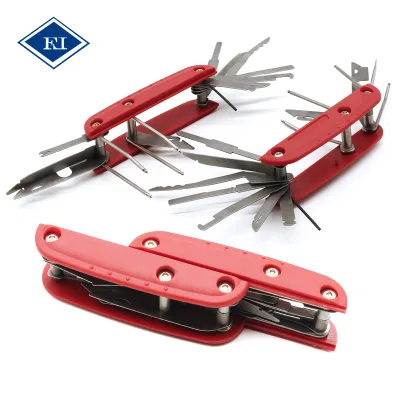
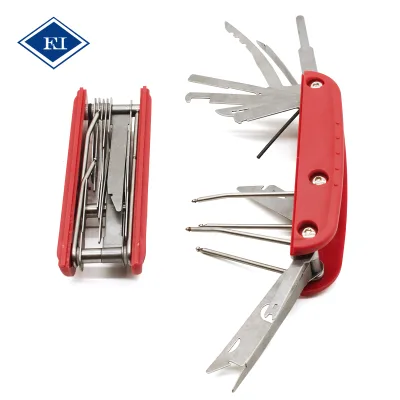
32 Pcs Stereo Removal Kit-pen Knife Multi-function Car Panel Door Trim Removal Tools
$5.50 - $6.90
MOQ: 500 sets
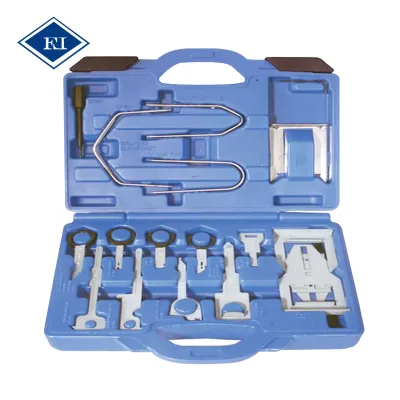
32 Pieces Car Audio Navigation Radio Removal Disassembly and Installation Tools Set
$16.50 - $24.50
MOQ: 1
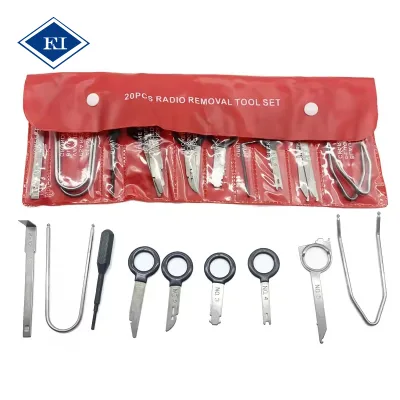
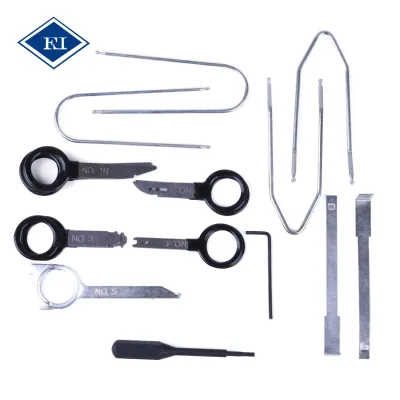
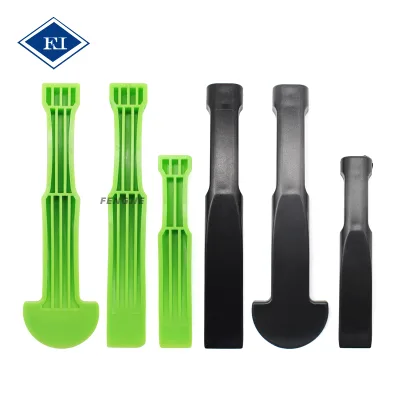

Shijiazhuang Yilushun Import and Export Trade Co., Ltd.
- Verified by BV
- Trading Company
- China Hebei
- Lead time15 days
- Avg. response≤ 12h
Main productsCar Clip, Sealing Strip, Mats Clips, Metal Screws, Cable Tie Tape, The Car Accessories, Automotive Service Set, Auto Clip, Plastic Rivet, Plastic Washer
Main marketsSouth America,Africa,Southeast Asia/ Mideast,East Asia(Japan/ South Korea),Domestic,Europe,Australia,North America

Ningbo Magma Tooling Co., Ltd.
- Trading Company,Manufacturer/Factory,Other
- China Zhejiang
- Lead time45 days
- Avg. response≤ 12h
Main productsAutomotive Tools, Socket Sets, Auto Repair Tools, Ratchet Handle, Garage Equipment, Car Repair Tools, Car Tools Set, Car Maintenance, Injection Moulding, Plastic Injection Mould
Main marketsSouth America,Eastern Europe,North America,Western Europe
Feeldo Car Accessories Co., Ltd.
- Trading Company
- Guangdong, China
- Lead time3 days
- Avg. response≤ 7h
Main productsCar AV Wire Harness,Car Dash Facial,Car Camera,Car LED Lights,Car Light Accessories
Main marketsNorth America(30.00%), Southern Europe(20.00%), Northern Europe(20.00%), Western Europe(15.00%), Eastern Europe(7.00%), South America(5.00%), Mid East(1.00%), Southeast Asia(1.00%), Central America(1.00%)
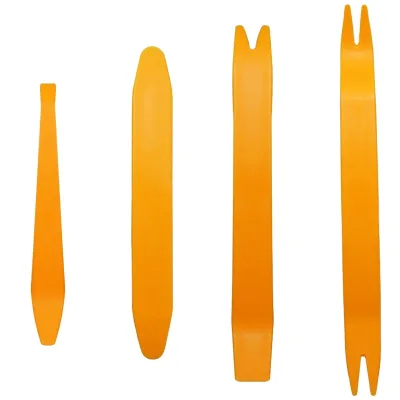
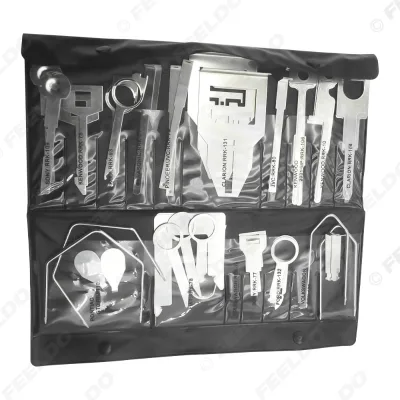
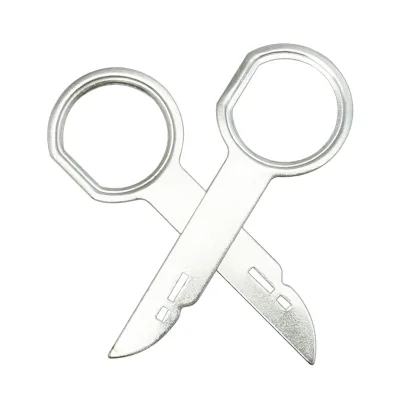
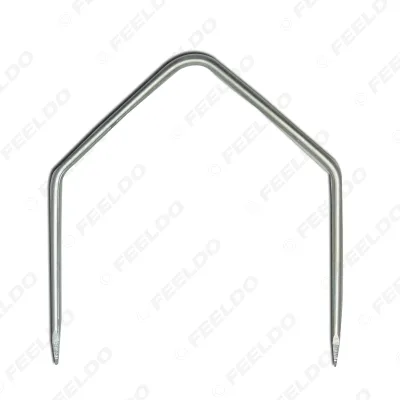
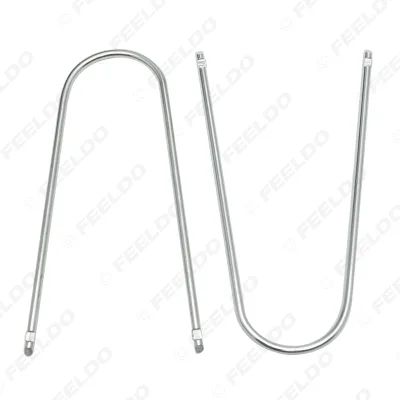
$0.5033 - $0.9138
MOQ: 1 sets
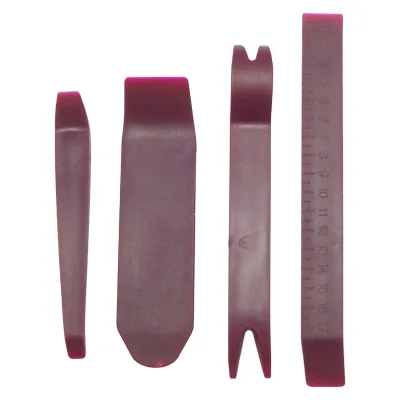

Shenzhen Ksd Industry Co., Ltd.
- Manufacturer, Trading Company, Distributor/Wholesaler
- Guangdong, China
- Lead time5 days
- Avg. response≤ 4h
Main productsFoam Guns and Water Spray Guns,Houseware Cleaning,Polisher/ Buffer accessories,Washing Tool Series,Equipment Series
Main marketsNorth America(30.00%), Western Europe(25.00%), Central America(20.00%), South America(5.00%), Northern Europe(5.00%), Oceania(5.00%), Eastern Europe(5.00%), Domestic Market(1.00%), South Asia(1.00%), Southern Europe(1.00%), Eastern Asia(1.00%), Southeast Asia(1.00%)
Hebei Fitop Technology Co., Ltd.
- Verified by TüVRheinland
- Trading Company
- Lead time45 days
- Avg. response≤ 2h
Main productsDiagnostic Tools, Tire Repair Tools, Vehicle Tools, Car Jacks, Auto Tools
Main marketsNorth America(50%), Eastern Europe(15%), Mid East(10%)
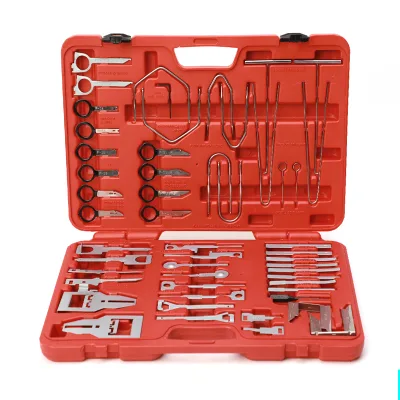
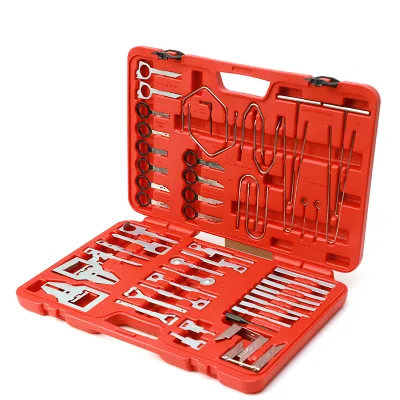
OEM 52pc Car Radio Door Clip Removal Key Tools Set and Auto Radio Installation Kit
$17.6719 - $22.3277
MOQ: 500 sets
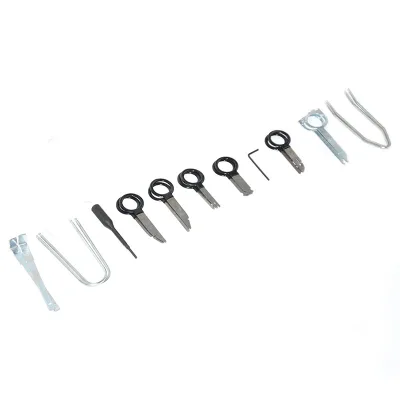
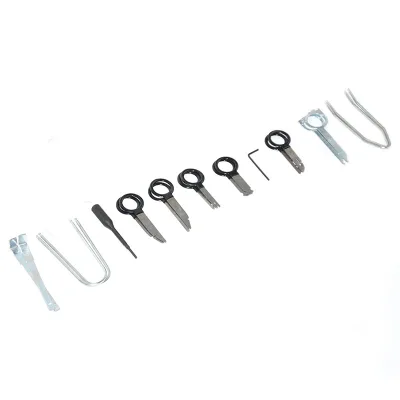
20pcs Car Radio Removal Tool Kit Automotive Audio Stereo CD Player Radio Removal Keys Tool Kit
$3.07 - $3.88
MOQ: 500 sets

Xingtai Hongmao Auto Part Co., Ltd.
- Verified by SGS
- Trading Company
- China Hebei
- Lead time30 days
- Avg. response≤ 6h
Main productsHydraulic Oil Seal, Auto Seal, Customized Rubber Gasket, Agricultural Machinery Oil Seal, Excavator Oil Seal, Bonded Seal, Tc Oil Seal, Un Oil Seal, PU Oil Seal, O Ring
Main marketsSouth America,Europe,North America

Car Audio Repair Trim Removal Tool Car Panel Door Audio Trim Removal Tool Kit
$3.20 - $4.70
MOQ: 10 Pieces

$2.70 - $3.90
MOQ: 10 Pieces

$3.20 - $4.70
MOQ: 10 Pieces

$3.20 - $4.70
MOQ: 10 Pieces

19PCS Car Trim Removal Tool Car Panel Auto Door Audio Trim Removal Tool Kit
$3.20 - $4.70
MOQ: 10 Pieces


Yancheng Biaosin Import&Export Co., Ltd.
- Trading Company
- Jiangsu, China
- Lead time0 days
- Avg. response≤ 7h
Main productsPaint Spray Booth, Retractable Spray Paint Booth, Powder Coating Line, Car Washing Equipment, Car Lift Machine
Main marketsSoutheast Asia(55.00%), Eastern Europe(20.00%), Domestic Market(10.00%), Mid East(10.00%), Oceania(5.00%)
Henan Amazing Bright Auto Accessories Co., Ltd.
- Trading Company
- Henan, China
- Lead time10 days
- Avg. response≤ 2h
Main productsauto led lights,auto decoration,auto accessories,home lights,motor accessories
Main marketsWestern Europe(10.00%), Central America(10.00%), Mid East(10.00%), Northern Europe(10.00%), South Asia(10.00%), Southeast Asia(10.00%), Eastern Europe(10.00%), South America(10.00%), North America(10.00%), Southern Europe(5.00%), Eastern Asia(2.00%), Oceania(2.00%), Africa(1.00%)

$0.8284 - $1.2433
MOQ: 10 pieces

Shenzhen Wanweisi Technology Co., Ltd.
- Manufacturer
- Guangdong, China
- Lead time15 days
- Avg. response≤ 11h
Main productselectronic product,digital product,phone accessories,Computer Accessories,Home appliance accessories
Main marketsNorth America(40.00%), South Asia(10.00%), Southern Europe(10.00%), Northern Europe(10.00%), Western Europe(10.00%), Oceania(10.00%), Eastern Europe(10.00%)
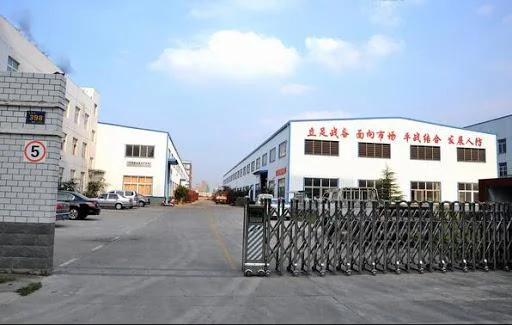
Xingtai Hongmao Auto Part Co., Ltd.
- Trading Company
- Hebei, China
- Lead time15 days
- Avg. response≤ 2h
Main productscar clips,oxygen sensor,catalytic converter,oil seal,gasket
Main marketsMid East(50.00%), Africa(30.00%), North America(20.00%)
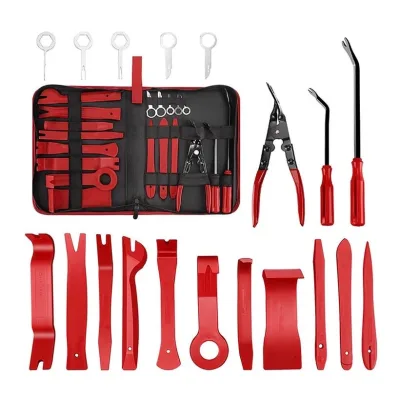
$1.5399 - $2.0523
MOQ: 100 sets

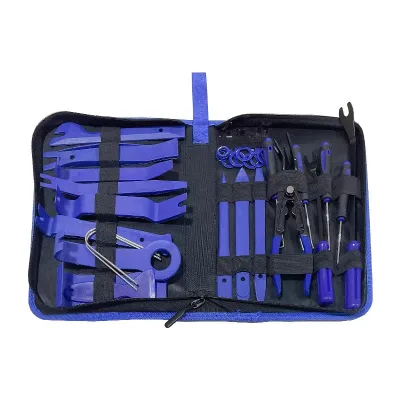
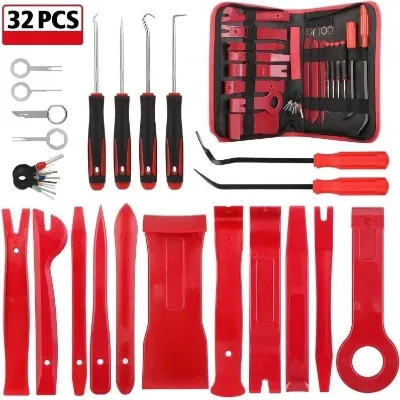
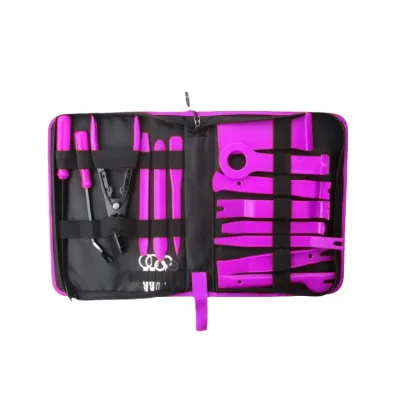
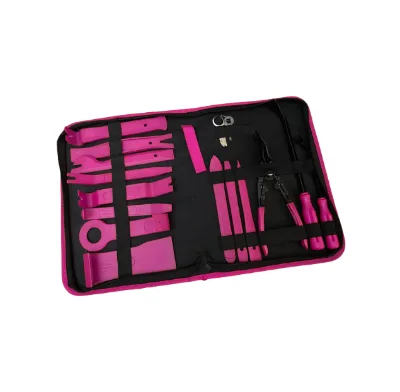
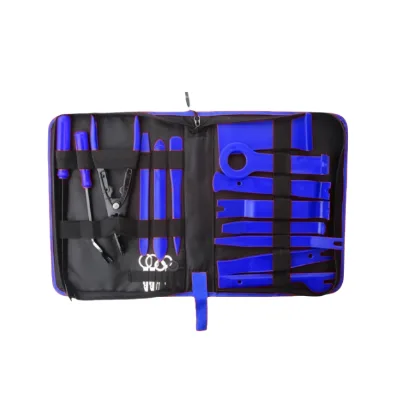
32pcs/set Car Audio Radio Repair Tool Set Blue/Red Color Useful Car Interior Auto Tools
$1.50 - $2.00
MOQ: 100 sets
Xiamen Dawoo Industry And Trade Co., Ltd.
- Manufacturer, Trading Company
- Lead time旺季: "1 - 100":10,"> 100":"To be negotiated", 淡季: "1 - 100":10,"> 100":"To be negotiated"
- Avg. response≤ 5h
Main productsCar Clips, Auto Clips Tools, Car Mat Clips

Suzhou Toryin Trading Co., Ltd.
- Trading Company
- Jiangsu, China
- Lead time30 days
- Avg. response≤ 4h
Main productsHand Tools,Car Tools,Outdoor Tools,Garden Tools,Kitchen Tools
Main marketsSouth America(21.00%), North America(18.00%), Western Europe(8.00%), Eastern Europe(8.00%), Southern Europe(7.00%), Domestic Market(7.00%), Central America(5.00%), Southeast Asia(5.00%), Northern Europe(5.00%), Africa(5.00%), South Asia(3.00%), Eastern Asia(3.00%), Mid East(3.00%), Oceania(2.00%)
Ningbo Zhenhai Toptool Co., Ltd.
- Manufacturer
- Zhejiang, China
- Lead time30 days
- Avg. response≤ 14h
Main productsAutomotive tools
Main marketsWestern Europe(40.00%), Eastern Europe(15.00%), North America(10.00%), South America(10.00%), Southern Europe(5.00%), Eastern Asia(5.00%), South Asia(3.00%), Southeast Asia(3.00%), Oceania(2.00%), Mid East(2.00%)
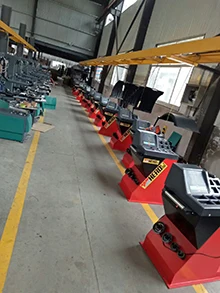
Hebei Zhonghaolian Import And Export Trade Co., Ltd.
- Trading Company
- Hebei, China
- Lead time20 days
- Avg. response≤ 6h
Main productstire repair material and tool,tire valve and valve caps,car jack,tire vulcanizer,wheel weight
Main marketsAfrica(30.00%), South America(20.00%), South Asia(10.00%), Northern Europe(10.00%), Mid East(10.00%), North America(10.00%), Eastern Europe(10.00%)
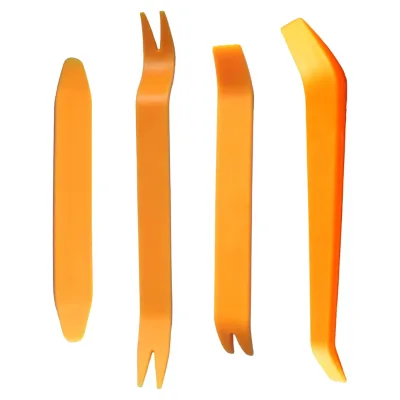
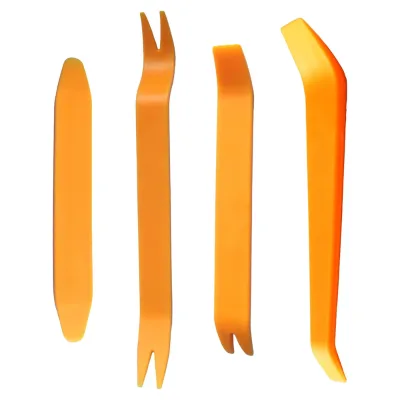
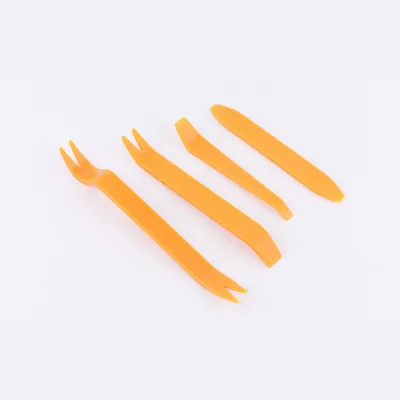
Portable Auto Car Radio Panel Door Clip Panel Trim Dash Audio Removal Installer Pry Repair Kit
$0.1873 - $0.3101
MOQ: 10 pieces
Foshan Yalian Auto Parts Trade Co., Ltd.
- Verified by Intertek
- Trading Company
- Lead time15 days
- Avg. response≤ 3h
Main productsCar Jacks, Auto Repair Tools, Electrical Tools, Diagnostic Tools, Air Pump
Main marketsNorth America(10%), Africa(10%), Mid East(10%)

SHANGHAI JUST BETTER TOOLS CO., LTD.
- Trading Company,Manufacturer/Factory
- China Shanghai
- Lead time0 days
- Avg. response≤ 13h
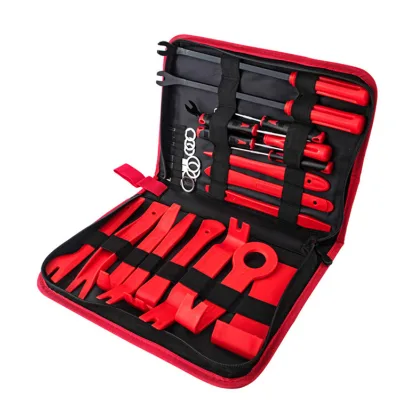
Main productsPdr Tools, Auto Tools, Paintless Dent Repair Tools, Car Dent Repair Tools, Dent Tool Kit, Dent Puller Kit, Pdr Car Body Repair Tool, Pdr Kit


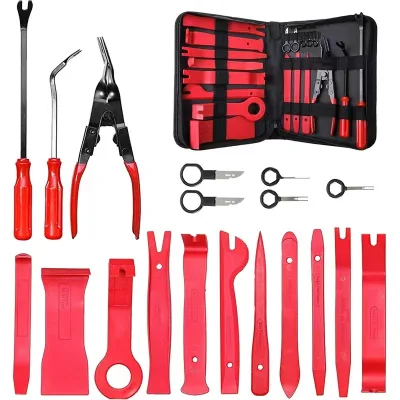
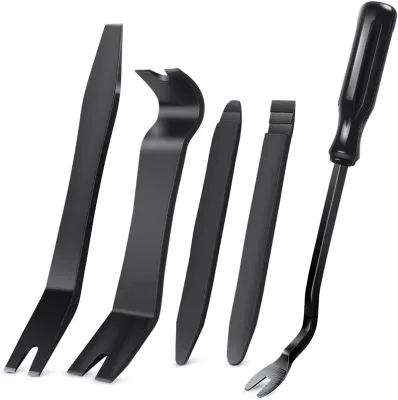
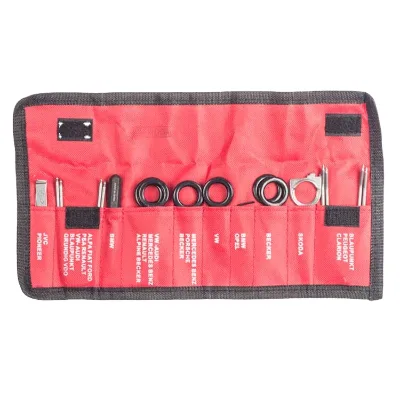
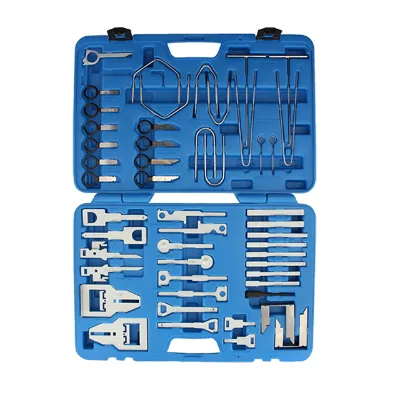


Comprehensive Sourcing Guide
Anti-Static Car Radio Removal Tool Supplier Concentration and Factory Types
The current supplier landscape for anti-static car radio removal tools reveals a distinct geographic and operational stratification that buyers must navigate carefully. Evidence indicates that manufacturing and trading activities are concentrated in specific Chinese provinces, notably Zhejiang and Guangdong. Suppliers located in Zhejiang often operate as trading companies, leveraging the region’s established hardware and hand tool infrastructure to offer diverse product lines that include general automotive tools, garden tools, and power tools. This concentration suggests that buyers seeking a broad catalog of related automotive accessories may find efficient sourcing opportunities in this cluster, where economies of scale in tool manufacturing are prevalent. Conversely, suppliers based in Guangdong demonstrate a different operational profile, often combining manufacturing capabilities with trading and distribution roles. These entities frequently specialize in electronic components, cables, and adapters, which aligns closely with the technical requirements of car stereo removal and extraction tools. The presence of both pure trading companies and combined manufacturer-trader entities means that buyers must distinguish between those who simply aggregate products and those who have direct control over the production process, particularly when specific material or certification requirements are critical for anti-static properties.
Understanding the company type is essential for evaluating the reliability and flexibility of the supply chain. Trading companies, which appear frequently in the Zhejiang results, typically offer a wider variety of SKUs and may provide more flexible customization options for packaging and branding, as indicated by available customization attributes in product listings. However, they may have less direct oversight over the raw material quality, such as the carbon steel or nylon composition of the tools. On the other hand, suppliers in Guangdong that identify as manufacturers or combined entities often provide more direct insight into the production standards and material specifications. For instance, some listings highlight specific brand names and detailed product attributes like single package sizes and gross weights, which are typical of manufacturers who manage their own inventory and logistics. The distinction between these factory types impacts not only the pricing structure but also the ability to implement specific anti-static treatments or certifications. Buyers should assess whether the supplier’s primary business model aligns with their need for volume flexibility or technical precision, as trading companies may excel in the former while manufacturers may offer greater assurance in the latter.
How to Verify Anti-Static Car Radio Removal Tool Suppliers
Verification of suppliers requires a multi-layered approach that goes beyond basic company registration checks, focusing on third-party validations and product-specific evidence. Several suppliers in the current results have undergone verification by recognized entities such as TÜV Rheinland and SGS, which provides a baseline level of confidence in their operational legitimacy and quality management systems. Buyers should prioritize suppliers with these external verifications, as they indicate that an independent body has assessed the company’s processes. Additionally, the presence of specific product certifications, such as ISO, GS, RoHS, and CE, serves as a critical indicator of compliance with international safety and environmental standards. For anti-static tools, verifying that the materials used, such as carbon steel or nylon, meet specific electrical resistance standards is paramount, although explicit anti-static test results are not always displayed in the initial product data. Buyers must actively request detailed test reports or material safety data sheets to confirm that the tools do not generate static discharge that could damage sensitive car audio electronics. The absence of displayed system certifications for some suppliers does not necessarily imply non-compliance, but it does require the buyer to conduct more rigorous due diligence to ensure that the products meet their specific technical requirements.
Beyond certifications, buyers should scrutinize the detailed product attributes and packaging information provided in the supplier listings to gauge the level of quality control. Attributes such as condition, standard, and specific material compositions like tempered steel blades or comfortable plastic handles offer insights into the product’s durability and user experience. For example, some listings specify sliding blister card packaging or double blister packs, which can indicate a focus on retail-ready presentation and protection during transit. Buyers should also examine the response time and verification status of the supplier, as a quick response time, such as one day, may indicate a more agile and customer-focused operation. Furthermore, checking for the availability of customization options can reveal the supplier’s willingness to adapt to specific buyer needs, such as private labeling or custom packaging. It is crucial to verify that the supplier’s claimed capabilities, such as OEM or ODM services, are backed by tangible evidence in their product portfolio. Buyers should not rely solely on the supplier’s self-reported claims but should seek corroborating evidence through sample orders or detailed technical inquiries to ensure that the anti-static properties and overall quality meet their standards before committing to larger orders.
What to Compare Across Anti-Static Car Radio Removal Tool Suppliers
When evaluating multiple suppliers, buyers must systematically compare key operational metrics such as lead time, minimum order quantity, and response speed to determine the best fit for their supply chain needs. Lead times vary significantly among suppliers, with some offering a standard thirty-day lead time while others, particularly those in Guangdong, may provide much faster turnaround times of just three days. This disparity can be critical for buyers with urgent restocking needs or those participating in time-sensitive promotional campaigns. Similarly, minimum order quantities range widely, from as low as ten units for certain extraction keys to one thousand units for larger tool sets. Buyers with smaller inventory requirements may find the lower MOQs more attractive, despite potentially higher per-unit costs, while those seeking bulk discounts must be prepared to meet higher volume thresholds. Response time is another vital metric, with some suppliers responding within a day and others taking over five days. A faster response time often correlates with better customer service and more efficient communication, which can help resolve issues quickly and ensure smoother order processing. Buyers should weigh these factors against their specific operational constraints to identify suppliers that offer the optimal balance of speed, volume flexibility, and service quality.
In addition to operational metrics, buyers should compare product-specific details such as pricing, material composition, and certification levels to ensure value and compliance. Pricing for car radio removal tools can vary from under two dollars for simple extraction keys to over twenty-five dollars for comprehensive multi-piece kits. While lower prices may be appealing, buyers must consider the quality of materials, such as carbon steel versus stainless steel, and the inclusion of additional features like ergonomic handles or specialized blades. Certification levels also differ, with some products holding ISO, GS, RoHS, and CE certifications, while others may only have ISO or no displayed certifications. Buyers should assess whether the additional cost for higher certifications or superior materials is justified by their end-market requirements. Furthermore, comparing the main products offered by each supplier can reveal their area of expertise; some may specialize in hand tools and automotive accessories, while others focus on electronic components and adapters. This specialization can influence the reliability and quality of the anti-static tools. Buyers should create a comparison matrix that includes these variables to make an informed decision that aligns with their budget, quality standards, and logistical requirements.
Common Anti-Static Car Radio Removal Tool Sourcing Risks
One of the primary risks in sourcing anti-static car radio removal tools is the potential discrepancy between claimed specifications and actual product performance, particularly regarding electrical properties. While some suppliers list certifications such as ISO or RoHS, these do not necessarily guarantee that the tools possess the specific anti-static characteristics required to protect sensitive car audio electronics. Buyers may encounter products made from standard carbon steel or nylon that lack the necessary conductive or dissipative properties, leading to potential damage to customer vehicles and subsequent returns or complaints. This risk is exacerbated by the fact that detailed test results for static dissipation are not always provided in the initial product listings. Additionally, the variability in material quality, such as the difference between tempered steel blades and standard steel, can affect the durability and effectiveness of the tools. Buyers must be vigilant in verifying these technical specifications through direct communication and sample testing to mitigate the risk of receiving substandard products. The lack of uniform standards across suppliers means that buyers cannot assume that all products labeled as automotive tools will meet the specific anti-static requirements of their market.
Another significant risk is the inconsistency in supplier reliability and communication, which can disrupt supply chain operations. Suppliers with longer response times or those operating as trading companies without direct manufacturing control may face delays in production or quality assurance processes. This can lead to missed deadlines and increased logistical costs, particularly if buyers are relying on just-in-time inventory strategies. Furthermore, the variation in packaging and labeling practices among suppliers can create confusion and compliance issues, especially if buyers require specific branding or regulatory labeling for their target markets. Some suppliers offer customization options, while others do not, which can limit the buyer’s ability to differentiate their products in a competitive market. There is also the risk of intellectual property infringement if suppliers use unauthorized brand names or designs, as seen in some listings that mention specific brand names. Buyers must conduct thorough due diligence to ensure that suppliers have the necessary rights to produce and sell the products. By identifying and addressing these risks early in the sourcing process, buyers can establish more robust and reliable supply chains that minimize disruptions and ensure product quality.
Anti-Static Car Radio Removal Tool Regional Sourcing and Logistics
Sourcing from different regions in China offers distinct logistical advantages and challenges that buyers must consider when planning their supply chain. Suppliers located in Zhejiang benefit from a well-established infrastructure for hardware and hand tool manufacturing, which can lead to competitive pricing and a wide variety of product options. However, the distance from major international shipping ports may result in slightly longer transit times and higher inland transportation costs. In contrast, suppliers in Guangdong are often closer to major ports like Shenzhen and Guangzhou, facilitating faster and more efficient export logistics. This geographic proximity can be particularly advantageous for buyers who require quick turnaround times and frequent shipments. The concentration of electronic component manufacturers in Guangdong also means that buyers can potentially source complementary products, such as cables and adapters, from the same region, simplifying logistics and reducing overall supply chain complexity. Buyers should evaluate the total landed cost, including transportation and handling fees, rather than just the unit price, to determine the true cost advantage of sourcing from each region. Additionally, the local expertise in handling international trade regulations and documentation can vary by region, affecting the smoothness of the export process.
Logistical planning must also account for the packaging and shipping requirements of the products, which can vary significantly among suppliers. Some suppliers use sliding blister cards or double blister packs, which are suitable for retail display but may require additional protection during transit to prevent damage. Others may use simple carton packaging, which is more cost-effective but may offer less protection for individual tools. Buyers should work with suppliers to optimize packaging for both product protection and shipping efficiency, ensuring that the tools arrive in good condition and are ready for sale or distribution. The weight and dimensions of the products, as indicated in some listings, can impact shipping costs, particularly for air freight. Buyers should consider consolidating shipments from multiple suppliers in the same region to reduce shipping costs and simplify customs clearance. Furthermore, understanding the local customs regulations and import duties in the buyer’s country is essential to avoid unexpected costs and delays. By carefully planning the logistics and considering the regional strengths of each supplier, buyers can optimize their supply chain for cost, speed, and reliability.
Anti-Static Car Radio Removal Tool Commercial Terms and Order Planning
Commercial terms and order planning are critical components of a successful sourcing strategy, requiring careful negotiation and alignment with supplier capabilities. Buyers should clearly define their order quantities, delivery schedules, and payment terms to ensure that both parties have a mutual understanding of the transaction. Minimum order quantities can range from ten to one thousand units, so buyers must plan their orders to meet these thresholds while avoiding excessive inventory buildup. For buyers with smaller volume needs, negotiating for lower MOQs or participating in group buying initiatives may be necessary. Payment terms should be structured to balance risk and cash flow, with options such as escrow services providing security for both parties. Buyers should also consider the impact of currency fluctuations and exchange rates
FAQs
What is the typical lead time for car radio removal tools?
Manufacturers in China generally offer a lead time of 30 days for standard orders. Some suppliers in Guangdong provide faster turnaround times of just 3 days for specific electronic accessories. Buyers should confirm exact delivery schedules with the supplier before placing bulk orders to ensure timely project completion.
What is the minimum order quantity for these tools?
Minimum order quantities vary significantly by supplier and product type. Some manufacturers require a minimum of 1000 units for standard tool sets, while others accept orders as low as 10 pieces for specific extraction keys. Always verify the specific MOQ with the supplier to align with your inventory needs.
Are these tools certified for safety and quality?
Many suppliers offer tools with ISO, GS, RoHS, and CE certifications. Some products also carry TÜV Rheinland verification for additional quality assurance. Buyers should request specific certification documents for each product model to ensure compliance with local safety standards and regulatory requirements in their target markets.
What materials are used in car radio removal kits?
Common materials include carbon steel, stainless steel, and nylon. Carbon steel tools often feature tempered steel blades for durability, while nylon pry bars are used for trim removal to prevent surface damage. Buyers can choose materials based on the specific application and desired tool longevity for their automotive repair needs.
How quickly do suppliers respond to inquiries?
Response times vary, with some suppliers responding within 1 day and others taking up to 5 days. Faster response times are often associated with manufacturers in Guangdong. Buyers should prioritize suppliers with quick response rates to ensure efficient communication and faster resolution of any pre-order questions or customization requests.
Can these tools be customized for branding?
Customization is available for many tool sets, including packaging and product specifications. Suppliers offer options like sliding blister cards or double blister packaging. Buyers interested in private labeling should discuss customization availability and minimum order requirements directly with the supplier to ensure their branding needs are met effectively.