roof air-scoop carbon bodykit Suppliers and Manufacturers
Source roof air-scoop carbon bodykit from 15 verified suppliers in Guangdong, China. Compare response times, lead times, MOQs, and prices for dry carbon fiber parts. Contact suppliers directly to request samples and confirm fitment for McLaren models; review the available evidence before requesting comparable quotations from suitable candidates.
Updated
Suppliers List
Dongguan Shengdong Carbon Fiber Technology Co., Ltd.
- Verified by TüVRheinland
- Manufacturer, Trading Company
- Lead time7 days
- Avg. response≤ 3h
Main productsFront Bumpers, Bonnets, Rear Spoilers, Body Kits & Accessories, Rear Bumpers
Main marketsDomestic Market(25%), North America(15%), South America(10%)
Guangzhou Yamei Auto Accessories Co., Ltd.
- Manufacturer, Trading Company, Distributor/Wholesaler
- Guangdong, China
- Lead time10 days
- Avg. response≤ 2h
Main productscarbon fiber products,car body kits,car exhaust system,Automotive Interior,ABS product OEM
Main marketsNorth America(65.00%), Mid East(10.00%), Domestic Market(5.00%), South Asia(5.00%), Northern Europe(5.00%), South America(5.00%), Africa(5.00%)
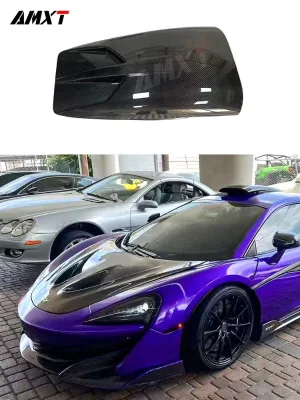
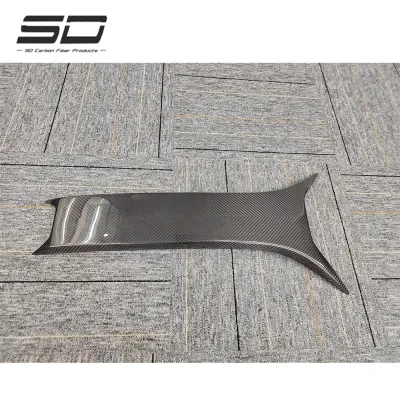
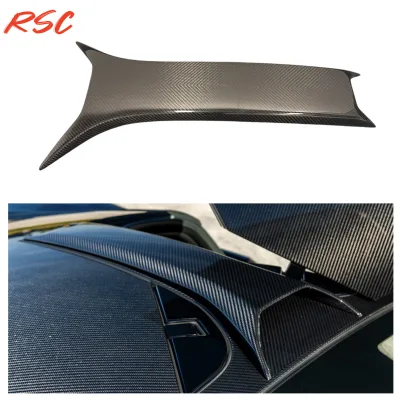
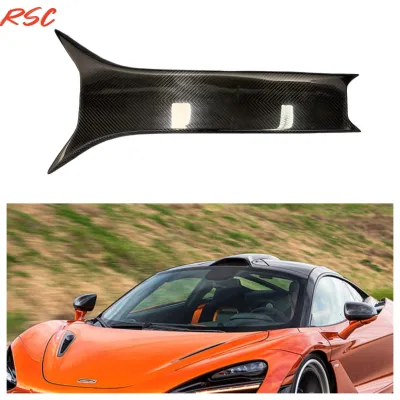
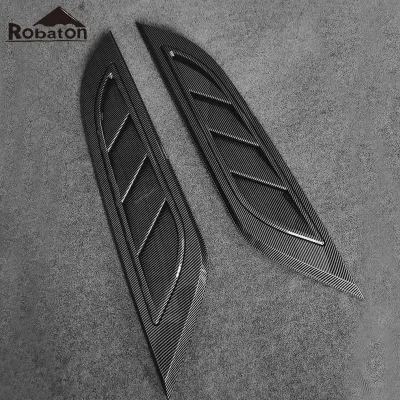
Roof Scoop Cover High Quality Fast Delivery Carbon Fiber Body Kits for McLaren 570S
$500.00 - $700.00
MOQ: 1
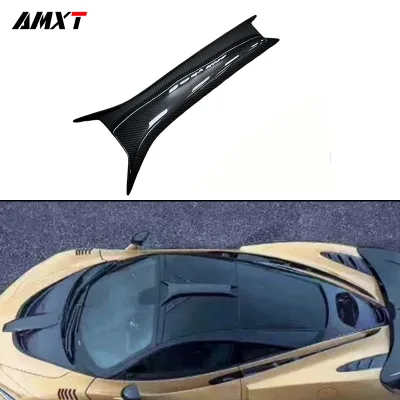
Guangzhou Feisheng Carbon Fiber Co., Ltd.
- Verified by TüVRheinland
- Trading Company
- Lead time3 days
- Avg. response≤ 4h
Main productsCar Exterior Accessories
Main marketsMid East(40%), North America(10%), South America(8%)

Guangzhou New Vision New Material Technology Co., Ltd.
- Trading Company
- China Guangdong
- Lead time15 days
- Avg. response≤ 14h
Main productsDouble Sided Tape, Reflective Tape, Adhesive Products
Main marketsSouth America,Southeast Asia/ Mideast,Europe

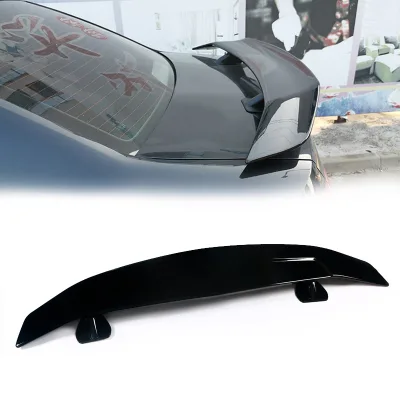
Carbon Fiber Car Airfoil Trunk Lip Wing Racing Rear Wing Roof Spoiler for Universal Car
$3.90 - $5.50
MOQ: 20 Rolls

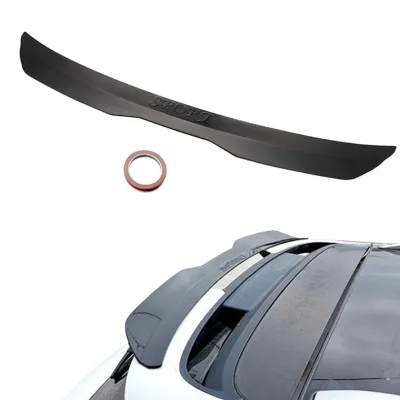
Universal Car Roof Dragon Horn Modification Customization Decoration Body Kit Car Accessories
$5.00 - $7.00
MOQ: 10 Rolls

Car Rear Roof Lip Spoiler Black Wing Universal Carbon Fiber Texture Car Rear Spoilers Lip Bumper
$3.90 - $5.50
MOQ: 20 Rolls

Carbon Fiber Car Rear Roof Trunk Wing Car Flap Spoiler Car Exterior Accessories Tail Wing
$3.50 - $5.00
MOQ: 36 Sets

Universal Automotive Carbon Fiber Car Rear Roof Trunk Wing Rubber Car Flap Spoiler
$3.90 - $5.50
MOQ: 20 Rolls
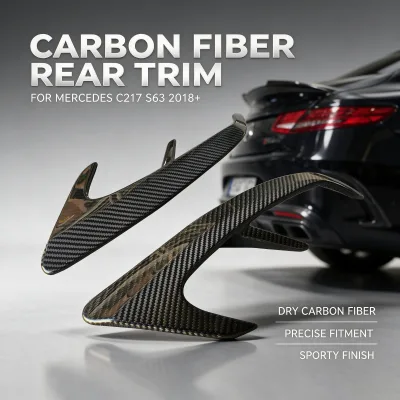
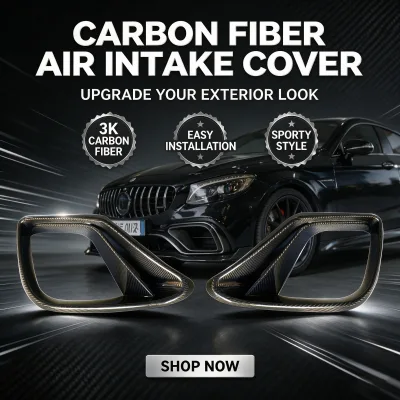
Dalian Eurocar Auto Parts Co., Ltd.
- Trading Company
- Lead time旺季: "1 - 5":20,"> 5":"To be negotiated", 淡季: "1 - 5":20,"> 5":"To be negotiated"
- Avg. response≤ 3h
Main productsAuto Body Kits, Auto Tuning Parts
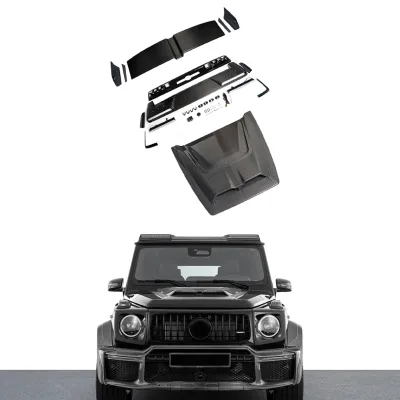
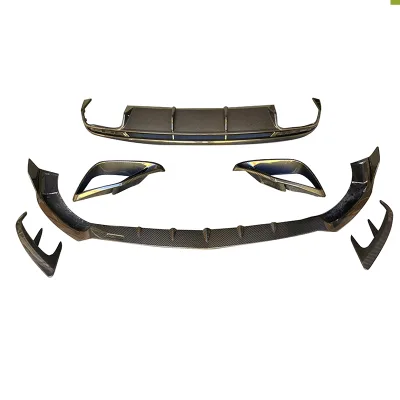
$1799.2403 - $2107.6815
MOQ: 1 sets
Changzhou Carbon Tech Composite Material Co., Ltd.
- Verified by TüVRheinland
- Manufacturer, Trading Company
- Lead time7 days
- Avg. response≤ 5h
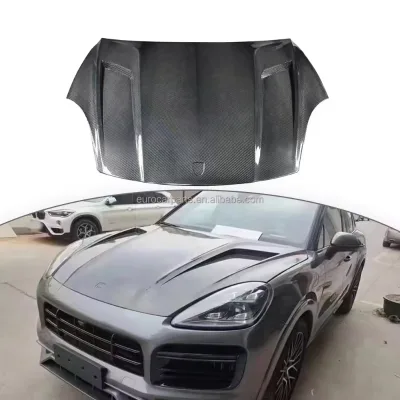
Main productsBody Kit, Bumpers, Carbon Fiber Parts, Head and Taillights, Hood
Main marketsDomestic Market(40%), Eastern Europe(20%), South America(10%)
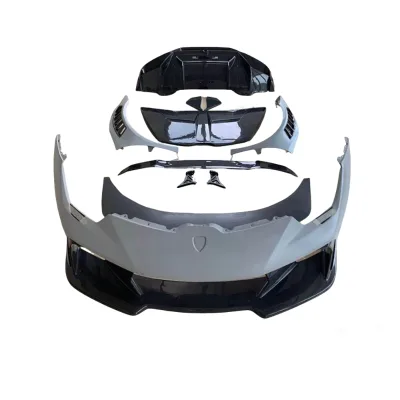
$1192.1773 - $1295.8449
MOQ: 1 sets
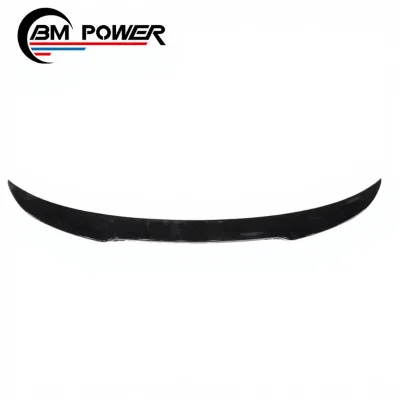
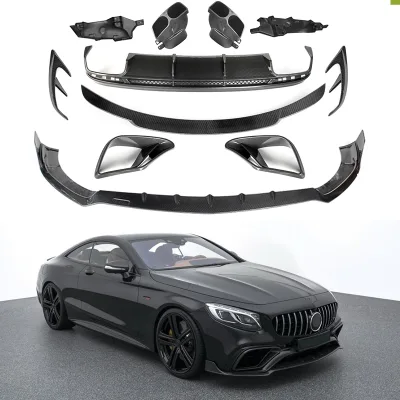
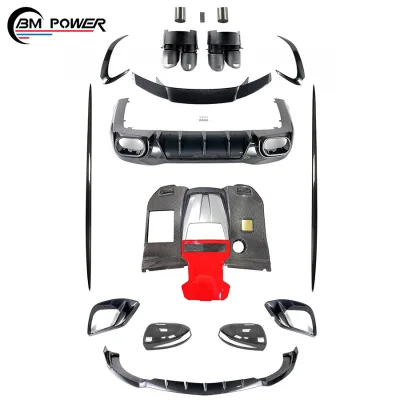
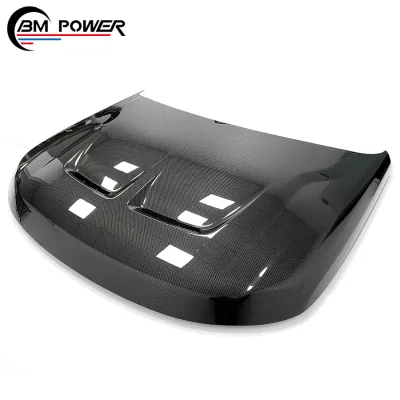
$1000.00 - $1100.00
MOQ: 1 sets
Guangzhou Css Auto Accessories Co., Ltd.
- Verified by SGS Group
- Trading Company
- Lead time10 days
- Avg. response≤ 2h
Main productsBody Kits/Car Bumpers/Carbon Fiber Auto Body Parts, Carbon Fiber Engine Hoods, Forged Wheel Rims, Carbon Fiber Interior Trims
Main marketsNorth America(18%), Southeast Asia(15%), Mid East(11%)
Guangzhou Abinna Commerce Trading Co., Ltd.
- Verified by SGS Group
- Trading Company
- Lead time10 days
- Avg. response≤ 2h
Main productsCarbon Fiber Body Kit, Car Spoilers, Engine Hood, Car Interior Trims, Wheels Rims
Main marketsNorth America(30%), South America(20%), Eastern Europe(12%)
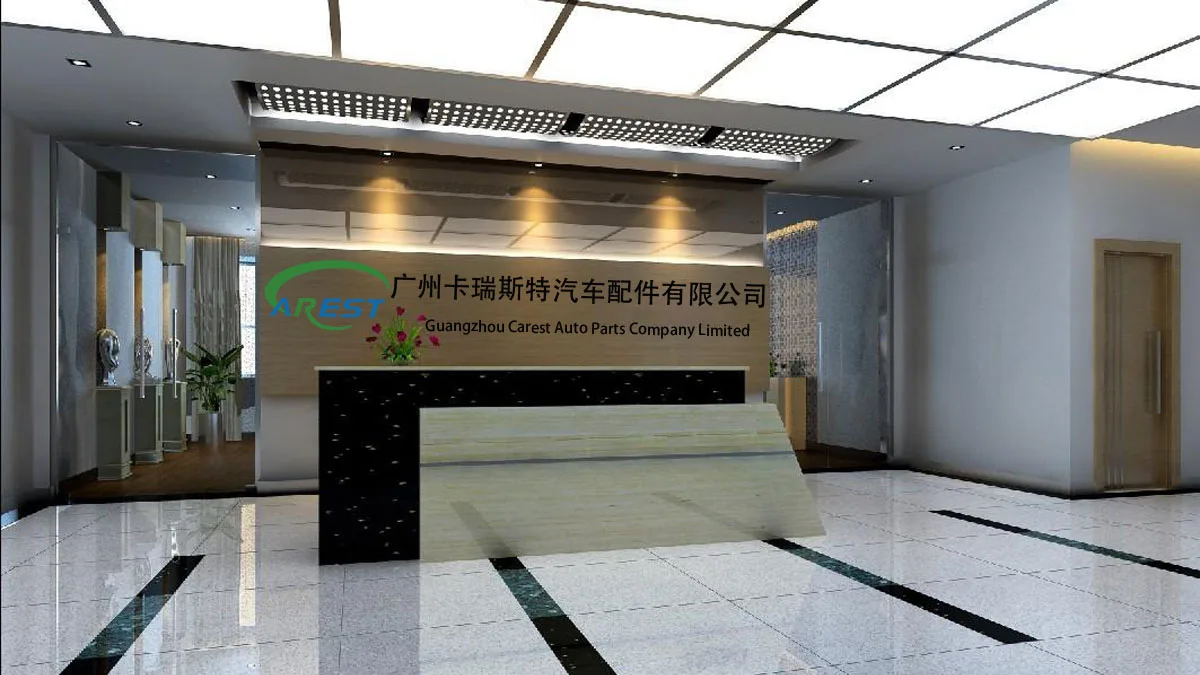
Guangzhou Carest Auto Parts Co., Ltd.
- Manufacturer, Distributor/Wholesaler, Business Service (Transportation, finance, travel, Ads, etc)
- guangdong, China
- Lead time10 days
- Avg. response≤ 9h
Main productsCar Conditioning sysytem,Automobile braking system,Car decoration parts,Auto lighting system,Automotive electronics
Main marketsEastern Europe(30.00%), North America(20.00%), Mid East(15.00%), South America(15.00%), South Asia(12.00%), Southeast Asia(5.00%), Africa(3.00%)
Guangzhou Css Auto Accessories Co., Ltd.
- Trading Company
- Lead time旺季: "1 - 1":15,"2 - 2":30,"> 2":"To be negotiated", 淡季: "1 - 1":15,"2 - 2":30,"> 2":"To be negotiated"
- Avg. response≤ 2h
Main productsBody Kits, Car Bumpers, Car Spoiler, Carbon Fiber Auto Body Parts, Carbon Fiber Interior Trims
Danyang Lubaitong Automotive Parts Co., Ltd.
- Manufacturer, Trading Company
- Jiangsu, China
- Lead time0 days
- Avg. response≤ 4h
Main productsheadlights
Main marketsNorth America(30.00%), Southeast Asia(20.00%), Eastern Europe(20.00%), South America(20.00%), Africa(10.00%)
Guangzhou Purxin Auto Parts Co., Ltd.
- Manufacturer, Distributor/Wholesaler
- Guangdong, China
- Lead time7 days
- Avg. response≤ 5h
Main productsCar Decoration Light,Car Led Headlight Light,Car Led Work Light,Auto LED Bulb,LED Strip Light
Main marketsNorth America(50.00%), Eastern Europe(10.00%), Western Europe(5.00%), Northern Europe(5.00%), South Asia(5.00%), Southern Europe(5.00%), Southeast Asia(5.00%), South America(5.00%), Eastern Asia(3.00%), Central America(3.00%), Mid East(2.00%), Africa(2.00%)
Guangzhou Yuechi Automotive Supplies Co., Ltd.
- Trading Company
- guangdong, China
- Lead time7 days
- Avg. response≤ 5h
Main productsCar Exhausted Muffler Pipe,Car Exhausted,Car Gear Shift Knob,Car Spoiler,Exhaust Downpipe
Main marketsNorth America(40.00%), Southeast Asia(20.00%), South America(20.00%), Western Europe(10.00%), Mid East(10.00%)
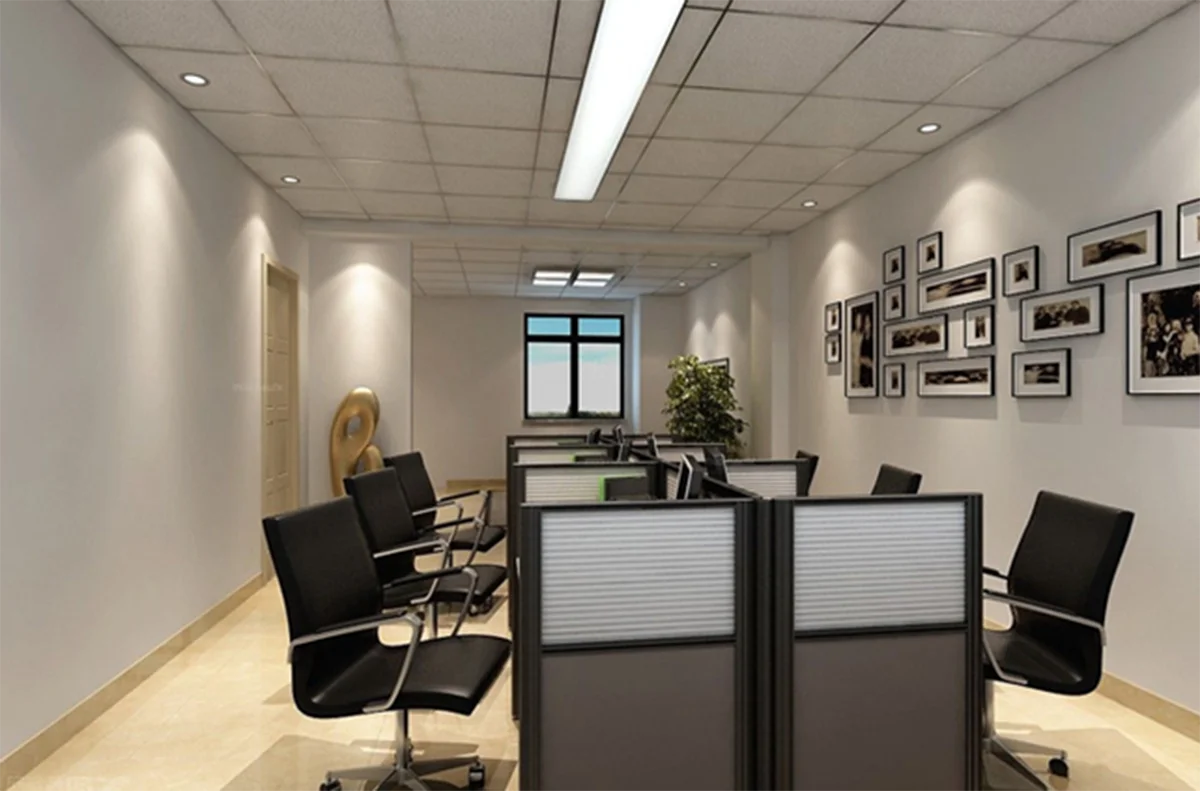
Dongguan Pinhong Plastic Products Co., Ltd.
- Manufacturer
- Guangdong, China
- Lead time15 days
- Avg. response≤ 3h
Main productsCar accessories,Auto accessories,Plastic strip,Rubber edge trim,Car lip spoiler
Main marketsMid East(10.00%), North America(8.00%), Southeast Asia(6.00%), Africa(5.00%), South America(5.00%), South Asia(3.00%), Oceania(2.00%), Southern Europe(2.00%), Northern Europe(2.00%), Central America(2.00%), Western Europe(2.00%), Eastern Europe(2.00%), Domestic Market(1.00%)

- Verified by SGS
- Trading Company
- China Zhejiang
- Lead time15 days
- Avg. response≤ 15h
Main productsCar Mat, Car Air Freshener, Car Seat Cover, Steering Wheel Cover, Car Phone Holder, Car Roof Tent, Car Sunshade, Jerry Can
Main marketsEurope,Australia

High-Speed Aerodynamic Performance Car Rear Lip Bumper Spoiler Car Wind Stabilizer Wing
$3.07 - $3.40
MOQ: 300 Pieces

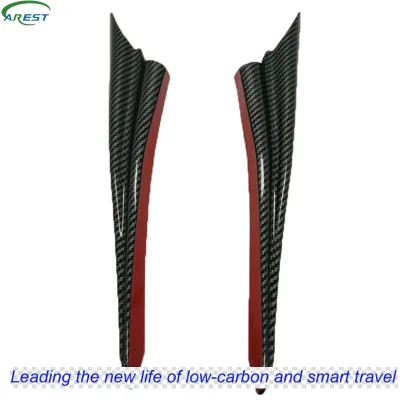
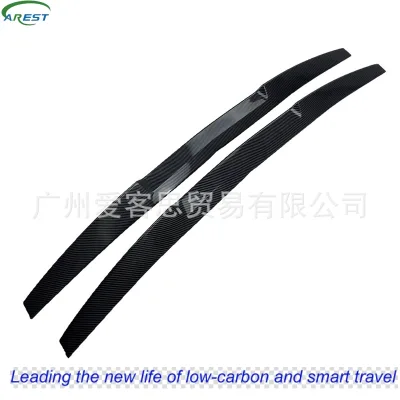
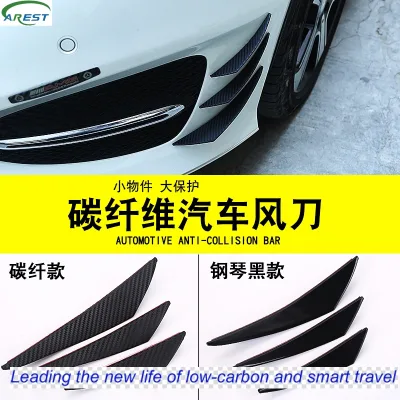
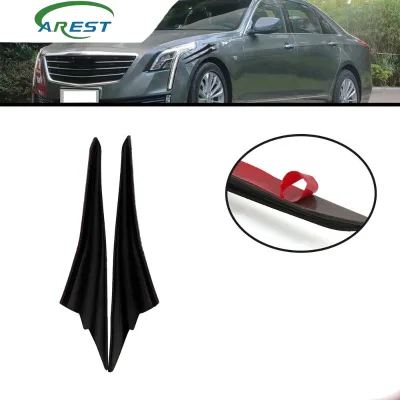
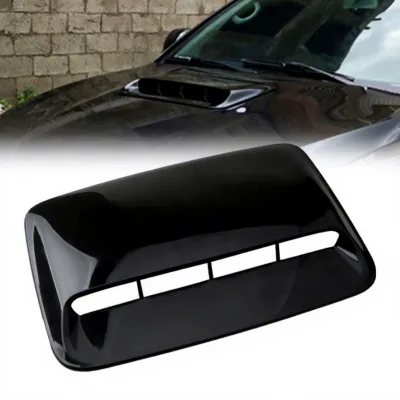
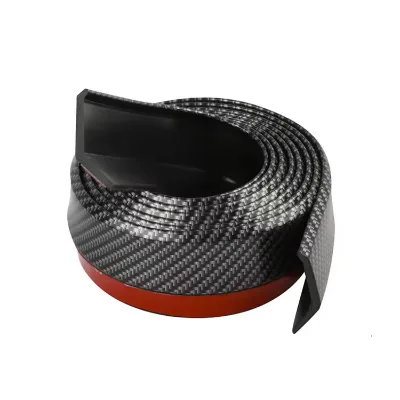
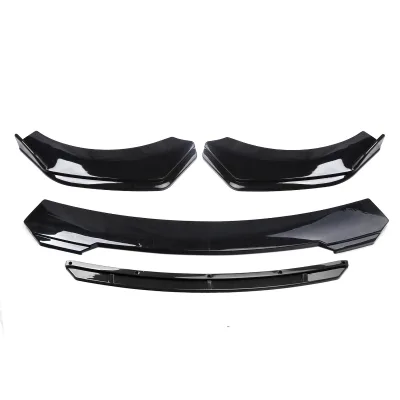
Comprehensive Sourcing Guide
Roof Air-Scoop Carbon Bodykit Supplier Concentration and Factory Types
The landscape for sourcing roof air-scoop carbon bodykits is defined by a mix of manufacturing capabilities and trading structures, requiring buyers to distinguish between direct production sources and intermediary facilitators. Current market data indicates that suppliers operating in this niche often identify as both manufacturers and trading companies, suggesting a hybrid operational model where some entities handle in-house fabrication while others manage sales and logistics for third-party goods. This dual classification is critical for procurement teams because it influences pricing structures, communication channels, and the level of technical control over the final product. When evaluating potential partners, it is essential to recognize that a supplier listing as a manufacturer may still outsource specific stages of the carbon fiber layup or curing process, whereas a pure trading company will have no direct oversight of the material quality or molding techniques. The presence of trading companies alongside manufacturers in the search results highlights the importance of verifying the actual source of production rather than relying solely on the company type label. Buyers should investigate whether the entity has direct access to raw carbon fiber materials and molding equipment, as this determines their ability to offer customized designs and maintain consistent quality standards. The concentration of these business models suggests a competitive market where value is added through service, speed, and flexibility rather than just raw production capacity. Understanding this distinction helps buyers align their expectations with the supplier’s actual capabilities, ensuring that they are not paying premium prices for intermediary services when direct factory access is available. This initial assessment of factory types sets the foundation for a more detailed evaluation of technical competencies and supply chain reliability.
In addition to the primary manufacturing and trading classifications, some suppliers in this sector also operate as distributors or wholesalers, further complicating the sourcing landscape. These entities may not produce the carbon fiber components themselves but instead aggregate products from multiple factories to offer a broader catalog to international buyers. This model can be advantageous for buyers seeking a one-stop solution for various car body kits, including front bumpers, rear spoilers, and bonnets, but it introduces additional layers of complexity regarding quality control and warranty support. The diversity in company types means that buyers must look beyond the surface-level classification to understand the true nature of the supply chain. For instance, a supplier listing as a manufacturer might have a small in-house team for finishing and packaging while relying on external partners for the initial carbon fiber layup. Conversely, a trading company might have strong relationships with multiple factories, allowing them to offer competitive pricing and flexible order quantities. The key takeaway is that the company type is a starting point for due diligence, not a definitive indicator of capability. Buyers should seek transparency regarding the production process, asking for details on where the carbon fiber is sourced, how the molds are created, and who oversees the final quality inspection. This level of scrutiny is necessary to ensure that the roof air-scoop carbon bodykits meet the required specifications for fitment, durability, and aesthetic appeal. By understanding the nuances of these different business models, buyers can make more informed decisions and select partners that align with their specific procurement needs and quality expectations.
How to Verify Roof Air-Scoop Carbon Bodykit Suppliers
Verification of suppliers in the carbon fiber body kit sector requires a rigorous approach to validating claims about production capabilities, quality assurance, and business legitimacy. One of the most critical steps is to confirm third-party verification status, such as TüVRheinland certification, which provides an independent assessment of the supplier’s operational standards and compliance with international regulations. This verification acts as a baseline indicator of reliability, suggesting that the supplier has undergone a structured audit of their facilities, management systems, and product quality processes. However, buyers should not rely solely on this badge; it is essential to dig deeper into the specifics of what was verified, including whether the audit covered the actual production lines for carbon fiber components or just the administrative aspects of the business. Additionally, buyers should request detailed documentation of the supplier’s manufacturing processes, including photos or videos of the production floor, to confirm that they have the necessary equipment for molding, curing, and finishing carbon fiber parts. This visual evidence can help distinguish between genuine manufacturers and trading companies that may be misrepresenting their capabilities. It is also advisable to ask for references from previous clients, particularly those who have ordered similar carbon fiber products, to gain insights into the supplier’s performance, communication, and after-sales support. These references can provide valuable context that is not always apparent from the supplier’s profile or marketing materials.
Beyond technical verification, buyers should assess the supplier’s responsiveness and transparency as key indicators of their professionalism and reliability. A supplier’s response time, which can range from 2 to 4 hours in the current market, is a practical metric for evaluating their operational efficiency and commitment to customer service. Quick and detailed responses to inquiries suggest a well-organized team that is capable of handling complex procurement requests and providing timely updates on order status. Buyers should also look for clear and consistent communication regarding product specifications, such as material type, fitment accuracy, and installation requirements. For example, some suppliers specify that their roof air-scoop carbon bodykits are made from dry carbon fiber, which offers specific weight and strength advantages over other types of carbon composites. Verifying these details through direct communication can help prevent misunderstandings and ensure that the products meet the buyer’s technical requirements. Furthermore, buyers should inquire about the supplier’s quality control procedures, including how they handle defects, returns, and warranty claims. A supplier that is transparent about their quality assurance processes and willing to provide clear warranty terms is more likely to be a reliable partner. By combining third-party verification with direct assessment of communication and quality practices, buyers can build a comprehensive picture of a supplier’s reliability and suitability for their sourcing needs. This multi-faceted approach to verification helps mitigate risks and ensures that the chosen supplier can deliver high-quality carbon fiber body kits consistently.
What to Compare Across Roof Air-Scoop Carbon Bodykit Suppliers
When evaluating multiple suppliers for roof air-scoop carbon bodykits, buyers must systematically compare key operational metrics to identify the most suitable partner for their specific needs. One of the primary dimensions for comparison is the minimum order quantity (MOQ), which can significantly impact inventory management and cash flow. In the current market, many suppliers offer an MOQ of just one set, which is ideal for small businesses or buyers testing new product lines, while others may have higher thresholds that require larger upfront commitments. Understanding these MOQ variations allows buyers to align their purchasing strategy with their sales volume and storage capacity. Another critical factor is the lead time, which indicates how quickly the supplier can deliver the ordered products. Lead times in this sector can vary, with some suppliers offering rapid turnaround times of 7 days, while others may require up to 10 days or more for production and shipping. Buyers should consider their own delivery deadlines and customer expectations when evaluating these lead times, as delays can have significant downstream effects on their business. Additionally, the response time of the supplier’s sales team is an important indicator of their operational efficiency and customer service quality. Suppliers with faster response times, such as those responding within 2 to 3 hours, are generally more reliable for handling urgent inquiries and resolving issues promptly.
Beyond operational metrics, buyers should also compare the range of main products and customization capabilities offered by each supplier. Some suppliers specialize in a narrow range of carbon fiber components, such as roof scoops and air intakes, while others offer a broader catalog that includes front bumpers, rear spoilers, and full body kits. This breadth of product offering can be advantageous for buyers looking to consolidate their sourcing and reduce the complexity of managing multiple suppliers. Furthermore, the ability to provide customized solutions, such as graphic processing or on-demand design modifications, can be a significant differentiator for suppliers who cater to niche markets or specific brand requirements. Buyers should also consider the price range of the products, which can vary based on material quality, design complexity, and order volume. For instance, dry carbon fiber roof air-scoops may be priced between $418 and $700, depending on the specific model and supplier. Comparing these prices across multiple suppliers helps buyers identify competitive rates and avoid overpaying for similar products. Additionally, buyers should evaluate the supplier’s location and logistics capabilities, as these factors can influence shipping costs and delivery times. Suppliers located in manufacturing hubs like Guangdong, China, may have advantages in terms of raw material access and production efficiency, but buyers should also consider the impact of international shipping on their overall costs. By systematically comparing these key dimensions, buyers can make data-driven decisions and select suppliers that offer the best balance of quality, cost, and service.
Common Roof Air-Scoop Carbon Bodykit Sourcing Risks
Sourcing roof air-scoop carbon bodykits from international suppliers introduces several risks that buyers must proactively manage to ensure a successful procurement process. One of the most significant risks is the potential for fitment issues, where the carbon fiber components do not align perfectly with the vehicle’s body panels. This can result from inaccurate mold designs, material shrinkage during the curing process, or variations in the vehicle’s manufacturing tolerances. Buyers should mitigate this risk by requesting detailed fitment data and, if possible, physical samples before placing large orders. Some suppliers claim excellent fitment or 100% fitment, but these claims should be verified through independent testing or customer feedback. Another common risk is the discrepancy between the advertised material quality and the actual product received. Carbon fiber components can vary significantly in terms of resin content, weave pattern, and surface finish, which affect both the aesthetic appeal and structural integrity of the part. Buyers should insist on clear specifications regarding the type of carbon fiber used, such as dry carbon versus wet carbon, and request high-resolution images or videos of the finished product to verify the quality. Additionally, buyers should be cautious of suppliers who do not provide clear warranty terms or after-sales support, as this can leave them vulnerable to defects or damage during shipping.
Logistical and customs risks are also prevalent in international sourcing, particularly when dealing with heavy or bulky items like carbon fiber body kits. Shipping costs can be substantial, and delays can occur due to port congestion, customs inspections, or weather conditions. Buyers should work with suppliers who have experience in international shipping and can provide reliable tracking information and insurance coverage. It is also important to understand the import regulations and duties applicable in the buyer’s country, as these can significantly impact the total cost of ownership. Another risk is the potential for intellectual property infringement, where suppliers may produce unauthorized replicas of branded body kits. Buyers should ensure that they have the necessary rights to sell the products in their target markets and that the suppliers are not violating any patents or trademarks. Furthermore, buyers should be aware of the environmental and safety regulations related to carbon fiber production and disposal, as non-compliance can lead to legal issues and reputational damage. By identifying and addressing these common risks through thorough due diligence and clear contractual agreements, buyers can minimize disruptions and ensure a smoother sourcing experience. Proactive risk management is essential for maintaining the quality and reliability of the supply chain in the competitive carbon fiber body kit market.
Roof Air-Scoop Carbon Bodykit Regional Sourcing and Logistics
The regional concentration of carbon fiber body kit manufacturers, particularly in Guangdong, China, offers buyers access to a robust supply chain with established logistics networks. This region is known for its advanced manufacturing capabilities and proximity to major shipping ports, which facilitates efficient export operations. Buyers sourcing from this area can benefit from shorter transit times and lower shipping costs compared to suppliers located in more remote industrial zones. However, the concentration of suppliers in a specific region also means that buyers should be mindful of potential bottlenecks during peak production seasons or global shipping disruptions. To mitigate these risks, buyers should diversify their supplier base and maintain open communication with their logistics partners to stay
FAQs
What is the typical MOQ for a carbon fiber roof air-scoop?
Listed roof air-scoops for McLaren 720S and 570S models typically carry a minimum order quantity of 1 set, so buyers can order a single unit for sampling or a small retrofit project. This low MOQ makes it easy to verify fitment and dry carbon quality before committing to larger volumes. Always confirm the MOQ in writing before placing an order.
How much does a dry carbon roof air-scoop cost?
Current listings show prices ranging roughly from 418 to 700 USD per set depending on the model, material and finish. Dry carbon roof air-scoops for the McLaren 720S are commonly quoted between 450 and 550 USD, while 570S units list from 500 to 700 USD. Request an updated quote including shipping before comparing suppliers.
What lead time should I expect for a roof air-scoop order?
Product listings commonly quote delivery of 7 to 15 days, and several suppliers report overall lead times of 7 to 10 days after order confirmation. Actual timing depends on order quantity, finish and shipping method, with air, express and sea options offered. Confirm the current lead time and shipping method with the supplier before ordering.
Will a carbon roof air-scoop fit my McLaren without modification?
Suppliers list these scoops as OEM standard size or bolt-on attachments designed for specific models such as the McLaren 720S, 750S and 570S, with excellent or 100% fitment claimed. Fitment claims should still be verified against your vehicle's model year and trim. Ask for installation photos or fitment reports before purchasing.
Which McLaren models do carbon roof air-scoops cover?
Listings in this category cover the McLaren 720S, 750S and 570S, including N-style roof scoop vents and air intake vent covers. Availability varies by supplier, so confirm that the specific variant matches your vehicle. If your model is not listed, ask the supplier whether a custom or on-demand version can be produced.
What should I check to confirm the scoop is real dry carbon?
Ask the supplier to specify the material as dry carbon rather than wet carbon or fiberglass, and request photos showing the visible carbon weave. Product listings state dry carbon material and visible carbon finish, but independent verification is wise. Request material specifications, weight details and sample processing capability before bulk ordering.
How quickly do suppliers respond to inquiries?
Suppliers in this category report average response times of roughly 2 to 4 hours during business hours. Fast response matters when coordinating fitment details, finish options and shipping arrangements. Test response speed yourself by sending a detailed inquiry with your target model, quantity and delivery timeline before committing.
What packaging and shipping details apply to roof air-scoops?
Scoops ship in standard packaging with single package sizes such as 100x34x65 cm or 84x16x36 cm and gross weights between about 1 and 10 kg per unit. Suppliers offer air, express and sea delivery. Confirm the exact packed dimensions and weight for your order, as these directly affect freight cost.