Source Flexible Set Screw Shaft Collar for Hardware and Machinery
Find 30 Flexible Set Screw Shaft Collar options from Chinese manufacturers. Compare stainless steel and aluminum models with CNC machining, ISO certification, and custom sizes for hardware tools, auto accessories, and machinery; compare the available evidence and request quotations based on your requirements.
Updated
Key considerations
Products List


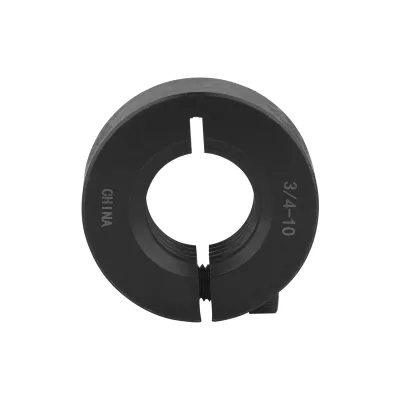
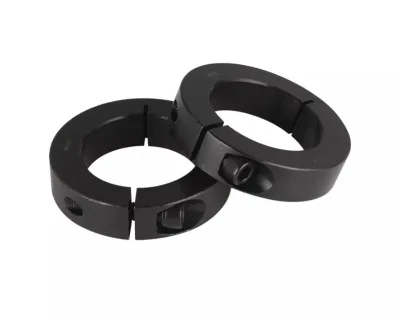
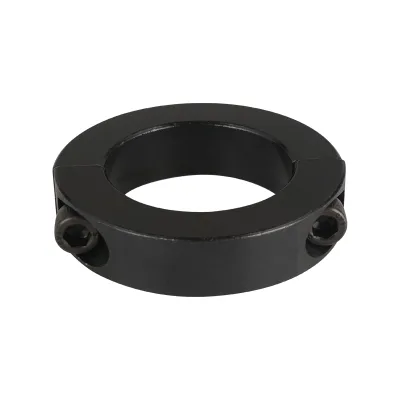
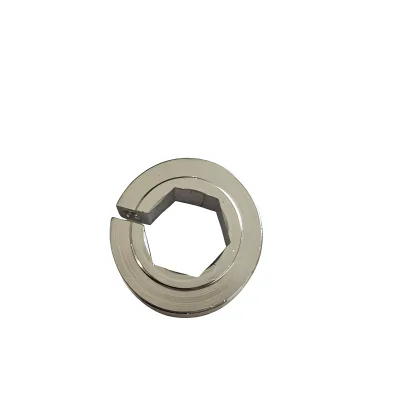
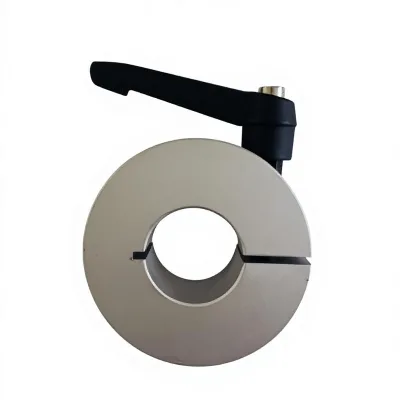


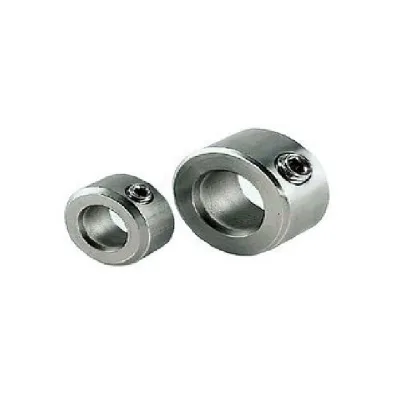


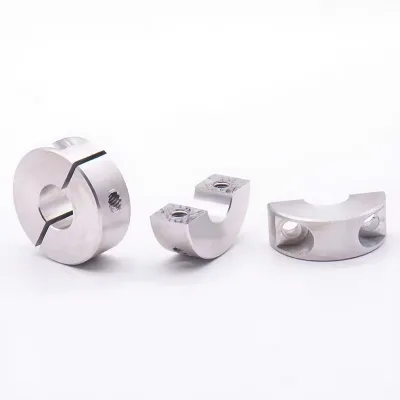
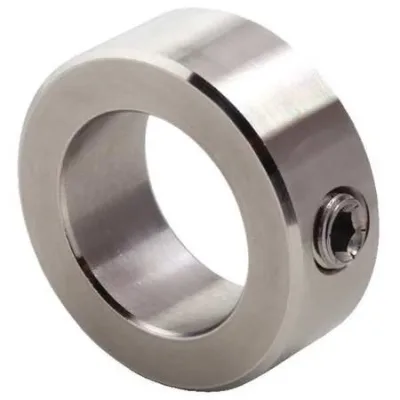
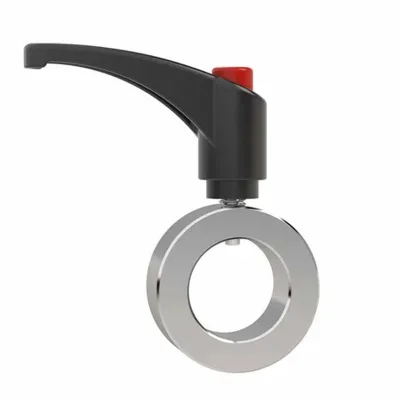
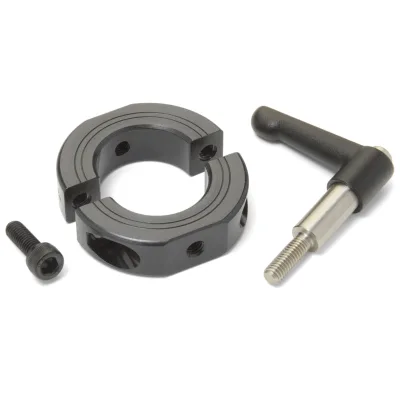
Comprehensive Sourcing Guide
Flexible Set Screw Shaft Collar Sourcing Guide
Procuring flexible set screw shaft collars requires careful attention to the specific mechanical properties and material compositions available in the current market. Buyers must verify that the selected components align with their machinery's operational demands, particularly regarding the range of diameters and lengths offered. The observed product listings indicate a diverse range of materials, including stainless steel, aluminum, alloy, and nylon, which directly influences the collar's durability and suitability for different environmental conditions.
When evaluating potential suppliers, it is essential to distinguish between mass production capabilities and custom manufacturing options. The market data suggests that many vendors offer customized solutions with specific machining methods like CNC processing, allowing for tailored dimensions such as lengths ranging from 70mm to fully customized specifications. Buyers should prioritize suppliers who can demonstrate flexibility in their production lines to meet unique project requirements without compromising on the structural integrity of the flexible set screw mechanism.
Product Scope and Observed Listing Signals
The observed product listings reveal a wide spectrum of applications, ranging from hardware tools and machinery accessories to fasteners and automotive components. This versatility indicates that flexible set screw shaft collars are integral to various industrial sectors, necessitating a thorough understanding of the specific load and torque requirements for each application. Buyers should cross-reference their operational needs with the listed applications to ensure the selected collar can withstand the intended mechanical stresses without failure.
Listing signals also highlight significant variations in packaging and physical attributes, which can impact logistics and storage planning. Products are frequently shipped in cartons and pallets, with single package sizes varying from compact 1x4x1 cm units to larger 20x10x10 cm configurations. These differences in gross weight and package dimensions suggest that buyers must calculate shipping costs and storage space requirements carefully, as the physical footprint of the order can vary drastically depending on the specific model and quantity selected.
Technical Specifications to Verify
Technical verification must begin with the core components and structural design, as these elements dictate the overall performance and reliability of the shaft collar. The market data confirms that many units incorporate essential components such as motors, gearboxes, bearings, and gears, which are critical for the flexible operation of the set screw mechanism. Buyers should explicitly request detailed schematics or component lists to ensure that the internal architecture matches the precision required for their specific machinery setup.
Dimensional accuracy and material grade are equally critical factors that require strict validation before finalizing a purchase. Specifications such as the M2-M20 model range and standard sizes like M3-M20 are commonly cited, yet buyers must confirm that the actual diameter and length match their exact engineering drawings. Additionally, the material composition, which may include steel, stainless steel, or aluminum, must be verified against the environmental conditions of the application to prevent corrosion or wear that could lead to premature equipment failure.
Compliance and Safety Documentation
Ensuring compliance with relevant standards is a fundamental step in the procurement process for industrial hardware components. While specific standards like GB and ISO are mentioned in the product attributes, buyers must verify that the supplier can provide documentation confirming adherence to these standards for the specific batch of goods. This verification is crucial for maintaining safety protocols and ensuring that the shaft collars meet the regulatory requirements of the destination market, particularly in industries with strict safety mandates.
Safety documentation should also encompass warranty terms and machinery test reports, which serve as evidence of the product's reliability and performance under stress. The observed listings indicate warranty periods ranging from one to two years, and some suppliers provide machinery test reports to validate the product's capabilities. Buyers should insist on receiving these documents prior to shipment to mitigate risks associated with product failure and to ensure that the supplier stands behind the quality and safety of their manufactured components.
Cost Drivers and Commercial Terms
Cost drivers for flexible set screw shaft collars are heavily influenced by material selection, customization levels, and the complexity of the machining process. The use of high-grade materials like stainless steel or specialized alloys, combined with CNC machining and surface treatments such as polishing or anodizing, can significantly increase the unit price. Buyers must analyze the trade-off between material costs and performance requirements to optimize their budget without sacrificing the necessary durability for their specific application.
Commercial terms, including minimum order quantities (MOQ) and lead times, play a pivotal role in the overall procurement strategy and cash flow management. The observed MOQ range spans from 1 to 1000 units, offering flexibility for both small-scale prototyping and large-scale mass production needs. However, buyers should negotiate clear terms regarding production lead times and payment schedules, as these factors can impact the ability to meet project deadlines and maintain a steady supply chain for ongoing operations.
Supplier Qualification and Quality Control
Supplier qualification should focus on the manufacturer's production capabilities and their track record in delivering consistent quality. The market data indicates that many suppliers operate as mass production facilities, which suggests they have the capacity to handle large orders efficiently. However, buyers must verify that these facilities maintain strict quality control measures, particularly for customized orders where precision is paramount, to ensure that every unit meets the specified technical requirements.
Quality control processes should include rigorous inspection of surface treatments and core component assembly to prevent defects that could compromise the shaft collar's function. Suppliers offering surface treatments like black oxide or anodizing must demonstrate their ability to apply these coatings uniformly and durably. Buyers should request evidence of these quality control processes, such as inspection reports or certification of the manufacturing standards, to ensure that the final product will perform reliably in demanding industrial environments.
Long-Term Procurement Checks
Establishing a long-term procurement strategy requires regular audits of supplier performance and product consistency over time. Buyers should implement a system for tracking the performance of the flexible set screw shaft collars in their machinery, noting any instances of wear, failure, or deviation from specifications. This data-driven approach allows for proactive identification of potential issues and facilitates constructive dialogue with suppliers to address quality concerns before they escalate into significant operational disruptions.
Continuous verification of supplier certifications and compliance with evolving industry standards is essential for maintaining a robust supply chain. As regulations and safety requirements change, buyers must ensure that their suppliers remain up-to-date with the latest standards, such as ISO or GB specifications, to avoid compliance risks. Regular reviews of the supplier's documentation and performance metrics will help maintain a partnership based on trust, reliability, and mutual commitment to quality and safety in the long term.
FAQs
What materials are used for flexible set screw shaft collars?
Flexible set screw shaft collars are manufactured from stainless steel, aluminum, alloy, plastic, steel, and nylon. These materials provide varying levels of corrosion resistance and strength. The grade A material ensures high quality. Customized options are available to meet specific mechanical requirements for hardware tools and machinery accessories.
Can flexible set screw shaft collars be customized?
Yes, flexible set screw shaft collars can be fully customized. Manufacturers offer mass production capabilities with tailored specifications. The products support various surface treatments like polishing and anodizing. Buyers can request specific dimensions and materials to suit their unique application needs in automotive or motorcycle accessories.
What certifications do flexible set screw shaft collars have?
Flexible set screw shaft collars typically hold ISO certifications. This ensures adherence to international quality management standards. The products also comply with GB standards. These certifications verify the reliability of the manufacturing process. Buyers can trust the consistency of the core components and the overall structural integrity of the collars.
How are flexible set screw shaft collars packaged?
Flexible set screw shaft collars are packaged in cartons and pallets. This method ensures safe transit and protection against damage. Some items use single carton packaging for smaller orders. The packaging is designed to maintain product integrity during shipping. This approach supports efficient logistics for both small and bulk industrial orders.
What is the warranty period for flexible set screw shaft collars?
The warranty period for flexible set screw shaft collars varies by supplier. Some manufacturers offer a one-year warranty, while others provide two years. This coverage typically addresses defects in materials or workmanship. Buyers should verify the specific warranty terms with the supplier. The warranty ensures confidence in the durability of the machinery accessories.
Where are flexible set screw shaft collars manufactured?
Flexible set screw shaft collars are primarily manufactured in China. Specific production often originates from Zhejiang province. This region is known for its robust manufacturing infrastructure. The products are exported globally to meet diverse industrial demands. Buyers can source these components from established factories with proven track records.
What is the MOQ for flexible set screw shaft collars?
The minimum order quantity for flexible set screw shaft collars ranges from 1 to 1000 units. This flexibility allows buyers to order small samples or large batches. The MOQ depends on the specific customization and material requirements. Suppliers accommodate various order sizes to support different procurement strategies and project scales.