Metal Pneumatic Air Control Valves Suppliers and Manufacturers
Explore 29 verified sources for Metal Pneumatic Air Control Valves with ISO certifications and ODM capabilities. Compare response times, lead times, and pricing to select a factory that fits your production needs. Contact suppliers directly to request quotes; review the available evidence before requesting comparable quotations from suitable candidates.
Updated
Suppliers List

NINGBO INTELL PNEUMATIC TECHNOLOGY CO., LTD.
- Verified by SGS
- Combined
- China Zhejiang
- Lead time30 days
- Avg. response≤ 3h
Main productsPneumatic Components, Pneumatic Control Components, Pneumatic Actuators, Air Condition Units
Main marketsSouth America,Africa,Southeast Asia/ Mideast,Domestic,Europe,North America


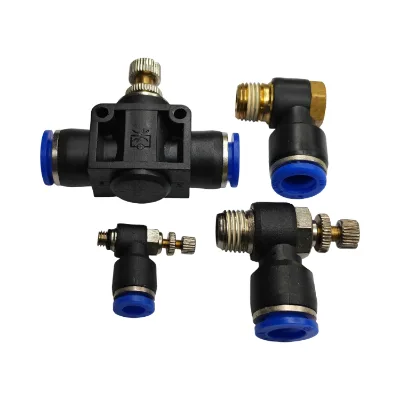
Pneumatic Throttle Speed Controller Valve Plastic Air Flow Control Valves
$0.67 - $2.38
MOQ: 50 Pieces


Hangzhou Fuyang Waal Precision Machinery Co., Ltd
- Verified by BV
- Combined
- China Zhejiang
- Lead time15 days
- Avg. response≤ 1h
Main productsAir Preparation Units (Frl), Pneumatic Filter, Stainless Steel Air Source Treatment, Solenoid Valve, Pneumatic Cylinder, Pressure Gauge, Mechanical Valves, Pneumatic Fitting, Pneumatic Tube, Air Regulator
Main marketsEurope

Airtac Metal Material Air Compressor Pneumatic Air Regulator Pressure Reducing Valve
$1.99 - $2.99
MOQ: 10 Pieces

High Quality Compressor Pneumatic Air Regulator Filter Adjustable Pressure Control Valve
$1.35 - $5.36
MOQ: 1 Pieces


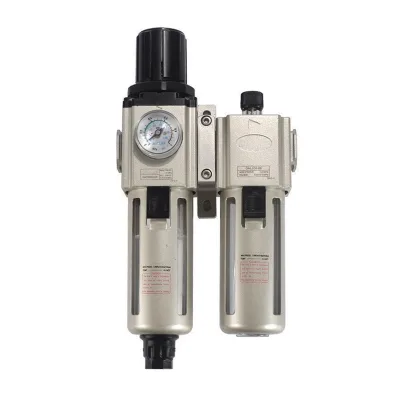
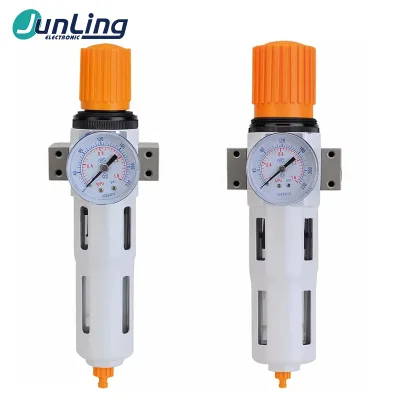
Metal Air Filter Regulator Pneumatic Pressure Regulating Valve 5um 25um 40um Filtration
$10.51 - $16.18
MOQ: 10 Pieces

Nanjing Xiangkerui International Trade Co., Ltd.
- Verified by SGS
- Trading Company
- China Jiangsu
- Lead time15 days
- Avg. response≤ 1h
Main marketsEurope,Australia,North America

Ningbo Xinchao Automatization Component Co., Ltd.
- Verified by BV
- Combined
- China Zhejiang
- Lead time30 days
- Avg. response≤ 10h
Main productsPneumatics, Pneumatic Cylinder, Solenoid Valve, Frl, Pneumatic Fitting, Cylinder Accessories, Air Cylinder, Air Units, Pneumatic Actuator, Metal Fitting
Main marketsSouth America,Africa,Southeast Asia/ Mideast,East Asia(Japan/ South Korea),Domestic,Europe,Australia,North America

Ningbo VPC Pneumatic Co., Ltd.
- Verified by CTI
- Combined
- China Zhejiang
- Lead time15 days
- Avg. response≤ 2h
Main productsPneumatic Cylinder, Solenoid Valves, Filter Lubrication and Regulator, Pneumatic Fitting, Air Hose, PU Tube, Metal Fitting, Pneumatic Components, Pneumatic, Air Cylinder
Main marketsSouth America,Africa,Southeast Asia/ Mideast,East Asia(Japan/ South Korea),Domestic,Europe,Australia,North America
Ningbo New Jiaxing Automatic Industry Co., Ltd.
- Verified by Intertek
- Manufacturer, Trading Company
- Lead time15 days
- Avg. response≤ 3h
Main productsAir Source Treatment, Solenoid Valve, Pneumatic Cylinder, Pneumatic Fitting, Pneumatic Accessories
Main marketsNorth America(30%), Domestic Market(20%), Eastern Europe(10%)
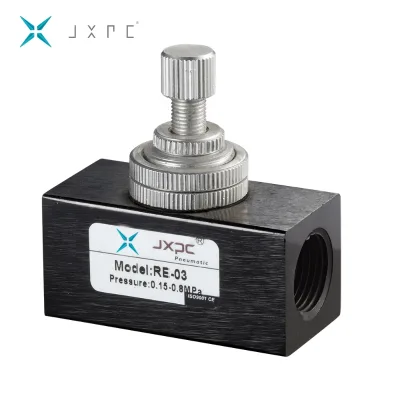
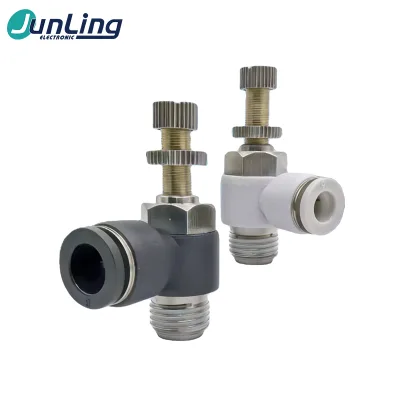
RE- Normal Type Pneumatic Parts Flow Control Valve
$7.60 - $8.80
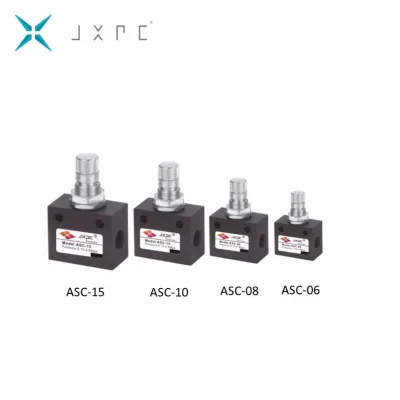
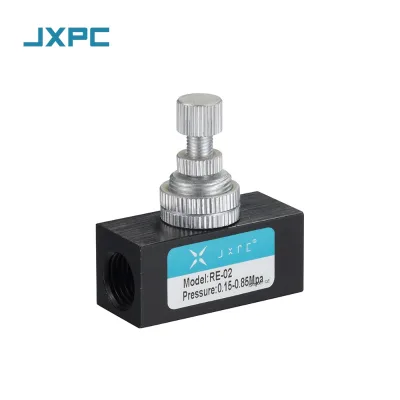
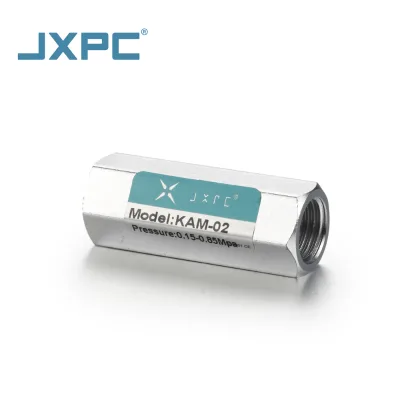

Zhejiang Kinko-Fluid Equipment Co., Ltd.
- Verified by SGS
- Combined
- China Zhejiang
- Lead time15 days
- Avg. response≤ 2h
Main productsPneumatic Actuator, Electrical Actuator, Pneumatic Valves, Electric Valves, Automatic Control Valves, Angle Seat Valves, Piston Valves, Limit Switch Box, Positioner, Frl Accessories
Main marketsSouth America,Southeast Asia/ Mideast,Europe
Yueqing Right Pneumatic Co., Ltd.
- Verified by SGS Group
- Manufacturer, Trading Company
- Lead time5 days
- Avg. response≤ 1h
Main productsPneumatic Cylinder, Air Source Treatment, Solenoid Valve
Main marketsDomestic Market(25%), Mid East(19%), North America(10%)
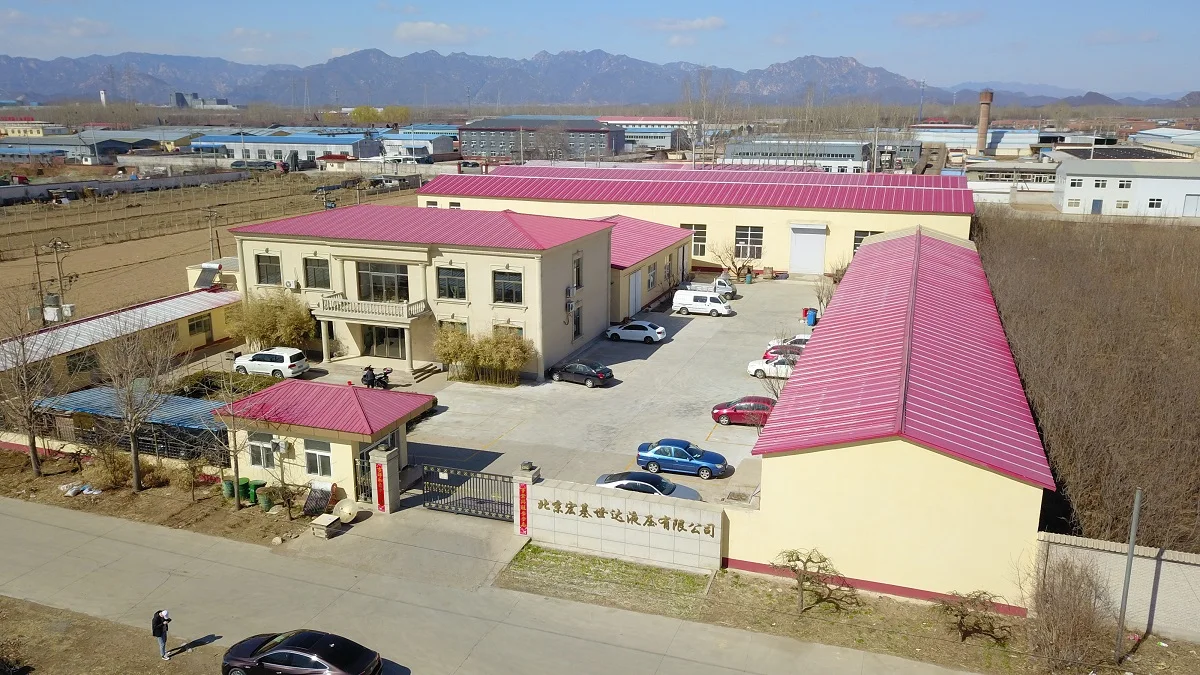
Beijing Hongji Shida Hydraulic Co., Ltd.
- Manufacturer, Trading Company
- Beijing, China
- Lead time0 days
- Avg. response≤ 1h
Main productsSolenoid valve,Proportional directional valve,Proportional flow valve,Proportional pressure valve,Solenoid Manual Reversing Valve
Main marketsSouth America(30.00%), North America(30.00%), Eastern Europe(25.00%), Southeast Asia(15.00%)
Ningbo Fenghua Gogo Automatic Trading Company Limited
- Trading Company
- Lead time旺季: "1 - 100":31,"> 100":"To be negotiated", 淡季: "1 - 100":31,"> 100":"To be negotiated"
- Avg. response≤ 8h
Main productsMechanical Parts, Auto Parts, Electric Parts, Pneumatic, Valve
Wenzhou Yu Tai Pneumatic Hydraulic Co., Ltd.
- Verified by TüVRheinland
- Trading Company
- Lead time15 days
- Avg. response≤ 2h
Main productsPneumatic Fittings, Hand Valve, Air Pressure Reducing Filter
Main marketsNorth America(20%), Southeast Asia(15%), South America(10%)

Ningbo Alita Pneumatic Co., Ltd.
- Verified by TUVRHEINLAND
- Manufacturer/Factory
- China Zhejiang
- Lead time15 days
- Avg. response≤ 21h
Main productsPneumatic Cylinder, Solenoid Valve, Air Suspension Valve, Directional Valve, Air Preparation Unit, Pneumatic Fittings, PU PA PE Hose, Air Suspension Compressor, Pressure Gauge, Air Tank
Main marketsSouth America,Eastern Europe,Mid East,North America,Southeast Asia,Eastern Asia,Oceania,Western Europe,Africa
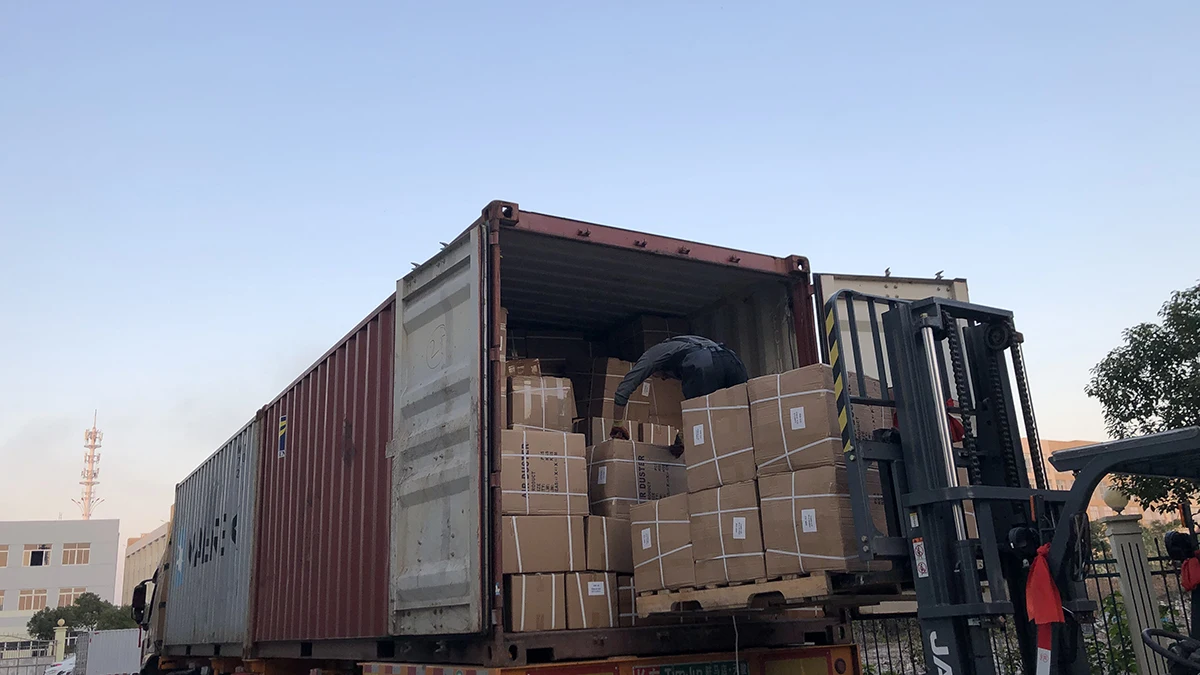
Hangzhou Chenming Automation Technology Co., Ltd.
- Trading Company
- Zhejiang, China
- Lead time7 days
- Avg. response≤ 1h
Main productsPneumatic Part,Pneumatic Solenoid Valve,Fluid Solenoid Valve,Pneumatic Cylinder,Air Source Treatment
Main marketsSouth Asia(10.00%), Mid East(10.00%), Southern Europe(10.00%), Southeast Asia(10.00%), Western Europe(10.00%), South America(10.00%), North America(10.00%), Domestic Market(5.00%), Eastern Asia(5.00%), Africa(5.00%), Northern Europe(5.00%), Central America(5.00%), Eastern Europe(5.00%)
Wenzhou Angrui Machinery Co., Ltd.
- Verified by Intertek
- Trading Company
- Lead time15 days
- Avg. response≤ 2h
Main productsPneumatic Fittings, Solenoid Valve, Air Cylinder, Air Source, Air Tube
Main marketsSouth America(40%), North America(10%), Africa(10%)
Wuhan Hongda Hydraulic Pneumatic Equipment Manufacturing Co., Ltd.
- Verified by Intertek
- Manufacturer, Trading Company
- Lead time0 days
- Avg. response≤ 4h
Main productsHydraulic Cylinder, Control Valves, Hydraulic Pumps, Hydraulic Power Unit, Pneumatic Cylinder
Liuzhou Nuoanke Seal Co., Ltd.
- Verified by TüVRheinland
- Manufacturer, Trading Company
- Lead time7 days
- Avg. response≤ 4h
Main productsRubber O Rings, Oil Seal, Hydraulic Seals, Mechanical Seal, Custom Rubber Parts
Main marketsNorth America(15%), Africa(15%), Mid East(15%)
Zhongshan Junling E-Commerce Co., Ltd.
- Trading Company
- Guangdong, China
- Lead time30 days
- Avg. response≤ 3h
Main productscylinder,solenoid valve,actuator,motor,valve
Main marketsAfrica(20.00%), Southeast Asia(20.00%), Eastern Europe(20.00%), South America(20.00%), North America(20.00%)
Shanghai Intelsheng International Trading Co., Ltd.
- Manufacturer, Trading Company
- Shanghai, China
- Lead time7 days
- Avg. response≤ 6h
Main productsBrass Valve,Brass Fitting,Brass Manifold,Pump Accessories,Faucet Mixer
Main marketsSoutheast Asia(25.00%), North America(15.00%), Central America(12.00%), South America(11.00%), South Asia(10.00%), Eastern Asia(8.00%), Oceania(5.00%), Western Europe(3.00%), Southern Europe(2.00%), Africa(2.00%), Eastern Europe(2.00%), Mid East(2.00%), Domestic Market(1.00%), Northern Europe(1.00%)
- Manufacturer, Trading Company
- Henan, China
- Lead time0 days
- Avg. response≤ 1h
Main productsProduction.,Sales.,Import and export business,Machining,Gold electromechanical
Main marketsMid East(10.00%), Africa(6.00%), Oceania(5.00%), South America(5.00%), Southeast Asia(5.00%), Eastern Europe(5.00%), Eastern Asia(4.00%), Northern Europe(4.00%), Southern Europe(3.00%), North America(3.00%), South Asia(3.00%), Central America(2.00%), Domestic Market(1.00%), Western Europe(1.00%)
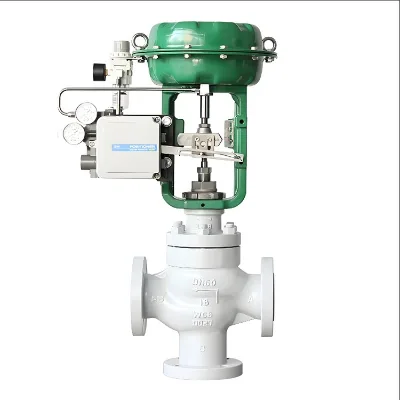
$45.984 - $51.0929
MOQ: 1 pieces
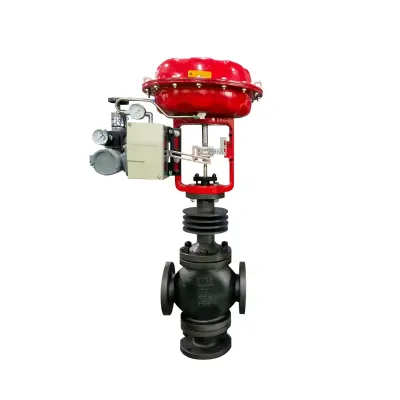
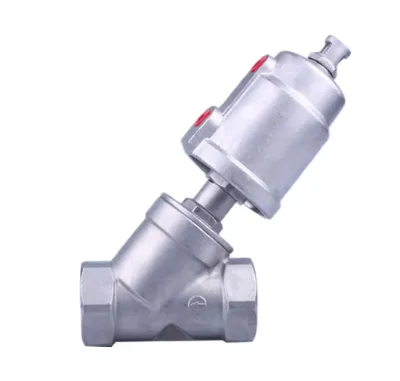
Factory Outlet Pneumatic Angle Seat Valve Stainless Steel Angle Seat Valve
$25.00 - $30.00
MOQ: 1 pieces
Dongguan Boerai Sandblasting Polishing Equipment Co., Ltd.
- Verified by SGS Group
- Manufacturer, Trading Company
- Lead time15 days
- Avg. response≤ 5h
Main productsSand Blasting Machine, Shot Blasting Machine, Sand Blasting Nozzles, Sandblasting Suit, Sandblasting Abrasive
Main marketsDomestic Market(55%), Western Europe(10%), North America(6%)

Zhejiang Dechuan Pneumatic Technology Co., Ltd
- Verified by BV
- Combined
- China Zhejiang
- Lead time30 days
- Avg. response≤ 1h
Main productsAir Source Treatment, Valve, Cylinder, Fittings
Main marketsSoutheast Asia/ Mideast

- Verified by SGS
- Trading Company,Manufacturer/Factory
- China Zhejiang
- Lead time0 days
- Avg. response≤ 8h
Main productsTools, Car Equipments, Rubber Material, Auto Parts, Slipper, Construction Hand Tool, Garden Tools, Hardware Tools, Food Packing Material
Main marketsSouth America,Eastern Europe,Mid East,North America,Southeast Asia,Eastern Asia,Oceania,Western Europe,Africa

Foshan Yijing Mold Parts Co., Ltd.
- Verified by TUVRHEINLAND
- Combined
- China Guangdong
- Lead time30 days
- Avg. response≤ 5h
Main productsPrecision Round Locating Unit, Hydraulic Quick Coupling, Air Poppt Valve
Main marketsSouth America,Domestic,Europe
Ningbo Alita Pneumatic Co., Ltd.
- Manufacturer, Trading Company
- Lead time旺季: "1 - 1000":10,"> 1000":"To be negotiated", 淡季: "1 - 1000":10,"> 1000":"To be negotiated"
- Avg. response≤ 5h
Main productsAir compressor, Solenoid Valve, Pneumatic Fitting, Air Preparation Unit, Pneumatic Cylinder
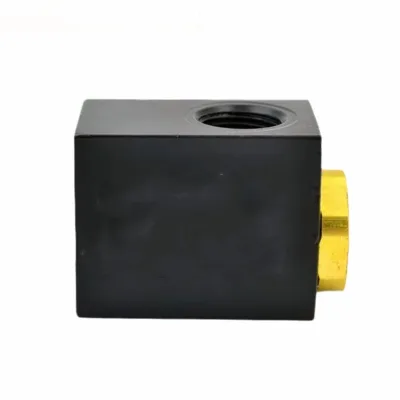
$2.50 - $3.10
MOQ: 1 Minimum
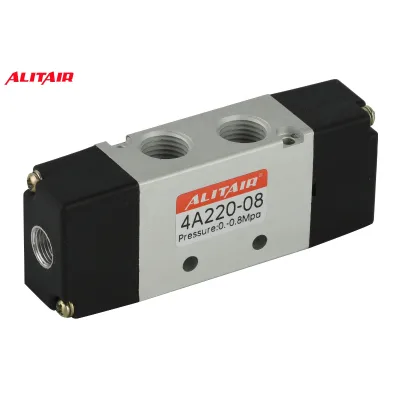

Jinan Bochuangwei Fire Technology Co., Ltd.
- Trading Company
- Shandong, China
- Lead time5 days
- Avg. response≤ 4h
Main productsUniversal Coupling Ductile Flange,Flange Adaptor Ductile,Ductile Rubber Clamp,OIL TANKS,Ductile Tapping Saddle Clamp
Main marketsAfrica(20.00%), Mid East(10.00%), Southeast Asia(9.00%), South America(3.00%), Eastern Europe(3.00%), Western Europe(1.00%), Eastern Asia(1.00%), North America(1.00%)

Ningbo Pneumatic Technical Expert Co., Ltd.
- Verified by SGS
- Combined
- China Zhejiang
- Lead time15 days
- Avg. response≤ 3h
Main productsPneumatic Fittings, Brass Fittings, Plastic Fittings, PU Hose, Speed Controllers, Mini Fittings, Check Valves, Silencers, Tube Cutter
Main marketsDomestic,North America

Shenzhen Lantong Precision Technology Co., Ltd
- Verified by TUVRHEINLAND
- Manufacturer/Factory
- China Guangdong
- Lead time23 days
- Avg. response≤ 4h
Main productsMould Parts, Springs, Guide Pins and Guide Bushings, Guide Strips and Wear Plates, Date Stamps and Air Valves, Latch Locks, Slide Retainters, Locating Parts, Ejector Series, Ejector Pins and Ejector Sleeves
Main marketsSouth America,Eastern Europe,Mid East,North America,Southeast Asia,Eastern Asia,Western Europe

Zhejiang Ouleikai Pneumatic Co., Ltd
- Verified by SGS
- Combined
- China Zhejiang
- Lead time15 days
- Avg. response≤ 2h
Main productsPneumatic Solenoid Valve, Air Control Valve, Manual Valve, Mechanical Button Control Valve, Foot Valve, Standard Pneumatic Cylinder, Mini Pneumatic Cylinder, Thin Pneumatic Cylinder, Air Filter, Air Lubricator
Main marketsDomestic

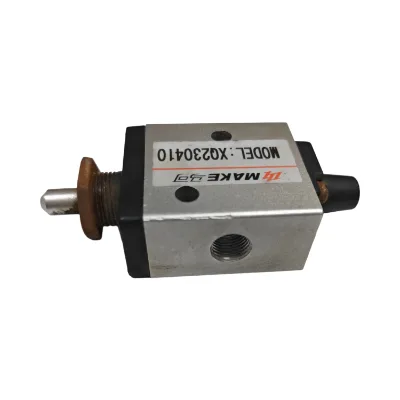
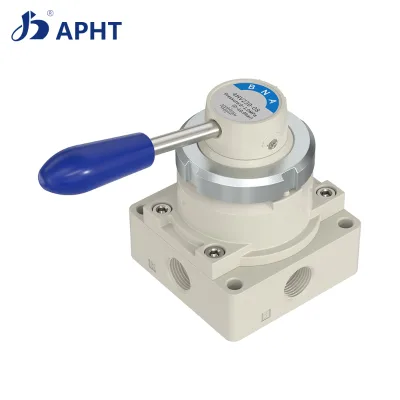
High Quality Pneumatics Manual Air Control Valve: 3-Way 2-Position with CE
$2.50 - $10.00
MOQ: 10 pieces


- Verified by SGS Group
- Manufacturer, Trading Company
- Lead time10 days
- Avg. response≤ 2h
Main productsRegulator
Main marketsSoutheast Asia(50%), Mid East(50%)


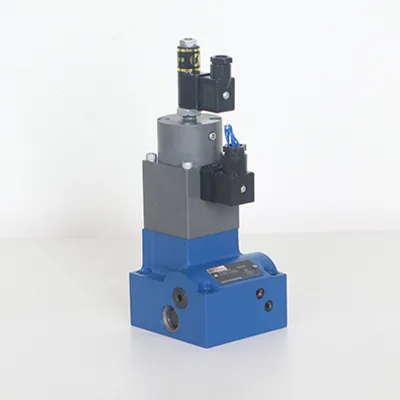
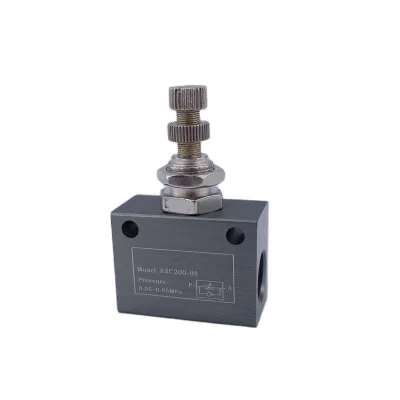
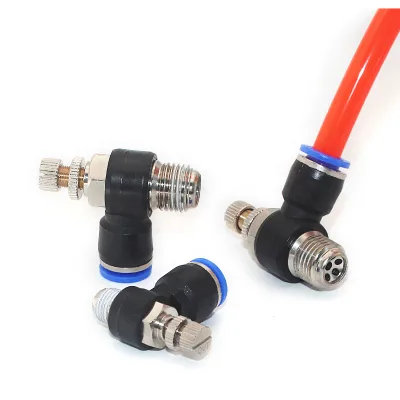


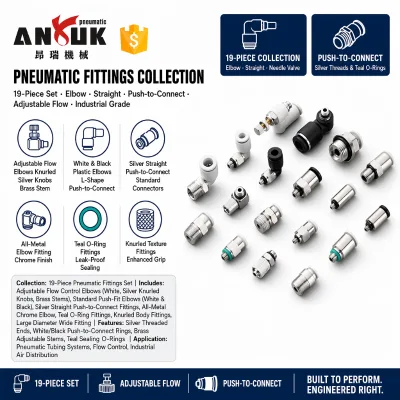
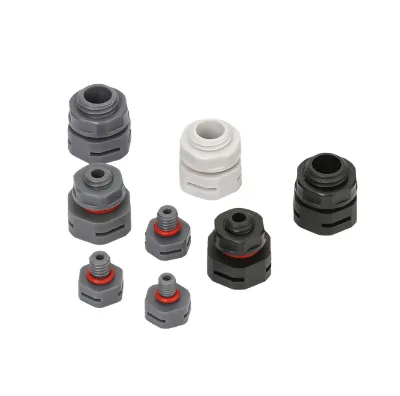





Comprehensive Sourcing Guide
Metal Pneumatic Air Control Valves Supplier Concentration and Factory Types
The current supplier landscape for Metal Pneumatic Air Control Valves is heavily concentrated in China, with Zhejiang province emerging as a primary manufacturing hub. This regional focus suggests a mature industrial ecosystem where specialized factories and trading companies coexist to serve global demand. Buyers evaluating this market should recognize that the majority of verified suppliers operate from this specific geographic area, which often correlates with established supply chains for raw materials like brass and aluminum. Understanding this concentration helps in assessing the logistical feasibility of sourcing, as proximity to ports and industrial zones can influence shipping efficiency and cost structures. The presence of combined company types indicates that many entities function as both manufacturers and traders, offering a hybrid model that can simplify communication for international buyers while potentially complicating direct factory audits.
Factory types in this sector vary significantly, ranging from pure manufacturing plants to combined entities that handle both production and sales. Some suppliers specialize in Original Design Manufacturing (ODM) and Original Equipment Manufacturing (OEM), allowing for customized solutions that meet specific technical requirements. Others may focus on their own brands, providing standardized products with consistent quality control. The diversity in company types means that buyers must carefully distinguish between a pure factory and a trading company to understand the true cost structure and production capabilities. While trading companies may offer broader product ranges and flexible order quantities, factories often provide deeper technical expertise and more direct control over the manufacturing process. Identifying the correct factory type is crucial for aligning procurement strategies with long-term business goals, whether that involves high-volume standardization or low-volume customization.
How to Verify Metal Pneumatic Air Control Valves Suppliers
Verification is a critical step in mitigating risk when sourcing Metal Pneumatic Air Control Valves, as the integrity of the supply chain directly impacts product reliability. Buyers should prioritize suppliers who have undergone third-party verification processes, such as those conducted by SGS or Bureau Veritas (BV). These verifications provide an additional layer of confidence regarding the supplier’s business legitimacy and operational capabilities. For instance, some suppliers in the current results hold SGS verification, while others are verified by BV, indicating different levels of scrutiny and compliance standards. It is essential to review the specific scope of these verifications to ensure they cover the relevant manufacturing processes and quality management systems. Relying solely on self-declared credentials without third-party validation can expose buyers to significant risks, including counterfeit products or non-compliant manufacturing practices.
Beyond third-party verification, buyers should assess the supplier’s certification portfolio, particularly ISO standards that govern quality and environmental management. Many suppliers in this category hold ISO9001:2015 certificates, which demonstrate a commitment to consistent quality management systems. Some also possess ISO14001:2015 certificates, indicating adherence to environmental management standards, which can be important for companies with sustainability goals. Additionally, specific product certifications such as RoHS and GS may be relevant depending on the target market’s regulatory requirements. Buyers should request copies of these certificates and verify their validity through the issuing bodies. It is also advisable to check for additional certifications like ISO45001:2018, which relates to occupational health and safety, as this can reflect the overall maturity of the supplier’s management systems. Consistent verification across multiple dimensions ensures a more robust supplier selection process.
What to Compare Across Metal Pneumatic Air Control Valves Suppliers
When comparing suppliers, lead time is a pivotal metric that influences inventory management and project timelines. Current data indicates a range in lead times, with some suppliers offering as little as 15 days, while others may require up to 30 days. This variation can be significant for buyers with tight production schedules or urgent replenishment needs. Understanding the factors that drive these lead times, such as material availability or production capacity, is essential for accurate planning. Buyers should also consider the supplier’s response time, which reflects their operational efficiency and customer service quality. Faster response times, such as those under one day, can facilitate quicker negotiations and problem resolution, whereas slower responses may indicate potential bottlenecks in communication. These operational metrics should be weighed against the supplier’s overall reliability and track record.
Minimum Order Quantity (MOQ) and pricing structures are another critical area for comparison, as they directly impact procurement costs and flexibility. MOQs can vary widely, with some suppliers requiring as few as 10 units, while others may set higher thresholds, such as 50 units. This flexibility is particularly important for buyers testing new products or managing small-scale projects. Pricing also varies based on product specifications, materials, and customization options. For example, brass fittings with internal threads may have different price points compared to aluminum components with external threads. Buyers should request detailed quotations that break down costs by unit, tooling, and shipping to ensure transparency. Additionally, comparing the range of main products offered by each supplier can help identify those with the broadest capabilities, potentially simplifying the sourcing process by consolidating orders with a single partner.
Common Metal Pneumatic Air Control Valves Sourcing Risks
One of the primary risks in sourcing Metal Pneumatic Air Control Valves is the potential for material substitution or quality inconsistency. Suppliers may use lower-grade metals or alloys that do not meet the specified standards, leading to premature failure or performance issues in pneumatic systems. This risk is particularly acute when dealing with combined company types that may not have direct control over all aspects of production. Buyers must ensure that the materials used, such as brass or aluminum, are clearly specified and verified through material test reports. Additionally, the risk of non-compliance with international standards, such as ISO or RoHS, can lead to regulatory hurdles in the buyer’s home market. It is crucial to verify that the supplier’s certifications are current and applicable to the specific products being ordered, as outdated or generic certifications may not reflect the actual quality of the goods.
Another significant risk is the discrepancy between quoted lead times and actual delivery dates. Suppliers may underestimate production complexities or face unexpected supply chain disruptions, leading to delays that can disrupt the buyer’s operations. This risk is compounded by the lack of visibility into the supplier’s production schedule, especially when dealing with trading companies. Buyers should establish clear communication channels and request regular updates on production progress to mitigate this risk. Furthermore, the risk of intellectual property infringement exists when working with suppliers who offer OEM services. Buyers must ensure that their designs and specifications are protected through appropriate legal agreements and that the supplier has a track record of respecting intellectual property rights. Understanding these risks allows buyers to implement proactive measures, such as third-party inspections and robust contractual terms, to safeguard their interests.
Metal Pneumatic Air Control Valves Regional Sourcing and Logistics
Sourcing from China, particularly from the Zhejiang region, offers logistical advantages due to the area’s well-developed infrastructure and proximity to major ports. This geographic concentration facilitates efficient shipping and reduces transit times for international buyers. However, buyers must also consider the complexities of cross-border logistics, including customs clearance and import duties. Understanding the specific shipping requirements for pneumatic components, which may be classified under specific HS codes, is essential for accurate cost estimation. Buyers should work with suppliers who have experience in exporting to their target markets, as this can streamline the logistics process and reduce the risk of delays at customs. Additionally, the choice of shipping method, whether by sea or air, will impact both cost and lead time, with air freight being faster but more expensive.
The regional sourcing strategy also involves evaluating the supplier’s packaging and handling practices to ensure product integrity during transit. Metal Pneumatic Air Control Valves are sensitive to damage, and improper packaging can lead to defects or corrosion. Suppliers in the current results often use inner boxes, outer cartons, and pallets to protect their products, which is a good practice for maintaining quality. Buyers should verify that the packaging meets international shipping standards and is suitable for the chosen mode of transport. Furthermore, considering the environmental impact of logistics is increasingly important, with some suppliers offering eco-friendly packaging options. By aligning regional sourcing decisions with logistical capabilities, buyers can optimize their supply chain for both efficiency and sustainability, ensuring that products arrive in optimal condition and on time.
Metal Pneumatic Air Control Valves Commercial Terms and Order Planning
Commercial terms, including payment methods and warranty policies, are fundamental to establishing a secure trading relationship. Buyers should negotiate terms that protect their financial interests, such as using escrow services or letters of credit for larger orders. These mechanisms provide a layer of security by ensuring that payment is only released upon satisfactory delivery and inspection of the goods. Additionally, understanding the supplier’s warranty and return policies is crucial for managing post-purchase risks. Suppliers should offer clear guarantees regarding product defects and performance, with defined procedures for claims and replacements. Buyers should also consider the total cost of ownership, including maintenance and potential replacement costs, when evaluating commercial terms. A comprehensive understanding of these terms helps in making informed decisions that align with the buyer’s risk tolerance and financial strategy.
Order planning requires a strategic approach to inventory management and demand forecasting. Buyers should analyze historical data and market trends to determine optimal order quantities and frequencies, balancing the need for stock availability with the cost of holding inventory. Working with suppliers who offer flexible MOQs can facilitate this planning, allowing for smaller, more frequent orders that reduce storage costs and minimize the risk of obsolescence. Additionally, establishing a long-term partnership with a reliable supplier can lead to better pricing and priority treatment during peak demand periods. Buyers should also consider the supplier’s capacity for scaling production, ensuring that they can meet increased demand without compromising quality or lead times. By integrating commercial terms with strategic order planning, buyers can create a resilient supply chain that supports their business objectives and adapts to changing market conditions.
FAQs
What certifications do Metal Pneumatic Air Control Valves have?
Manufacturers typically hold ISO9001:2015 and ISO14001:2015 certificates for quality and environmental management. Some products also display RoHS and GS marks. Verify specific documentation with the supplier to ensure compliance with your regional safety and quality standards before placing orders.
What is the typical lead time for these valves?
Standard lead times range from 15 to 30 days depending on the supplier and order volume. Some manufacturers offer faster turnaround times for urgent requests. Confirm the exact delivery schedule with the supplier to align with your production timeline and avoid delays.
What is the minimum order quantity for these valves?
Minimum order quantities vary, with some suppliers requiring as few as 10 units while others set the threshold at 50 pieces. Check the specific MOQ for each product model to determine the best fit for your initial procurement needs and budget constraints.
What materials are used in these pneumatic valves?
Common materials include brass, aluminum, and stainless steel for the valve body. Internal components may use plastic or metal sleeves. Select the material based on your application requirements, such as corrosion resistance or pressure handling capabilities, to ensure long-term reliability.
What is the price range for these valves?
Prices typically range from $0.67 to $13.97 per unit depending on the model and specifications. Brass fittings and complex regulators tend to be more expensive than basic plastic or aluminum versions. Request detailed quotes to compare costs across different suppliers effectively.
Are customization options available for these valves?
Many suppliers offer customization services including OEM and ODM capabilities. You can often specify thread types, connection modes, and specific pressure ratings. Confirm customization availability and any associated costs with the supplier to ensure the valve meets your exact technical requirements.