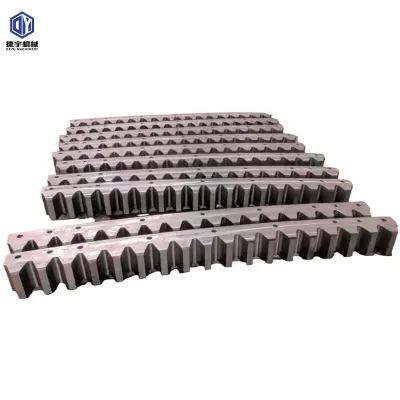
Source Zinc Plated Straight Gear Rack for Machinery
Find 30 Zinc Plated Straight Gear Rack options from Chinese manufacturers. Compare modules M1-M10, materials like cast and stainless steel, and applications in agricultural and packaging machinery. Request quotes for DIN and ISO standard racks; compare the available evidence and request quotations based on your requirements.
Updated
Key considerations
Products List


$10.00 - $100.00
MOQ: 2 Pieces


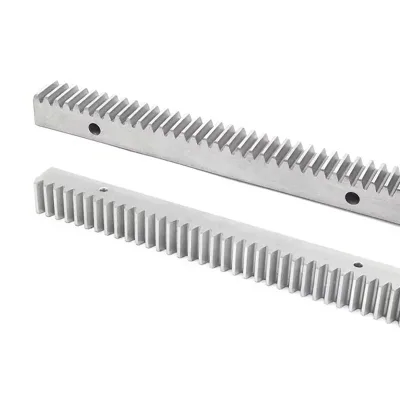
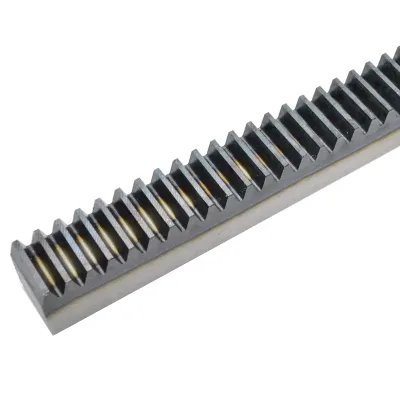
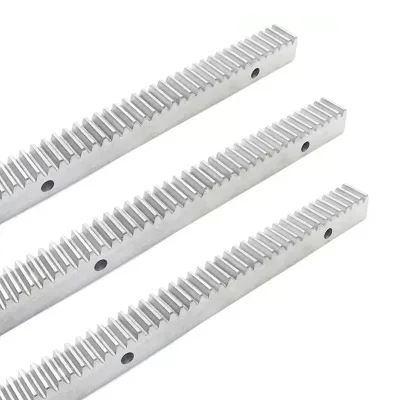
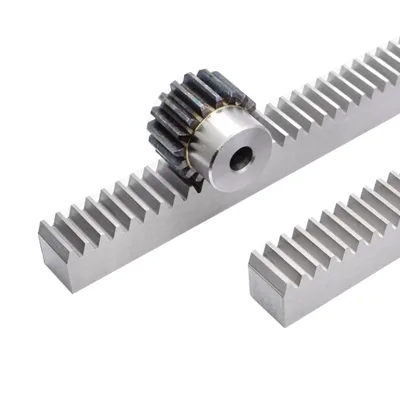
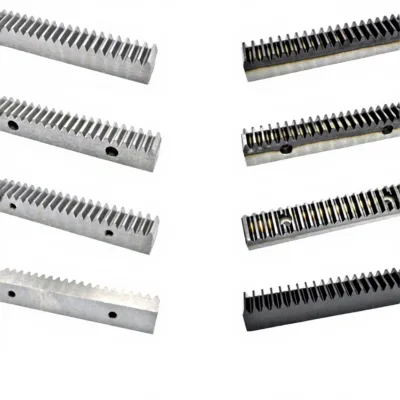
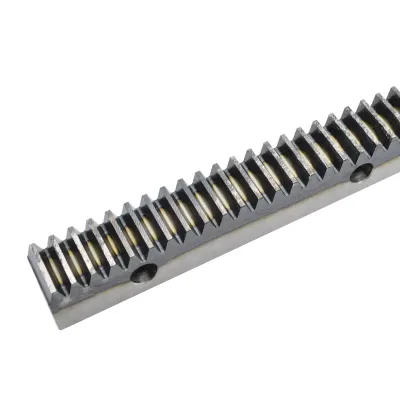
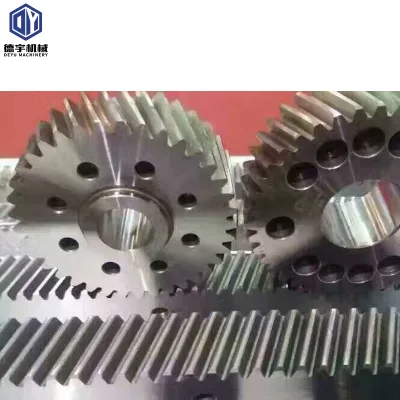
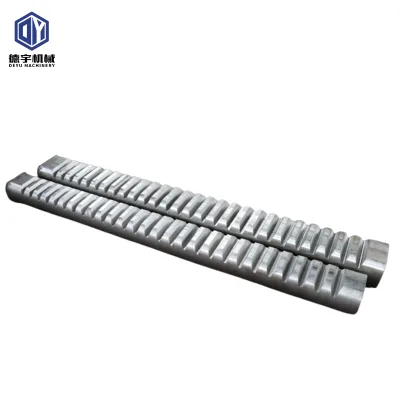
Comprehensive Sourcing Guide
Zinc Plated Straight Gear Rack Sourcing Guide
Procuring zinc plated straight gear racks requires careful attention to the specific manufacturing methods and surface treatments that define their durability in industrial environments. The available market data indicates that these components are frequently produced using cut gear processes with spur gear toothed portions, ensuring precise engagement for linear motion systems. Buyers must verify that the zinc plating process is applied consistently to protect against corrosion, as this treatment is a primary feature for equipment operating in agricultural, mining, and food machinery sectors.
When evaluating potential suppliers, it is essential to confirm that the product origin aligns with your supply chain strategy, as the majority of observed listings originate from China. The customization options available allow for tailored solutions, but buyers should explicitly define their requirements for module sizes ranging from M1 to M10 or even up to M25 depending on the load. Understanding the specific application context, such as use in packaging or textile machinery, helps in selecting the correct hardness and material composition to ensure long-term operational reliability.
Product Scope and Observed Listing Signals
The observed product listings reveal a diverse range of specifications, including rack types with lengths varying from 1 meter to 3 meters, which must be matched to your specific machine dimensions. While some entries highlight a module range of M1-M10, others extend to M1-M25, indicating that buyers must carefully cross-reference the module size with their existing gear systems to avoid compatibility issues. The presence of both standard and custom models suggests that while off-the-shelf options exist, specialized orders may be necessary for unique mechanical configurations.
Surface finish variations are a critical signal in the product scope, with listings showing options for zinc plating, blackening, and case hardening treatments. These finishes directly impact the component's resistance to oil, heat, and high temperatures, which are vital for applications in heavy machinery and automotive sectors. Buyers should scrutinize the listed features to ensure the selected rack meets the environmental demands of their facility, as the difference between a soft tooth surface and a hardened one can significantly alter the service life of the equipment.
Technical Specifications to Verify
Verifying the module and tooth profile is the first technical step, as the data shows a wide spectrum from M1 to M10, with some suppliers offering up to M25. It is crucial to confirm whether the gear position is external or internal, as this dictates the mounting configuration and the type of mating pinion required for the system. The toothed portion shape, typically identified as spur gear in the listings, must be validated against the motion requirements to ensure smooth linear translation without excessive backlash or noise during operation.
Material composition and heat treatment processes are equally critical for performance verification, with cast steel and stainless steel being the primary materials observed in the market. Buyers must confirm if the rack undergoes case hardening or if it is supplied with a hardened tooth surface, as these processes determine the load-bearing capacity and wear resistance. Additionally, the manufacturing method, whether machined or forged, influences the structural integrity, and this should be explicitly checked to ensure the component can withstand the mechanical stresses of the intended application.
Compliance and Safety Documentation
Ensuring that the product meets relevant international standards is a fundamental requirement for global procurement, with DIN and ISO standards frequently cited in the available data. Buyers should request documentation confirming that the racks comply with these specific standards, particularly when the equipment is destined for markets with strict regulatory requirements. The presence of EUROPE STANDARD designations in some listings suggests that certain suppliers may align with European safety and quality norms, but explicit verification is necessary to avoid compliance gaps.
Safety documentation must also address the material safety and environmental compliance of the zinc plating process used on the racks. While the listings mention standard sea-worthy packaging, it is important to verify if the packaging includes non-fumigation certifications to meet international shipping regulations. Buyers should ensure that the supplier provides material safety data sheets (MSDS) and any necessary certificates of origin to confirm that the products are free from hazardous substances and meet the safety protocols required for industrial machinery integration.
Cost Drivers and Commercial Terms
The cost of zinc plated straight gear racks is heavily influenced by the module size, material type, and the complexity of the surface treatment applied. Larger modules and specialized materials like stainless steel typically command higher prices, while the extent of customization, such as specific length cuts or unique tooth profiles, adds to the overall unit cost. Buyers should analyze the price range observed in the market, which spans from approximately 0.99 to 229 USD, to understand the cost implications of different specifications and to budget accordingly for their procurement needs.
Commercial terms, including minimum order quantities (MOQ) and lead times, vary significantly across suppliers and must be negotiated based on project requirements. The observed MOQ range of 1 to 500 units indicates flexibility for small-scale testing as well as bulk industrial orders, but buyers should clarify these thresholds before finalizing agreements. Understanding the payment terms and delivery schedules is essential, as the lead time can be affected by the customization level and the specific manufacturing method employed by the supplier.
Supplier Qualification and Quality Control
Supplier qualification should focus on their ability to maintain consistent quality levels, as the market data highlights a "High-Level" quality attribute for many listed products. Buyers must assess the supplier's track record in delivering components that meet the specified hardness and surface treatment requirements, ensuring that the zinc plating is uniform and the gear teeth are precisely machined. Requesting samples and conducting initial quality checks is a prudent step to validate that the supplier can consistently produce racks that meet the technical specifications outlined in the procurement plan.
Quality control processes should include verification of the manufacturing method and the final product inspection against the agreed-upon standards. Since the listings mention processes like machining and forging, buyers should inquire about the specific quality control measures in place to detect defects such as surface imperfections or dimensional inaccuracies. Establishing a clear communication channel for reporting quality issues and defining the acceptance criteria for the racks will help mitigate risks and ensure that the delivered products perform reliably in the intended application.
Long-Term Procurement Checks
Establishing a long-term procurement strategy involves regular audits of the supplier's ability to maintain product consistency and supply chain stability. Buyers should monitor the supplier's adherence to the specified standards and their capacity to deliver on time, especially when scaling up orders for large-scale machinery projects. Continuous feedback loops regarding product performance in the field can help identify any recurring issues with the zinc plating or gear tooth durability, allowing for proactive adjustments to the procurement specifications.
Future-proofing the procurement process requires staying informed about changes in industry standards and technological advancements in gear rack manufacturing. As applications evolve in sectors like agricultural machinery and electric cars, the demand for higher performance and more durable materials may increase. Buyers should maintain a relationship with suppliers who demonstrate a commitment to innovation and quality improvement, ensuring that the zinc plated straight gear racks remain a reliable component in their machinery for years to come.
FAQs
What customization options are available for zinc plated straight gear racks?
Customization is available for these gear racks, allowing buyers to specify unique requirements. The products support various module sizes ranging from M1 to M10 or up to M25. Buyers can also request specific lengths such as 1m, 2m, or 3m. This flexibility ensures the gear racks fit specific machinery applications in agriculture, mining, or packaging industries effectively.
Which standards do zinc plated straight gear racks typically meet?
These gear racks generally comply with EUROPE STANDARD, DIN, and ISO standards. The materials used include cast steel and stainless steel, ensuring durability. The manufacturing processes involve machining and forging, followed by heat treatment like case hardening. This adherence to recognized standards ensures quality and compatibility with international machinery requirements for various industrial applications.
Can zinc plated straight gear racks be used in high-temperature environments?
Yes, these gear racks feature high temperature-resistance and heat-resistant properties. They are also oil-resistant, making them suitable for demanding industrial environments. The hardened tooth surface and zinc plating provide additional protection against wear and corrosion. These features ensure reliable performance in agricultural machinery, mining equipment, and other heavy-duty applications where heat and oil exposure are common.
What is the typical packaging for zinc plated straight gear racks?
The typical packaging is a standard sea-worthy package designed to protect the goods during transit. Some options include non-fumigation packaging to meet specific international shipping regulations. This robust packaging ensures that the gear racks arrive in pristine condition, ready for immediate installation. The packaging method is chosen to prevent damage and maintain the quality of the zinc-plated surface during long-distance shipping.
What materials are used to manufacture zinc plated straight gear racks?
These gear racks are primarily manufactured using cast steel and stainless steel. The choice of material depends on the specific application requirements, such as strength or corrosion resistance. The steel is then subjected to processes like machining and forging. Finally, the surface is treated with zinc plating to enhance durability and resistance to environmental factors, ensuring a long service life in various industrial settings.
What is the hardness level of zinc plated straight gear racks?
The hardness level varies, with options including hardened tooth surfaces and soft tooth surfaces. The manufacturing process often involves case hardening to achieve the desired hardness. This ensures the gear racks can withstand high loads and wear. The specific hardness is selected based on the application, whether it is for agricultural machinery, textile machinery, or other equipment requiring precise and durable gear transmission.