Source Fruity Soft Lollipop for Kids for Parties, Gifts, and Retail
Find and compare 30 Fruity Soft Lollipop for Kids options from verified manufacturers. Evaluate specifications, packaging, and customization services to identify suitable suppliers for bulk orders.
Key considerations
Products List


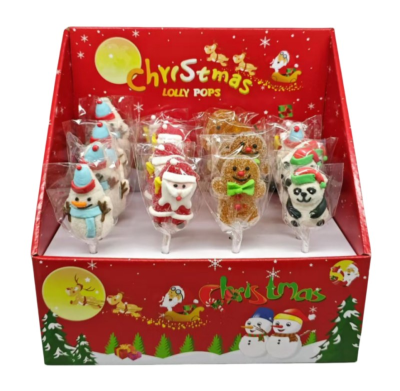
Christmas Hot String Lollipop Children's Snack Candy Cartoon Mixed Hard Lollipop
$21.00 - $23.00
MOQ: 500 Boxes



Comprehensive Sourcing Guide
Fruity Soft Lollipop for Kids Sourcing Guide
Sourcing fruity soft lollipops for children requires a careful balance between appealing sensory characteristics and rigorous safety standards. Unlike traditional hard candies, soft lollipops present unique manufacturing and logistical challenges, particularly regarding texture stability, moisture control, and packaging integrity. Buyers must navigate a market where customization is prevalent, allowing for tailored flavors, shapes, and sugar profiles to meet specific demographic preferences. The following guide outlines the essential considerations for procurement, focusing on product scope, technical verification, compliance, cost structures, supplier qualification, and long-term operational checks.
Product Scope and Observed Listing Signals
The current market landscape for fruity soft lollipops is characterized by a diverse range of product forms, including marshmallow-based variants, maltose soft candies, and gummy-style lollipops. Observed listings indicate that manufacturers often categorize these products under broader headings such as "Soft Candy & Jelly Candy" or "Lollipop," reflecting the hybrid nature of the item. Buyers should note that while the core product is a lollipop, the internal composition may vary significantly, ranging from traditional fruit-flavored soft centers to ice cream-inspired or maltose-based textures. This diversity necessitates clear specification definitions to ensure the received goods match the intended consumer experience.
Customization is a standard feature in this category, with many suppliers offering OEM services to create branded products. The observed data highlights that packaging materials are predominantly plastic, with options including cartons, boxes, and jars, depending on the volume and retail format required. Furthermore, specific product attributes such as "low-sugar" or "tattoo bubble gum" styles suggest that manufacturers are adapting to health trends and novelty demands. Buyers must verify whether the "soft" texture is consistent across all variants, as some listings may blend hard candy and soft candy categories, potentially leading to confusion regarding the final product's mouthfeel and durability.
Technical Specifications to Verify
When evaluating technical specifications, the primary focus should be on the physical form and weight consistency of the lollipops. Products are typically described as solid forms, but the internal density and chewiness can vary. Buyers should request detailed specifications regarding the weight per piece, as observed standards range from 10g to 30g per unit, with bulk packaging configurations such as 12g30pcs20boxes or 15g50pcs12trays. It is critical to confirm the exact weight tolerance and the structural integrity of the stick attachment, ensuring that the soft center does not compromise the stability of the lollipop during handling and consumption.
Packaging standards and storage requirements are equally important for maintaining product quality. The observed data indicates that products are often packed in cartons or boxes with specific unit counts per master carton, such as 30g24pcs8display or 12G30pcs24boxes/ctn. Buyers must verify the recommended storage method, which is typically a normal or cool place away from direct sunlight, to prevent melting or texture degradation. Additionally, the choice of packaging material, whether plastic jars or cardboard cartons, should align with the distribution channel, ensuring adequate protection against moisture and physical damage during transit.
Compliance and Safety Documentation
Safety documentation is paramount when sourcing products for children, as regulatory requirements for confectionery are stringent. Buyers should verify that suppliers hold relevant certifications such as HACCP, FDA, BRC, and HALAL, which indicate adherence to international food safety management systems. These certifications are not merely optional badges but essential proofs that the manufacturing facility follows rigorous hygiene and quality control protocols. It is advisable to request copies of current certificates and check their validity dates to ensure ongoing compliance with the latest regulatory standards in the target market.
Beyond certifications, buyers must ensure that the product labeling and ingredient lists comply with local regulations regarding allergens, sugar content, and artificial additives. The "low-sugar" attribute observed in some listings suggests a growing market segment for healthier options, but claims must be substantiated by accurate nutritional analysis. Buyers should also verify that the packaging materials used, particularly plastics, are food-grade and safe for direct contact with confectionery products. Clear communication with the supplier regarding labeling requirements, including language, font size, and mandatory warnings, is essential to avoid customs clearance issues or retail rejection.
Cost Drivers and Commercial Terms
The cost of fruity soft lollipops is influenced by several factors, including the complexity of the formulation, the type of packaging, and the order volume. Observed price ranges vary significantly, reflecting differences in ingredient quality, customization levels, and production efficiency. Buyers should expect a wide range of minimum order quantities (MOQs), from as low as 1 unit for sampling to 20,000 units for bulk production. Understanding the MOQ structure is crucial for cash flow management, especially for new product launches or seasonal promotions where inventory risk needs to be minimized.
Commercial terms such as payment methods, lead times, and shipping arrangements also impact the total cost of ownership. While specific lead times are not provided in the observed data, buyers should negotiate clear delivery schedules and penalties for delays, as confectionery products often have seasonal demand peaks. The availability of OEM services may incur additional setup costs, which should be factored into the budget. Buyers should also consider the cost of quality control inspections and third-party testing, which are necessary to mitigate the risk of receiving non-conforming goods. Transparent communication regarding all potential costs, including tariffs and logistics, will help in accurate financial planning.
Supplier Qualification and Quality Control
Supplier qualification involves a thorough assessment of the manufacturer's capabilities, reputation, and operational stability. Buyers should prioritize suppliers located in established confectionery hubs, such as Shantou, China, which is known for its expertise in candy production. However, location alone is not a guarantee of quality; buyers must conduct due diligence on the supplier's production capacity, equipment modernity, and workforce training. Requesting factory audits or virtual tours can provide insights into the cleanliness and organization of the manufacturing environment, which are critical for food safety.
Quality control measures should be integrated into the procurement process from the initial sampling stage to final shipment. Buyers should define clear acceptance criteria for product attributes such as flavor intensity, texture consistency, and visual appearance. Implementing a pre-shipment inspection (PSI) protocol is recommended to verify that the goods meet the agreed-upon specifications before they leave the factory. Additionally, buyers should establish a feedback loop with the supplier to address any quality issues promptly and implement corrective actions. Building a strong relationship with the supplier based on mutual trust and clear communication can lead to better cooperation and improved product quality over time.
Long-Term Procurement Checks
Long-term procurement success depends on continuous monitoring of supplier performance and market trends. Buyers should regularly review supplier metrics such as on-time delivery rates, defect rates, and responsiveness to inquiries. Establishing a scorecard system can help in objectively evaluating suppliers and identifying areas for improvement. It is also important to stay updated on changes in regulatory requirements and consumer preferences, as the confectionery market is dynamic and subject to frequent shifts. Proactive engagement with suppliers regarding new product developments and technological advancements can help in maintaining a competitive edge.
Sustainability and ethical sourcing are increasingly important considerations for long-term procurement strategies. Buyers should explore opportunities to work with suppliers who prioritize environmentally friendly packaging materials and responsible ingredient sourcing. This not only aligns with global sustainability trends but also enhances brand reputation among conscious consumers. Regularly revisiting the supply chain structure and exploring alternative suppliers can mitigate risks associated with single-source dependencies. By maintaining a flexible and informed procurement approach, buyers can ensure a steady supply of high-quality fruity soft lollipops that meet the evolving needs of their customers.
FAQs
What customization options are available for fruity soft lollipops?
Customization is available for these products to meet specific buyer needs. The supplier offers OEM services and allows adjustments to packaging and specifications. Buyers can request tailored solutions while adhering to standard production capabilities.
Which certifications do the fruity soft lollipop manufacturers hold?
The products hold HACCP, FDA, BRC, and HALAL certifications to ensure safety and quality. These standards verify that the manufacturing processes meet international requirements for food production. Buyers can rely on these documented certifications for compliance.
How is the Fruity Soft Lollipop for Kids stored and packaged?
Storage requires a cool place away from direct sunshine to maintain product integrity. Packaging options include plastic materials, cartons, boxes, or jars depending on the specific model. The standard packing often involves multiple units per carton for efficient shipping.
Can I find fruity soft lollipops with low sugar content?
Yes, low-sugar options are available within the product range for health-conscious buyers. These variants cater to specific dietary preferences while maintaining the soft candy texture. Buyers should check specific model details to confirm sugar levels.
What is the typical MOQ for ordering fruity soft lollipops?
The minimum order quantity ranges from 1 to 20,000 units depending on the supplier and product type. This flexibility allows buyers to start with small trials or place large wholesale orders. Specific MOQs vary by the selected model and packaging configuration.
Where are the fruity soft lollipop manufacturers located?
Manufacturers are located in Shantou, China, which is a known hub for candy production. This location supports efficient logistics and supply chain management for international buyers. Products originate from this region before being distributed globally.
Which specifications are available for fruity soft lollipop models?
Specifications vary by model, with options like 30g per unit or 12g per unit depending on the type. Packaging standards include specific counts per carton or box, such as 24 pieces per display. Buyers can select models based on weight and quantity requirements.