Source floor-length ball gown evening dress for Weddings, Galas, Proms
Explore 20 listings for the floor-length ball gown evening dress, comparing styles like mermaid and strapless designs. Buyers can evaluate materials such as satin and polyester, along with customization options and MOQs from verified suppliers.
Key considerations
Products List


Comprehensive Sourcing Guide
Floor-Length Ball Gown Evening Dress Sourcing Guide
Sourcing floor-length ball gown evening dresses requires a nuanced understanding of both aesthetic complexity and supply chain logistics. These garments are characterized by their voluminous silhouettes, intricate construction, and high-end material requirements, making them distinct from standard apparel categories. Buyers must navigate a landscape where customization is prevalent, yet quality control is critical due to the labor-intensive nature of the production process. The following guide provides evidence-based procurement strategies for sourcing these specific garments, focusing on verified attributes, technical verification, and commercial risk mitigation.
The market for evening wear is highly segmented, with distinct variations in fabric, style, and intended occasion. Procurement teams must differentiate between stock items and custom-made orders, as the lead times, minimum order quantities (MOQs), and quality expectations vary significantly between the two. Understanding the specific design elements, such as sleeve type, dress layering, and embellishments, is essential for accurate specification and supplier communication. This guide outlines the key factors to consider when evaluating suppliers and products in this niche.
Product Scope and Observed Listing Signals
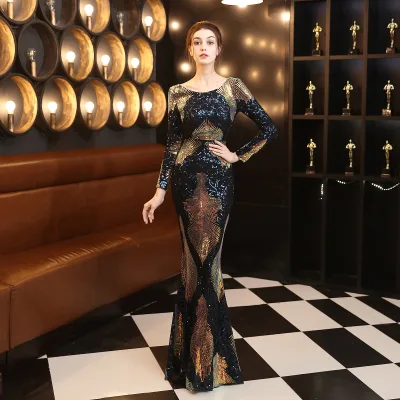
The observed product landscape for floor-length evening dresses reveals a diverse range of styles, materials, and customization options. Listings indicate the availability of various silhouettes, including mermaid, ball gown, and strapless designs, catering to different aesthetic preferences and body types. Materials commonly cited include polyester, satin, and cotton/spandex blends, each offering distinct drape, durability, and visual appeal. Buyers should note that while some products are described as "high quality," this is a subjective claim that requires independent verification through sample evaluation and factory audits.
Customization is a significant feature in this category, with many suppliers offering OEM services and bespoke design options. Attributes such as "customized" standards and "accept custom colors" suggest flexibility in meeting specific brand requirements. However, the presence of varying MOQs, ranging from single-piece drop shipping to bulk orders of 10,000 units, highlights the importance of aligning order volume with supplier capabilities. Buyers must carefully assess whether a supplier’s production capacity and quality control processes are suitable for their specific order size and timeline.
Technical Specifications to Verify
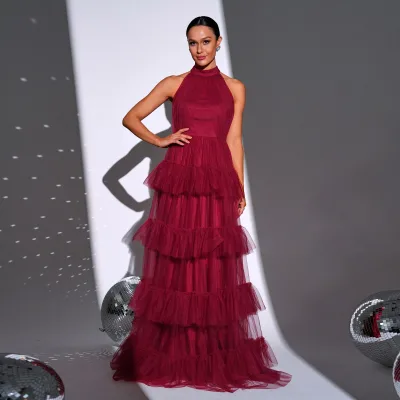
Technical verification is paramount when sourcing floor-length ball gowns, as the complexity of the design can lead to significant variations in fit and finish. Key specifications to verify include dress length, sleeve style, and layering. For instance, some listings specify "full-length" and "double layer" or "multilayer" constructions, which impact the garment’s weight, drape, and overall appearance. Buyers should request detailed technical packs that include precise measurements for each size, seam allowances, and fabric composition percentages to ensure consistency across production runs.
Embellishments and structural elements also require close scrutiny. Attributes such as "lace" embellishments, "zipper" closures, and specific sleeve styles like "strapless" or "cap sleeve" add complexity to the manufacturing process. Buyers should verify the quality of these components, including the durability of zippers, the intricacy of lace patterns, and the stability of strapless designs. Additionally, packaging specifications, such as "OPP Bag" or "Polybag," should be confirmed to ensure that garments arrive in pristine condition, minimizing the risk of damage during transit.
Compliance and Safety Documentation
Compliance and safety documentation are critical for ensuring that sourced evening dresses meet international regulatory standards. Buyers must verify that suppliers adhere to relevant textile regulations, including restrictions on harmful substances such as azo dyes, formaldehyde, and heavy metals. While specific certification statuses are not provided in the observed listings, buyers should request test reports from accredited laboratories to confirm compliance with standards such as REACH in Europe or CPSIA in the United States.
Labeling and care instructions are also important compliance aspects. Garments must be accurately labeled with fiber content, country of origin, and care instructions in the language of the destination market. Buyers should ensure that suppliers provide clear and accurate labeling, as mislabeling can lead to customs delays, fines, or product recalls. Additionally, buyers should verify that suppliers have robust quality control processes in place to prevent defects that could pose safety risks, such as loose buttons or sharp edges on embellishments.
Cost Drivers and Commercial Terms
Cost drivers for floor-length ball gowns include material costs, labor intensity, and customization complexity. High-quality fabrics such as satin and polyester blends can significantly impact the base cost, while intricate designs with multiple layers and embellishments increase labor costs. Buyers should request detailed cost breakdowns to understand the proportion of material, labor, and overhead costs in the final price. This transparency can help identify areas for cost optimization without compromising quality.
Commercial terms, including MOQs, lead times, and payment terms, vary widely among suppliers. Some suppliers offer low MOQs for custom orders, while others require bulk commitments. Buyers should negotiate terms that align with their inventory management strategy and cash flow requirements. Additionally, buyers should clarify responsibilities for shipping, insurance, and customs duties to avoid unexpected costs. Understanding these commercial terms is essential for accurate budgeting and risk management.
Supplier Qualification and Quality Control
Supplier qualification is a critical step in mitigating procurement risk. Buyers should conduct thorough due diligence, including factory audits, to assess production capabilities, quality control processes, and ethical labor practices. Suppliers with OEM experience and a history of producing high-quality evening wear are preferable, as they are likely to have the expertise and infrastructure to meet complex design requirements. Buyers should also verify the supplier’s ability to handle custom orders, including their design support and prototyping capabilities.
Quality control processes should be clearly defined and agreed upon with the supplier. This includes pre-production sample approval, in-line inspections during manufacturing, and final random inspections before shipment. Buyers should establish clear acceptance criteria for defects, such as stitching errors, fabric flaws, or sizing inaccuracies. Implementing a robust quality control plan can help ensure that delivered garments meet the specified standards and reduce the risk of returns or disputes.
Long-Term Procurement Checks
Long-term procurement success depends on continuous monitoring and relationship management. Buyers should establish regular communication channels with suppliers to address issues promptly and foster collaboration. Regular performance reviews, based on metrics such as on-time delivery, quality compliance, and responsiveness, can help identify areas for improvement and reinforce accountability. Building a strong partnership with reliable suppliers can lead to better pricing, priority production, and access to new design trends.
Additionally, buyers should stay informed about market trends and regulatory changes that may impact sourcing decisions. This includes monitoring shifts in consumer preferences, emerging fabric technologies, and updates to international trade regulations. By maintaining a proactive approach to market intelligence and supplier management, buyers can ensure that their sourcing strategy remains competitive and resilient in the long term. Continuous improvement and adaptation are key to sustaining success in the dynamic evening wear market.
FAQs
Can I order a floor-length ball gown evening dress with custom measurements?
Yes, custom made dresses are available with one-piece drop shipping options. Buyers can accept custom colors and measurements for stock items ranging from US 2 to 6, ensuring a tailored fit for specific needs.
What materials are used for floor-length ball gown evening dresses?
These dresses are crafted from materials like polyester, satin, and cotton spandex blends. Some styles feature double or multilayer constructions with embellishments such as lace to enhance the visual appeal and texture.
Which sleeve styles are available for floor-length ball gown evening dresses?
Available sleeve styles include short sleeve, strapless, sleeveless, and cap sleeve options. The selection allows buyers to choose between fully covered arms or bare shoulders depending on the desired aesthetic and occasion.
How is the floor-length ball gown evening dress packed for shipping?
Packaging options vary by product and include OPP bags, polybags, or carton boxes. Some items come in single piece packaging while others are individually packed in polybags to ensure safety during transit.
What is the minimum order quantity for floor-length ball gown evening dresses?
Minimum order quantities range from 500 to 10,000 units depending on the specific model and customization level. Stock items may have lower thresholds, while custom orders often require higher volume commitments.
Can I find floor-length ball gown evening dresses with OEM branding?
Yes, OEM services are available for branding and customization of these dresses. Buyers can request specific designs and labels, making it suitable for private label projects or brand-specific collections.
What occasions are suitable for wearing floor-length ball gown evening dresses?
These dresses are designed for occasions such as parties, weddings, and bridal events. Specific styles like mermaid or ball gowns are ideal for formal gatherings, while others suit spring or autumn celebrations.