Source Eyeliner Templates for Cosmetics, Makeup, and Beauty
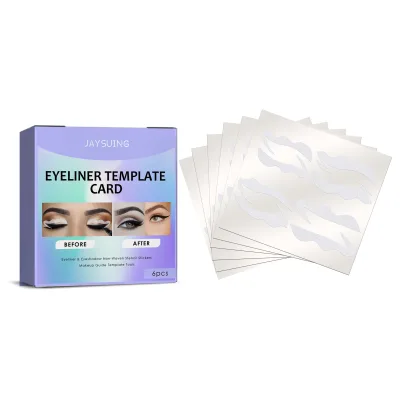
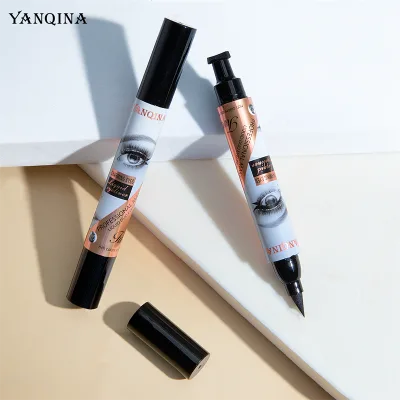
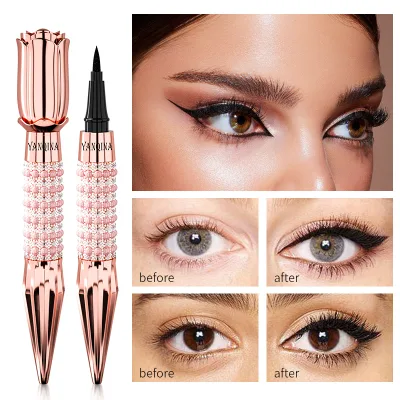
Find 30 Eyeliner Templates from verified suppliers offering customization and various materials like silicone and plastic. Compare specifications, MOQs, and pricing for eyeliner aids and makeup brushes to streamline your sourcing process.
Key considerations
Products List


Quality Assurance Eyeliner Pencil Tube Eyeliner Tube Empty Eyeliner Tube
$0.20 - $0.21
MOQ: 12000 Pieces


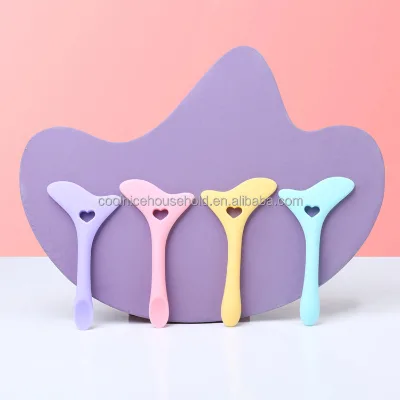
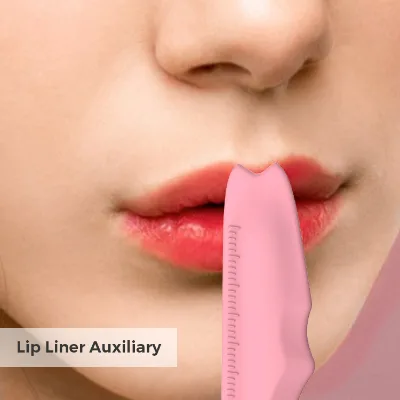

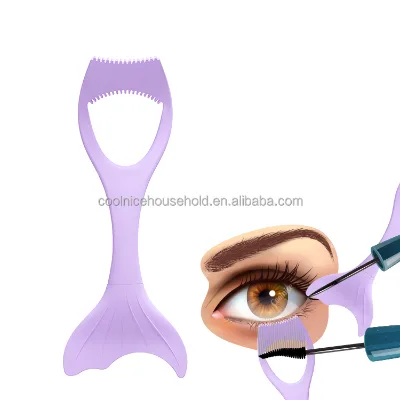
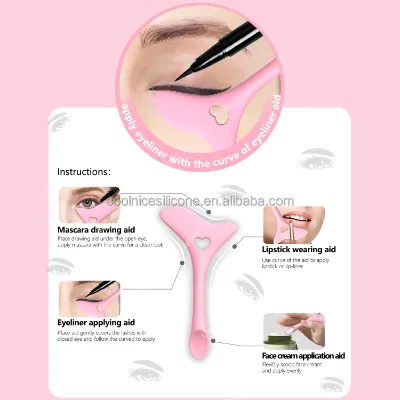



Comprehensive Sourcing Guide
Eyeliner Templates Sourcing Guide
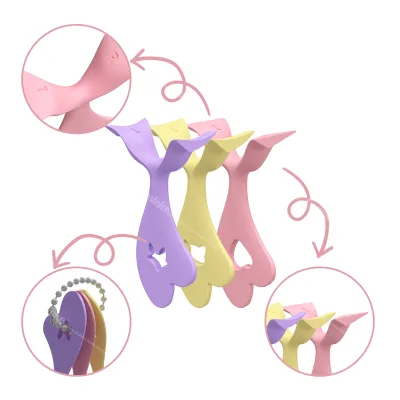
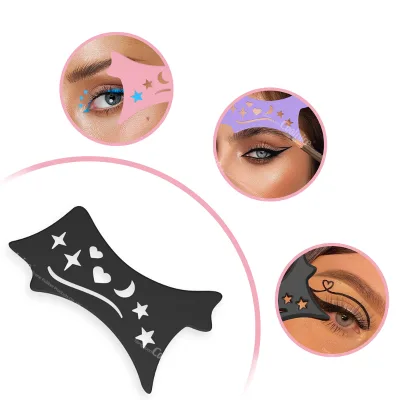
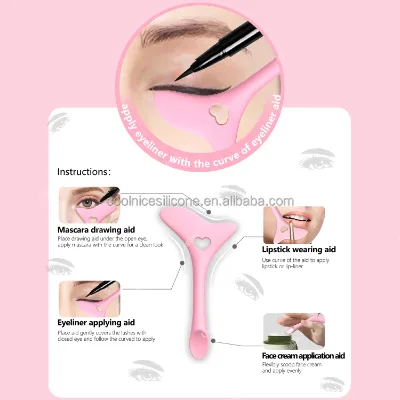
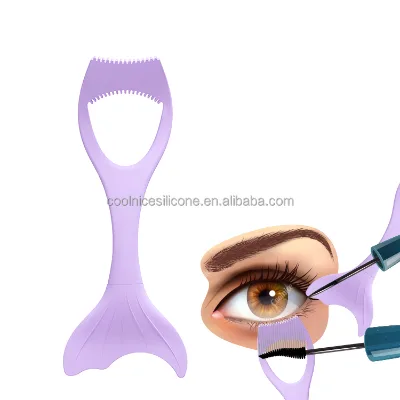
Sourcing Eyeliner Templates requires a nuanced understanding of the distinction between physical application aids and the cosmetic tools used to execute precise lines. In the current B2B landscape, buyers often encounter two distinct categories under this keyword: rigid or semi-rigid stencils designed to guide the eyeliner brush, and specialized makeup brushes engineered for single-ended, short-pole application. The observed market data indicates a significant variance in product attributes, ranging from silicone-based aids to goat hair brushes, which necessitates a clear definition of the end-use before initiating supplier outreach. Procurement teams must first determine whether the objective is to provide a reusable physical guide for consumers or to supply the high-precision instrument itself. This distinction drives all subsequent decisions regarding material selection, manufacturing processes, and quality control protocols.
The procurement strategy must also account for the high degree of customization available in this sector. Suppliers frequently offer OEM and ODM services, allowing brands to tailor product models, handle types, and packaging to specific market demands. The observed listing signals show that customization is not merely an option but a standard expectation, with many suppliers welcoming highly customized orders. Buyers should leverage this flexibility to align product specifications with their brand identity, whether through custom logo printing, specific model numbering systems, or unique packaging configurations. However, this flexibility introduces complexity in the sourcing process, requiring rigorous verification of sample quality and consistency before committing to bulk production runs.
Product Scope and Observed Listing Signals
The current market for eyeliner-related products exhibits a wide range of material compositions and functional designs. Observed listings highlight products made from plastic, silicone, and natural materials such as goat hair, each serving a different purpose in the makeup application process. Plastic and silicone items often function as physical templates or aids, providing a structural guide for users to trace precise lines. In contrast, products identified as makeup brushes, particularly those with goat hair bristles, are designed for direct application. Buyers must carefully distinguish between these categories, as the manufacturing requirements, safety standards, and end-user expectations differ significantly. The presence of mixed colors and customized forms in the market suggests that aesthetic versatility is a key driver for consumer adoption.
Price and minimum order quantity (MOQ) data reveal a fragmented supply chain catering to both small-scale startups and large-volume distributors. The observed price range spans from $0.14 to $1.75 per unit, reflecting the disparity between simple plastic aids and more complex brush assemblies. Similarly, MOQs vary drastically, from as low as 100 pieces for certain customized items to 12,000 pieces for standard bulk orders. This variance allows buyers to test market response with lower initial commitments or secure competitive pricing through larger volume purchases. However, the high MOQs for certain models indicate that economies of scale are critical for profitability in this category. Buyers should align their order volumes with their sales forecasts to avoid excess inventory or stockouts, particularly when dealing with customized specifications that may have longer lead times.
Technical Specifications to Verify
Verifying technical specifications is paramount when sourcing Eyeliner Templates and related tools, as minor deviations can impact product performance and user satisfaction. For physical templates, dimensions and material rigidity are critical factors. Buyers should request detailed specifications for size, such as the observed 1175915mm dimensions for certain aids, and ensure that the material, whether silicone or plastic, offers the appropriate balance of flexibility and durability. For brush-based products, the handle type, such as the short pole design observed in some listings, and the bristle material, like goat hair, must be verified against performance expectations. The single-ended nature of many brushes also requires confirmation to ensure they meet the specific application needs of the target market.
Packaging and labeling specifications are equally important for maintaining product integrity and brand consistency. The observed standard packing of carton plus waterproof packing suggests a need for protection against moisture and physical damage during transit. Buyers should verify the single package size, such as the 15X10X30 cm dimension noted for certain items, to optimize logistics and storage efficiency. Additionally, the availability of customized logo printing and specific model numbers, such as E-125 or E-036, allows for precise inventory management and brand differentiation. It is essential to confirm that all custom elements, including colors and forms, are accurately reproduced in the final production batch, as discrepancies can lead to customer dissatisfaction and returns.
Compliance and Safety Documentation
Compliance and safety documentation are non-negotiable requirements for sourcing products intended for cosmetic use, particularly those that come into direct contact with the sensitive eye area. Buyers must ensure that all suppliers provide relevant certifications, such as ISO certification, which indicates adherence to quality management standards. For products made from silicone or plastic, verification of material safety is crucial to ensure they are free from harmful substances like phthalates or heavy metals. The observed mention of FSC certification, while low-confidence, highlights the potential importance of sustainable sourcing for certain materials, particularly if wood or paper components are involved in packaging or handles.
In addition to material safety, buyers should request test reports that verify the hygiene and durability of the products. For brushes, this may include tests for bristle shedding and handle stability, while for templates, it may involve tests for material flexibility and resistance to cleaning agents. The "Best" quality attribute observed in some listings is a marketing claim that must be substantiated by objective test data. Buyers should establish clear acceptance criteria for these tests and require suppliers to provide third-party lab results where possible. This due diligence not only protects consumers but also mitigates the risk of regulatory non-compliance and potential liability issues in the destination market.
Cost Drivers and Commercial Terms
Understanding the cost drivers in the eyeliner template market is essential for effective budgeting and negotiation. The primary cost drivers include material selection, customization complexity, and order volume. Products made from natural materials like goat hair or those requiring intricate molding processes for plastic templates tend to be more expensive than simpler silicone aids. Customization, such as logo printing, specific model numbering, and unique packaging, adds to the production cost but can enhance brand value and market positioning. Buyers should analyze the cost-benefit ratio of each customization option to determine which features are most valuable to their target customers.
Commercial terms, including payment conditions and lead times, also significantly impact the total cost of ownership. The availability of free samples is a common practice that allows buyers to evaluate product quality before committing to large orders, reducing the risk of costly mistakes. However, buyers should clarify whether sample costs are refundable upon placing a bulk order. Lead times can vary based on the complexity of the customization and the current production schedule of the supplier. Negotiating favorable payment terms, such as partial upfront payment and balance upon shipment, can help manage cash flow and reduce financial risk. Clear communication of these terms in the purchase agreement is essential to avoid disputes and ensure smooth transaction execution.
Supplier Qualification and Quality Control
Supplier qualification is a critical step in ensuring a reliable supply chain for Eyeliner Templates and related products. Buyers should conduct thorough due diligence on potential suppliers, verifying their business licenses, production capabilities, and past performance. The observed origin of many products in Guangdong, China, indicates a concentration of manufacturing expertise in this region, but it also necessitates careful selection to avoid low-quality providers. Suppliers that offer OEM/ODM services and welcome customized orders often have more flexible production lines, which can be advantageous for brands with unique requirements. However, this flexibility must be balanced with robust quality control processes to ensure consistency across batches.
Quality control measures should be implemented at every stage of the production process, from raw material inspection to final product packaging. Buyers should establish clear quality standards and conduct regular audits or third-party inspections to verify compliance. The observed weight of certain items, such as 13.5g, provides a tangible metric for quality control, allowing buyers to check for consistency in material usage and manufacturing precision. Additionally, the availability of samples, whether free or paid, offers an opportunity to assess the supplier's attention to detail and responsiveness. Building a strong relationship with qualified suppliers through transparent communication and mutual trust can lead to long-term benefits, including better pricing, priority production, and collaborative innovation.
Long-Term Procurement Checks
Long-term procurement success in the eyeliner template market depends on continuous monitoring and adaptation to changing market dynamics. Buyers should regularly review supplier performance metrics, including on-time delivery rates, product quality consistency, and responsiveness to issues. Establishing key performance indicators (KPIs) and conducting periodic supplier evaluations can help identify areas for improvement and ensure that suppliers remain aligned with the buyer's standards. The fast-paced nature of the cosmetics industry means that product trends and consumer preferences can shift rapidly, requiring buyers to stay informed about new materials, designs, and technologies.
Furthermore, buyers should diversify their supplier base to mitigate risks associated with single-source dependencies. Maintaining relationships with multiple qualified suppliers can provide flexibility in sourcing and negotiation, as well as a backup in case of supply chain disruptions. Regularly updating product specifications and exploring new customization options can help keep the product offering fresh and competitive. By staying proactive in supplier management and market analysis, buyers can ensure a resilient and efficient procurement process that supports long-term business growth and customer satisfaction.
FAQs
What materials are used for Eyeliner Templates?
Eyeliner Templates are commonly made from silicone or plastic materials. Some products feature goat hair brushes for application, while the template body itself is often customized plastic. Buyers can select from mixed color options depending on the specific model required.
Can I get custom logo printing on these products?
Yes, custom logo printing is available for Eyeliner Templates and related makeup brushes. OEM and ODM services are highly welcomed, allowing buyers to request specific branding. The product models support customized logos to meet unique brand requirements.
What is the minimum order quantity for Eyeliner Templates?
The minimum order quantity varies significantly by product type, ranging from 100 pieces to 12,000 pieces. Specific models like the eyeliner aids have an MOQ of 100 pieces, while other cosmetic containers may require up to 12,000 pieces for bulk orders.
Are samples available for Eyeliner Templates before bulk order?
Free samples are available for many eyeliner template products to verify quality before committing to a large order. Buyers can request these samples to check the silicone or plastic construction. This ensures the product meets specific customization and usage needs.
Which certifications do eyeliner template manufacturers hold?
Manufacturers of Eyeliner Templates often hold ISO certifications to ensure quality standards. These facilities operate in China, specifically in Guangdong, and adhere to specific production standards. Buyers can verify these certifications when sourcing from verified suppliers.
How are Eyeliner Templates packaged for shipping?
Products are typically packed in cartons with waterproof protection to ensure safety during transit. Some items come in OPP bags or customized packaging options. The standard box size is often around 47 by 35 by 40 centimeters for bulk shipments.
What types of eyeliner brushes are included in the range?
The range includes single-ended eyeliner brushes with short poles designed for precise application. Models like the Makeup Eyeliner Brush-002N and Eyeliner Brush-010G are available. These brushes serve as guides for eyelining and are suitable for eye makeup application.