Source Foldable Lightweight Crutch Stool for Elderly, Disabled, and Rehab
Explore 30 verified listings for the Foldable Lightweight Crutch Stool suitable for indoor and outdoor use. Buyers can compare adjustable heights, materials like aluminium alloy and plastic, and certifications including CE and ISO to find the right walking aid for rehabilitation therapy.
Key considerations
Products List


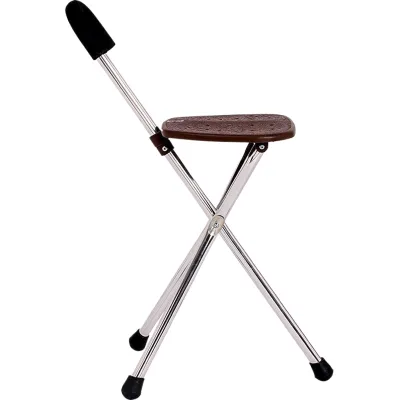


Adjustable Height Aluminum Step Stool with Foldable and Lightweight Design
$18.50 - $22.00
MOQ: 50 Pieces


Galvanized Adjustable Step Stool with Portable Design and Lightweight Features
$18.50 - $22.00
MOQ: 50 Pieces


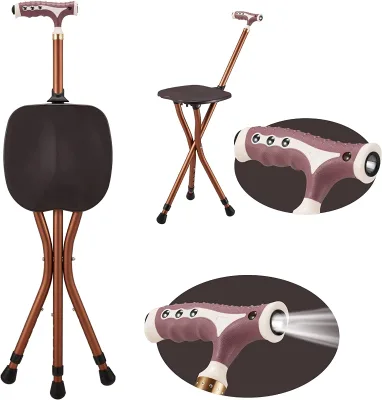


Comprehensive Sourcing Guide
Strategic Sourcing Guide for Foldable Lightweight Crutch Stools
Understanding Product Categories and Core Specifications
The market for mobility aids, specifically the Foldable Lightweight Crutch Stool, requires a nuanced understanding of product classifications to ensure procurement aligns with user needs. Based on available market data, these devices often fall under the broader category of walking aids and rehabilitation therapy supplies. Buyers must distinguish between single-point walking sticks and multi-foot canes, as the structural integrity and stability vary significantly. The observed product landscape includes models designed with specific functions such as walking aids, walking sticks, and rehabilitation therapy supplies.
A critical observation in the current supply chain is the variation in material composition. While some units are constructed from aluminium alloy, offering a balance of strength and reduced weight, others utilize plastic. The choice of material directly impacts the net weight and durability of the device. For instance, specific models in the market have been observed with a net weight of 0.36kg, indicating a high degree of portability, whereas other standard units may weigh up to 1kg. This variance suggests that "lightweight" is a relative term dependent on the specific model and material selection.
Height adjustability is another paramount specification. The market presents a dichotomy between fixed-height and adjustable models. High-end or specialized units often feature adjustable heights, with observed ranges spanning from 75.5cm to 98.5cm, offering ten distinct adjustment levels to accommodate users of varying statures. Conversely, other product listings indicate unadjustable heights, which may be suitable for standardized distribution or specific institutional needs. The physical dimensions, such as the standard height of 7 inches or 9 inches for certain components, further define the product's utility. Buyers must verify these exact measurements against the intended user's anthropometric data before placing orders.
Compliance, Certification, and Safety Standards
In the medical and mobility aid sector, compliance is not merely a formality but a prerequisite for market access and user safety. When sourcing foldable crutch stools, procurement teams must rigorously verify certification status. The available data indicates that compliant products often carry CE and ISO certifications. Some advanced models may also include RoHS certification, ensuring that the materials used do not contain hazardous substances.
The origin of the product plays a significant role in the regulatory landscape. Many of the observed products originate from China, specifically from regions like Fujian. While this location is a major hub for manufacturing, it necessitates a deeper dive into the specific standards applied. The term "1KG" appears in the context of product standards, which may refer to a weight classification or a specific load-bearing test standard, though buyers should verify the exact definition of this standard with the supplier. It is crucial to understand that certifications like CE and ISO are not universal guarantees for every listed item; they are specific to the model and batch.
Buyers should not assume that all products labeled as "rehabilitation therapy supplies" meet the same rigorous safety thresholds. The presence of certifications such as CE, ISO, and RoHS should be confirmed via valid documentation for the specific batch being purchased. Furthermore, the distinction between "New" and "Used" condition is vital. While the primary market focus is on new equipment, the existence of used units in the supply chain highlights the need for clear contractual definitions regarding product condition. A procurement contract must explicitly state that the delivered goods must be new, unless a specific refurbished program is being executed, to avoid compliance issues with medical device regulations.
Cost Drivers and Pricing Dynamics
The pricing structure for foldable lightweight crutch stools is influenced by a complex interplay of factors, including material costs, customization levels, and order volume. The observed price range in the market spans from 1 to 50 USD, a wide spectrum that reflects the diversity in product quality and feature sets. Lower-priced items typically correspond to simpler designs, such as plastic construction or fixed-height models, while higher-priced units often feature aluminium alloy frames, adjustable mechanisms, and advanced folding designs.
Minimum Order Quantity (MOQ) is a significant cost driver. The market data reveals an MOQ range from 1 to 3000 units. For buyers seeking to test the market or fulfill small-scale needs, suppliers offering low MOQs are available. However, larger orders often benefit from economies of scale, potentially lowering the unit cost. Specific listings indicate an MOQ of 500PCS for certain models, suggesting that bulk purchasing is a standard expectation for many manufacturers.
Customization is another key variable affecting cost. While some products are available as standard, non-customized items, others offer "Welcome Custom" designs. Customization services, including OEM (Original Equipment Manufacturer) acceptance, typically incur additional costs and may extend the lead time. The ability to customize the design, color, or specific functional attributes allows buyers to brand the product or tailor it to specific user groups, such as the elderly or disabled. However, this flexibility comes with a trade-off in terms of initial investment and production complexity.
Typical Applications and User Demographics
The primary application of foldable lightweight crutch stools is to serve as walking aids for individuals requiring mobility support. The target demographic is clearly defined in the product specifications as the elderly and the disabled. These devices are designed to provide stability and support, reducing the risk of falls and enabling greater independence for users with limited mobility.
The versatility of these products is highlighted by their dual suitability for indoor and outdoor use. This characteristic is essential for users who require mobility aids that can transition seamlessly from home environments to public spaces. The "Multi-Foot Cane" design, as observed in the market, suggests enhanced stability compared to single-point canes, making them particularly suitable for uneven terrain or for users with balance issues.
Furthermore, the application extends beyond simple walking support to include rehabilitation therapy. As "Rehabilitation Therapy Supplies," these devices are often utilized in clinical settings or during post-injury recovery phases. The adjustable height feature is particularly beneficial in rehabilitation contexts, allowing therapists to fine-tune the device to the patient's specific recovery stage. The portability of these units, emphasized by selling points such as "Portable and Foldable," ensures that users can carry the device easily, facilitating their participation in daily activities and therapy sessions.
Supplier Evaluation and Operational Logistics
Selecting the right supplier involves evaluating their operational capabilities, including production capacity, lead times, and logistics infrastructure. The supply chain for these products is heavily concentrated in China, with specific hubs like Ningbo serving as key shipping ports. This location offers efficient access to global shipping networks, including FedEx, UPS, DHL, sea freight, and air freight.
Lead times are a critical consideration for procurement planning. The observed lead time for production ranges from 20 to 40 days, a timeframe that buyers must account for in their inventory management strategies. Additionally, sample times are typically short, with a standard of 3 days for sample production, allowing buyers to evaluate product quality before committing to large orders.
Payment terms are another aspect of supplier evaluation. Standard practices in the industry often involve a deposit structure, such as 30% deposit plus 70% balance upon shipping. This arrangement mitigates risk for both parties but requires buyers to have the necessary capital flow to manage the initial deposit. The acceptance of OEM services indicates that suppliers are capable of adapting to specific branding requirements, which is a valuable capability for buyers looking to establish their own product lines.
Quality Control and Long-Term Procurement Considerations
Ensuring consistent quality is paramount when sourcing medical and mobility aids. Buyers should implement a robust quality control protocol that includes pre-shipment inspections and verification of material specifications. The distinction between aluminium alloy and plastic materials must be verified to ensure the product meets the advertised weight and durability claims. For instance, a unit claiming a net weight of 0.36kg must be tested to confirm it does not compromise structural integrity.
Packaging is also a critical factor in maintaining product quality during transit. The observed packaging methods include carton boxes and shrink film with paper cards. These methods are designed to protect the foldable mechanisms and prevent damage during shipping. Buyers should ensure that the packaging standards are sufficient to withstand the rigors of international logistics, especially for products that are folded and compacted.
Long-term procurement considerations involve the warranty and after-sales support. The standard warranty period observed in the market is one year from the shipment date. This warranty provides a safety net for buyers against manufacturing defects. However, buyers should clarify the scope of the warranty, including what constitutes a defect and the process for claims. Additionally, the availability of spare parts and the supplier's responsiveness to service requests are crucial for maintaining the longevity of the product line.
Comparative Analysis of Product Attributes
To facilitate informed decision-making, the following table summarizes key attributes observed in the market for foldable lightweight crutch stools. This comparison highlights the variations in specifications that buyers should consider when selecting a supplier.
| Attribute | Observation A | Observation B | Observation C |
|---|---|---|---|
| Material | Aluminium Alloy | Plastic | Mixed/Variable |
| Condition | New | Used | New |
| Adjustability | Adjustable (10 Levels) | Unadjustable | Adjustable |
| Height Range | 75.5-98.5cm | Fixed | Variable |
| Weight | 0.36kg | 1kg | Variable |
| Certification | CE, ISO | CE, RoHS, ISO | CE, ISO |
| Customization | Available | Non-Customized | Customized |
| Origin | China (Fujian) | China | China |
| MOQ | 500 PCS | 1 - 3000 | Variable |
| Lead Time | 20-40 Days | Variable | Variable |
This table underscores the importance of verifying specific attributes against procurement requirements. For example, if a buyer requires a lightweight, adjustable unit, they must prioritize suppliers offering aluminium alloy construction and multi-level height adjustment. Conversely, if cost is the primary driver, plastic, fixed-height models may be more appropriate, provided they meet the necessary safety standards.
In conclusion, sourcing foldable lightweight crutch stools requires a meticulous approach that balances technical specifications, compliance requirements, and logistical capabilities. By leveraging the observed data and maintaining a disciplined evaluation process, buyers can secure high-quality products that meet the needs of the elderly and disabled populations while ensuring operational efficiency and regulatory compliance.
FAQs
Can I find foldable lightweight crutch stools with CE and ISO certifications?
Yes, many models in this category carry both CE and ISO certifications, and some advanced units also include RoHS compliance. Buyers must verify that these specific certifications apply to the exact batch and model they intend to purchase, as they are not universal guarantees for every listed item.
What is the typical height adjustment range for adjustable walking aids?
High-end units often feature adjustable heights ranging from 75.5 to 98.5 centimeters with ten distinct levels. Conversely, other product listings indicate unadjustable fixed heights, so buyers must verify exact measurements against the intended user's data before ordering.
Which materials are commonly used for foldable crutch stools?
Products are constructed from either aluminium alloy for a balance of strength and low weight or plastic for cost efficiency. Specific models have been observed with a net weight of 0.36kg using aluminium, while standard units may weigh up to 1kg depending on the material selection.
How long does it take to receive samples of these walking aids?
Sample production typically requires three days, allowing buyers to evaluate product quality before committing to large orders. This short lead time facilitates quick assessment of the folding mechanism and material durability for the specific model selected.
What is the standard warranty period for new mobility aids?
The standard warranty period observed in the market is one year from the shipment date. Buyers should clarify the scope of this warranty, including what constitutes a defect and the specific process for claims to ensure coverage for manufacturing issues.
Can suppliers accept custom designs for these rehabilitation therapy supplies?
Yes, customization is available for many models, including OEM acceptance and welcome custom designs. However, this flexibility typically incurs additional costs and may extend the production lead time compared to standard non-customized items.
What is the minimum order quantity for bulk purchasing these aids?
The market reveals an MOQ range from 1 to 3000 units, with specific listings indicating an MOQ of 500 pieces for certain models. Larger orders often benefit from economies of scale, potentially lowering the unit cost significantly.