Source Foldable Lithium Ion Massage Gun for Home Gymnasium Park
Find 30 Foldable Lithium Ion Massage Gun options from verified Chinese manufacturers. Compare models like ZM-112 and HS-MC-003 with varying motor types, charging times, and certifications to suit home, gymnasium, or park use.
Key considerations
Products List


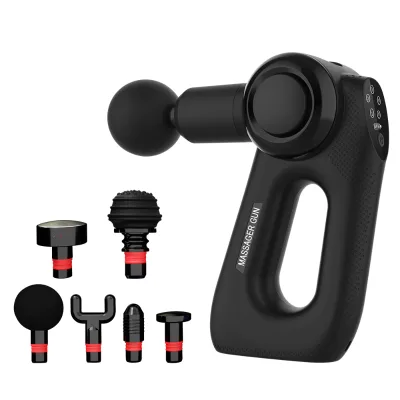
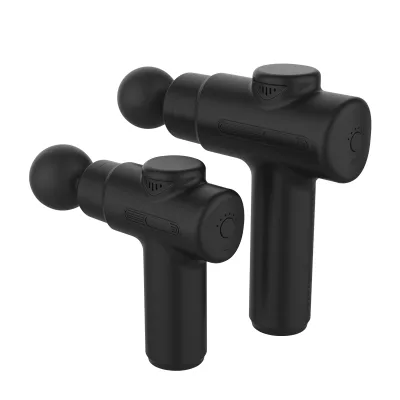
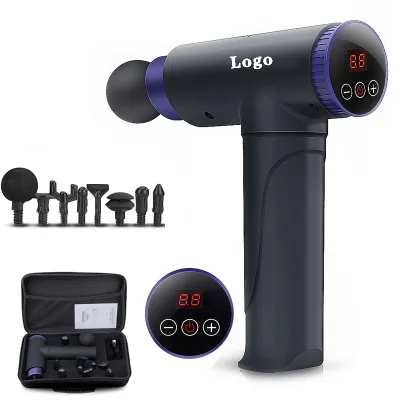
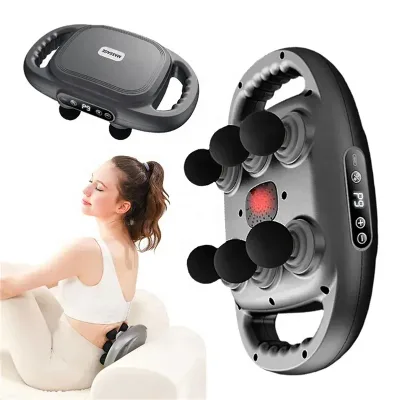
The Whole Body Brush Lithium-Ion Battery Motor Handheld Vibration Massage Gun
$15.00 - $15.88
MOQ: 1000 Sets


Lithium-Ion Battery Massage Gun for Muscle Soreness Pain with CE Certificate
$25.59 - $26.18
MOQ: 1000 Sets




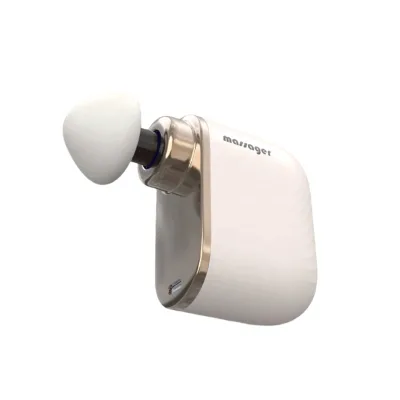
Comprehensive Sourcing Guide
Strategic Sourcing Guide for Foldable Lithium Ion Massage Guns
The global demand for portable recovery tools has surged, placing foldable lithium ion massage guns at the forefront of the fitness and wellness equipment market. For B2B procurement professionals, navigating this sector requires a disciplined approach that distinguishes between marketing assertions and verifiable product attributes. The following guide synthesizes observed market data and technical specifications to provide a robust framework for sourcing these devices. Buyers must prioritize evidence-based evaluation over general claims, ensuring that every procurement decision aligns with specific operational needs and regulatory requirements.
Technical Architecture and Motor Dynamics
The core functionality of a foldable massage gun relies heavily on the motor technology and the battery architecture. In the current market, two distinct motor types are prevalent: brushless and brush motors. Brushless motors are generally preferred for high-end applications due to their durability, reduced maintenance needs, and quieter operation. Observed product data indicates that models such as the ZM-112 and ZM-116 utilize brushless motor technology, which supports longer working times and consistent torque delivery. Conversely, other listings reference brush motors, which may offer a lower cost point but typically require more frequent maintenance and generate more heat during extended use.
Battery performance is another critical technical specification. The supply chain data highlights a rechargeable power supply as a standard feature, with charging types consistently listed as 5V/2A. This standard charging interface ensures compatibility with common USB power sources, facilitating ease of use in various environments. However, working times vary significantly between models. Some units, like the ZM-112, offer a working time of 4 to 8 hours on a single charge, while others, such as the ZM-108, provide a range of 4 to 6 hours. Charging times also differ, with some models requiring 3 hours to reach full capacity and others taking up to 4 hours. Procurement teams must verify these metrics against their specific usage scenarios to ensure the device meets the operational demands of the end-user.
The physical design of these units often includes a foldable mechanism, which is essential for portability. The "Folded" attribute is explicitly noted as "Unfolded" in some contexts, indicating the device's state during operation or its ability to transition between compact and extended forms. The dimensions of the units vary, with observed standard sizes ranging from approximately 17570235mm to 29263271mm. These dimensions directly impact the weight and the ease of transport, which are key selling points for the foldable category.
Compliance and Certification Verification
Navigating the regulatory landscape is a non-negotiable aspect of sourcing electronic wellness devices. The market data confirms that several models carry the CE certification, a mandatory requirement for selling electronic products within the European Economic Area. Some listings provide more comprehensive compliance documentation, including RoHS (Restriction of Hazardous Substances) and ISO standards. For instance, products originating from Yongkang, China, have been observed with CE, RoHS, and ISO certifications, while others from Shenzhen list CE and ISORoHS.
Buyers must exercise caution when interpreting these certifications. The presence of a certification label on a product page does not automatically guarantee that every unit in a batch is compliant. It is imperative to request valid test reports and certificates of conformity from the supplier before finalizing an order. The certification status should be verified against the specific model number, as compliance can vary between different production runs or sub-models. Furthermore, the "Standard" attribute in the data often refers to physical dimensions (e.g., 229247105 mm) rather than a regulatory standard. Procurement teams should not confuse physical specifications with safety standards. Instead, they must explicitly ask for documentation regarding electrical safety, electromagnetic compatibility, and material safety to ensure the product meets the regulatory requirements of the target market.
Cost Drivers and Pricing Structures
The pricing landscape for foldable lithium ion massage guns is characterized by a wide variance, reflecting differences in motor technology, material quality, and certification levels. The observed price range in the market spans from $6.20 to $3,000. This broad spectrum suggests that the category includes both entry-level consumer goods and high-end professional equipment. The lower end of the price range likely corresponds to units with brush motors, simpler packaging, and basic certifications. In contrast, the higher price points are associated with brushless motors, premium materials like aluminum, and comprehensive certification suites.
The Minimum Order Quantity (MOQ) is another significant cost driver. The data indicates an MOQ range of 1 to 1,000 units. This flexibility allows buyers to scale their orders based on their inventory needs and financial capacity. Small retailers or startups may benefit from suppliers offering an MOQ of 1, allowing for market testing with minimal capital risk. Conversely, large distributors may negotiate lower unit costs by ordering in bulk, potentially reaching the upper limit of the MOQ range.
Material composition also influences the final cost. Products made from ABS plastic are common and offer a balance of durability and cost-effectiveness. However, units constructed with aluminum components command a higher price due to the material's superior heat dissipation properties and aesthetic appeal. The packaging type, ranging from plastic boxes to color boxes and cartons, also contributes to the overall cost structure. Buyers should evaluate whether the packaging adds value to the end-user experience or if it is merely a cost center that can be optimized.
Typical Applications and Target Demographics
Understanding the intended application of the massage gun is crucial for matching the right product to the right market segment. The data identifies a diverse range of application environments, including home use, gymnasiums, parks, and community centers. This versatility makes the Foldable Lithium Ion Massage Gun suitable for a wide array of users, from individual fitness enthusiasts to professional sports teams. The "Adult" age group is the primary target demographic, with the devices designed to be unisex, catering to both male and female users.
The foldable design specifically enhances the utility of these devices in mobile or shared environments. In a gymnasium setting, a compact, foldable unit can be easily stored in a locker or carried to different training areas. Similarly, for community centers or parks, the portability allows for the deployment of recovery stations in various locations. The working time of 4 to 8 hours ensures that the device can support extended use without frequent recharging, which is vital for high-traffic environments.
Supplier Evaluation and Origin Analysis
The geographic origin of the product is a key indicator of manufacturing capabilities and supply chain stability. The data highlights three primary production hubs: Shenzhen, Yongkang, and Shandong in China. Shenzhen is renowned for its advanced electronics manufacturing, often associated with higher-tech components like brushless motors and sophisticated battery management systems. Yongkang is historically known for hardware and tool manufacturing, which may influence the build quality and durability of the massage gun housing. Shandong, another major industrial base, contributes to the supply of various consumer electronics and fitness equipment.
When evaluating suppliers, buyers should consider the specific model numbers associated with each origin. For example, the ZM-112 and ZM-108 models are linked to specific manufacturing standards and dimensions. The presence of customization options, such as color variations (Green, Blue, Silver, Pink) and custom branding, indicates a supplier's flexibility. However, the "Customized" attribute should be verified to understand the extent of the customization, whether it is limited to color or extends to functional modifications.
Quality Control and Inspection Protocols
Implementing a rigorous quality control (QC) protocol is essential to mitigate the risks associated with sourcing electronic devices. Given the variance in motor types and battery performance, a standardized QC checklist is necessary. This checklist should include functional tests for the motor (brushless vs. brush), battery charging cycles, and the mechanical integrity of the folding mechanism. The working time and charging time specifications must be validated through independent testing to ensure they match the supplier's claims.
Packaging integrity is another critical QC factor. The data shows a mix of packaging types, including carry cases with color boxes, plastic boxes, and cartons. The packaging must be robust enough to protect the device during transit, especially given the delicate nature of the folding mechanism. Inspections should verify that the product arrives in "New" condition, as indicated in the data, and that all accessories are included.
Long-Term Procurement Considerations
Sourcing foldable lithium ion massage guns is not merely a transactional activity but a strategic decision that impacts long-term brand reputation. Buyers should prioritize suppliers who offer consistent quality and reliable after-sales support. The availability of spare parts, such as replacement heads or charging cables, is a critical factor for long-term maintenance. Additionally, the customization capabilities of the supplier can play a significant role in brand differentiation. The ability to offer unique colors or custom branding can enhance the product's appeal in competitive markets.
Finally, buyers must remain vigilant regarding regulatory changes. As the market evolves, new safety standards and environmental regulations may emerge. Maintaining a close relationship with suppliers who are proactive about compliance and certification updates will ensure that the supply chain remains resilient. By focusing on verified technical specifications, robust certification checks, and clear cost drivers, procurement professionals can build a sustainable and profitable sourcing strategy for foldable lithium ion massage guns.
FAQs
What motor types are available for foldable lithium ion massage guns?
Both brushless and brush motors are available in the current market. Brushless motors, found in models like ZM-112, offer quieter operation and longer durability, while brush motors provide a lower cost option but may require more maintenance during extended use.
How long does it take to charge a Foldable Lithium Ion Massage Gun?
Charging times typically range from 3 to 4 hours depending on the specific model. Most units utilize a standard 5V/2A charging interface, ensuring compatibility with common USB power sources for convenient recharging in various environments.
Which certifications are commonly found on foldable lithium ion massage guns?
Many models carry CE certification, with some listings also including RoHS and ISO standards. Buyers should verify specific certification documents for each model number, as compliance can vary between production runs and origins like Shenzhen or Yongkang.
Can foldable lithium ion massage guns be customized for branding?
Yes, customization is available for many products in this category. Suppliers offer options for custom colors such as green, blue, silver, and pink, allowing buyers to tailor the aesthetic to their specific brand requirements or target demographics.
What is the typical working time for a rechargeable foldable massage gun?
Working times vary between 4 to 8 hours on a single charge depending on the model. Units like the ZM-112 can operate for up to 8 hours, while others like the ZM-108 typically provide a range of 4 to 6 hours.
Where are foldable lithium ion massage guns typically manufactured?
These devices are primarily manufactured in China, with key production hubs in Shenzhen, Yongkang, and Shandong. Shenzhen is known for advanced electronics, while Yongkang and Shandong contribute to hardware and consumer electronics manufacturing capabilities.