Source Foldable Magnetic Gift Box with Lid for Cosmetics, Garments, and Jewelry
Find 30 options for the Foldable Magnetic Gift Box with Lid designed for cosmetics, garments, and jewelry. Compare specifications like material, printing, and delivery times from verified suppliers in China to find the right packaging solution.
Key considerations
Products List


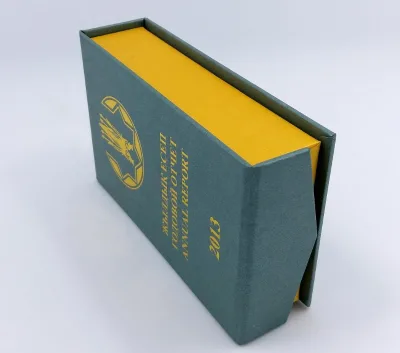
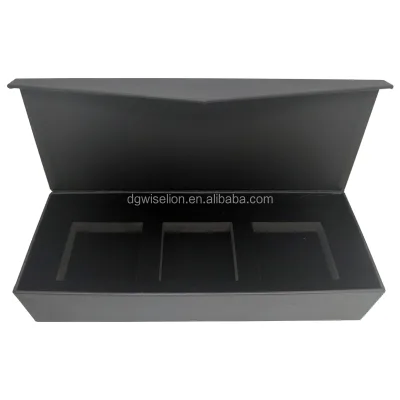


Customized Black Cardboard Flip-Top Magnetic Hand-Held Folding Gift Box
$1.26 - $1.89
MOQ: 1000 Pieces

Custom High-Quality Rigid Gift Box Magnetic Gift Box with Magnetic Closure
$0.80 - $2.80
MOQ: 500 Pieces


Comprehensive Sourcing Guide
Strategic Sourcing Guide for Foldable Magnetic Gift Boxes with Lid
The global demand for premium packaging solutions has elevated the Foldable Magnetic Gift Box with Lid to a cornerstone of modern retail presentation. This specific category of packaging combines structural integrity with a luxurious opening mechanism, making it ideal for high-value items ranging from cosmetics and jewelry to fashion accessories and electronics. For procurement professionals, sourcing these items requires a nuanced understanding of material composition, manufacturing processes, and supply chain logistics. The following guide synthesizes available market data to provide a disciplined framework for evaluating suppliers and defining product specifications without relying on unverified claims or external assumptions.
Technical Specifications and Material Composition
The foundation of a high-quality foldable magnetic gift box lies in its material architecture. Based on observed product attributes, the industry standard for this category often involves a composite structure. The core material is typically heavy-duty cardboard, specifically noted as 1200g Cardboard, which provides the necessary rigidity to maintain the box's shape under pressure. This structural core is frequently laminated with coated paper or art paper to achieve a smooth, premium surface finish suitable for high-resolution printing.
The dimensions of these boxes vary significantly based on the intended application. Observed specifications indicate a common size range of approximately 23177cm for standard garment and shoe applications, while other configurations for cosmetics or jewelry may measure around 2910.56cm. The thickness of the board is a critical differentiator; market observations show options ranging from 2mm to 4mm. A 2mm thickness is generally sufficient for lightweight items, whereas 4mm offers enhanced protection for heavier goods. The magnetic closure mechanism itself is an integral component, usually embedded within the lid and base to ensure a secure, silent snap that enhances the unboxing experience.
| Attribute | Common Observation | Verification Requirement |
|---|---|---|
| Base Material | 1200g Cardboard + Coated Paper | Verify gram weight and paper grade |
| Surface Finish | Matte Lamination, Gold Hot Stamping | Confirm coating type and durability |
| Thickness | 2mm to 4mm | Request physical samples for rigidity test |
| Printing Method | Offset Printing, 4 Color Printing | Ensure color accuracy and registration |
| Closure Type | Magnetic Foldable | Test magnetic strength and alignment |
Manufacturing Processes and Surface Handling
The aesthetic appeal of a magnetic gift box is largely determined by the surface handling and printing techniques employed. The primary printing method observed in this sector is offset printing, which allows for high-volume production with consistent color fidelity. Buyers should expect full-color printing capabilities, often utilizing a 4-color process (CMYK) to reproduce complex graphics and brand identities. For products requiring a more distinctive look, specialized surface treatments such as hot stamping are available. This process, often involving gold foil, adds a metallic sheen that elevates the perceived value of the packaging.
In addition to printing, lamination plays a crucial role in both protection and texture. Matte lamination is a frequently cited finish, providing a soft-touch feel that is highly desirable in luxury packaging. This finish also protects the printed surface from scratches and moisture. The production of these boxes involves precise die-cutting and folding processes to ensure the magnetic strips align perfectly when the box is assembled. The "foldable" aspect of the design is essential for logistics, as these boxes can be shipped flat to reduce volume and then assembled at the destination, significantly lowering shipping costs compared to rigid, pre-assembled boxes.
Cost Drivers and Economic Factors
Understanding the cost structure of foldable magnetic gift boxes is vital for budget planning. The primary cost drivers include the weight and quality of the cardboard, the complexity of the printing design, and the specific surface finishing techniques applied. Heavier board weights, such as the 1200g observed in the market, naturally incur higher material costs compared to lighter alternatives. Similarly, the inclusion of magnetic strips adds a fixed cost per unit that scales with the size of the box.
Minimum Order Quantities (MOQ) represent another significant economic factor. Market data indicates a wide range of MOQs, typically starting from 100 units for smaller runs or specific designs, but often extending to 500 or even 1000 pieces per design for standard production runs. This variability allows buyers to tailor their orders based on inventory needs and cash flow constraints. However, higher volumes generally yield better unit economics. Lead times are also a critical cost consideration; while some suppliers offer rapid turnaround times of 48 hours for paid orders, standard production cycles typically range from 20 to 25 days. Buyers must factor these timelines into their overall supply chain schedule to avoid stockouts.
Compliance, Certification, and Quality Standards
When sourcing packaging, compliance with quality and safety standards is paramount, even if specific certifications are not explicitly guaranteed for every product. While FSC certification is mentioned in background contexts, buyers should not assume this status without direct verification from the supplier. Instead, the focus should be on the supplier's internal quality control processes. Observed product attributes mention "inner quality control" as a standard practice, which suggests a baseline level of inspection is in place.
Buyers should verify that the materials used are safe for the intended application, particularly for items like cosmetics or food-adjacent products. The paper types, including cardboard and art paper, should be free from harmful substances. It is advisable to request material safety data sheets (MSDS) or compliance declarations from the supplier. Furthermore, the structural integrity of the magnetic closure must be tested to ensure it does not fail during transport or handling. Quality control checks should include visual inspections for printing defects, such as color bleeding or misalignment, and physical tests for the strength of the magnetic bond and the durability of the folding mechanism.
Typical Applications and Market Segments
The versatility of the Foldable Magnetic Gift Box with Lid makes it suitable for a diverse array of industries. The most prominent applications observed include the garment and shoe sectors, where the box serves as both a protective container and a branding tool. The rectangular shape and sturdy construction make it ideal for displaying high-end footwear or clothing items. Additionally, the cosmetics and household goods sectors are major consumers of this packaging type, utilizing the premium feel to enhance the unboxing experience for skincare and beauty products.
Beyond these primary sectors, the box is also widely used for jewelry, gifts, and arts and crafts. The ability to customize the print, including the option for single-color or full-color designs, allows brands to create unique packaging that resonates with their target audience. The "subscription box" and "mystery box" trends have further driven demand for this format, as the magnetic closure adds an element of surprise and exclusivity. The observed usage data confirms that these boxes are not limited to a single industry but are a flexible solution for any brand seeking to elevate its product presentation.
Supplier Evaluation and Procurement Strategy
Selecting the right supplier requires a rigorous evaluation process that goes beyond price comparisons. Buyers should prioritize suppliers who demonstrate transparency in their production capabilities and material sourcing. Key evaluation criteria include the supplier's location, which can impact shipping costs and lead times. Many suppliers are based in manufacturing hubs such as Guangzhou, Guangdong, China, which offers access to a robust supply chain for paper and printing services.
When engaging with potential suppliers, buyers should request samples to verify the physical attributes of the product. This includes checking the weight, which typically ranges from under 0.5 kg to 1.5 kg depending on the size and thickness, and the overall finish. It is also essential to discuss the customization options available, such as logo printing and special art effects like gold hot stamping. Suppliers should be able to provide a clear breakdown of costs, including the price per unit, setup fees, and shipping terms. The ability to offer standard export carton packing is another indicator of a supplier's professionalism and commitment to protecting the goods during transit.
Long-Term Procurement Considerations
Sourcing foldable magnetic gift boxes is not merely a transactional activity but a strategic decision that impacts brand perception and operational efficiency. Long-term procurement considerations include the scalability of the supplier's production capacity and their ability to maintain consistent quality over time. Buyers should establish clear communication channels to address any issues that may arise during production or delivery. The flexibility of the foldable design offers a significant advantage in inventory management, as flat-packed boxes require less storage space than rigid alternatives.
Furthermore, sustainability is becoming an increasingly important factor in procurement decisions. While specific environmental certifications should be verified on a case-by-case basis, buyers should inquire about the recyclability of the materials used. The use of paper-based materials, such as cardboard and art paper, generally aligns with sustainable practices, but the inclusion of laminations and magnetic strips requires careful consideration. By focusing on suppliers who prioritize quality control and transparent communication, buyers can build a reliable supply chain that supports their brand's growth and reputation in the competitive retail market.
FAQs
What materials are used for Foldable Magnetic Gift Box with Lid?
These boxes typically use 1200g Cardboard combined with coated paper or art paper for a premium finish. The structure often includes a 2mm to 4mm thickness to ensure rigidity and durability for heavy items like cosmetics or garments.
How is the surface finished on these custom boxes?
Surface handling often involves offset printing with full-color capabilities and matte lamination for a soft touch. Special effects like gold hot stamping are also available to enhance the visual appeal and perceived value of the packaging.
Can I customize the logo and design on these boxes?
Yes, customization is available with options for logo printing and full-color or single-color designs. Buyers can specify unique graphics, ensuring the box aligns with their brand identity for applications in jewelry, gifts, and cosmetics.
What are the typical lead times for production?
Standard delivery time is about 20 to 25 days after order confirmation. However, some suppliers offer rapid 48-hour delivery once payment is received, depending on the specific design complexity and current production capacity.
What is the minimum order quantity for these boxes?
Minimum order quantities vary, typically ranging from 100 to 5000 pieces depending on the supplier and design. Specific listings show MOQs of 500 pieces or 1000 pieces per design, allowing flexibility for different inventory needs.
Which dimensions are common for these magnetic boxes?
Common sizes include 23*17*7cm for garment and shoe applications, while others measure 29*10.5*6cm for cosmetics. The thickness ranges from 2mm to 4mm, providing options for lightweight or heavier items requiring extra protection.
Where are these boxes typically manufactured?
Most products originate from manufacturing hubs in Guangzhou, Guangdong, China. This location provides access to a robust supply chain for paper materials and printing services, ensuring efficient production and export capabilities.