Source Foldable Luxury Baby Stroller for Travel, Daily, and Shopping
Compare 30 Foldable Luxury Baby Stroller options with varying dimensions, weights, and customization features. Buyers can evaluate models suitable for infants up to 3 years, featuring alloy frames, multiple canopy positions, and diverse fabric choices for travel, daily use, and shopping.
Key considerations
Products List


New Baby Pushchair Lightweight Baby Stroller Foldable Pram Buggy Travel Stroller
$28.30 - $30.30
MOQ: 100 Pieces


Portable Baby Stroller with Easy Folding in Two Directions Baby Stroller
$37.00 - $38.00
MOQ: 1 Pieces


Factory Luxury 2 in 1 Multifunctional Portable Travel Baby Pram Stroller
$58.00 - $65.00
MOQ: 500 Pieces


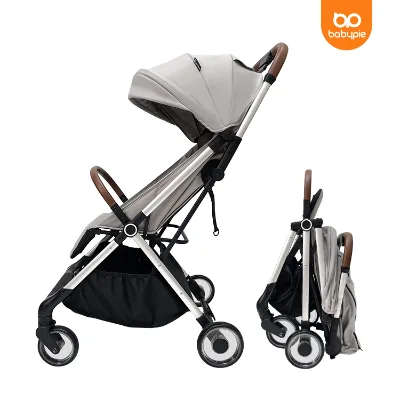

Compact Ergonomic Luxury Lightweight Folding Baby Stroller for Baby and Toddler
$53.00 - $60.00
MOQ: 2 Pieces
Comprehensive Sourcing Guide
Strategic Sourcing Guide for Foldable Luxury Baby Strollers
The global market for foldable luxury baby strollers represents a sophisticated intersection of engineering precision, aesthetic design, and rigorous safety compliance. For procurement professionals and B2B buyers, sourcing these high-value items requires a disciplined approach that moves beyond superficial marketing claims to verify tangible product attributes. The following guide outlines the critical dimensions of sourcing, grounded in observed market data and technical specifications, to ensure the acquisition of premium-quality mobility solutions for infants and toddlers.
Technical Specifications and Dimensional Analysis
The foundation of any luxury stroller procurement lies in the precise interpretation of technical specifications. Unlike mass-market alternatives, luxury models demand exacting standards regarding dimensions, weight, and structural integrity. In the current supply landscape, observed product models exhibit a wide variance in physical footprint, reflecting diverse design philosophies. For instance, specific unit models have been documented with dimensions such as 7450.5102.5 cm, while others present compact profiles like 613043 cm. These variations are not merely aesthetic but dictate the stroller's utility in different environments, from narrow urban apartments to spacious outdoor parks.
Buyers must scrutinize the "prod_standard" data points, which often represent the folded or operational dimensions. Observed data includes measurements ranging from 502892 cm to larger configurations like 990(height)*895(length)*570(width) mm. The consistency of these figures is paramount; a discrepancy between the listed dimensions and the physical product can indicate manufacturing inconsistencies. Furthermore, the weight of the unit is a critical differentiator. Luxury strollers often balance durability with portability, with observed gross weights hovering around 9 kg, while other models are noted at 8.7 kg. This weight range suggests a focus on alloy frames and high-grade materials that maintain structural rigidity without becoming cumbersome for the user.
The following table summarizes observed dimensional and weight specifications to assist in comparative analysis:
| Product Model Reference | Observed Dimensions (cm/mm) | Observed Weight | Frame Material |
|---|---|---|---|
| T310-2-#4216 | 7450.5102.5 cm | N/A | Alloy |
| 2603041309 | 95X46X61 CM | N/A | Alloy |
| S66 big animal | 990895570 mm | N/A | Alloy |
| LY-600 | 613043 cm | N/A | Alloy |
| GYT-916-2 | 79.52255 cm | N/A | Alloy |
| JM-666-3 | 502892 cm | N/A | Alloy |
| GS-ML1 | 874551 cm | 8.7 kg | Alloy |
Material Composition and Functional Attributes
The "luxury" designation in baby strollers is inextricably linked to the quality of materials used in construction. Buyers should verify the composition of the fabric, frame, and wheels, as these components directly influence the user experience and product longevity. The observed market data highlights a preference for high-performance fabrics such as Linen and Oxford cloth. These materials are selected for their durability, ease of cleaning, and aesthetic appeal, often available in a palette including Wine, Blue, Grey, Brown, and Black. The ability to customize color and pattern is a significant value-add, allowing retailers to tailor products to specific regional trends or brand identities.
Structural integrity is primarily derived from the frame material. The consistent observation of "Alloy" frames across multiple models indicates a standard commitment to lightweight strength. Alloy frames offer a superior strength-to-weight ratio compared to standard steel, facilitating the "foldable" requirement without compromising safety. Additionally, the wheel system is a critical functional attribute. The data points to the use of EVA or Rubber wheels, which provide a smooth ride on various terrains while minimizing noise and vibration. The canopy system also plays a role in the luxury experience, with some models offering a 4-position adjustment capability to ensure optimal sun protection and airflow.
Breathability and convenience are other key attributes observed in high-end units. Products are frequently rated with "Excellent" breathability and "Good" convenience scores, suggesting that the design prioritizes the comfort of the child and the ease of use for the caregiver. The packing method, typically utilizing Brown Cartons with 1 to 2 pieces per carton, reflects a logistics strategy designed to minimize damage during transit while maintaining a professional presentation for the end consumer.
Compliance, Certification, and Safety Verification
In the realm of baby products, compliance is not optional; it is the baseline for market entry. While specific certification names are not universally listed in the provided data, buyers must operate under the assumption that all imported strollers must meet the rigorous safety standards of their target market. The origin of these products is predominantly China, with specific manufacturing hubs identified in Zhejiang and Hebei provinces. Sourcing from these regions requires a heightened focus on verifying that the supplier adheres to international safety protocols.
Buyers should verify that the strollers comply with relevant standards for structural stability, braking systems, and material toxicity. The "Testing" attribute observed in some records, noted as "1888-2," suggests that specific testing protocols or internal quality benchmarks are being applied. However, this code should not be taken as a universal standard without verification. Procurement teams must request third-party test reports that validate the stroller's ability to withstand impact, tip-over forces, and load-bearing requirements.
Furthermore, the customization options for logos and patterns must be executed using non-toxic inks and dyes. The "Custom-Made" attribute, which includes color, pattern, and logo customization, introduces a layer of complexity to compliance. Buyers must ensure that any custom branding does not obscure safety labels or interfere with the structural integrity of the product. The "Logo: Accept" attribute indicates flexibility, but this flexibility must be managed within a strict quality control framework to prevent non-compliant branding from reaching the market.
Cost Drivers and Pricing Dynamics
Understanding the cost structure of luxury strollers is essential for effective budgeting and margin analysis. The observed price range in the market spans from $14.06 to $105 USD, a significant variance that reflects differences in material quality, brand positioning, and feature sets. The lower end of this spectrum likely corresponds to basic models with standard features, while the upper end represents fully equipped luxury units with advanced suspension, premium fabrics, and complex folding mechanisms.
Several factors drive these costs. First, the use of alloy frames and high-grade fabrics like Oxford or Linen increases the base material cost. Second, the complexity of the folding mechanism and the number of adjustable positions (such as the 4-position canopy) add to the manufacturing expense. Third, customization services, including custom logos and colors, incur additional tooling and labor costs. The Minimum Order Quantity (MOQ) also plays a role in pricing; observed MOQs range from 1 to 1096 units. Lower MOQs may result in higher per-unit costs due to the inefficiencies of small-batch production, whereas larger orders can leverage economies of scale to reduce the unit price.
Buyers should analyze the total landed cost, which includes the unit price, shipping, tariffs, and insurance. The "Product Gross Weight" of approximately 9 kg per unit significantly impacts freight costs, especially for air freight. Sea freight is generally more cost-effective for large orders, but the volume and weight of the cartons must be calculated accurately to optimize container utilization.
Supplier Evaluation and Origin Verification
Selecting the right supplier is a critical step in the procurement process. The data indicates that the primary manufacturing origins are in China, specifically in the provinces of Zhejiang and Hebei. These regions have established ecosystems for baby product manufacturing, but the quality of suppliers can vary widely. Buyers should evaluate suppliers based on their production capacity, quality control systems, and ability to meet customization requests.
When evaluating a supplier, buyers should request evidence of their manufacturing capabilities, including factory audits and quality management system certifications. The "Customization: Available" attribute suggests that many suppliers are willing to adapt their products, but the buyer must assess the supplier's responsiveness and technical expertise in handling these requests. The "Convenience: Good" and "Breathability: Excellent" attributes observed in the data should be treated as claims that require verification through sample testing rather than accepted as universal truths.
Additionally, the packing method, described as "Carton" or "Brown Carton 1PC/CTN," is an indicator of the supplier's attention to detail. Robust packaging is essential to prevent damage during international shipping. Buyers should inspect the packing standards of potential suppliers to ensure that the products arrive in pristine condition. The "Testing: 1888-2" observation suggests that some suppliers have internal testing protocols, but external validation is necessary to confirm these standards meet international requirements.
Quality Control and Long-Term Procurement Strategy
Implementing a robust quality control (QC) strategy is vital for maintaining the integrity of the luxury stroller brand. Given the safety-critical nature of baby products, QC should be conducted at multiple stages: raw material inspection, in-process manufacturing checks, and final pre-shipment inspections. Buyers should focus on verifying the structural integrity of the alloy frames, the durability of the fabric, and the smooth operation of the folding mechanism.
Long-term procurement considerations involve building a sustainable relationship with suppliers who can consistently deliver high-quality products. This includes establishing clear communication channels, agreeing on quality benchmarks, and implementing a feedback loop for continuous improvement. The ability to customize products, as indicated by the "Custom-Made" and "Logo: Accept" attributes, offers a strategic advantage for buyers looking to differentiate their offerings in a competitive market. However, this customization must be managed carefully to avoid compromising quality or safety.
Buyers should also consider the lifecycle of the product. Luxury strollers are expected to last through multiple children or be resold, which requires high durability. The "Wheels: EVA/Rubber" and "Fabric: Linen/ Oxford" selections observed in the market are indicative of a focus on longevity. By prioritizing suppliers who demonstrate a commitment to these high-quality materials and rigorous testing, buyers can ensure that their products meet the expectations of discerning consumers and maintain a strong reputation in the marketplace.
Conclusion
Sourcing foldable luxury baby strollers requires a meticulous approach that balances technical specifications, material quality, and compliance requirements. The observed data provides a snapshot of the current market, highlighting the diversity in dimensions, weights, and features available. By focusing on alloy frames, high-grade fabrics, and rigorous safety testing, buyers can identify suppliers that deliver on the promise of luxury and safety. The cost dynamics, driven by material choices and customization options, must be carefully managed to ensure profitability without compromising quality. Ultimately, a successful procurement strategy relies on thorough supplier evaluation, strict quality control, and a clear understanding of the technical and regulatory landscape.
FAQs
What dimensions are available for foldable luxury baby strollers?
Available dimensions vary significantly, ranging from compact 61*30*43 cm units to larger configurations like 990*895*570 mm. Buyers must verify specific product standards as measurements differ by model, impacting storage and transport utility.
Which frame materials are used in these luxury strollers?
Most observed models utilize alloy frames to balance lightweight portability with structural strength. This material choice supports the foldable design while maintaining durability, often paired with EVA or rubber wheels for smooth operation.
Can buyers customize colors and logos on these strollers?
Customization is available for color, pattern, and logo application on many models. Buyers should note that customization requires non-toxic inks and must not obscure safety labels or compromise the structural integrity of the product.
What is the typical weight range for these units?
Observed gross weights hover around 9 kg, with some specific models noted at 8.7 kg. This weight range reflects the use of alloy frames and high-grade materials designed for portability without sacrificing safety standards.
How are these strollers packaged for international shipping?
Products are typically packed in brown cartons, with quantities ranging from 1 to 2 pieces per carton. This packaging method aims to minimize damage during transit while ensuring a professional presentation for the end consumer.
Which fabric types are commonly used for the stroller seats?
High-performance fabrics such as Linen and Oxford cloth are commonly used for their durability and ease of cleaning. These materials are often available in various colors including wine, blue, grey, brown, and black.