Source Ford Valve Cover for Engines, Cars, and Repairs
Compare 30 Ford Valve Cover options from verified suppliers. Buyers can review specifications, prices, and fitment details for various engine models and vehicle applications to find the right replacement part; compare the available evidence and request quotations based on your requirements.
Key considerations
Products List


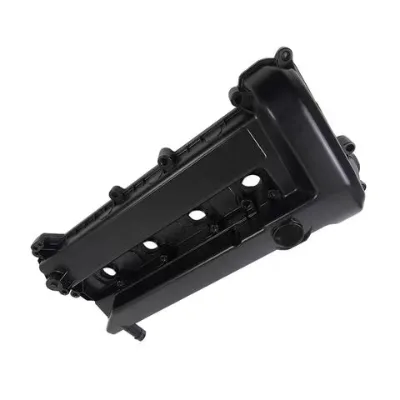
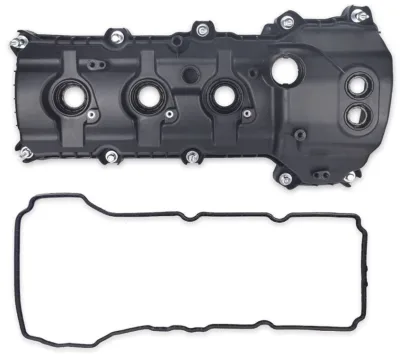
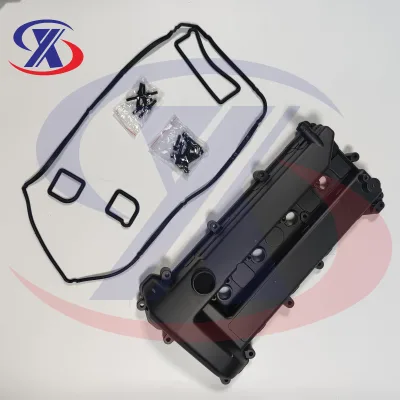
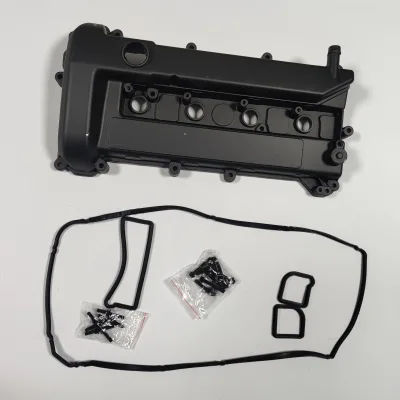
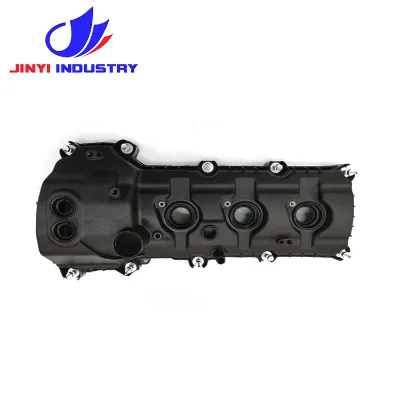
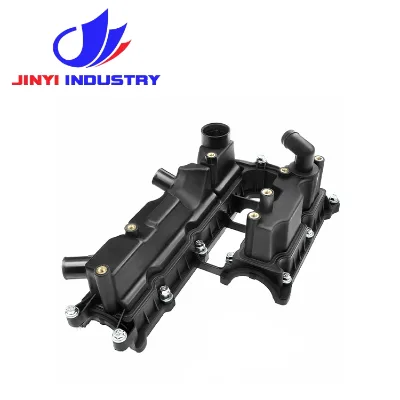
1s7g-6K272-Ae Aluminum Engine Valve Cover for Ford 1s7g-6m293-Bl 1s7g6K272ae
$19.50 - $22.50
MOQ: 20 Pieces






$1.00 - $10.00
MOQ: 1000 Pieces

$1.00 - $10.00
MOQ: 1000 Pieces

$1.00 - $10.00
MOQ: 1000 Pieces

$1.00 - $10.00
MOQ: 1000 Pieces

$1.00 - $10.00
MOQ: 1000 Pieces

Comprehensive Sourcing Guide
Ford Valve Cover Sourcing Guide
Procuring a Ford Valve Cover requires precise alignment between the component's physical specifications and the vehicle's original engineering data. Buyers must first verify the exact OE number, such as 5S6G6M293AKLZ or L35G10210Z, to ensure compatibility with specific Ford Focus models. The observed market data indicates that these components are often designed to replace or repair existing assemblies, necessitating a strict check against the engine model and year range to prevent fitment errors.
The sourcing landscape reveals a diverse range of product attributes, including materials like iron and metal, alongside various finishing options such as black, white, or orange. While some listings specify a "Standard Component" status, others highlight customizability in color and packaging. Buyers should prioritize suppliers who explicitly state the condition as "New" and confirm the technical production method, such as casting, to ensure the structural integrity required for high-temperature engine environments.
Product Scope and Observed Listing Signals
The available inventory demonstrates a clear segmentation based on vehicle fitment, ranging from specific Ford applications to broader categories like Toyota or general small gasoline engines. Listings for Ford components often reference specific engine power outputs, such as 6.5HP to 10HP, which helps distinguish between heavy-duty industrial applications and standard automotive replacements. This variation requires buyers to carefully cross-reference the "Car Fitment" attribute with their specific fleet or repair needs to avoid purchasing incompatible units.
Observations of packaging and logistics signals indicate that suppliers frequently offer neutral packing or client-specific requirements, with some items shipped in boxes while others use negotiated methods. The single package size and gross weight data, such as 80x60x60 cm and 2.000 kg, provide critical baseline information for calculating freight costs and warehouse storage requirements. Buyers must account for these logistical variables early in the procurement process to ensure that the total landed cost remains within budgetary constraints.
Technical Specifications to Verify
Technical verification begins with confirming the OE number and model designation, as the market contains entries for both 55564395 and 1120128014, which may serve different vehicle platforms. The "Same as OE" size specification is a common claim, yet buyers must physically validate dimensions against the original part to ensure proper sealing and gasket alignment. Relying solely on the "Standard" classification without dimensional cross-checks can lead to installation failures, particularly in older models where tolerances may have shifted over decades.
Material composition and manufacturing techniques are equally critical, with iron and metal casting being the primary methods observed in the current supply chain. The "Casting" technique suggests a specific metallurgical process that impacts durability and heat resistance, which are vital for valve cover performance. Buyers should request detailed material certificates or mill test reports to confirm that the metal composition meets the necessary standards for engine longevity, especially when sourcing for high-performance or heavy-duty applications.
Compliance and Safety Documentation
While some listings mention ISO certification, the specific standard or scope of this certification is not universally defined across all suppliers in the observed data. Buyers must explicitly request the full certification document to verify that the manufacturing facility adheres to recognized quality management systems, rather than accepting a generic claim. This due diligence is essential for ensuring that the production process maintains consistent quality control, which directly correlates to the reliability of the valve cover in operational conditions.
Safety and compliance also extend to the warranty and after-sales service terms, which are frequently listed as "Negotiated" or fixed at one year. A clear warranty agreement defines the supplier's liability for defects and outlines the process for claims, providing a safety net for procurement teams. Buyers should ensure that the warranty terms are documented in the final contract, specifying coverage for material failures or manufacturing defects to protect against unexpected replacement costs.
Cost Drivers and Commercial Terms
The commercial landscape for valve covers is influenced by a wide range of factors, including the observed price variance from 0.07 to 95 USD and varying minimum order quantities. The MOQ of 20 units is a common threshold, but some suppliers may require up to 1000 units, significantly impacting the initial capital outlay for buyers. Understanding these volume thresholds is crucial for optimizing inventory levels and balancing the cost per unit against the total investment required for a complete order.
Lead times and production schedules, such as the observed 30-day timeframe, play a significant role in the total cost of ownership and supply chain planning. Buyers must factor in these production durations when scheduling maintenance or repair projects to avoid delays that could halt vehicle operations. Additionally, the "to be negotiated" nature of packing and shipping terms means that logistics costs can fluctuate, requiring a detailed review of the Incoterms to accurately forecast the final expense.
Supplier Qualification and Quality Control
Supplier qualification should focus on verifying the origin of the product, with Zhejiang and Chongqing, China, being the primary locations identified in the market data. Buyers must assess the logistical capabilities of suppliers in these regions to ensure they can meet delivery schedules and handle the specific packaging requirements, such as neutral or client-branded boxes. The ability to provide consistent "Standard" quality across batches is a key indicator of a supplier's maturity and reliability in the automotive parts sector.
Quality control processes must be validated through on-site audits or third-party inspection reports, particularly given the "Casting" and "Metal" attributes of the product. Buyers should inquire about the specific testing protocols used to verify the structural integrity of the valve cover, ensuring that the casting process does not introduce porosity or weak points. Establishing a clear quality assurance framework with the supplier helps mitigate the risk of receiving substandard components that could fail prematurely in service.
Long-Term Procurement Checks
Establishing a long-term relationship with a supplier requires regular performance reviews based on delivery consistency, product quality, and responsiveness to issues. Buyers should track the success rate of the "1 Year" warranty claims to gauge the actual durability of the components provided, rather than relying solely on the stated warranty period. This data-driven approach allows procurement teams to identify reliable partners who consistently deliver parts that meet the "New" condition and "Standard Component" specifications.
Future procurement strategies should also account for potential changes in the supply chain, such as shifts in raw material costs or manufacturing locations. Monitoring the "After-sales Service" negotiation trends can provide early warnings of potential disruptions or changes in support levels. By maintaining a dynamic view of the market and supplier performance, buyers can adapt their sourcing strategies to ensure a stable supply of Ford valve covers that meet the evolving needs of their operations.
FAQs
How can I verify a Ford Valve Cover matches my engine before ordering?
Check the original equipment number on your current part against the supplier listing, such as 5S6G6M293AKLZ for certain Ford Focus applications. Confirm the engine model, mounting points, and gasket layout, then request dimensional drawings or samples. Suppliers typically accept neutral-packed sample orders so you can physically compare fitment before committing to bulk quantities.
What is the typical minimum order quantity for Ford Valve Cover purchases?
Minimum order quantities vary by supplier and listing, with observed values ranging from single-piece samples up to 1000 units. Many listings start around 20 pieces for stocked items, while customized or cast production runs require higher volumes. Always confirm MOQ in writing, since sample quantities, neutral packaging, and customization options can each affect the minimum the supplier accepts.
Can Ford Valve Cover suppliers provide custom branding or packaging?
Yes, customization is listed as available, and packaging is commonly neutral or prepared according to client requirements. You can usually request your logo, labels, or branded boxes once quantities meet the supplier's customization threshold. Neutral packing is the default for many listings, which suits distributors who resell under their own brand without exposing the original factory source.
What lead time should buyers expect for Ford Valve Cover orders?
Lead times depend on stock availability and whether customization is required. Listings commonly reference around 30 days for production orders, while stocked items in neutral packing may ship sooner. Confirm the schedule in writing before payment, and account for additional time when requesting custom colors, branding, or packaging, since these additions extend processing beyond standard production.
Which Ford Valve Cover materials and manufacturing processes are common?
Metal is the standard material, and casting is a frequently listed production technique for these components. Cast metal valve covers provide durability and dimensional stability for replace or repair purposes. When comparing listings, ask suppliers to state the exact alloy, casting method, and finishing process, then request samples to check surface quality and sealing surfaces before bulk ordering.
What warranty and after-sales terms apply to Ford Valve Cover listings?
Listings commonly state a one-year warranty, with after-sales service described as negotiated between buyer and supplier. Read warranty terms carefully, since coverage for casting defects, fitment problems, and shipping damage may differ. Clarify whether replacement parts, credits, or repairs are offered, and document any issues with photos promptly so claims can be processed within the warranty period.
How do I evaluate Ford Valve Cover quality from a new supplier?
Request material certificates, dimensional checks against original equipment specifications, and ISO certification evidence where available. Order samples in neutral packing and inspect casting surfaces, bolt holes, and sealing areas. Compare several suppliers on price, lead time, and customization capability rather than choosing on cost alone, and start with a small trial order before scaling volumes.
Where are Ford Valve Cover production bases commonly located?
Listed origins include Zhejiang and Chongqing in China, both established regions for automotive component manufacturing. Zhejiang suppliers often serve export markets with neutral packing and customization options, while Chongqing appears on listings for related valve cover components. Comparing suppliers across these regions helps balance pricing, lead times, and minimum order quantities for your specific volume requirements.