Source Foldable Silicone Camping Cup for Hiking, Travel, and Picnics
Explore 30 listings for the Foldable Silicone Camping Cup designed for outdoor adventures. Buyers can compare specifications like capacity, material composition, and customization options from verified suppliers in Zhejiang, China.
Key considerations
Products List
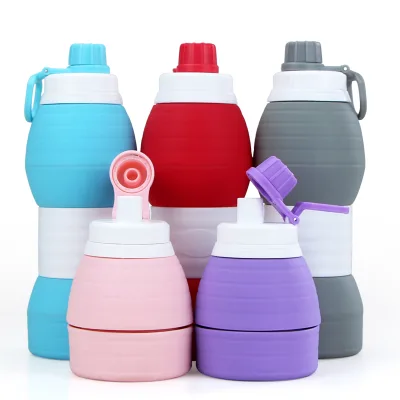


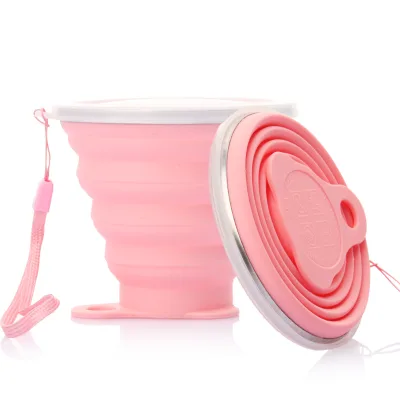


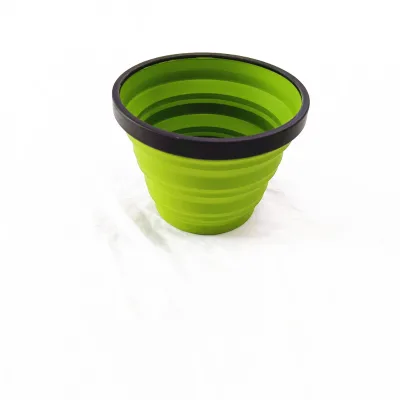
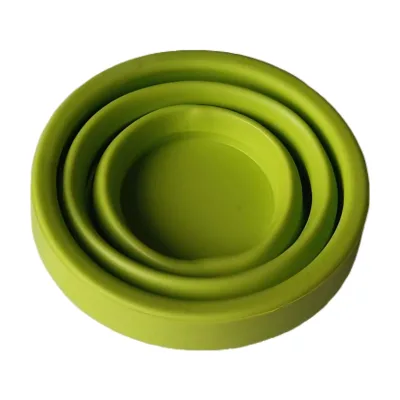
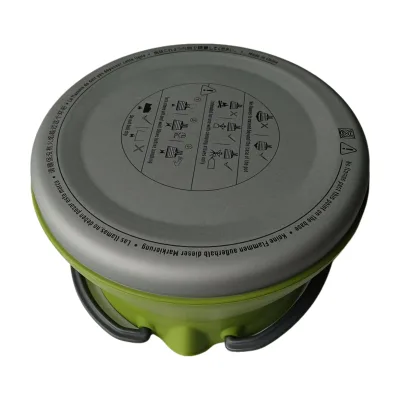
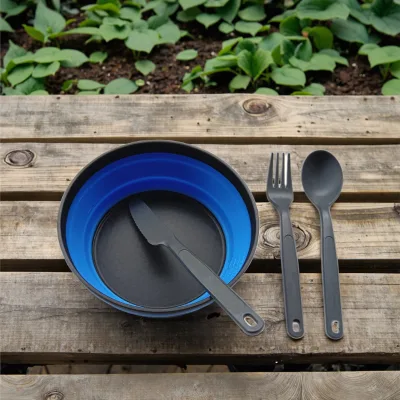
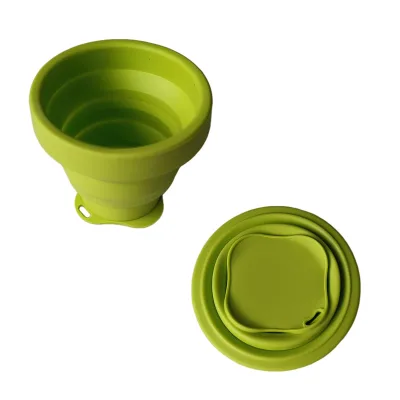
Portable, Bi-Silicone Travel Cup - Silicone Folding Camping Cup with Cover
$1.90 - $2.10
MOQ: 100 Pieces


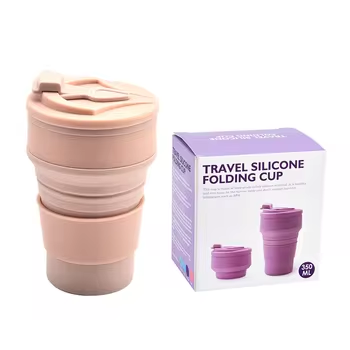
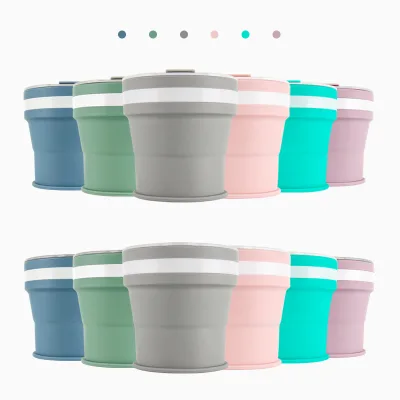



Comprehensive Sourcing Guide
Strategic Sourcing Guide for Foldable Silicone Camping Cups
The global outdoor recreation market has driven a surge in demand for compact, durable, and lightweight hydration solutions. Among these, the Foldable Silicone Camping Cup has emerged as a critical category for travelers, campers, and emergency preparedness kits. Sourcing this specific product requires a nuanced understanding of material science, supply chain logistics, and rigorous quality verification. This guide provides a structured approach for B2B buyers to navigate the procurement landscape, ensuring that the selected products meet functional requirements while adhering to safety and compliance standards.
Understanding Material Composition and Structural Integrity
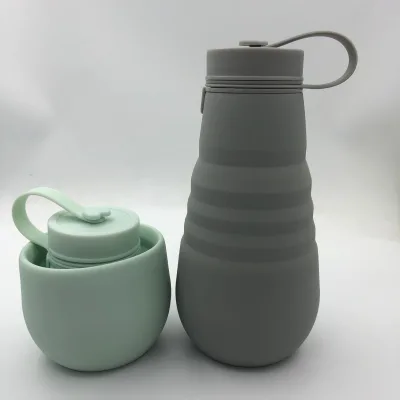
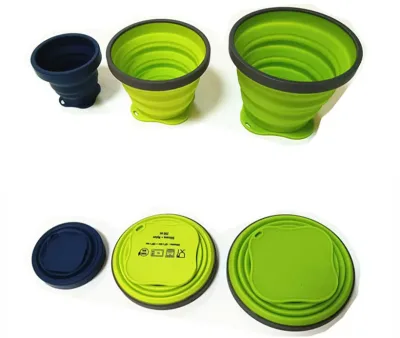
The primary differentiator for a foldable camping cup is the material composition, which dictates its safety, durability, and thermal properties. In the current market, the most prevalent configuration involves a hybrid construction. High-quality units typically combine a rigid structural frame, often made from food-grade silicone or a specific polymer blend, with flexible silicone walls that allow for collapsing.
Buyers must verify the specific material grades listed in supplier documentation. The most reliable specifications indicate a composition of "PP + food grade silicone" or pure "Silicone." Polypropylene (PP) provides the necessary rigidity for the base and rim, ensuring the cup maintains its shape when filled, while food-grade silicone offers the elasticity required for folding. It is critical to distinguish between industrial-grade silicone and food-grade variants. Food-grade silicone must be free from Bisphenol A (BPA) and other harmful plasticizers. The attribute "BPA free" is a standard expectation for this category, but it should be explicitly confirmed in the product data sheet rather than assumed.
Furthermore, the structural design often includes a "Cover" to prevent spills and a "Single-layer" architecture to minimize weight. Some variations may feature a "Metal" component for reinforcement, though this is less common for purely collapsible designs. The absence of a "Handle" is a typical design choice to maximize portability, relying instead on the cup's rim for grip. When evaluating a product, buyers should look for specific model identifiers such as "HG-S17" or "BW-CLO003" to trace the exact manufacturing lineage and ensure consistency in the supply chain.
Technical Specifications and Dimensional Standards
Precision in technical specifications is vital for inventory planning and product positioning. The dimensions of a foldable cup vary significantly between its expanded and collapsed states. A standard expanded size for these units often falls within the range of 80mm in diameter and 220mm in height, with some models offering a capacity of 600ml. However, buyers must be aware that "Size" can be a variable attribute, with some suppliers offering "Customized" dimensions to meet specific branding or volume requirements.
The collapsed dimensions are equally important for logistics. A typical single package size for a folded unit might be approximately 20x12x12 cm, with a gross weight of around 0.500 kg per unit including packaging. The net weight of the product itself can range from 48g for ultra-light travel models to 170g for more robust, larger capacity versions. The shape is predominantly "Round," though "Cartoon" styles or "Unicolor" finishes are available to target different consumer demographics.
When reviewing supplier catalogs, buyers should note the "Single package size" and "prod_packing" details. Standard packing often involves placing one unit in a "Color Box" or a "Clear OPP Bag," with carton quantities typically set at 75 pieces per master carton. Understanding these packaging metrics is essential for calculating shipping costs and warehouse space requirements. The "Model Number" serves as the unique identifier for these specifications; for instance, a model labeled "Foldable Cup-006D" or "XND-C06-red" will have a fixed set of dimensions that should not deviate without explicit customization agreements.
Compliance, Certification, and Safety Verification
Safety compliance is non-negotiable when sourcing products intended for food and beverage contact. The most critical certification for silicone camping cups is the FDA (Food and Drug Administration) approval. This certification verifies that the materials used do not leach harmful substances into food or drink under normal usage conditions. While other certifications like CE or BSCI may appear in supplier marketing materials, they are often secondary to FDA compliance for this specific product category.
Buyers should treat certification claims as observations that require verification. The presence of an "FDA" label in the product data indicates a commitment to safety standards, but it does not guarantee that every batch produced will maintain that status without ongoing testing. It is the buyer's responsibility to request current test reports or certificates of analysis (CoA) from the supplier. The attribute "Disposable: Non-Disposable" is also relevant, as it confirms the product is designed for repeated use, which necessitates higher durability standards than single-use alternatives.
Additionally, the "Quality" attribute is often described as "Best" in supplier listings, but this is a subjective marketing term. Instead of relying on such descriptors, procurement teams should focus on objective standards. The "prod_standard" should align with international food safety regulations. For products originating from major manufacturing hubs like Zhejiang, China, adherence to local and international standards is a baseline requirement. Buyers must ensure that the "Customized" options, such as logos or specific colors, do not compromise the underlying material safety or the integrity of the FDA certification.
Cost Drivers and Pricing Dynamics
The pricing of foldable silicone camping cups is influenced by several key factors, including material costs, customization levels, and order volume. The observed market price range for these items typically spans from $0.30 to $6.67 USD per unit. This wide variance is primarily driven by the complexity of the design, the quality of the silicone used, and the extent of customization.
The Minimum Order Quantity (MOQ) is another significant cost driver. Suppliers generally set MOQs between 50 and 1000 units. Lower MOQs, such as 50 units, are often associated with higher per-unit costs and may be limited to standard, non-customized models. Conversely, orders approaching 1000 units or more can unlock lower price points and access to custom molding services. The "Small Orders: Accepted" attribute indicates flexibility, but buyers should be prepared for a price premium on smaller batches.
Customization is a major cost variable. While "OEM" and "ODM" services are "Acceptable" and "Available," adding custom logos, specific color schemes, or unique structural modifications will increase the unit price. The "Technics" used, such as "Hand-painted" designs, also add labor costs compared to standard injection-molded or unicolor options. Buyers must balance the desire for unique branding with the budget constraints of the project. The "Selling Units" being listed as "Single item" suggests that pricing is typically calculated per unit, but bulk discounts are standard practice for wholesale transactions.
Supplier Evaluation and Production Capabilities
Selecting the right supplier requires a thorough evaluation of their production capabilities and reliability. The "Place Of Origin" for many of these products is Zhejiang, China, a region known for its robust manufacturing infrastructure. However, the location alone does not guarantee quality. Buyers should assess the supplier's ability to handle "OEM/ODM" requests, as this indicates flexibility in adapting products to specific market needs.
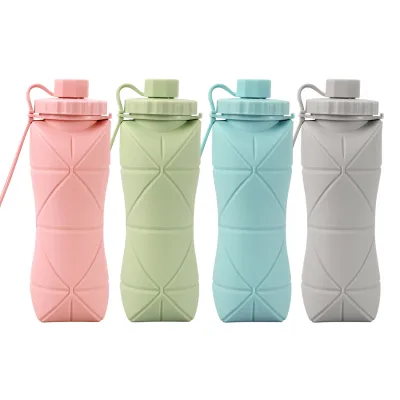
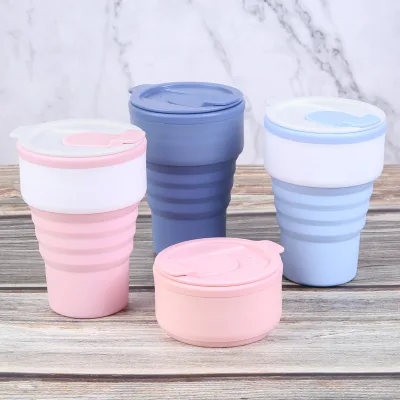
Key evaluation criteria include the supplier's capacity for "Customization" and their track record with "Logo" printing. The ability to produce "Cartoon" styles or specific "Color" variations (Red, Blue, Pink, Purple, Gray) demonstrates a versatile production line. Buyers should also verify the "prod_packing" capabilities to ensure the supplier can meet specific packaging requirements, such as the "OPP bag+color box" standard or custom retail packaging.
It is essential to distinguish between suppliers who offer "Standard" models and those capable of "Customized" specifications. The presence of multiple model numbers, such as "BW-020011" or "BW-03008," suggests a diverse product portfolio. However, buyers must ensure that the specific model they select matches their technical requirements. The "Brand Name" being listed as "OEM" or specific names like "GGGold" can indicate the supplier's willingness to work with private labels or their own branded products. A reliable supplier will provide clear communication regarding lead times and production schedules, even if specific lead time data is not explicitly stated in the initial product listing.
Quality Control and Long-Term Procurement Strategy
Implementing a robust quality control (QC) strategy is essential for maintaining product integrity. Given the "Foldable" nature of the cups, the most common failure point is the hinge or the folding mechanism. Over time, repeated folding can lead to material fatigue or cracking. Buyers should request samples to test the "Collapsible" feature extensively, ensuring the cup returns to its original shape without deformation after multiple cycles.
The "Weight" and "Single gross weight" metrics can serve as indicators of material density and quality. A significant deviation from the stated weight (e.g., 170g vs. 48g) may indicate the use of inferior materials or inconsistent manufacturing processes. Quality control checks should also verify the "Cover" functionality, ensuring it fits securely and prevents leaks.
For long-term procurement, establishing a relationship with a supplier who offers "Customized" solutions can provide a competitive advantage. This includes the ability to adjust the "Size" or "prod_standard" to meet evolving market trends. However, buyers must remain vigilant about the "Standard" attributes, ensuring that any customization does not compromise the "FDA" certification or the "BPA free" status. Regular audits and third-party testing should be incorporated into the procurement contract to ensure ongoing compliance.
Application Scenarios and Market Positioning
Foldable silicone camping cups are versatile products suitable for a wide range of applications. The primary use case is "Travel Drinking Water," making them ideal for hikers, campers, and backpackers who prioritize weight and space savings. The "Single-layer Ceramic Cup" attribute found in some listings may refer to a specific design aesthetic or a misclassification, as the core material is typically silicone; buyers should clarify this to avoid confusion.
Beyond outdoor recreation, these cups are increasingly used in emergency kits, festivals, and as promotional items. The "Cartoon" style and "Various Colors" options make them attractive for children's products or branded giveaways. The "Handle: without Handle" design is particularly suited for compact storage in backpacks or car cup holders. Understanding these applications helps buyers position the product effectively in their target market.
The "Feature" set, including "Foldable," "Portable," and "BPA free," directly addresses consumer concerns regarding convenience and safety. By aligning the product specifications with these key features, buyers can ensure their inventory meets the high expectations of modern consumers. Whether for a niche outdoor brand or a mass-market retailer, the Foldable Silicone Camping Cup offers a compelling value proposition when sourced correctly.
Conclusion
Sourcing foldable silicone camping cups requires a meticulous approach that balances technical specifications, safety compliance, and cost efficiency. By focusing on verified material grades like food-grade silicone and PP, ensuring FDA certification, and understanding the nuances of customization and packaging, buyers can build a reliable supply chain. The wide range of available models and colors allows for diverse market positioning, from ultra-light travel gear to branded promotional items. Ultimately, success in this category depends on rigorous supplier evaluation and a commitment to maintaining high quality standards throughout the product lifecycle.
FAQs
What materials are used for foldable silicone camping cups?
These cups typically combine PP and food-grade silicone for durability and safety. The material composition ensures the cup remains rigid when filled while allowing it to collapse for storage. This hybrid construction is standard for maintaining shape and flexibility during travel.
Can I customize the logo and color of these cups?
Yes, customization is available for logos and colors like red, blue, pink, purple, and gray. Suppliers accept OEM and ODM requests to tailor the product to your brand. Customization options include hand-painted designs and specific color schemes to match your marketing needs.
What is the typical capacity and size of these cups?
Standard models often feature a 600ml capacity with dimensions around 80mm by 220mm. Some compact variants have a diameter of 7.5cm and a height of 7.2cm. Customized sizes are also available to meet specific volume requirements for different user groups.
Which certifications ensure the safety of these silicone cups?
FDA certification is the primary standard verifying that materials are safe for food contact. The cups are BPA free and designed for non-disposable repeated use. Buyers should verify current test reports to ensure ongoing compliance with these safety standards.
How does the packaging affect shipping and storage?
Each unit is packed in a color box or clear OPP bag, with 75 pieces per master carton. The single package size is approximately 20x12x12 cm, and the gross weight is 0.500 kg. This packaging structure optimizes space for logistics and protects the product during transit.
What is the minimum order quantity for these products?
The minimum order quantity ranges from 50 to 1000 units depending on the supplier. Lower MOQs are often available for standard models, while custom orders may require higher volumes. Small orders are accepted but may carry a higher per-unit cost.
Where are these foldable cups typically manufactured?
Most units originate from Zhejiang, China, a major manufacturing hub for these products. The location indicates access to robust supply chains and production capabilities. Buyers should verify the specific place of origin to ensure consistency in quality and logistics.