Source Foldable Seat Walking Stick for Hiking, Travel, and Daily Use
Explore 30 options for a Foldable Seat Walking Stick designed for outdoor stability and indoor convenience. Compare specifications such as aluminum alloy construction, weight capacity, and customization availability to find the right mobility aid for your needs; compare the available evidence and request quotations based on your requirements.
Key considerations
Products List


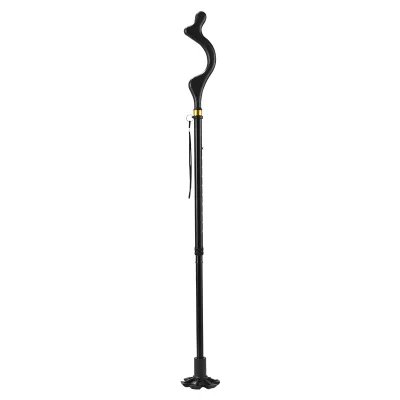


Adjustable Height Walking Stick with Seat Aluminum for Seniors and Hikers
$5.00 - $5.70
MOQ: 200 Pieces
Comprehensive Sourcing Guide
Foldable Seat Walking Stick Sourcing Guide
Buyers must first distinguish between single-foot and multi-foot configurations, as the observed listings reveal distinct functional profiles for different user needs. The data indicates a clear split between single-foot canes designed for basic stability and multi-foot variants offering enhanced rehabilitation therapy support. This distinction dictates the primary application environment, with some units explicitly rated for both indoor and outdoor use while others are optimized for specific outdoor terrains. Understanding this categorization is the first step in aligning product selection with the intended mobility requirements of the end-user.
Procurement teams should also evaluate the customization landscape, noting that while some suppliers offer welcome custom designs, others strictly provide non-customized standard models. The availability of customization directly impacts lead times and minimum order quantities, which vary significantly across the observed range of one to three hundred units. Buyers need to determine early whether a standardized inventory is sufficient or if specific branding and ergonomic adjustments are required to meet their distribution strategy. This decision will fundamentally shape the commercial terms and the timeline for the initial procurement cycle.
Product Scope and Observed Listing Signals
The market for foldable seat walking sticks presents a diverse range of models, including specific identifiers like RJ947, SZD-03, and FY911L series, each with unique dimensional profiles. Listings show seat heights around 45 cm and seat lengths of 24 cm, providing a baseline for ergonomic assessment. However, folded sizes vary, with some units measuring 26 by 84 cm while others differ, requiring buyers to verify the compactness of the folded state against their storage and transport constraints. This variation necessitates a careful review of the physical dimensions before committing to a bulk order.
Material composition is another critical signal, with aluminium alloy being the predominant material observed across the product range. Specific standards such as Aluminum Alloy 6005 are cited for certain models, suggesting a focus on durability and weight reduction. The net weight of units is observed around 1.12 kg, which is a key factor for users requiring lightweight mobility aids. Buyers should verify that the specific alloy grade matches the intended load-bearing requirements, as the general category supports a weight capacity of up to 100 kg, but individual model performance may vary.
Technical Specifications to Verify
Pipe thickness is a vital structural parameter that buyers must confirm, as the observed data lists a specific thickness of 1.2 mm for certain models. This dimension directly correlates with the structural integrity and longevity of the walking stick under daily stress. While some listings mention adjustable standards, others provide fixed dimensions, requiring verification that the mechanism for adjustment or folding does not compromise the tube strength. Ensuring the pipe thickness meets the necessary safety margins is essential for preventing structural failure during use.
The handle type and leg configuration are equally important technical details that influence user comfort and stability. Foam handles are noted in the listings, offering a specific tactile experience that may be preferred for extended use. Additionally, the leg count varies, with some products featuring three legs for enhanced stability, while others remain single-foot designs. Buyers must verify that the leg configuration aligns with the user's balance capabilities and that the folding mechanism, where applicable, operates smoothly without creating pinch points or instability.
Compliance and Safety Documentation
Certification status is a primary indicator of product safety and regulatory compliance, with ISO, CE, and RoHS certifications appearing in the observed data. These certifications suggest that the products meet international standards for quality management, electromagnetic compatibility, and restriction of hazardous substances. However, the presence of these certifications on some listings does not guarantee their presence on all models, so buyers must explicitly request proof of certification for the specific SKUs they intend to purchase. Relying on general category knowledge without verifying specific documentation can lead to compliance gaps in the target market.
Warranty terms provide a secondary layer of assurance regarding product reliability and manufacturer confidence. The observed listings consistently mention a one-year warranty starting from the shipment date, which is a standard commercial term in this sector. Buyers should scrutinize the specific conditions of this warranty, including what constitutes a defect versus normal wear and tear, and whether the warranty covers the folding mechanism or seat structure specifically. Clear documentation of these terms is necessary to manage risk and ensure that the supplier honors their commitments regarding product performance over the warranty period.
Cost Drivers and Commercial Terms
Pricing in this category exhibits a wide range, observed from 0.01 to 55 USD, driven by factors such as material grade, customization level, and order volume. The minimum order quantity varies from one unit to three hundred, allowing for flexibility but also influencing the per-unit cost significantly. Buyers must analyze the total cost of ownership, considering that lower MOQs might result in higher unit prices, while larger orders could unlock better pricing tiers but require greater capital commitment. Understanding these cost drivers is essential for budgeting and negotiating effectively with potential suppliers.
Packaging and logistics details also play a significant role in the final landed cost and operational efficiency. Listings indicate packaging in cartons or paper cartons, with specific dimensions like 85 by 26 by 40 cm for bulk shipments containing ten pieces per carton. These packaging specifications affect the number of units that can be shipped per container, directly impacting freight costs. Buyers should verify the exact packaging dimensions and weight to optimize container utilization and ensure that the products arrive without damage, as improper packaging can lead to costly returns or replacements.
Supplier Qualification and Quality Control
Geographic origin is a key factor in supplier qualification, with production centers identified in Hengshui City, Hebei Province, Zhejiang, and Foshan, Guangdong. These regions are known for their manufacturing capabilities in aluminium products, but buyers should verify the specific factory capabilities and quality control processes of the supplier. The presence of multiple origin points suggests a competitive market, but it also requires due diligence to ensure that the specific factory meets the buyer's quality standards. Establishing a clear relationship with a qualified supplier in one of these regions is crucial for consistent product quality.
Quality control protocols should be rigorously defined, particularly regarding the folding mechanism and seat stability. Since the products are designed for rehabilitation and walking aid, any failure in the folding mechanism could pose a safety risk. Buyers should request detailed quality control reports that include stress testing results for the seat and the locking mechanisms. Additionally, verifying the supplier's ability to maintain consistent production standards across different batches is essential to prevent quality drift over time, ensuring that every unit meets the specified weight capacity and structural requirements.
Long-Term Procurement Checks
Sustainability and supply chain resilience are critical considerations for long-term procurement strategies in the mobility aid sector. Buyers should assess the supplier's ability to maintain consistent production volumes and their contingency plans for raw material shortages, particularly for aluminium alloys. The observed data shows a reliance on specific standards and materials, making it important to ensure that the supply chain is robust enough to handle fluctuations in demand without compromising product quality. A resilient supply chain ensures that the buyer can meet ongoing customer needs without interruption.
Continuous performance monitoring is necessary to maintain high standards over the lifecycle of the procurement relationship. Buyers should establish regular review cycles to assess product performance, warranty claims, and customer feedback. This proactive approach allows for early identification of any recurring issues with specific models or manufacturing batches. By maintaining open communication and setting clear performance metrics, buyers can foster a partnership that prioritizes quality and reliability, ensuring that the foldable seat walking sticks continue to meet the evolving needs of the end-users.
FAQs
What materials are used for foldable seat walking sticks?
These walking aids are typically constructed from high-strength aluminum alloy, such as Aluminum Alloy 6005, to ensure durability while keeping the net weight low around 1.12 kg. This material choice provides a lightweight yet robust frame suitable for both indoor and outdoor rehabilitation therapy supplies, offering reliable support for users requiring a single foot cane or multi-foot cane design.
Can I customize the design of the walking stick?
Yes, customization is available for many models, allowing buyers to request specific designs or branding. While some items are listed as non-customized single foot canes, others welcome custom design requests. This flexibility supports B2B procurement needs, enabling businesses to tailor products like the RJ947 or SZD-03 models to meet specific market requirements or user preferences effectively.
What is the weight capacity for these seated canes?
The weight capacity for these foldable seat walking sticks is generally rated at 100 kg. This specification ensures safe usage for a wide range of adult users. Buyers should verify the specific weight limit for each model, such as the FY911L-2 or c26, as capacities can vary slightly based on the structural design and material thickness, which is often around 1.2 mm.
Are these walking sticks suitable for outdoor use?
Yes, many models are designed for both indoor and outdoor environments. Features like foam handles and sturdy aluminum frames make them suitable for various terrains. Some products are specifically noted for outdoor use, providing stability and a resting seat during walks. This versatility makes them ideal for rehabilitation therapy supplies and daily mobility assistance in diverse settings.
What certifications do these products typically hold?
Products often hold certifications such as ISO, CE, and RoHS, indicating compliance with international quality and safety standards. These certifications are crucial for B2B buyers ensuring regulatory compliance in their target markets. For instance, models originating from Zhejiang or Hebei may carry CE and RoHS marks, providing assurance of material safety and manufacturing quality for global distribution.
How are these items packaged for shipping?
Items are typically packed in cartons or paper cartons, with dimensions varying by model. For example, some packages measure 85*26*40cm containing 10 pieces per carton. This standardized packaging facilitates efficient logistics and storage. Buyers should check specific packing details for models like SHT-323 or SHT-274 to ensure compatibility with their supply chain and distribution requirements.