Source Foldable Rubber Bicycle Mudguards for Road, Mountain, Kids
Explore 30 listings of Foldable Rubber Bicycle Mudguards to compare specifications, materials, and pricing. This guide helps buyers evaluate options for road, mountain, and kids' bikes to find the right fit for their sourcing needs; compare the available evidence and request quotations based on your requirements.
Key considerations
Products List


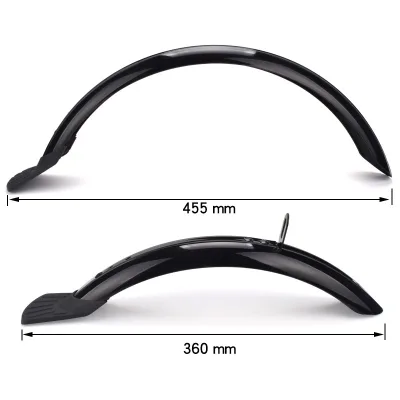


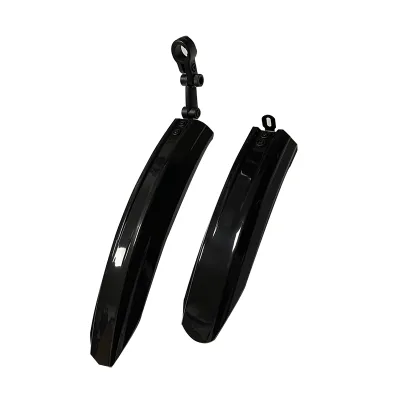
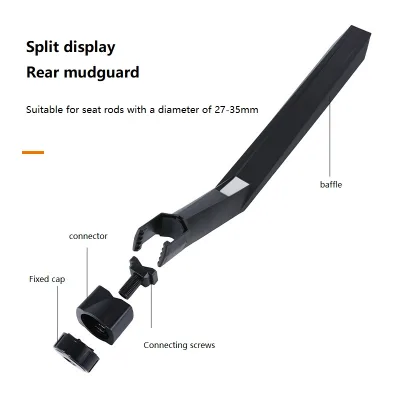
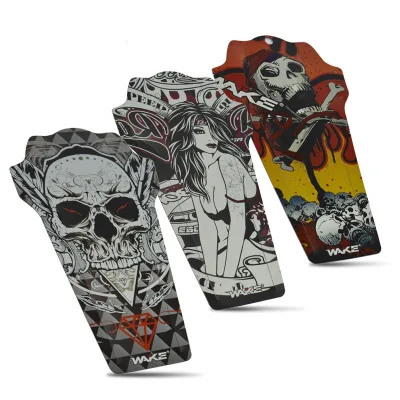
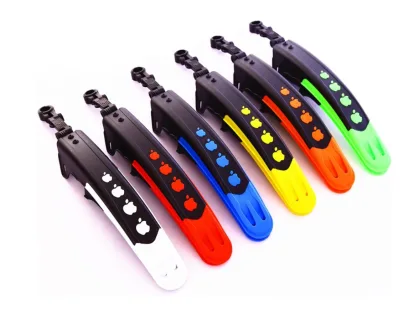
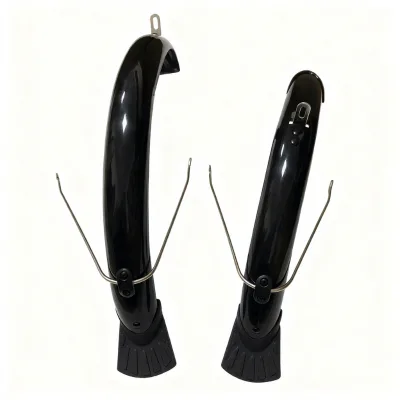


Comprehensive Sourcing Guide
Foldable Rubber Bicycle Mudguards Sourcing Guide
Sourcing Foldable Rubber Bicycle Mudguards requires a nuanced understanding of material flexibility and mounting compatibility. While the core keyword emphasizes rubber, observed market data indicates a significant presence of plastic-based alternatives, such as polypropylene or ABS, which offer different durability profiles. Buyers must distinguish between true rubber compounds and synthetic polymers that mimic flexibility. The observed listings show a wide range of applications, from ordinary bicycles and mountain bikes to road bikes and kids' bikes, suggesting that material choice should align with the specific stress points of the target vehicle type.
The term "foldable" often refers to the mudguard's ability to bend during installation or its collapsible design for storage, rather than the material itself being inherently foldable like a hinge. Procurement teams should verify whether the product is a rigid guard with flexible mounting points or a fully pliable strip. This distinction impacts packaging volume and shipping costs. Additionally, the observed data highlights a strong OEM presence, indicating that many suppliers offer white-label solutions. Buyers seeking branded products should prioritize suppliers with proven customization capabilities to ensure the final product meets specific aesthetic and functional requirements.
Product Scope and Observed Listing Signals
The observed product landscape reveals a diverse array of specifications that buyers must navigate carefully. Listings indicate models such as TJ-MG-001, TJ-DNB-08, and Hc-Pj-151, each potentially serving different wheel sizes and frame geometries. The color options observed include yellow, black, red, and green, with black being a common standard for road and racing bikes. Buyers should note that while some listings specify "foldable," others describe the product as "not foldable," highlighting a critical need to clarify the physical properties of the mudguard before placing an order. This ambiguity can lead to mismatches between expectation and delivery.
Pricing signals in the market range from $0.30 to $5.00 USD, reflecting variations in material quality, thickness, and branding. The minimum order quantities (MOQ) observed vary significantly, from as low as 100 pieces to 1000 pieces, with some suppliers offering free samples to facilitate evaluation. This variability allows buyers to test small batches before committing to larger volumes. However, the presence of both "customized" and "non-customized" attributes suggests that buyers must explicitly state their requirements to avoid receiving generic stock items. Understanding these signals helps in filtering suppliers who can meet specific volume and customization needs.
Technical Specifications to Verify
Verifying technical specifications is paramount when sourcing mudguards, particularly regarding size and material thickness. Observed data lists standard wheel sizes such as 12", 16", 20", 26", and 28", alongside custom sizes. Buyers must confirm that the selected mudguard fits the specific wheel diameter and frame clearance of their target bicycles. The observed thickness range of 0.8-1.0mm provides a baseline for durability, but buyers should request samples to assess flexibility and resistance to cracking under stress. Additionally, frame sizes like 21" and 24" are mentioned, indicating that compatibility with various bike frames is a key consideration.
Material composition is another critical verification point. While the core keyword specifies rubber, observed listings include plastic materials. Buyers should request material safety data sheets (MSDS) or composition certificates to ensure the product meets environmental and safety standards. The observed "universal size" standard suggests some products are designed for broad compatibility, but this often comes at the cost of a perfect fit. Buyers should also verify the mounting mechanism, whether it uses clips, screws, or adhesive, as this affects installation time and long-term security. Clear specification sheets from suppliers are essential to avoid compatibility issues.
Compliance and Safety Documentation
Compliance with international standards is crucial for importing bicycle components, especially those that may come into contact with riders or the environment. Observed certifications include ISOCE and ISO9001:2000, indicating that some suppliers adhere to quality management systems. Buyers should verify the current validity of these certifications, as standards evolve over time. ISO9001:2000 is an older standard, and buyers should inquire if the supplier has upgraded to ISO9001:2015 or other relevant quality frameworks. Ensuring that the supplier maintains up-to-date certifications reduces the risk of non-compliant products entering the supply chain.
Safety documentation should also include information on the materials used, particularly regarding the presence of harmful substances like phthalates or heavy metals in rubber or plastic components. Buyers should request test reports from accredited laboratories to verify that the mudguards meet regional safety regulations, such as REACH in Europe or CPSIA in the United States. Additionally, packaging details, such as carton or polybag packing, should be reviewed to ensure they protect the product during transit and comply with environmental regulations regarding packaging waste. Clear compliance documentation facilitates smoother customs clearance and reduces liability risks.
Cost Drivers and Commercial Terms
Several factors influence the total cost of ownership for Foldable Rubber Bicycle Mudguards, including material costs, manufacturing complexity, and logistics. The observed price range of $0.30 to $5.00 USD reflects these variations. Buyers should consider the cost implications of customization, such as custom colors or logos, which may increase unit prices. The observed MOQ of 300 to 1000 pieces also impacts pricing, with larger orders typically yielding better unit costs. Additionally, the supply ability of 20000 pieces per month indicates that some suppliers have the capacity to handle large orders, which can stabilize pricing and ensure consistent supply.
Commercial terms such as FOB, CNF, and CIF are observed in the market, affecting the final landed cost. Buyers should carefully evaluate these terms based on their logistics capabilities and risk tolerance. The observed delivery time of 25 days after deposit receipt is a key factor in inventory planning. Payment terms like TT and LC are common, and buyers should negotiate terms that align with their cash flow needs. Understanding these cost drivers and commercial terms allows buyers to make informed decisions that balance cost, quality, and supply chain reliability.
Supplier Qualification and Quality Control
Supplier qualification is a critical step in ensuring the reliability of the supply chain for bicycle mudguards. Buyers should verify the supplier's production capabilities, including factory audits and quality control processes. The observed locations in Xingtai, Hebei, and Ningbo, China, indicate key manufacturing hubs. Buyers should assess the supplier's experience in exporting to their target markets and their ability to handle customs documentation. Additionally, the availability of free samples allows buyers to evaluate product quality before committing to large orders. This step is essential for identifying suppliers who can consistently meet quality standards.
Quality control measures should include incoming material inspections, in-process checks, and final random inspections. Buyers should request a detailed quality control plan from the supplier, outlining the steps taken to ensure product consistency. The observed "new" condition attribute suggests that suppliers should provide brand-new products, not refurbished or second-hand items. Buyers should also establish clear acceptance criteria for defects, such as cracks, discoloration, or mounting failures. Implementing a robust quality control process helps minimize the risk of receiving substandard products and ensures customer satisfaction.
Long-Term Procurement Checks
Long-term procurement success depends on continuous monitoring of supplier performance and market trends. Buyers should establish key performance indicators (KPIs) to track supplier reliability, including on-time delivery rates, defect rates, and responsiveness to issues. Regular communication with suppliers is essential to address any emerging challenges and to explore opportunities for cost savings or product improvements. The observed customization options, such as OEM services, suggest that buyers can work with suppliers to develop unique products that differentiate them in the market. This collaborative approach can lead to long-term partnerships and competitive advantages.
Market dynamics, such as changes in material costs or regulatory requirements, can impact the sourcing strategy. Buyers should stay informed about these changes and adjust their procurement plans accordingly. The observed variety in product models and specifications indicates a dynamic market, and buyers should regularly review their product offerings to ensure they remain relevant. Additionally, buyers should consider diversifying their supplier base to mitigate risks associated with single-source dependencies. By maintaining a proactive approach to procurement, buyers can ensure a stable and efficient supply of Foldable Rubber Bicycle Mudguards.
FAQs
Can I get free samples of Foldable Rubber Bicycle Mudguards?
Free samples are available for this product category. Buyers can request a sample to verify quality before placing a larger order. This allows you to test the material and fit without initial financial commitment. Ensure you confirm the specific model requirements when requesting the sample to match your needs.
What certifications do these bicycle mudguards hold?
The products hold ISO certifications including ISOCE and ISO9001:2000 standards. These certifications indicate that the manufacturing processes meet specific quality management requirements. Buyers should verify the exact certification document for their specific order as different models may have varying compliance levels. Always request the certificate copy before finalizing bulk purchases.
Which customization options are available for these mudguards?
Customization is available for this product line, allowing buyers to specify unique requirements. Some items are listed as non-customized while others support custom designs. You can request specific colors like yellow, black, red, or green. Contact the supplier to confirm if your desired model supports the specific customization features you need.
How is the product packed for shipping?
The product is typically packed in carton boxes for protection during transit. Some listings also mention polybag packaging as an alternative option. The packaging details ensure the mudguards arrive in good condition. Buyers should specify their preferred packing method when placing an order to ensure it meets their logistical requirements.
What is the minimum order quantity for these mudguards?
The minimum order quantity varies between 100 and 300 pieces depending on the specific supplier and model. Some listings indicate an MOQ of 300 units while others accept orders starting at 100 pieces. Buyers should check the specific product page for the exact MOQ applicable to their selected model before proceeding with the purchase.
Can I find these mudguards from suppliers in China?
Yes, the products originate from China, specifically from locations like Xingtai, Hebei, and Ningbo. Suppliers in these regions are known for manufacturing bicycle accessories. Buyers can source directly from these factories to ensure authenticity. The port of dispatch is typically Tianjin, facilitating international shipping logistics.
What is the lead time for delivery after deposit?
The delivery time is approximately 25 days after the deposit is received. This lead time applies to standard production cycles for the mudguards. Buyers should plan their inventory accordingly to account for this production duration. Expedited shipping options may be available depending on the specific supplier agreement.