Source Foldable Self Inflatable Air Mattress for Camping, Hiking, and Home Use
Find 30 options for a Foldable Self Inflatable Air Mattress with Storage Bag. Compare specifications including PVC material, size variants, and load capacities to identify suitable suppliers for outdoor and indoor sleeping needs; compare the available evidence and request quotations based on your requirements.
Key considerations
Products List
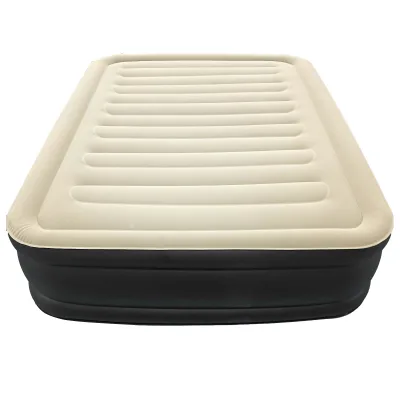


Inflatable Bed Double Size Air Mattress with Built-in Pump Outdoor Camping Mattress
$56.76 - $62.92
MOQ: 300 Pieces

High Quality Air Mattress Inflatable Air Bed for Trip Outdoor Inflatable Bed
$31.52 - $34.92
MOQ: 300 Pieces

Portable Camping Air Mattress with Inflator Pump Foldable Inflatable Bedroom Air Mattress
$56.76 - $62.92
MOQ: 300 Pieces


Inflatable Air Mattress with Convenient Built-in Pump for Quick Setup Air Mattress
$38.87 - $43.08
MOQ: 300 Pieces


Comprehensive Sourcing Guide
Foldable Self Inflatable Air Mattress Sourcing Guide
Buyers must first distinguish between leisure camping mats and medical-grade support units, as the supplied data reveals conflicting product identities ranging from outdoor sleeping pads to abdominal therapy devices. The observed listings include specific dimensions like 203x152.5x51cm for general use, while other entries cite 185x60x8cm or 190x130x4cm, indicating a fragmented market where a single SKU may not satisfy all use cases. Procurement teams should verify the intended application, whether for hiking, home office use, or clinical rehabilitation, before selecting a supplier to ensure the product matches the specific functional requirements of the end-user.
Commercial viability depends heavily on understanding the diverse customization options available, such as logo printing and color selection in blue or gray, which are explicitly noted as available features. However, the presence of varying sample times, ranging from 3-5 days to 5-7 days, suggests inconsistent production readiness among different vendors. Buyers should prioritize suppliers who can clearly articulate their lead times and sample availability to avoid delays in product development, ensuring that the customization process aligns with the tight schedules often required for seasonal outdoor gear or medical equipment launches.
Product Scope and Observed Listing Signals
The market for foldable self-inflating air mattresses presents a wide spectrum of applications, from outdoor camping and hiking to indoor living room use and medical therapy. The observed product attributes confirm that these items are designed for multiple environments, including home offices, bedrooms, and outdoor sites, with specific mentions of usage on the abdomen, back, and joints. This versatility requires buyers to carefully map the product's intended use against the specific claims made by suppliers, ensuring that the "Self-Inflating" or "Self-Inflatable" labels accurately reflect the inflation mechanism and material properties required for the target market.
Listing signals indicate a significant variation in product dimensions and hardness, with some units described as soft and others potentially offering different support levels. The data shows standard sizes like 190x90x6cm and 200x140x15cm, alongside specific medical applications, suggesting that a single product line may not cover all customer needs. Buyers must scrutinize the "Shape" and "Style" attributes, which range from modern leisure designs to functional medical aids, to ensure the selected inventory aligns with the specific aesthetic and functional expectations of their customer base.
Technical Specifications to Verify
Dimensional accuracy is a critical verification step, as the supplied facts list multiple conflicting standard sizes ranging from compact 185x60x8cm units to larger 203x152.5x51cm models. Buyers must confirm the exact thickness and length required for their specific application, noting that some listings specify a thickness of 0.3mm using Taiwan Nanny PVC, while others imply different structural profiles. It is essential to request physical samples to validate that the folded dimensions and packed size, such as the 28x17x18cm color box, match the logistical requirements for shipping and retail display.
Material composition and load-bearing capacity are equally vital, with the data citing PVC materials and varying weight capacities from 130kgs to 300kgs. Procurement teams must verify the specific material grade, such as the mentioned 0.3mm thickness, and ensure it meets the durability expectations for the intended usage frequency. Additionally, the presence of accessories like glue, patches, and hoses must be confirmed, as these components are essential for maintenance and user safety, particularly for products marketed as self-inflating or electric-powered units.
Compliance and Safety Documentation
Safety compliance is paramount, especially given the diverse applications ranging from general leisure to medical support for the skeleton and joints. The observed certifications include CE, RoHS, and ISO, which are critical for entering European and US markets, but buyers must verify that these certifications apply to the specific model and material batch being purchased. It is necessary to request valid test reports that confirm the product meets the stated EU and US standards, ensuring that the PVC material and any electric components, if present, do not pose health risks to users.
Warranty and quality assurance documentation must be clearly defined to protect the buyer from liability and ensure customer satisfaction. The data indicates a 12-month warranty period, which serves as a baseline for supplier commitment, but buyers should negotiate terms that cover specific failure modes like seam leaks or material degradation. Furthermore, verifying the "Condition" as new and ensuring that the product meets the "Quality" standards of the target market is essential, as medical and leisure applications have different regulatory expectations regarding product safety and performance.
Cost Drivers and Commercial Terms
Pricing volatility is a significant factor, with observed ranges spanning from 6.4 to 90 USD, driven by differences in material thickness, size, and customization levels. Buyers must analyze the cost structure to understand why some units are priced significantly higher, potentially due to the use of specialized materials like Taiwan Nanny PVC or the inclusion of electric power supplies. It is crucial to request detailed breakdowns of costs for different sizes and configurations to avoid overpaying for features that may not be necessary for the specific market segment being targeted.
Minimum Order Quantities (MOQ) and sample policies also heavily influence the commercial terms, with observed MOQs ranging from 1 to 1000 units and sample times varying between 3 to 7 days. Buyers should negotiate flexible MOQs to test the market with smaller batches before committing to large production runs, while also ensuring that the sample lead time aligns with their product development timeline. Understanding the packing specifications, such as export cartons or color boxes, is also vital for calculating total landed costs, as packaging dimensions directly impact shipping efficiency and storage requirements.
Supplier Qualification and Quality Control
Supplier qualification requires a thorough assessment of their production capabilities, particularly regarding the customization of logos and colors, which are explicitly noted as available features. Buyers should verify the supplier's ability to handle the "Customized" requirements, ensuring they have the necessary machinery and expertise to apply logos accurately without compromising the structural integrity of the air mattress. Additionally, confirming the supplier's origin in Zhejiang and their experience with export standards is essential for ensuring consistent quality and reliable communication throughout the procurement process.
Quality control protocols must be robust, focusing on the consistency of the folding mechanism and the durability of the PVC material. Buyers should implement pre-shipment inspections to verify that the "Folded" state is secure and that the product meets the specified weight capacity and hardness requirements. It is also important to check the condition of the accessories, such as the glue and patches, to ensure they are sufficient for user repairs. Establishing a clear quality agreement that defines acceptable defect rates and remediation steps is crucial for maintaining brand reputation and customer trust.
Long-Term Procurement Checks
Sustaining a successful supply chain requires regular audits of the supplier's ability to maintain consistent product standards over time. Buyers should monitor the supplier's adherence to the stated certifications and quality standards, ensuring that any changes in material sourcing or production processes do not compromise the product's safety or performance. Regular communication regarding updates in standards or regulations is essential, particularly for products used in medical or high-traffic leisure environments where safety is paramount.
Long-term success also depends on the supplier's ability to adapt to changing market demands, such as new size requirements or evolving material technologies. Buyers should establish a feedback loop to gather insights from end-users regarding the product's performance in real-world scenarios, using this data to drive continuous improvement. By maintaining a proactive approach to supplier management and quality assurance, buyers can ensure a steady supply of high-quality foldable self-inflating air mattresses that meet the evolving needs of their customers.
FAQs
What are the standard dimensions for this air mattress?
The product is available in multiple standard sizes to suit different needs. Common specifications include 203x152.5x51cm for leisure use and 185x60x8cm for compact storage. Other options like 190x130x4cm and 200x140x15cm are also listed. Buyers should verify the exact model number Tba to ensure the selected size matches their specific camping or indoor requirements.
Can I customize the logo and packaging for bulk orders?
Yes, customization is available for bulk purchases. The supplier accepts customized logos and offers export carton or color box packaging options. The minimum order quantity for such customizations is typically 300 pieces. This allows businesses to brand the air mattresses effectively for retail or promotional purposes while maintaining the eco-friendly PVC material quality.
What certifications does the air mattress hold?
The air mattress holds CE, RoHS, and ISO certifications. These standards ensure the product meets European and US quality requirements for safety and environmental compliance. The material used is Taiwan Nanny PVC with a thickness of 0.3mm, supporting healthy sleep and durability. Buyers can rely on these documented certifications for international shipping and regulatory compliance.
How long does it take to produce a sample?
Sample production typically takes 3 to 5 days. For some specifications, the sample time may extend to 5-7 days depending on the complexity. This quick turnaround allows buyers to evaluate the soft hardness, folding mechanism, and overall build quality before committing to larger orders. The sample cost and shipping fees are usually separate from the production lead time.
What is the maximum weight capacity of the mattress?
The maximum load capacity varies by model, with some units supporting up to 300kgs. Other specifications list a weight capacity of 130kgs. Buyers should check the specific model details to ensure the mattress meets their weight requirements. The durable PVC construction and bubble design help distribute weight evenly for comfortable sleeping in various indoor or outdoor settings.
Is the air mattress suitable for all seasons?
Yes, the air mattress is designed for all-season use. It is suitable for camping, hiking, and indoor leisure activities throughout the year. The material provides adequate insulation and comfort for both summer and winter environments. Its foldable design and lightweight nature make it easy to transport and store, ensuring convenience for users regardless of the weather conditions.