Source Food Grade Barrier Sealed Pouch for Food, Medical, Gift
Compare 30 listings for Food Grade Barrier Sealed Pouch options tailored for food, medical, and gift packaging. These customizable bags offer waterproof performance, high barrier protection, and various sealing methods to meet specific sourcing needs.
Key considerations
Products List


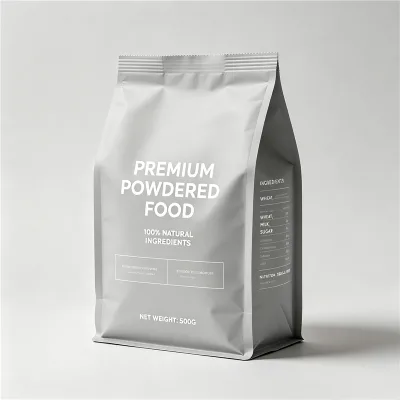
Food Grade BRC Cetificate Zip Lock Bag Food Pouch Stand up Resealable Bag
$0.01 - $0.35
MOQ: 10000 Pieces




Comprehensive Sourcing Guide
Strategic Sourcing Guide for Food Grade Barrier Sealed Pouches
Understanding Technical Specifications and Material Composition
When sourcing food grade barrier sealed pouches, the primary objective is to identify packaging that maintains product integrity against environmental stressors while adhering to food safety regulations. The technical foundation of these pouches lies in their material composition and structural design. Based on available industry data, these products are frequently constructed from composite materials designed to offer high barrier properties. Common material configurations include layers of PET (Polyethylene Terephthalate), Aluminum foil (Al), Nylon (Ny), Retort CPP (Cast Polypropylene), and PE (Polyethylene). This multi-layer structure is critical for achieving the "High Barrier" classification, which protects contents from oxygen, moisture, and light.
The physical form of the pouch is equally significant. The market offers a variety of shapes, including stand-up pouches, three-dimensional bags, and flat pouches. A specific design feature often observed is the zipper closure, which provides a resealable mechanism for consumer convenience and repeated access without compromising the seal integrity. Additionally, the sealing method is typically heat seal, ensuring a hermetic closure that prevents leakage and contamination. The transparency of these bags varies; while some applications require visibility of the product, others necessitate non-transparent materials to protect light-sensitive contents. The standard size range for these pouches can vary from small units like 1oz or 3.5g up to larger formats, with specific dimensions often customized to the client's needs, such as a package size of approximately 33.00cm by 25.00cm.
Compliance, Certification, and Regulatory Verification
For any procurement involving food-grade packaging, verifying compliance with international and local safety standards is non-negotiable. Buyers must ensure that the supplier can provide documentation proving the materials are safe for direct or indirect food contact. The supply chain for these pouches often originates from manufacturing hubs in China, specifically regions like Hebei and Qingdao, which host a dense network of packaging producers.
Certification verification is a critical step in the evaluation process. Reputable suppliers in this sector often hold a portfolio of certifications that validate their quality management systems and material safety. Key certifications to look for include BRC (British Retail Consortium), SGS, ISO (International Organization for Standardization), BSCI (Business Social Compliance Initiative), TUV, DIN, and Bpi. These certifications indicate that the manufacturing facility adheres to rigorous hygiene, quality control, and environmental standards. Furthermore, the inks used for printing on these pouches should be verified as eco-friendly to ensure no harmful substances migrate into the food product.
Buyers should also verify the temperature resistance of the pouches. Depending on the intended storage or processing method, the material must withstand specific thermal ranges. Data suggests that certain high-barrier pouches are rated for temperatures ranging from -18°C to 121°C, making them suitable for frozen storage and retort processing. However, buyers must confirm the specific temperature limits for their specific application, as not all plastic bags are rated for high-heat retorting. The raw materials, such as High Pressure Polyethylene, must be explicitly stated as food-grade in the product specifications.
Cost Drivers and Pricing Variables
The pricing of food grade barrier sealed pouches is influenced by a complex interplay of factors, including material costs, order volume, and customization requirements. The observed market price range for these products is broad, spanning from $0.01 to $4,500. This wide variance is not indicative of a single product type but rather reflects the difference between small sample orders, bulk commodity purchases, and large-scale custom manufacturing runs.
The Minimum Order Quantity (MOQ) is a significant driver of unit cost. While some suppliers advertise "No MOQ" or low thresholds, others enforce strict minimums, such as 1,000 pieces or even up to 50,000 pieces for custom designs. Higher order volumes generally yield lower per-unit costs due to economies of scale in material procurement and production line efficiency. The customization level also impacts price; options for custom printing methods, such as Gravure Printing, and specific color requirements (e.g., up to 10 colors) add to the production complexity and cost.
Additionally, the complexity of the sealing method and the inclusion of features like zippers or specific stand-up mechanisms can increase the unit price. Packaging requirements, such as packing in cartons or standard exporting cartons, also contribute to the final cost. Buyers should note that while some suppliers offer free samples, customized samples may incur a charge, which should be factored into the initial budgeting phase. The lead time, typically ranging from 7 days to 12 days for production and 15-25 days for shipment, also influences the overall cost structure, particularly for time-sensitive orders that may require expedited shipping.
Typical Applications and Industry Use Cases
Food grade barrier sealed pouches are versatile and serve a multitude of industries beyond just food. The application spectrum includes stationery packaging, medical packaging, gift packaging, food packaging, clothing packaging, and cosmetic packaging. This versatility stems from the customizable nature of the bags, which can be tailored to specific product dimensions and protection needs.
In the food industry, these pouches are particularly valued for their ability to preserve freshness. The high barrier properties make them ideal for dry goods, snacks, and ingredients that are sensitive to moisture and oxygen. The "Moisture Proof" and "Bio-Degradable" or "Recyclable" features are increasingly important for brands aiming to meet sustainability goals. The bags are suitable for a wide range of food types, from frozen items requiring low-temperature resistance to retortable meals that undergo high-heat sterilization.
Beyond food, the medical and cosmetic sectors utilize these pouches for sterile packaging and product protection. The ability to create a hermetic seal ensures that medical devices and cosmetic products remain uncontaminated until the point of use. The "Strong Sealing Packaging for Safe Transport" attribute highlights the pouches' utility in logistics, ensuring that products arrive in pristine condition regardless of the shipping duration. The customization of size and material allows manufacturers to design packaging that fits unique product shapes, enhancing shelf appeal and consumer convenience.
Supplier Evaluation and Selection Criteria
Selecting the right supplier requires a thorough evaluation of their capabilities, reliability, and alignment with your specific procurement needs. The first step is to verify the supplier's origin and manufacturing capacity. Many suppliers are based in China, with key manufacturing clusters in Hebei and Qingdao. Buyers should confirm the specific location of the factory to assess logistics feasibility and potential tariffs.
The supplier's ability to offer customization is a key differentiator. Look for suppliers who explicitly state that their printing, size, and material can be customized. The availability of a "Bag Variety" that includes "Your Bag" options suggests a flexible production line capable of meeting unique design requirements. It is also essential to evaluate the supplier's lead time consistency. While some sources indicate a lead time of 7 days, others suggest a range of 7-12 days. Consistency in meeting these timelines is crucial for maintaining inventory levels and supply chain stability.
Quality control processes should be a primary focus. Suppliers should demonstrate a commitment to quality through their certifications and internal testing protocols. The presence of certifications like BRC, SGS, and ISO is a strong indicator of a robust quality management system. Additionally, the supplier's approach to sustainability, such as offering recyclable or bio-degradable options, should be assessed against your corporate social responsibility goals. Finally, consider the shipping terms and lead times for international delivery, which can range from 15 to 25 days, to ensure they align with your distribution schedule.
Quality Control and Long-Term Procurement Considerations
Implementing a rigorous quality control (QC) protocol is essential for maintaining the integrity of food grade barrier sealed pouches. Buyers should establish clear acceptance criteria based on the product specifications, including seal strength, material thickness, and print quality. Regular sampling and testing should be conducted to verify that the pouches meet the required barrier properties and temperature resistance standards. The "Moisture Proof" and "Recyclable" features should be validated through independent testing to ensure they perform as advertised.
For long-term procurement, building a strategic relationship with a reliable supplier is more beneficial than transactional purchasing. This involves negotiating favorable terms for volume discounts, consistent lead times, and priority support during peak seasons. Buyers should also consider the environmental impact of their packaging choices. The availability of eco-friendly inks and recyclable materials can help reduce the carbon footprint of the supply chain. Furthermore, the ability to customize the packaging design allows for brand differentiation and marketing flexibility.
When evaluating long-term viability, consider the supplier's capacity to scale. As your business grows, the supplier must be able to increase production volumes without compromising quality or lead times. The flexibility to adjust MOQs and accommodate custom orders is also vital for adapting to market changes. Finally, maintain open communication channels with the supplier to stay informed about material price fluctuations, regulatory changes, and new technological advancements in packaging that could benefit your operations.
Comparative Analysis of Pouch Features
To assist in decision-making, the following table summarizes key attributes observed in the market for food grade barrier sealed pouches. This comparison highlights the variability in specifications and helps buyers identify the features most relevant to their specific needs.
| Feature Category | Observation A | Observation B | Observation C |
|---|---|---|---|
| Material Composition | High Pressure Polyethylene | PET/Al/Ny/Retort CPP | Composite Packaging Bag |
| Sealing Method | Zipper Closure | Heat Seal | Customized |
| Barrier Properties | Moisture Proof, High Barrier | Moisture Proof, Bio-Degradable | Recyclable, Moisture Proof |
| Customization | Size and Material Customized | Printing Customized | Bag Variety: Your Bag |
| MOQ Range | No MOQ | 1000 PCS | 2 - 50,000 PCS |
| Lead Time | 7 Days | 7-12 Days | 15-25 Days (Shipment) |
| Certifications | BRC, SGS, ISO | BRC, BSCI, TUV | DIN, Bpi |
| Temperature Range | -18°C to 121°C | Standard Plastic | Customized |
| Ink Type | Eco-Friendly | Gravure Printing | 10 Colors Available |
This table illustrates that while core functionalities like moisture proofing and customization are common, specific attributes like material layers, MOQs, and lead times vary significantly. Buyers must carefully match these variables to their operational requirements. For instance, a buyer requiring immediate small-batch production might prioritize suppliers with "No MOQ" and a 7-day lead time, whereas a large-scale manufacturer might opt for a supplier with higher MOQs but lower unit costs and robust certification portfolios. By understanding these distinctions, procurement professionals can make informed decisions that balance cost, quality, and supply chain reliability.
FAQs
What materials are used for food grade barrier sealed pouches?
These pouches are constructed from composite materials like PET, Aluminum foil, Nylon, and PE to ensure high barrier properties. Some variations also utilize High Pressure Polyethylene Plastic for specific applications requiring flexibility and moisture resistance.
Can I customize the size and printing on these pouches?
Yes, customization is available for size, printing, and material specifications to meet unique product needs. Buyers can request specific dimensions and utilize gravure printing with up to ten colors for branding purposes.
What certifications do suppliers typically hold for these bags?
Reputable suppliers often hold certifications such as BRC, SGS, ISO, BSCI, TUV, DIN, and Bpi to validate quality and safety. These credentials ensure the manufacturing facility adheres to rigorous hygiene and international food safety standards.
How long is the lead time for production and shipment?
Production lead times typically range from 7 to 12 days depending on customization requirements. International shipment usually takes an additional 15 to 25 days to reach the destination after the order is completed.
What is the minimum order quantity for these barrier pouches?
Minimum order quantities vary by supplier, with some offering no MOQ while others require 1,000 pieces or more. Higher volumes generally yield lower per-unit costs due to economies of scale in material procurement and production.
Are these pouches suitable for frozen and retort food storage?
Yes, specific high-barrier pouches are rated for temperatures ranging from -18 to 121 degrees Celsius. This makes them suitable for both frozen storage and retort processing methods that require high-heat sterilization.
Which sealing methods are used for these food packaging bags?
Common sealing methods include heat seal and zipper closure to ensure a hermetic and resealable mechanism. These methods prevent leakage and contamination while allowing for repeated access without compromising the bag's integrity.