Source Food Grade Lycopene Tomato Extract for Health Care, Food, and Capsules
Find 30 verified listings for Food Grade Lycopene Tomato Extract suitable for health care products, food applications, and capsule formulations. Buyers can compare specifications like assay methods, packaging options, and customization availability across multiple suppliers.
Key considerations
Products List





Comprehensive Sourcing Guide
Strategic Sourcing Guide for Food Grade Lycopene Tomato Extract
Navigating the global market for Food Grade Lycopene Tomato Extract requires a disciplined approach that balances technical specifications with rigorous supplier verification. As a high-value phytochemical derived from tomatoes, lycopene is sought after for its antioxidant properties and vibrant color, yet the procurement landscape is complex due to variations in extraction methods, concentration levels, and packaging standards. This guide synthesizes observed market data and technical requirements to assist buyers in identifying reliable sources without relying on unverified claims or specific supplier endorsements.
Technical Specifications and Formulation Standards
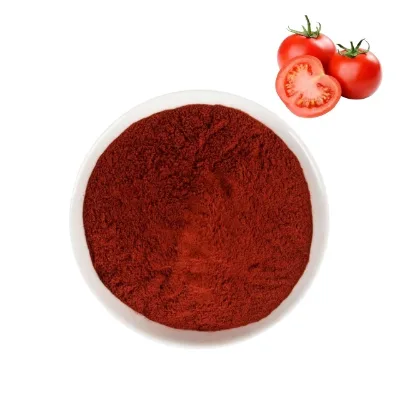
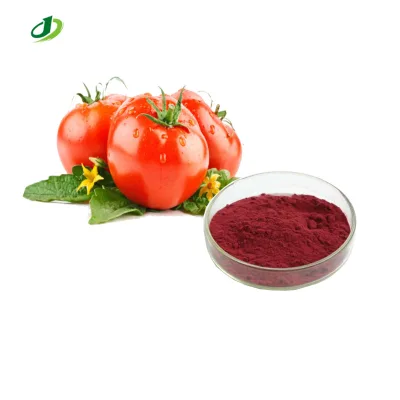
The foundation of any successful procurement strategy lies in a precise understanding of the product's physical and chemical attributes. Based on observed market data, food grade lycopene is primarily available in a powder form, ranging from dark red to reddish-brown in appearance. Some suppliers also offer microencapsulated versions, which can enhance stability and solubility. The CAS number 502-65-8 serves as a critical identifier for this specific compound, ensuring that the material purchased is indeed lycopene and not a related carotenoid or synthetic substitute.
Concentration is a pivotal variable in this category. The market exhibits a wide range of assay values, with observed specifications including 1% models and high-purity variants where the content of active substances exceeds 90%. Buyers must carefully distinguish between raw extract powders and standardized extracts. The standard assay methods utilized in this sector typically include UV (Ultraviolet) spectroscopy and HPLC (High-Performance Liquid Chromatography). These methods are essential for verifying the purity and potency of the shipment. When reviewing product data sheets, procurement teams should verify that the stated assay method matches the testing protocol used by the supplier to ensure data integrity.
Furthermore, the solubility profile is a key technical consideration. While natural lycopene is lipophilic, certain processed forms are described as water-soluble, which significantly expands their application potential in beverages and aqueous food systems. The extraction type is predominantly solvent extraction, often derived from artificial planting of the fruit. Understanding these technical nuances allows buyers to match the product form—whether it is a simple powder or a specialized microencapsulated version—to their specific formulation needs.
Compliance, Certification, and Regulatory Alignment
In the food ingredient sector, compliance is not merely a formality but a prerequisite for market access. The supplied data indicates that reputable suppliers in this space often hold a suite of certifications, including FDA, ISO, HACCP, Halal, and Kosher. The presence of ISO 9001 and ISO 22000 standards suggests a commitment to quality management systems and food safety management, respectively. However, buyers must treat these certifications as observations of specific supplier capabilities rather than universal guarantees for every listed product.
Verification of these credentials is a critical step in the sourcing process. A supplier claiming "Food Grade" status must be able to provide documentation proving that their manufacturing processes adhere to relevant food safety regulations. The distinction between general industrial grade and food grade is significant; the latter requires stricter controls over contaminants and processing aids. Additionally, the origin of the raw material plays a role in compliance. With major production hubs identified in regions such as Shaanxi and Qingdao in China, buyers should ensure that the supply chain from the cultivation site to the final packaging meets the import regulations of their target market.
The certification landscape also includes specific standards for the product itself. While some listings reference a "1%" standard, others may cite different model numbers or purity thresholds. It is imperative for buyers to request the Certificate of Analysis (CoA) for every batch, which should corroborate the claimed certifications and provide batch-specific test results. Relying solely on general marketing claims without verifying the specific CoA for the intended shipment introduces significant compliance risk.
Cost Drivers and Pricing Dynamics
The pricing of food grade lycopene extract is influenced by a complex interplay of factors, including the concentration of active ingredients, the extraction technology employed, and the scale of the order. The observed market price range spans from $1 to $500 USD, a variance that reflects the difference between low-concentration raw powders and highly purified, microencapsulated forms. The "1%" specification listed in some product data suggests a lower-cost entry point, whereas products with active substance content exceeding 90% command a premium price due to the intensive processing required.
Minimum Order Quantity (MOQ) is another significant cost driver. The market data shows an MOQ range from 1 kg to 1000 units, with 1 kg being a common entry threshold for trial orders. This flexibility allows smaller manufacturers to test the product without committing to large inventory volumes. However, economies of scale often apply; purchasing in larger quantities, such as the standard 25 kg drum packaging, typically results in a lower cost per kilogram.
Packaging also impacts the final cost. The standard packaging for these products is the 25 kg drum, often lined with aluminum foil bags or constructed from paper drums to protect the light-sensitive lycopene. The choice between bulk drums and smaller retail-ready packaging, such as aluminum foil bags, will influence the unit price. Buyers should also consider the "in stock" availability mentioned in some listings, as immediate availability can reduce lead time costs, whereas custom orders may incur additional charges for production scheduling.
Typical Applications and Formulation Versatility
The versatility of Food Grade Lycopene Tomato Extract makes it a valuable ingredient across multiple sectors. The primary application areas identified include health care products and general food items. The product is available in various application forms, including capsules, tablets, pastes, and lotions. This diversity allows for its integration into dietary supplements, functional foods, and even cosmetic formulations.
For the food industry, the red coloration of lycopene is often utilized as a natural colorant in beverages, dairy products, and confectionery. The microencapsulated forms are particularly advantageous in these applications as they protect the pigment from oxidation and light degradation, ensuring color stability throughout the product's shelf life. In the health care sector, the high antioxidant activity of lycopene is leveraged in dietary supplements designed to support cardiovascular health and reduce oxidative stress.
The specification of the product must align with the intended application. For instance, a product with a 1% concentration might be suitable for coloring applications where high potency is not required, while a formulation with >90% active substance content is necessary for high-dose supplement capsules. The solubility characteristics also dictate the formulation strategy; water-soluble variants are ideal for clear beverages, whereas lipophilic forms may require emulsification techniques for aqueous systems.
Supplier Evaluation and Quality Control Protocols
Evaluating a supplier for lycopene extract requires a multi-faceted approach that goes beyond price comparison. Buyers should prioritize suppliers who demonstrate transparency in their cultivation methods, extraction processes, and quality control measures. The data indicates that "artificial planting" is a common cultivation method, but the specific agricultural practices and the source of the raw fruit (tomato) should be verified to ensure consistency in the final extract.
Quality control is paramount, given the sensitivity of lycopene to environmental factors. The recommended storage conditions are a cool, dry place, and the shelf life is typically listed as 24 months or greater than 12 months. Suppliers must provide evidence of their storage protocols to ensure the product arrives in optimal condition. The "OEM/ODM" (Original Equipment Manufacturer/Original Design Manufacturer) acceptability noted in the data suggests that many suppliers offer customization services, allowing buyers to tailor the product to their specific needs. However, this requires a robust quality agreement to ensure that custom specifications are met consistently.
Buyers should also verify the supplier's ability to provide batch-specific testing data. The use of UV and HPLC methods for assay is standard, but the supplier must be willing to share these results. Additionally, the packaging material, often plastic or paper drums with aluminum foil liners, must be inspected for integrity to prevent moisture ingress or light exposure during transit.
Long-Term Procurement Considerations
Sourcing lycopene extract is not a one-time transaction but a long-term partnership that requires strategic planning. The availability of the product in stock is a positive indicator, but buyers must assess the supplier's capacity to maintain this availability during peak demand periods. The lead time and production capacity are critical factors for supply chain resilience.
Sustainability is an emerging consideration in the procurement of natural extracts. While the data mentions "artificial planting," buyers should inquire about the broader environmental impact of the supplier's operations, including water usage and waste management. The "Natural" resource classification implies a reliance on agricultural inputs, and understanding the supplier's commitment to sustainable farming practices can mitigate reputational risks.
Finally, the customization aspect offers a pathway for long-term collaboration. As a buyer's product portfolio evolves, the ability to work with a supplier on developing new formulations or adjusting specifications can provide a competitive advantage. Establishing clear communication channels and regular quality audits will ensure that the supply of food grade lycopene remains consistent, compliant, and aligned with the buyer's strategic goals.
| Attribute Category | Observed Market Data | Verification Requirement |
|---|---|---|
| Product Form | Powder, Microencapsulated | Verify physical state matches application needs |
| Assay Method | UV, HPLC | Confirm CoA includes these specific test results |
| Certifications | FDA, ISO, HACCP, Halal, Kosher | Request valid certificates for the specific batch |
| Packaging | 25kg Drum, Aluminum Foil Bag | Inspect packaging integrity upon receipt |
| Storage | Cool, Dry Place | Ensure cold chain or controlled storage during transit |
| Origin | Shaanxi, Qingdao, China | Verify country of origin for import compliance |
| MOQ | 1kg - 1000 units | Negotiate based on volume and budget constraints |
By adhering to these structured guidelines, buyers can navigate the complexities of the lycopene market with confidence, ensuring that the ingredients sourced meet the highest standards of quality, safety, and performance.
FAQs
What forms does Food Grade Lycopene Tomato Extract come in?
It is primarily available as a dark red to reddish-brown powder or microencapsulated form. Some suppliers also offer water-soluble variants suitable for beverages, while others provide standard extracts for capsules and tablets.
Which certifications are commonly held by suppliers of this extract?
Reputable suppliers often hold FDA, ISO, HACCP, Halal, and Kosher certifications. These credentials indicate adherence to food safety and quality management standards, though buyers must verify specific batch certificates.
How is the purity of Food Grade Lycopene Tomato Extract measured?
Purity is typically measured using UV and HPLC assay methods to ensure accuracy. Specifications vary from 1% concentration to over 90% active substance content depending on the extraction and processing level.
Can buyers request customization for Food Grade Lycopene Tomato Extract orders?
Yes, OEM and ODM services are acceptable for many suppliers to tailor products. Buyers can specify packaging, concentration, or application forms like capsules, tablets, or lotions to meet their unique formulation needs.
What is the minimum order quantity for Food Grade Lycopene Tomato Extract?
The minimum order quantity typically starts at 1 kg for trial orders. However, bulk purchases often utilize 25 kg drums, and some suppliers may have higher thresholds depending on the specific product model.
Where is Food Grade Lycopene Tomato Extract primarily sourced from?
Major production hubs are located in Shaanxi and Qingdao, China. These regions utilize artificial planting methods and solvent extraction to produce the fruit-based extract for global distribution.
How should Food Grade Lycopene Tomato Extract be stored to maintain quality?
It must be stored in a cool, dry place to prevent degradation. The product typically has a shelf life of 24 months or more when kept in sealed aluminum foil bags or paper drums.