Source Food Grade Laminated Roll Film for Food, Agriculture, and Apparel
Explore 30 listings for Food Grade Laminated Roll Film suitable for food, agriculture, and apparel packaging. Buyers can compare customization options, certifications like SGS and FDA, and material features such as moisture proofing and lamination.
Key considerations
Products List


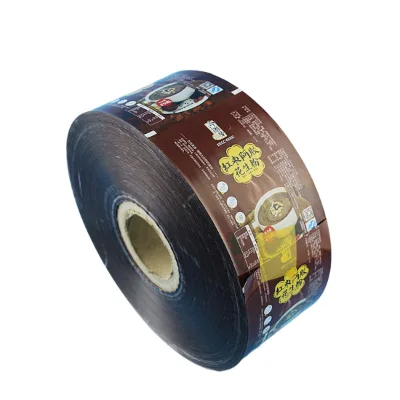


Custom Food Packaging Film Roll Laminated Food Grade Film in Roll Packing
$0.03 - $0.07
MOQ: 10000 Pieces

Customized Laminated Materials Food Packaging Film Rolling Films for Food Packaging
$0.03 - $0.07
MOQ: 10000 Pieces

Custom Flexible Packaging Roll Film Plastic Laminated Film for Food Packaging
$0.03 - $0.07
MOQ: 10000 Pieces


Comprehensive Sourcing Guide
Strategic Sourcing Guide for Food Grade Laminated Roll Film
Procuring Food Grade Laminated Roll Film requires a disciplined approach that balances technical performance with regulatory compliance and supply chain reliability. The global market for flexible packaging has evolved to meet stringent safety standards, particularly for food applications where barrier properties and material integrity are paramount. Buyers must navigate a landscape defined by diverse material compositions, varying customization capabilities, and strict certification requirements. This guide outlines the critical factors for sourcing these materials, drawing upon observed industry attributes and verified product specifications to ensure a robust procurement strategy.
Technical Specifications and Material Composition
The foundation of any successful procurement begins with a precise understanding of the technical specifications. Food Grade Laminated Roll Film is not a monolithic product but a composite structure designed to protect contents from environmental factors. Based on observed market data, the primary material composition often involves plastic polymers, specifically utilizing laminated materials that combine multiple layers for enhanced performance. A common configuration observed in high-performance rolls includes a two-layer structure, though more complex multi-layer designs exist to meet specific barrier needs.
One of the most critical technical attributes is the functional layer, which often includes aluminum (AL) to provide high-barrier properties against oxygen, moisture, and light. This is essential for extending the shelf life of perishable food items. The physical dimensions of the film are highly customizable, with width and size specifications often tailored to the specific requirements of the packaging machinery and the product being wrapped. Buyers should verify that the supplier can accommodate custom sizes, as standard dimensions may not align with all industrial packaging lines.
The surface finish of the film is another vital specification. Many high-quality rolls feature film lamination processes that ensure a smooth, uniform surface suitable for high-speed printing and sealing. The transparency of the film can vary, with options ranging from fully transparent to opaque, depending on the branding and protection needs. Additionally, the hardness of the material is typically characterized as soft, allowing for flexibility during the packaging process while maintaining structural integrity. The paper core used for winding the film is also a specification to consider, with standard diameters such as 76mm being common to ensure compatibility with standard unwinding equipment.
Compliance and Certification Verification
In the food packaging sector, compliance is non-negotiable. The integrity of the supply chain depends on the assurance that the materials used do not contaminate the food products they enclose. Buyers must rigorously verify that the laminated film holds specific certifications that validate its safety for food contact. Observed market data indicates that reputable suppliers often possess a combination of SGS, FDA, ISO9001, and CE certifications. These certifications serve as third-party validations of the manufacturing process and material safety.
The ISO9001 certification confirms that the supplier adheres to international quality management standards, ensuring consistent production processes. FDA compliance is particularly critical for products intended for the North American market, verifying that the materials are safe for direct or indirect food contact. The CE mark indicates conformity with health, safety, and environmental protection standards for products sold within the European Economic Area. Furthermore, the SGS certification provides independent testing and verification of the product's quality and safety claims.
Buyers should not rely solely on the presence of these certifications but must request current documentation to verify their validity. The material grade must be explicitly stated as "Food Grade" to ensure it meets the necessary regulatory thresholds for food safety. It is also important to check if the supplier's production standards align with specific regional regulations, such as NY/White PE standards or other local requirements. The absence of any of these certifications should be treated as a significant red flag, as it suggests a potential risk to product safety and brand reputation.
Cost Drivers and Pricing Dynamics
Understanding the cost structure of Food Grade Laminated Roll Film is essential for budgeting and negotiation. The price of these materials is influenced by several factors, including the complexity of the lamination process, the quality of the raw materials, and the level of customization required. The observed price range in the market varies significantly, with some products listed as low as $0 to $4.59 per unit, though this often reflects base pricing for standard configurations or bulk discounts.
The Minimum Order Quantity (MOQ) is a major driver of cost efficiency. Market observations show a wide range of MOQs, from as low as 1 unit to as high as 50,000 units, with a common standard MOQ for many suppliers being around 300kg to 500kg. Ordering closer to the supplier's standard MOQ can often result in better unit pricing. Customization, such as specific printing requirements or unique dimensions, will invariably increase the cost due to the setup time and specialized materials involved.
Payment terms also play a role in the overall cost of procurement. Standard industry practice often involves T/T (Telegraphic Transfer) payments, which may require a deposit before production begins. The lead time, typically observed as 10 days after payment receipt, can impact inventory planning and cash flow. Buyers should factor in these logistical timelines when calculating the total cost of ownership, including potential expedited shipping fees if the standard lead time does not align with production schedules.
Typical Applications and Industrial Use Cases
Food Grade Laminated Roll Film is versatile and serves a wide array of industrial applications beyond simple food packaging. The primary use case is for food snacks packaging, where the film must provide a robust barrier against moisture and contaminants. However, the applications extend to agriculture, pharmaceuticals, and textile and apparel industries. The film's ability to be moisture-proof and, in some cases, water-soluble, makes it suitable for a diverse range of products.
In the food industry, the film is used for packaging items that require long shelf life, such as dried goods, snacks, and processed foods. The high-barrier properties, often achieved through aluminum functional layers, protect the contents from oxidation and light degradation. For the pharmaceutical sector, the film's purity and barrier properties are crucial for maintaining the efficacy of sensitive medications. In agriculture, the film may be used for protective coverings or packaging of agricultural products.
The versatility of the film is further enhanced by its compatibility with various sealing methods. Automatic packaging machines are commonly used to seal these films, ensuring a consistent and secure closure. The design flexibility allows for custom printing, which is essential for branding and product identification. The ability to accept custom logos and designs makes these films a valuable asset for companies looking to differentiate their products in a competitive market.
Supplier Evaluation and Quality Control
Selecting the right supplier is a critical step in the procurement process. Buyers should evaluate potential suppliers based on their production capabilities, quality control measures, and track record. The location of the supplier, often in regions like Shandong, China, can influence logistics costs and lead times. A supplier with a strong presence in a major manufacturing hub may offer more competitive pricing and faster delivery times.
Quality control should be a central focus during the evaluation process. Buyers should inquire about the supplier's internal testing protocols and whether they offer free samples for pre-production testing. The availability of free samples allows buyers to verify the physical properties of the film, such as its transparency, hardness, and sealing performance, before committing to a large order. Additionally, the supplier's ability to provide free design services can be a significant advantage, reducing the time and cost associated with product development.
The supplier's packaging methods are also indicative of their attention to detail. Products are typically packed in cartons or on pallets to ensure safe transport. Buyers should verify that the packaging is robust enough to prevent damage during shipping, especially for large rolls of film. The consistency of the product model, such as specific designations like "High barrier food packaging" or "HUAZHAN12290," can also serve as a reference point for quality and reliability.
Long-Term Procurement Considerations
Sourcing Food Grade Laminated Roll Film is not a one-time transaction but an ongoing relationship that requires strategic planning. Long-term considerations include the stability of the supply chain, the scalability of the supplier's production capacity, and the ability to adapt to changing market demands. Buyers should assess the supplier's capacity to handle fluctuations in order volume, particularly during peak seasons or unexpected demand spikes.
Sustainability is another emerging consideration in the procurement of packaging materials. While the current market data highlights the use of plastic and laminated materials, buyers should explore options for recyclable or biodegradable alternatives if sustainability is a corporate priority. The supplier's commitment to environmental standards and their ability to innovate with new materials can be a differentiator in the long run.
Finally, the relationship with the supplier should be built on clear communication and mutual trust. Establishing a partnership that includes regular quality audits, open dialogue about production challenges, and collaborative problem-solving can lead to a more resilient supply chain. Buyers should also consider the supplier's flexibility in handling custom orders and their responsiveness to feedback. By focusing on these long-term factors, buyers can ensure a steady supply of high-quality Food Grade Laminated Roll Film that meets their evolving business needs.
Summary of Key Procurement Attributes
To facilitate quick reference during the sourcing process, the following table summarizes the key attributes observed in the market for Food Grade Laminated Roll Film. This overview highlights the essential specifications and requirements that buyers should prioritize.
| Attribute Category | Key Specifications & Observations |
|---|---|
| Material Composition | Plastic, Laminated Material, 2 Layer, Functional Layer: AL |
| Certifications | SGS, FDA, ISO9001, CE, Food Grade |
| Customization | Custom Size, Custom Printing, Free Design, Logo Printing Accepted |
| Physical Properties | Moisture Proof, Water Soluble, Transparent, Soft Hardness |
| Industrial Use | Food, Agriculture, Apparel, Pharmaceutical, Food Snacks |
| Production & Logistics | MOQ: 300kgs-500kgs, Lead Time: 10 Days, Origin: China (Shandong) |
| Packaging | Carton, Pallet, Paper Core: 76mm |
| Process | Film Lamination, Casting, Gravure Printing |
By adhering to these guidelines and maintaining a rigorous approach to verification and evaluation, buyers can secure a reliable supply of Food Grade Laminated Roll Film that ensures product safety, operational efficiency, and market competitiveness.
FAQs
What certifications do food grade laminated roll films typically hold?
These films typically hold SGS, FDA, ISO9001, and CE certifications to ensure safety. Buyers must verify current documentation for each standard to confirm the material is safe for direct food contact and meets international quality management requirements.
Can I get free samples of the plastic film rolls before ordering?
Yes, suppliers often provide free samples for pre-production testing. This allows buyers to verify physical properties like transparency and sealing performance before committing to a large order based on the standard 300kg to 500kg minimums.
How long is the delivery time after payment is received?
The standard delivery time is approximately 10 days after payment receipt. Buyers should factor this lead time into their inventory planning, as expedited shipping may be required if the standard timeline does not align with production schedules.
Which customization options are available for the film printing and design?
Custom printing, free design services, and logo acceptance are available for these rolls. Buyers can request specific widths and sizes to match their machinery, though customization may increase costs due to setup time and specialized materials.
What is the typical minimum order quantity for these laminated films?
The typical minimum order quantity ranges from 300kg to 500kg depending on the supplier. Ordering closer to these standard MOQs often results in better unit pricing compared to smaller, fragmented orders that may incur higher logistics costs.
How is the film packed for safe transport and storage?
The film is typically packed in cartons or on pallets to ensure safe transport. Buyers should verify that the packaging is robust enough to prevent damage during shipping, especially for large rolls of film intended for industrial use.
What material composition is used for high barrier food packaging?
High barrier films often use a two-layer laminated structure with an aluminum functional layer. This composition provides essential protection against oxygen, moisture, and light to extend the shelf life of perishable food items effectively.