Source Food Grade Sealed Tinplate Box for Food Gifts and Toys
Explore 30 listings for Food Grade Sealed Tinplate Box options suitable for food, gifts, and toys. Buyers can compare customization, certifications, and packaging details to find the right supplier for their needs; compare the available evidence and request quotations based on your requirements.
Key considerations
Products List


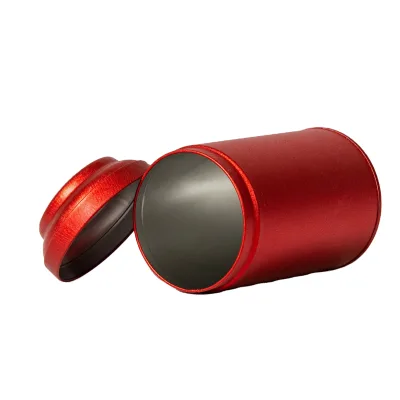
Custom Printing Tinplate Can Food Grade Tin Can Packaging Round Metal Box for Christmas
$0.80 - $1.00
MOQ: 3000 Pieces


Factory Wholesale Tinplate Custom Metal Tin Box Food Grade Tin Box Packaging
$0.17 - $0.59
MOQ: 1000 Pieces

Wholesale Custom Recyclable Tinplate Skull Shaped Food Grade Metal Tin Box
$0.39 - $0.59
MOQ: 3000 Pieces


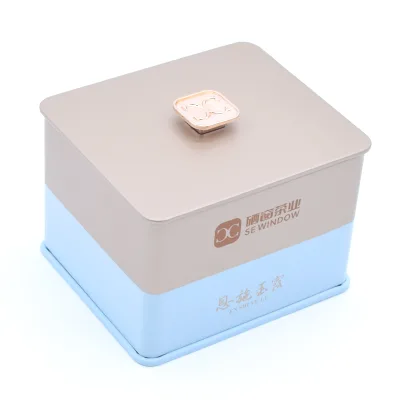
Customized Metal Tin Boxes with Handle for Gift Packaging Food Grade Tin Container
$0.30 - $0.59
MOQ: 3000 Pieces



Comprehensive Sourcing Guide
Food Grade Sealed Tinplate Box Sourcing Guide
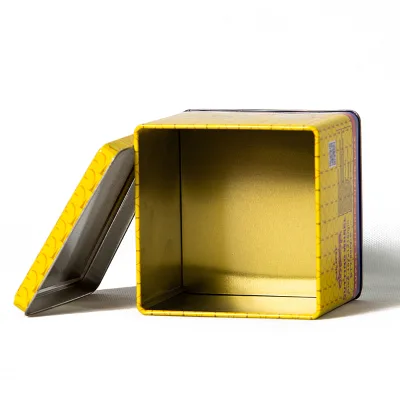
Buyers must first distinguish between the cylindrical and square configurations observed in current listings, as shape dictates internal volume and stacking efficiency for specific food applications. The available data indicates a clear split between cylindrical models designed for general food and gift packaging and square variants explicitly marketed for cosmetics, jewelry, and health care products alongside food items. Selecting the correct geometry is the primary decision point before evaluating material thickness or lid mechanisms, as the structural integrity required for heavy tea leaves differs from that needed for delicate confectionery.
Procurement teams should also scrutinize the listed usage categories to ensure the container matches the intended product's physical properties. While some listings explicitly restrict usage to food, others broaden the scope to include toys, gifts, and health care products, suggesting a versatile design that may or may not be optimized for direct food contact without additional verification. This distinction is critical because a box marketed for general gifts might lack the specific sealing properties required for long-term food preservation, necessitating a careful review of the product description against the specific storage needs of the buyer's inventory.
Product Scope and Observed Listing Signals
The observed product range spans from small, compact units to medium-sized packaging pots, with dimensions ranging from approximately 100mm to 200mm in diameter or width. Buyers should note that while some models are fixed at standard sizes like 126mm or 100mm, the majority of listings explicitly state that customization is accepted for dimensions, allowing for tailored solutions that fit unique product profiles. This flexibility is a key signal for buyers seeking to optimize shelf space or create distinctive branding opportunities through non-standard packaging dimensions.
Material composition is another critical signal, with tinplate being the consistent base material across the observed listings, typically specified at a thickness of 0.23mm. This uniformity suggests a baseline level of durability and formability, yet buyers must verify if this thickness is sufficient for their specific sealing requirements, as heavier contents may require reinforced walls. Additionally, the presence of offset printing and logo printing capabilities indicates that these boxes are designed for high-visibility branding, making them suitable for premium food products where visual appeal is as important as functional protection.
Technical Specifications to Verify
Thickness and structural rigidity are paramount when selecting a tinplate box for food applications, as the 0.23mm specification observed may not suffice for all product weights or stacking heights. Buyers should request physical samples to test the box's resistance to deformation under load, ensuring that the tinplate can maintain its shape during shipping and storage without compromising the seal. It is essential to confirm whether the thickness is consistent across the entire body and lid, as variations can lead to weak points that might fail under pressure or during the sealing process.
Lid mechanisms and sealing integrity require close examination, particularly given the observation of lift-style lids on square models and cylindrical variants. The buyer must verify that the lid fits snugly to create an airtight environment, which is crucial for preserving the freshness of food items like tea or confectionery. Furthermore, the surface handling process, identified as offset printing, should be evaluated for its impact on the box's barrier properties, ensuring that the ink and coating do not interfere with the food-grade safety of the interior surface or the overall structural strength of the container.
Compliance and Safety Documentation
Food contact safety is the most critical compliance factor, with FDA and LFGB certifications appearing as key indicators of suitability for direct food packaging. Buyers must insist on seeing valid, up-to-date certificates for these specific standards before placing any order, as these documents verify that the tinplate and any internal coatings are free from harmful substances that could migrate into food products. Relying on general claims of "food grade" without supporting documentation is insufficient, as regulatory requirements vary significantly by destination market and product type.
In addition to food safety, environmental compliance and material sourcing should be verified through available certifications like ISO and CE, which appear in the supplier data. While BSCI is mentioned in background notes, it should not be assumed as a primary certification without explicit confirmation from the supplier. Buyers should request a full compliance dossier that includes material safety data sheets and specific test reports for the tinplate and printing inks used, ensuring that the entire supply chain adheres to the necessary environmental and safety regulations for the intended market.
Cost Drivers and Commercial Terms
Minimum Order Quantities (MOQ) present a significant variable in cost planning, with observed ranges spanning from no requirement to as high as 5000 units. Buyers must carefully negotiate these thresholds, as higher MOQs often correlate with lower unit prices but increase inventory risk, while lower MOQs offer flexibility at a potentially higher per-unit cost. Understanding the specific MOQ for the chosen model and size is essential for calculating the total landed cost and determining the economic viability of the procurement for different product lines.
Lead times and sample availability also heavily influence the commercial timeline and initial investment. With sample times ranging from 12 to 15 days, buyers should factor this duration into their product launch schedules and ensure that the supplier can meet these deadlines consistently. Additionally, the cost of customization, including logo printing and specific dimensions, should be clarified upfront, as these value-added services can significantly alter the final price structure and require separate budgeting considerations beyond the base unit cost.
Supplier Qualification and Quality Control
Supplier origin and production location are fundamental to assessing logistical efficiency and potential quality consistency, with China and specifically Guangdong identified as key manufacturing hubs. Buyers should verify the specific factory location to understand the local supply chain dynamics and potential for quality control issues related to regional manufacturing practices. Establishing a clear line of communication with the production facility is crucial, as it allows for direct oversight of the manufacturing process and ensures that the supplier's capabilities align with the buyer's quality expectations.
Quality control protocols must be rigorously defined, particularly regarding the consistency of the offset printing and the uniformity of the tinplate thickness. Buyers should implement a pre-shipment inspection plan that includes random sampling to check for defects in the lid fit, surface printing quality, and overall structural integrity. Given the variability in observed packaging standards, such as different carton quantities per unit, it is vital to agree on precise packing specifications to prevent damage during transit and ensure that the final product arrives in perfect condition.
Long-Term Procurement Checks
Sustainability and eco-friendly attributes are increasingly important for long-term procurement strategies, with some listings explicitly marking products as eco-friendly. Buyers should verify the recyclability of the tinplate and the environmental impact of the printing inks and coatings used, ensuring that the packaging aligns with their corporate sustainability goals and meets the growing consumer demand for green packaging solutions. This verification should include checking for any specific eco-certifications or statements regarding the sourcing of raw materials to support a credible sustainability narrative.
Continuous performance monitoring is essential to maintain product quality over multiple production cycles, requiring a system for tracking defect rates and supplier responsiveness. Buyers should establish a feedback loop with the supplier to address any recurring issues with sealing, printing, or dimensional accuracy that may arise after the initial order. By maintaining a detailed record of performance metrics and conducting regular audits, buyers can ensure that the long-term partnership remains robust and that the food grade sealed tinplate boxes continue to meet the evolving standards of their market.
FAQs
What certifications are available for food grade sealed tinplate boxes?
Available certifications include FDA, LFGB, ISO, and CE. These ensure the tinplate material meets international safety standards for food contact. Buyers can select products with specific documentation to comply with regional regulations. Always verify the certificate type matches your destination market requirements before placing bulk orders.
Can I customize the size and shape of the tinplate box?
Yes, customization is available for both size and shape. Standard options include cylindrical and square designs with dimensions like D100*110mm or 126*126*40mm. Manufacturers accept custom specifications to fit unique product needs. You can request tailored dimensions while maintaining the structural integrity of the 0.23mm tinplate material for secure sealing.
What is the typical MOQ for ordering custom tinplate boxes?
The typical MOQ is 3000 pieces for most customized designs. Some standard items may have no strict MOQ requirement, allowing smaller trial orders. Bulk pricing often improves with higher quantities. Buyers should confirm the exact MOQ with the supplier based on the chosen shape, printing complexity, and packaging configuration to ensure feasibility.
How long does it take to produce a sample tinplate box?
The sample production time is typically 12 to 15 days. This period covers material preparation, printing setup, and assembly. Rushed samples may incur additional fees. Buyers should plan their sourcing timeline accordingly, especially when coordinating with product launches. The sample allows verification of print quality, lid fit, and overall structural durability.
What printing options are offered for logo and branding on tinplate?
Offset printing is the standard method for high-quality logo application. CMYK color printing allows for vibrant and accurate brand representation. The surface handling supports detailed graphics on both cylindrical and square formats. Buyers can choose any color for the base tinplate, ensuring the final packaging aligns perfectly with their visual identity and marketing goals.
Where are these food grade tinplate boxes manufactured?
These tinplate boxes are manufactured in China, specifically in the Guangdong region. This area is known for its robust packaging industry and efficient supply chains. Buyers can expect competitive pricing and reliable production capacity. The origin ensures access to high-quality tinplate materials and advanced printing technologies suitable for global export requirements.