Source Food Grade RPET Dome Lid for Beverage, Dessert, and Ice Cream
Compare 30 listings for Food Grade RPET Dome Lid options suitable for cold beverages, desserts, and ice cream. Buyers can review specifications like size, weight, and certifications including FDA and ISO9001 to find the right supplier for their packaging needs.
Key considerations
Products List


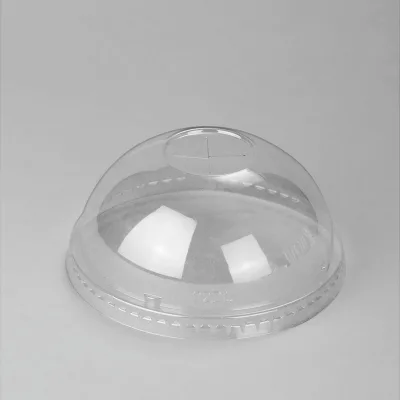
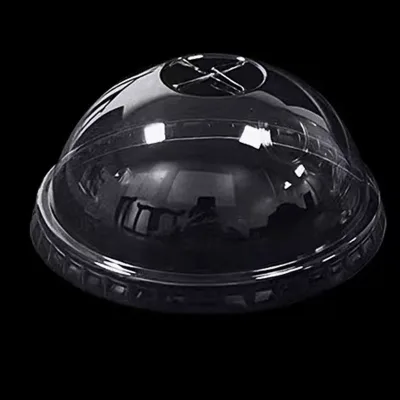

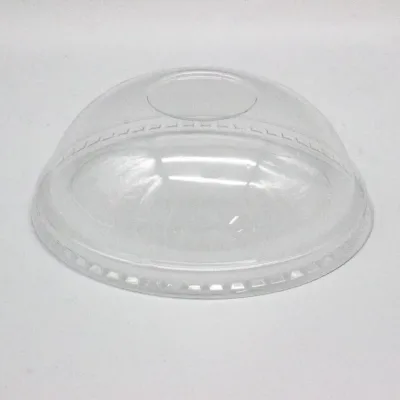



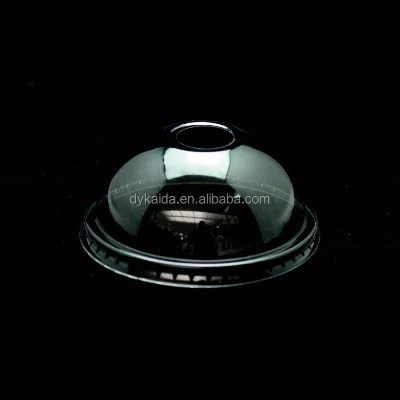
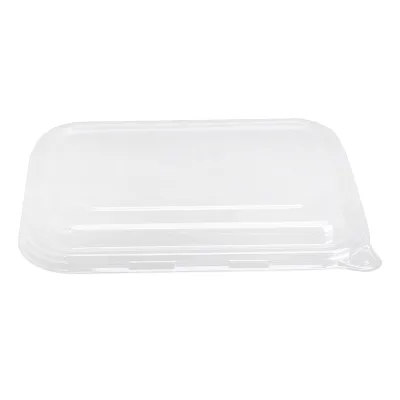
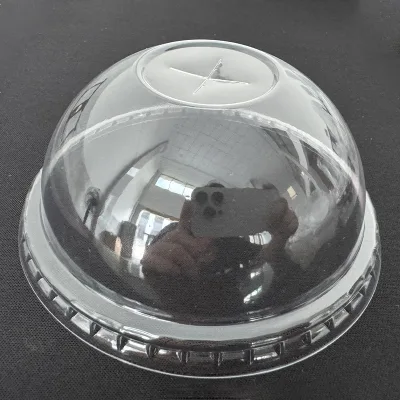
Comprehensive Sourcing Guide
Strategic Sourcing Guide for Food Grade RPET Dome Lids
The global shift toward sustainable packaging has elevated the demand for food-grade RPET (Recycled Polyethylene Terephthalate) dome lids, particularly in the beverage and food service sectors. For procurement professionals, sourcing these components requires a nuanced understanding of material science, regulatory compliance, and supply chain logistics. Unlike virgin plastics, RPET offers a compelling environmental narrative, yet it introduces specific variables regarding material consistency and processing capabilities. This guide synthesizes observed market data and technical specifications to provide a structured approach for evaluating suppliers and securing high-quality dome lids that meet rigorous food safety standards.
Technical Specifications and Material Composition
The foundation of a successful procurement strategy lies in defining precise technical requirements. The core product category, often identified as a "Plastic Cup Lid" or "Dome Lid," is characterized by specific dimensional and material attributes. Based on observed market data, the standard diameter for these lids typically ranges between 78mm and 98mm, with specific models such as the KD-78mm and KD-92mm Dome Lids representing common industry standards. The 98mm size is frequently cited for larger beverage applications, while the 78mm variant serves smaller cups.
Material composition is the primary differentiator for this category. While many listings specify "Plastic" or "PET," the specific requirement for "Food Grade RPET" necessitates verification that the recycled content meets safety thresholds for direct food contact. The observed data indicates that suppliers offer lids made from PET or RPET, with a net weight per piece varying between 2.6g and 3.8g depending on the model and thickness. This weight variance is a critical indicator of material density and structural integrity.
Thermal performance is another essential technical parameter. The operational temperature range for these lids is observed to be between -20°C and +65°C. This range ensures that the lids remain stable during cold beverage storage and can withstand moderate heat without deforming, which is crucial for applications involving warm desserts or iced drinks. The closure type is generally described as "Smooth," ensuring a secure fit on standard cup rims without leakage. Furthermore, the product style is often "Simple" yet functional, with options for "Printed" designs utilizing 1-8 color UV printing capabilities to support brand customization.
Compliance and Certification Verification
In the food packaging industry, compliance is not merely a formality but a prerequisite for market access. Procurement teams must rigorously verify that suppliers possess valid certifications that align with international food safety standards. The observed data highlights a robust suite of certifications often held by reputable manufacturers, including ISO9001 for quality management, BSCI and Sedex for social compliance, and Brcgs for food safety.
Crucially, for food-grade applications, FDA (Food and Drug Administration) and EU compliance are non-negotiable. The presence of FDA certification confirms that the RPET material does not leach harmful substances into food products. Additionally, the GRs (Global Recycled Standard) certification is vital for validating the recycled content claims, ensuring that the "RPET" designation is accurate and traceable. Buyers should also verify BPA-free status, as this is a standard attribute for modern plastic lids, ensuring the product is free from Bisphenol A, a chemical of concern in food contact materials.
When evaluating a potential supplier, the procurement team should request current copies of these certificates and verify their validity dates. The data suggests that suppliers often hold a combination of these certifications, but the specific mix can vary. It is essential to confirm that the certification covers the specific production facility and the specific RPET material grade being used, rather than just a general company-level accreditation.
Cost Drivers and Pricing Dynamics
Understanding the cost structure of RPET dome lids is essential for budgeting and negotiation. The observed market data indicates a wide range in Minimum Order Quantities (MOQ), spanning from 10,000 to 100,000 pieces, with some listings showing an MOQ of 50,000 PCS. This high volume requirement is typical for injection-molded plastic products, where tooling costs are amortized over large production runs.
The price per unit is influenced by several factors, including the specific model (e.g., 78mm vs. 92mm), the percentage of recycled content, and the complexity of printing. The observed price range in the market is noted to be between $0 and $15.76, though this broad range likely reflects bulk tiering and the inclusion of different service levels. For high-volume orders, the cost per unit typically decreases significantly.
Customization is a major cost driver. While the base product is often a standard dome lid, features such as logo embossing, UV printing, and custom colors add to the unit cost. The data confirms that customization is available and that OEM/ODM services are acceptable. Buyers should anticipate that orders requiring custom printing or specific RPET content percentages will command a premium over standard, unbranded units. Additionally, the net weight of the product (ranging from 2.6g to 3.8g) directly impacts material costs, as heavier lids require more raw material.
Typical Applications and Usage Scenarios
The versatility of food-grade RPET dome lids makes them suitable for a wide array of applications. The primary usage is for beverage cups, covering everything from cold drinks to hot beverages within the specified temperature range. The data explicitly lists usage for "Beverage Cup Lid," "Drinking Packing," "Cold Beverage," "Dessert," "Food," "Fruit," and "Ice Cream."
The "Dome" shape is particularly advantageous for beverages that contain toppings, such as fruit pieces, jelly, or whipped cream, as it provides extra headspace to prevent the lid from collapsing under the weight of the contents. This design is also beneficial for drinks with straws, as the dome shape often accommodates straw insertion more comfortably than flat lids.
The "Disposable" nature of these products aligns with the fast-food and takeaway industry, where single-use convenience is paramount. However, the "Reusable" feature noted in some product attributes suggests that the durability of RPET allows for limited reuse in specific contexts, such as corporate events or retail take-home scenarios. The "Adult" age specification indicates that these products are designed for general consumer use, without specific pediatric safety constraints beyond standard food safety.
Supplier Evaluation and Sourcing Strategy
Selecting the right supplier requires a multi-faceted evaluation process. The data indicates that the place of origin is primarily China, with specific mentions of Hubei as a manufacturing hub. When evaluating suppliers from this region, buyers should prioritize those with a proven track record in food-grade plastics and a transparent supply chain.
Key evaluation criteria include:
- Certification Validity: Ensure all listed certifications (FDA, EU, ISO, BSCI, etc.) are current and applicable to the specific product line.
- Production Capacity: Verify that the supplier can meet the required MOQs, which can range from 30,000 to 100,000 pieces.
- Customization Capabilities: Assess the supplier's ability to handle logo embossing, UV printing (1-8 colors), and custom mold development.
- Quality Control: Inquire about their internal QC processes, including how they test for BPA-free status and food safety compliance.
- Logistics: Consider the lead times and packaging standards. The observed data notes a packing standard of 1000 PCS/Box, which is critical for inventory management and shipping efficiency.
Buyers should avoid suppliers who cannot provide clear documentation regarding the source of their RPET material. The "Global Recycled Standard" (GRS) is a key indicator of supply chain transparency, ensuring that the recycled content is verified and traceable.
Quality Control and Long-Term Procurement Considerations
Implementing a robust quality control (QC) protocol is essential to mitigate risks associated with plastic packaging. Given the variability in recycled materials, buyers should establish clear acceptance criteria for color consistency, dimensional accuracy, and structural integrity. The observed net weight variance (2.6g to 3.8g) suggests that weight checks should be a standard part of the QC process to ensure material consistency.
Long-term procurement considerations should focus on sustainability and supply chain resilience. As regulations regarding single-use plastics evolve, the demand for RPET is likely to increase. Procuring from suppliers who are committed to sustainable practices and hold relevant environmental certifications will future-proof the supply chain. Additionally, maintaining a relationship with suppliers who offer flexible MOQs and customization options can help buyers adapt to changing market demands.
Buyers should also consider the environmental impact of the packaging itself. The "Disposable" nature of the product means that end-of-life management is a concern. Selecting suppliers who offer take-back programs or who design lids for easy recycling can enhance the overall sustainability profile of the brand.
Conclusion
Sourcing food-grade RPET dome lids requires a balanced approach that prioritizes technical specifications, regulatory compliance, and supplier reliability. By focusing on the specific dimensions, material grades, and certification requirements outlined in this guide, procurement professionals can navigate the complex landscape of plastic packaging. The observed data highlights a market rich in options, from 78mm to 98mm lids, with varying weights and customization capabilities. However, the key to success lies in rigorous due diligence, ensuring that every order meets the highest standards of food safety and environmental responsibility. As the industry continues to evolve, maintaining a strategic partnership with qualified suppliers will be essential for delivering high-quality, sustainable packaging solutions.
FAQs
What certifications do food grade rpet dome lids typically hold?
These lids typically hold FDA, EU, ISO9001, BSCI, Sedex, Brcgs, and GRS certifications. Buyers should verify that the specific facility holds current documentation for these standards to ensure compliance with international food safety and social responsibility requirements.
Which size specifications are available for these dome lids?
Available specifications include 78mm, 92mm, and 98mm diameters. The 78mm and 92mm models are common industry standards, while the 98mm size is often used for larger beverage applications requiring extra headspace for toppings.
Can suppliers provide custom printing and logo embossing?
Yes, customization is available with options for logo embossing and UV printing in 1 to 8 colors. OEM and ODM services are acceptable, allowing buyers to add branded designs or specific color requirements to the standard dome lid product.
What is the minimum order quantity for these plastic lids?
Minimum order quantities typically range from 30,000 to 100,000 pieces, with some listings specifying 50,000 pieces. This high volume is standard for injection-molded plastic products to amortize tooling costs effectively across large production runs.
How do these lids perform in terms of temperature resistance?
The lids operate safely within a temperature range of -20°C to +65°C. This range ensures stability during cold beverage storage and allows for moderate heat without deformation, making them suitable for various food and drink applications.
What material grades are used for these food contact lids?
The lids are made from food grade PET or RPET materials and are BPA free. This ensures the product is safe for direct food contact and meets the necessary health standards for beverages, desserts, and ice cream applications.