Source Food Grade Silicone Baby Teether for Soothing, Chewing, and Sensory Play
Find and compare 30 Food Grade Silicone Baby Teether options from verified suppliers. Evaluate models like L18 and Teether Toy-025M based on certifications such as CE and En71, material safety, and customization features to meet your procurement needs.
Key considerations
Products List


Wooden Baby Teether Teething Soother Food Grade Silicone Animal Shape Teether
$1.65 - $1.77
MOQ: 500 Pieces


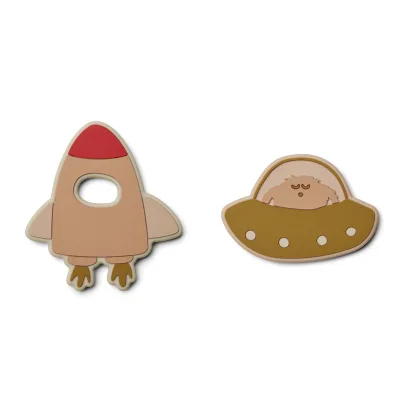


Baby Teether Silicone Toys BPA Free Food Grade Chew Silicone Baby Teether
$0.58 - $0.82
MOQ: 200 Pieces


FDA Approve Silicone Baby Teether Custom Food Grade Silicone Baby Teether Toy
$1.67 - $2.86
MOQ: 1000 Pieces

Comprehensive Sourcing Guide
Food Grade Silicone Baby Teether Sourcing Guide
Sourcing food grade silicone baby teethers requires a disciplined approach to material verification, safety compliance, and supplier qualification. These products are designed for infants who explore their environment through oral contact, making the integrity of the raw material and the final product’s physical safety paramount. Buyers must navigate a market where claims of "food grade" are common but require rigorous documentation to ensure they meet international regulatory standards. This guide outlines the essential steps for evaluating suppliers, verifying technical specifications, and establishing commercial terms that protect brand integrity and consumer safety.
The procurement process for these items involves balancing aesthetic appeal with functional durability. While visual design and interactive features are important for marketability, the primary focus must remain on the non-toxic nature of the silicone and the structural integrity of the teether. Buyers should prioritize suppliers who demonstrate transparency in their manufacturing processes and provide clear evidence of compliance with major market standards. Understanding the nuances of silicone types, certification requirements, and quality control protocols is essential for building a reliable supply chain that minimizes risk and ensures product consistency.
Product Scope and Observed Listing Signals
The current market landscape for baby teethers includes a diverse range of materials, shapes, and interactive features. Observed listings indicate that food grade silicone is a primary material choice, often combined with other elements such as soft rubber handles or electronic components for interactive toys. Suppliers offer various customization options, including logo printing, color variations, and shape designs, which cater to different brand identities and target demographics. It is crucial to distinguish between simple teething rings and more complex interactive toys, as the latter may involve additional safety considerations regarding batteries and electronic interactions.
Listing signals also reveal a wide range of packaging and shipping configurations, from individual polybags to standard export cartons and palletization. Buyers should note that some products are marketed with specific certifications such as CE, En71, ASTM, and RoHS, which are critical for entry into regulated markets. However, the presence of these certifications in a listing does not guarantee that every SKU within a supplier’s catalog is certified. Procurement teams must verify that the specific items being ordered match the certification claims and that the supplier can provide valid test reports for each product variant.
Technical Specifications to Verify
Material composition is the most critical technical specification for baby teethers. Buyers must confirm that the silicone used is indeed food grade and free from harmful additives such as BPA, phthalates, and latex. The hardness and texture of the silicone should be appropriate for infant gums, providing relief without causing injury. Additionally, the structural integrity of the teether must be evaluated to ensure that small parts cannot be detached and swallowed. Suppliers should provide detailed material data sheets that specify the type of silicone and its compliance with relevant safety standards.
Other technical aspects include the design of the handle, if applicable, and the overall dimensions of the product. Some listings indicate the use of inlay soft rubber for handles, which must be securely bonded to the silicone body to prevent separation. The shape of the teether, whether animal-shaped, ball-shaped, or other forms, should be ergonomic and easy for small hands to grasp. Buyers should also verify the cleaning methods recommended by the supplier, as some products may not be washable, which could impact hygiene and customer satisfaction.
Compliance and Safety Documentation
Compliance with international safety standards is non-negotiable for baby products. Buyers must request and verify test reports from accredited laboratories for each product variant. Common standards include En71 for the European market, ASTM F963 for the United States, and CE marking for general product safety. These certifications ensure that the teether meets specific requirements for mechanical and physical properties, flammability, and chemical migration. Suppliers should be able to provide up-to-date test reports that cover all relevant safety parameters.
In addition to product-specific certifications, buyers should inquire about the supplier’s quality management systems. While not always mandatory, certifications such as ISO 9001 indicate a commitment to consistent quality and process control. Buyers should also verify that the supplier adheres to ethical manufacturing practices and has a robust traceability system in place. This includes the ability to track raw materials from source to finished product, which is essential for recalling defective items if necessary.
Cost Drivers and Commercial Terms
The cost of food grade silicone baby teethers is influenced by several factors, including material quality, production volume, and customization requirements. High-grade silicone is more expensive than standard materials, and products with complex shapes or additional features such as electronic components will command higher prices. Buyers should request detailed quotations that break down costs for materials, labor, and overhead, allowing for a clear comparison between suppliers. Minimum order quantities (MOQs) can also impact pricing, with larger orders typically resulting in lower unit costs.
Commercial terms such as payment methods, lead times, and shipping arrangements should be clearly defined in the purchase agreement. Buyers should negotiate favorable terms that align with their cash flow and inventory management strategies. It is also important to clarify responsibilities for customs clearance, import duties, and insurance during transit. Suppliers who offer flexible payment options and reliable logistics support can help mitigate risks and ensure timely delivery of goods.
Supplier Qualification and Quality Control
Supplier qualification involves a thorough assessment of the manufacturer’s capabilities, reputation, and quality control processes. Buyers should conduct factory audits or request third-party inspection reports to verify production conditions and quality management systems. It is essential to evaluate the supplier’s ability to maintain consistent quality across production batches and their responsiveness to quality issues. Suppliers with a strong track record in the baby product industry are generally more reliable and less likely to encounter compliance or quality problems.
Quality control measures should be implemented at every stage of production, from raw material inspection to final product packaging. Buyers should establish clear quality standards and acceptance criteria in the purchase agreement. Regular quality checks and random sampling during production can help identify and address issues early. Suppliers who proactively monitor quality and provide detailed inspection reports demonstrate a commitment to excellence and reduce the risk of receiving defective products.
Long-Term Procurement Checks
Long-term procurement success depends on continuous monitoring of supplier performance and market trends. Buyers should regularly review supplier quality metrics, delivery times, and customer feedback to identify areas for improvement. Building a strong relationship with suppliers based on mutual trust and transparency can lead to better pricing, priority production, and collaborative innovation. It is also important to stay informed about changes in regulatory requirements and industry standards to ensure ongoing compliance.
As the market for baby products evolves, buyers should remain vigilant about new safety concerns and emerging technologies. Regularly updating product specifications and quality standards can help maintain a competitive edge and ensure consumer safety. By maintaining a disciplined approach to sourcing and quality management, buyers can build a resilient supply chain that supports long-term business growth and brand reputation.
FAQs
What certifications do the food grade silicone baby teethers have?
The products hold CE, En71, ASTM, and RoHS certifications. Some listings also mention LFGB compliance. These standards ensure safety for infants and meet international regulatory requirements for baby products.
Can I customize the logo on these baby teethers?
Yes, logo customization is supported for these items. The supplier explicitly states that OEM services are available. Buyers can request specific branding to be applied to the food grade silicone material.
What is the minimum order quantity for these products?
The minimum order quantity varies by listing, ranging from 1 to 10,000 units. Some specific models require an MOQ of 10,000, while others allow orders starting at just one unit. Check the specific product model for exact requirements.
How are the baby teethers packaged for export?
Packaging options include standard export cartons or individual polybags. Some bulk orders may utilize palletization with outer cartons. The specific packing method depends on the product model and order volume selected.
Are these teethers suitable for newborns under three months?
Yes, certain models are designed for babies aged 0-3 months. Other listings specify suitability for ages over three months. Verify the age group attribute for the specific product model to ensure it matches your needs.
What shapes are available for the food grade silicone teethers?
Available shapes include animals, balls, and elephants. The product line offers diverse forms to engage infants. Specific models like L38 feature elephant shapes while others are ball-shaped.
Where are these baby teethers manufactured?
The products originate from Guangzhou, China. This location is the primary production hub for the listed items. Buyers can expect manufacturing to take place within this specific region.