Source Food Grade Sclareolide Powder for Flavor, Fragrance, and Health
Find 30 listings for Food Grade Sclareolide Powder from Chinese suppliers. Compare specifications including 98-99% purity, 120mesh particle size, and certifications like GMP and ISO. Evaluate options for use in health care products, cosmetics, and natural flavor synthesis; compare the available evidence and request quotations based on your requirements.
Key considerations
Products List
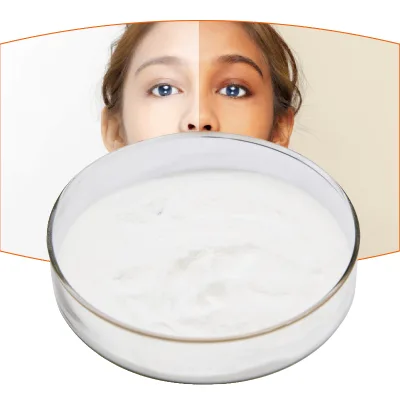


Sclareolide Natural Ambergris Substitutes Sclareolide Salvia Sclarea Sclareolide
$300.00 - $350.00
MOQ: 25 kg


SOST Natural Pure Salvia Sclarea Extract Sclareolide Powder 98% CAS 515-03-7
$490.00 - $530.00
MOQ: 1 kg


Comprehensive Sourcing Guide
Food Grade Sclareolide Powder Sourcing Guide
Procuring Food Grade Sclareolide Powder requires careful attention to the specific chemical identity and intended application within the supply chain. The core product is identified by CAS number 564-20-5 and is often listed under model numbers such as MY-Sclareolide or SUREST-248. Buyers must distinguish between generic listings and those explicitly defining the substance as a natural flavor derived from Salvia Sclarea L., which aligns with its classification as an aromatic alcohol.
Verification of the physical state is critical, as the material is consistently observed as a white powder with a melting point between 124-126 ℃. Sourcing strategies should prioritize suppliers who provide clear evidence of the product's origin in Shaanxi, China, and confirm the specific mesh standards, such as 80mesh or 120mesh, which influence solubility and blending efficiency in final food formulations.
Product Scope and Observed Listing Signals
The market listing signals for this ingredient reveal a wide variance in packaging and unit configurations, ranging from single 1kg aluminum foil bags to bulk 25kg drums. Buyers should note that while some listings specify a single item selling unit, others emphasize bulk drum availability, which directly impacts logistics planning and storage requirements for large-scale manufacturing operations.
Observed product attributes indicate a shelf life of 24 months when stored under normal conditions, though some listings suggest a minimum of 12 months. It is essential to verify the specific packaging material, as options include fiber drums or aluminum foil bags, ensuring the selected container protects the powder from moisture and maintains the integrity of the natural flavor profile during transit.
Technical Specifications to Verify
Technical due diligence must focus on the assay method and purity thresholds, as listings frequently cite UV analysis and purity levels of 98% or 99%. Buyers should request specific test reports confirming the molecular weight of 250.38 and the optical rotation value of 47 º in chloroform, as these parameters are definitive for authenticating the chemical structure of sclareolide.
Further verification is required for the boiling point, which is observed at 218-220 ℃ under 19 Mmhg pressure, and the hydroxyl content, which is specified as monohydroxy. Ensuring the product meets the 1° primary alcohol classification and matches the Fema number 3794 is necessary to guarantee compatibility with regulatory standards for food additives and flavoring agents.
Compliance and Safety Documentation
Compliance verification should prioritize the presence of recognized certifications such as ISO, HACCP, GMP, and Kosher, which are frequently listed for this product category. These certifications indicate that the manufacturing facility adheres to strict hygiene and quality management systems, which is a prerequisite for sourcing ingredients intended for human consumption and health care products.
Buyers must also confirm that the product is classified as a natural resource and fits within the food or health care product application scope. Documentation should explicitly state the absence of synthetic additives and verify that the product is suitable for use in tablets or direct food applications, ensuring alignment with the intended regulatory framework for the target market.
Cost Drivers and Commercial Terms
Cost structures for sclareolide powder are influenced by the observed price range of 0.1 to 550 USD, which likely reflects differences in purity, packaging size, and order volume. The minimum order quantity (MOQ) varies significantly from 1 unit to 1000 units, requiring buyers to balance inventory costs against the need for sufficient stock to maintain production continuity.
Commercial terms must account for the specific selling units and packaging configurations, as bulk drums offer different cost efficiencies compared to small packages. Buyers should negotiate based on the total landed cost, considering that the product is often sold as a single item in small quantities but requires bulk handling for industrial applications, which affects the overall unit economics.
Supplier Qualification and Quality Control
Supplier qualification should begin with verifying the place of origin, specifically Shaanxi, China, and confirming the brand name, such as MEIYOU, to ensure traceability. It is vital to assess the supplier's ability to provide samples, as the availability of samples allows for independent testing of the white powder appearance and physical properties before committing to a larger purchase.
Quality control protocols must include a review of the product's classification as an aromatic alcohol and its specific usage in the synthesis of natural ambergris substitutes. Buyers should ensure the supplier can provide consistent batch-to-batch quality, particularly regarding the mesh size and the absence of logo printing if the product is intended for rebranding or private label manufacturing.
Long-Term Procurement Checks
Long-term procurement strategies require regular re-verification of the product's shelf life and storage method to prevent degradation over time. Since the product is a natural flavor with a defined shelf life of 24 months, buyers must implement inventory rotation systems that ensure older stock is utilized before the expiration date to maintain product efficacy.
Continuous monitoring of the supply chain is necessary to confirm that the product remains compliant with evolving food safety standards and certification requirements. Buyers should establish a schedule for periodic audits of the supplier's documentation to ensure that the ISO certifications and other quality marks remain valid and that the product continues to meet the specified technical parameters.
FAQs
What is the purity and appearance of Food Grade Sclareolide Powder?
The product is a white powder with a purity of 99%. It is classified as a natural flavor and aromatic alcohol derived from Salvia Sclarea L. The material is available in bulk drums or small packages, ensuring consistent quality for food and health care applications.
Can I request a sample before placing a bulk order?
Yes, samples are available for evaluation. Buyers can test the white powder to verify its 99% purity and 120mesh standard before committing to larger quantities. This allows for quality assurance regarding its use in health care products, food, or cosmetic formulations.
What certifications does the sclareolide powder hold for food safety?
The product holds KOSHER, HACCP, GMP, and ISO certifications. These credentials ensure compliance with international food safety standards. The material is suitable for use in food and health care products, providing buyers with verified quality assurance for their manufacturing processes.
How should the sclareolide powder be stored to maintain quality?
Store the powder in normal conditions to preserve its integrity. The product has a shelf life of 24 months when stored correctly. Proper storage ensures the white powder maintains its 99% purity and physical properties, making it reliable for long-term inventory management.
What are the packaging options for bulk sclareolide powder orders?
Packaging options include 1kg aluminum foil bags and 25kg fiber drums. The product is sold as a single item with bulk drum or small package configurations. These options cater to different order sizes, ensuring safe transport and storage for food and cosmetic applications.
Where is the sclareolide powder manufactured and shipped from?
The product originates from Shaanxi, China. It is manufactured by MEIYOU and shipped from this location. Buyers can expect consistent supply from this region, with the product meeting specified standards for use in health care, food, and cosmetic industries globally.