Source Food Grade Transparent Stretch Film for Packaging, Food Wrap, and Retail
Find 30 verified listings for Food Grade Transparent Stretch Film suitable for packaging, food wrap, and retail applications. Buyers can compare specifications like thickness, width, and material options including PE and PVC from suppliers in China.
Key considerations
Products List


2/3/4metres Width Food Grade Transparent PE Film, Stretch Film, Roll Film
$1400.00 - $1800.00
MOQ: 5000 kg


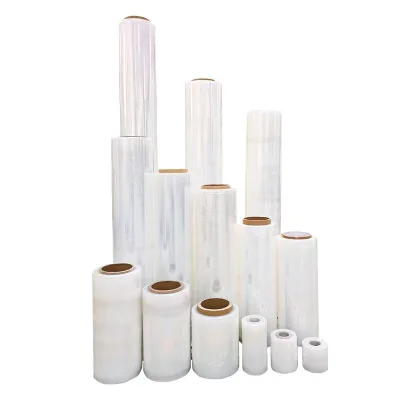
Clear Plastic Transparent Stretch Film Casting Soft ShrinkPacking Film
$0.26 - $0.28
MOQ: 10 kilograms


Biodegradable Stretch Film, Eco-Friendly Packaging Stretch Film for Bulk Fixing
$3768.12 - $4057.97
MOQ: 1 Tons
Comprehensive Sourcing Guide
Strategic Sourcing Guide for Food Grade Transparent Stretch Film
Understanding Material Composition and Processing Technologies
When sourcing Food Grade Transparent Stretch Film, the primary distinction lies in the polymer base and the manufacturing process employed. The market currently presents two dominant material categories: Polyethylene (PE) and Polyvinyl Chloride (PVC). PE films are characterized by their softness and high transparency, making them a preferred choice for applications requiring moisture proofing and flexibility. These films are typically produced using a blow molding process, which creates a tubular structure that is subsequently slit into sheets or rolls. The processing machinery for these films often involves advanced multi-layer lines, such as 7-layer or 11-layer blowing and casting lines, designed to enhance barrier properties and mechanical strength.
In contrast, PVC cling films offer a different set of tactile and visual properties. While also used for food wrapping, PVC films may exhibit varying levels of transparency and self-adhesive characteristics, ranging from low to medium adhesion. The processing type for PVC often involves casting techniques, which can result in a film with specific thickness ranges, such as 8 to 50 microns. Buyers must carefully evaluate the material specification against their specific application needs. For instance, PE films are frequently cited for their ability to provide an excellent barrier against moisture, adhering to standards like GB/T1073 and ASTM F1249 for water vapor transmission rates. The choice between PE and PVC should be driven by the required balance between clarity, elasticity, and the specific food items being wrapped.
Technical Specifications and Dimensional Variability
The technical specifications of stretch film are critical for ensuring compatibility with automated packaging machinery and the intended end-use environment. A comprehensive understanding of dimensional parameters is essential for procurement planning. Film thickness is a primary variable, with observed ranges in the market spanning from 8 microns up to 350 microns depending on the product type and intended application. For general food wrapping, thinner gauges such as 50 to 350 microns are common, while specific applications may require precision in the 35 to 380 micron range. The width of the film is equally important, with lay-flat dimensions typically ranging from 120mm to 800mm, and specific width ranges extending from 20cm to 180cm.
Core size and roll length are other pivotal specifications that affect logistics and machine setup. The film roll core size is generally available in 3-inch or 6-inch configurations, with the 3-inch size often serving as the default for standard equipment. The length of the film roll can be customized or recommended based on the specific needs of the packaging line, with observed ranges extending from 200 meters to 3000 meters. Buyers should also note the paper code options available for core sizing, which include 1", 2", 3", 30mm, 35mm, 40mm, and 50mm, ensuring that the selected film matches the spindle dimensions of their existing machinery. The model numbers associated with these films, such as GBF-NEM40-603 or bw3074, often indicate specific configurations of layer count and barrier properties, serving as a reference for consistent ordering.
Compliance, Certification, and Food Safety Standards
Ensuring that stretch film meets food safety requirements is a non-negotiable aspect of procurement. The product must be explicitly graded as food grade to prevent chemical migration into food products. Suppliers often cite compliance with major international standards, including ISO, SGS, FDA, and Brc certifications. These certifications indicate that the manufacturing facility and the final product have undergone rigorous testing for safety and quality management. For water vapor transmission, specific testing protocols such as GB/T1073 and ASTM F1249 are referenced to validate the moisture-proof capabilities of the film.
When evaluating potential suppliers, buyers should verify that the product documentation explicitly states adherence to these standards. The presence of certifications like ISO and FDA is a strong indicator of a supplier's commitment to quality, but the buyer must confirm that these certifications are current and applicable to the specific product model being purchased. It is important to distinguish between general company certifications and product-specific compliance. While some background information may mention standards like ISO9011 or certifications like CE and RoHS, the primary focus for food contact materials should remain on FDA and Brc compliance, as these directly address food safety. Buyers should request valid certificates of analysis (CoA) and certificates of compliance (CoC) for every batch to ensure continuous adherence to safety regulations.
Cost Drivers and Economic Considerations
The pricing structure for Food Grade Transparent Stretch Film is influenced by several dynamic factors, including material costs, production complexity, and order volume. The observed price range in the market is extensive, spanning from $0.26 to over $4000 per unit, reflecting the diversity in product specifications, such as layer count, thickness, and roll dimensions. High-performance films with multi-layer constructions, such as 7-layer or 11-layer lines, typically command higher prices due to the advanced processing technology and enhanced barrier properties they offer.
Minimum Order Quantity (MOQ) is another significant cost driver, with ranges observed from 1 unit to 5000 units. Buyers with smaller volume requirements may face higher per-unit costs, while those capable of meeting larger MOQs can often negotiate more competitive pricing. The customization of features, such as specific thickness, width, or core size, can also impact the final cost. Additionally, packaging requirements, which may include PE film, EPE, cartons, and pallets, contribute to the overall expense. Buyers should consider the total cost of ownership, including shipping and handling, as the film is often heavy and bulky. The "competitive" pricing mentioned in product descriptions should be interpreted as a market trend rather than a fixed value, requiring direct negotiation with suppliers to secure the best rate based on specific order parameters.
Typical Applications and Usage Scenarios
Food Grade Transparent Stretch Film serves a wide array of applications across various sectors, from commercial kitchens to industrial packaging lines. The primary usage includes packaging films and food cling films designed to wrap vegetables, fruits, and other perishable goods. The transparency of the film allows for easy identification of the contents without the need to unwrap the product, which is crucial for inventory management and retail display. The moisture-proof feature is particularly valuable in preserving the freshness of food items and preventing spoilage during storage and transport.
In addition to food service, these films are utilized in home and supermarket settings for general household storage. The specific properties of the film, such as its self-adhesive nature (ranging from low to medium) and its ability to conform to irregular shapes, make it suitable for a variety of wrapping tasks. Some specialized films may also offer water-soluble properties, expanding their utility in specific industrial or eco-friendly applications. The versatility of the film is further enhanced by its availability in different types, including tubular film and sheet film, allowing buyers to select the form factor that best suits their packaging equipment and workflow. Whether for protecting fresh produce in a supermarket or sealing meals in a commercial kitchen, the film must balance clarity, strength, and safety.
Supplier Evaluation and Quality Control Protocols
Selecting a reliable supplier for food grade stretch film requires a rigorous evaluation process that goes beyond price comparison. Buyers should prioritize suppliers with a proven track record in manufacturing and a transparent supply chain. The origin of the product, often listed as Zhejiang, China (Mainland), or simply China, provides insight into the manufacturing ecosystem, but the specific factory capabilities are more important. Suppliers utilizing advanced machinery, such as W&H 11-layer casting lines or 7-layer blowing film lines, are better positioned to produce consistent, high-quality films with precise layer bonding.
Quality control should be an integral part of the procurement agreement. Buyers must verify that the supplier has established protocols for testing film thickness, transparency, and barrier properties. The ability to provide samples, which are often available for free, allows buyers to conduct their own tests before committing to a large order. It is also essential to confirm the supplier's capacity for customization, as many buyers require specific modifications to standard film specifications. The packaging of the product, whether in carton boxes, pallets, or seaworthy export packages, should be robust enough to prevent damage during transit. Finally, the supplier's responsiveness to inquiries and their willingness to provide detailed technical data sheets are strong indicators of their reliability and commitment to customer service.
Long-Term Procurement and Supply Chain Resilience
Establishing a long-term partnership with a stretch film supplier involves considerations beyond immediate transactional needs. Buyers should assess the supplier's ability to scale production in response to fluctuating demand and their capacity to maintain consistent quality over time. The availability of OEM services and the acceptance of custom branding can be valuable for companies looking to differentiate their products in the market. Furthermore, the flexibility of the supplier in accommodating changes in specifications, such as adjusting thickness or width, is crucial for adapting to evolving packaging requirements.
Sustainability and environmental impact are increasingly becoming factors in long-term procurement strategies. While the primary focus is on food safety and performance, buyers should inquire about the recyclability of the film and the environmental practices of the manufacturing facility. The use of multi-layer films, while offering superior barrier properties, can sometimes complicate recycling processes. Buyers should discuss these aspects with suppliers to ensure alignment with their corporate sustainability goals. Additionally, maintaining a diversified supplier base can mitigate risks associated with supply chain disruptions, ensuring a steady flow of materials for continuous production. By focusing on technical compatibility, regulatory compliance, and supplier reliability, buyers can secure a resilient supply chain for their Food Grade Transparent Stretch Film needs.
FAQs
What materials are used for Food Grade Transparent Stretch Film?
The primary materials are Polyethylene (PE) and Polyvinyl Chloride (PVC). PE films are soft and transparent, while PVC films offer varying levels of self-adhesion suitable for kitchen use.
Which certifications ensure the film meets food safety standards?
Products comply with ISO, SGS, FDA, and Brc standards to ensure food safety. These certifications validate that the film is safe for direct contact with vegetables, fruits, and other perishable goods.
Can the film thickness be customized for specific packaging needs?
Yes, thickness ranges from 8 microns to 350 microns and can be customized. Buyers can select specific gauges like 50 to 350 microns depending on their machinery and application requirements.
What are the standard roll core sizes available for this film?
Standard core sizes are 3 inches or 6 inches, with 3 inches being the default. Paper codes also include 1, 2, 3, 30mm, 35mm, 40mm, and 50mm to match various spindle dimensions.
How is the moisture barrier performance of the film tested?
Moisture barrier performance is tested according to GB/T1073 and ASTM F1249 standards. These protocols validate the Water Vapor Transmission Rate to ensure effective protection against humidity.
Which processing types are used to manufacture these films?
Manufacturing involves Blow Molding and Casting processes using advanced multi-layer lines. Specific machinery includes 7-layer blowing lines and W&H 11-layer casting lines for enhanced barrier properties.